


Studeničani: 35-year-old dies after being electrocuted while washing his car with a pressure washer
18.09.2026


18.09.2026

18.09.2026

18.09.2026

18.09.2026
18.09.2026

18.09.2026

18.09.2026

17.09.2026

16.09.2026

18.09.2026
18.09.2026

17.09.2026

18.09.2026

18.09.2026

18.09.2026

18.09.2026

17.09.2026

16.09.2026

18.09.2026

18.09.2026

18.09.2026

18.09.2026

17.09.2026

17.09.2026

09.03.2026

27.02.2026

19.02.2026

18.09.2026

17.09.2026

16.09.2026

23.04.2026

23.04.2026

12.04.2026

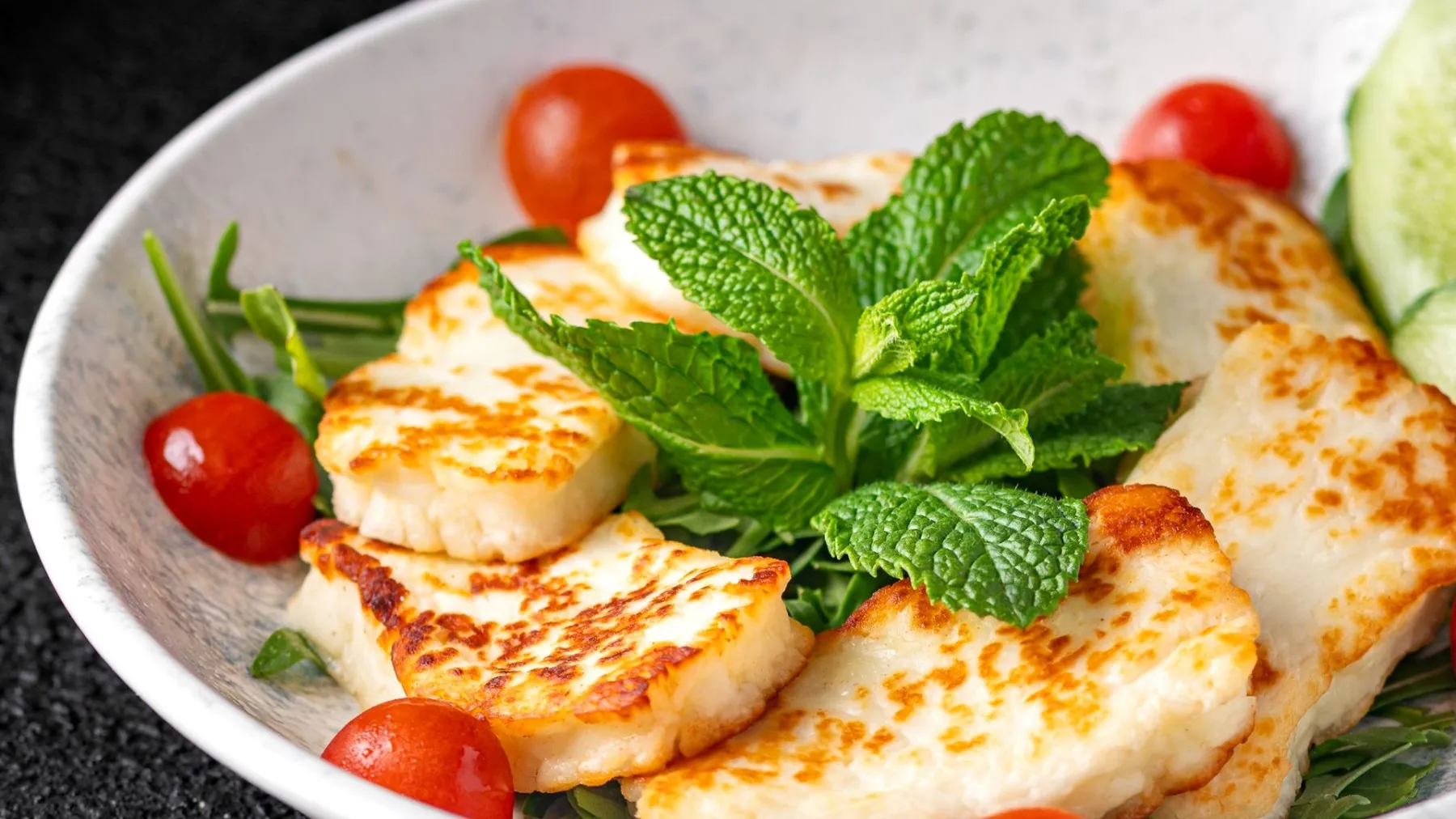
A small kitchen experiment - stand in front of two jars. One says „mint" (Mentha × piperita, or peppermint). The other „nana" (Mentha spicata, hierbabuena in Spanish, spearmint in English). At home both go by the same name. But they are not the same. And they do different things in recipes.
First test - colour. Peppermint is darker and a deeper green. Spearmint is lighter and brighter. An easy difference when they are next to each other. Without help, at the market, many people just mix them up.
Second test - texture. Peppermint has rougher, thicker, firmer leaves. Spearmint - softer, more delicate, thinner. Rub them between your fingers and the difference is obvious.
Third test - shape. Spearmint has longer, lance-shaped leaves. Peppermint - wider and more rounded.
Fourth test - stem. If the stem is reddish or purplish, it is peppermint. Spearmint has a green stem.
Fifth test - smell. Peppermint smells intense, sharp, with a strong menthol character. Spearmint is sweeter, softer, fresher. Drop a leaf into tea and you feel the difference immediately.
How are they used? Spearmint more often in savoury recipes. With lamb in a pan, with grilled meat, in tabbouleh and couscous, with kaymak and yogurt. Peppermint - more often for drinks (Moroccan tea, mojito), for sweet recipes and chocolate. The classic „chocolate mint" is peppermint, not spearmint.
The Balkan kitchen uses both without much thought. In Macedonian both are often just called „nana". That is why in recipes from Spanish, Greek or Italian sources it is worth checking what is actually written - peppermint is not the same as spearmint.
For fresh melon or watermelon salads - spearmint. For a warm chocolate cream - peppermint. For beef with a Greek yogurt sauce - both work, but spearmint gives a more natural Balkan flavour. And for that everyday cold lemonade on a terrace - spearmint wins every test.
The latest 10 news from this category
It is caught with hook and line, not with nets, and you can taste that on the plate. The three...

Home-made chicken curry fails at the same point for everyone. The difference is made by one step that has nothing...

Jose Andres has lived in America for over thirty years, and when asked for his favourite American dish he named...
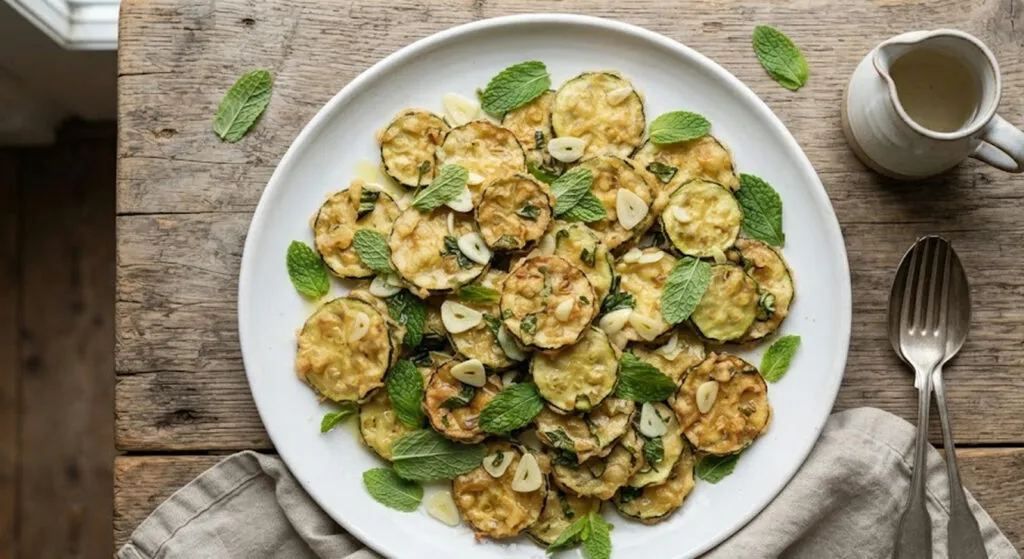
A kilo of courgettes, mint, garlic and eighty millilitres of vinegar. Not one expensive ingredient - and the water you...
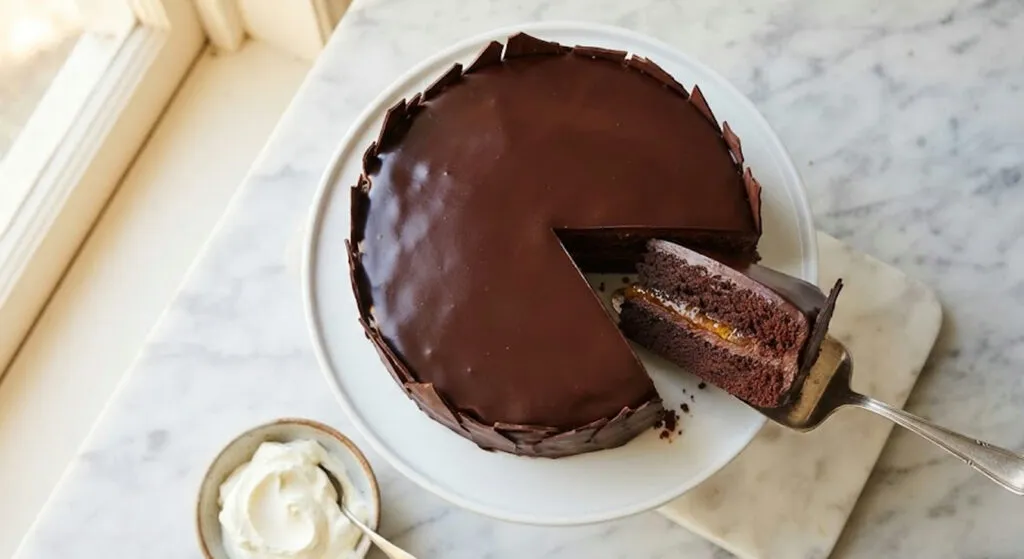
Whoever beat all the eggs together made a different cake. And the glaze must not pass 45 degrees, or the...
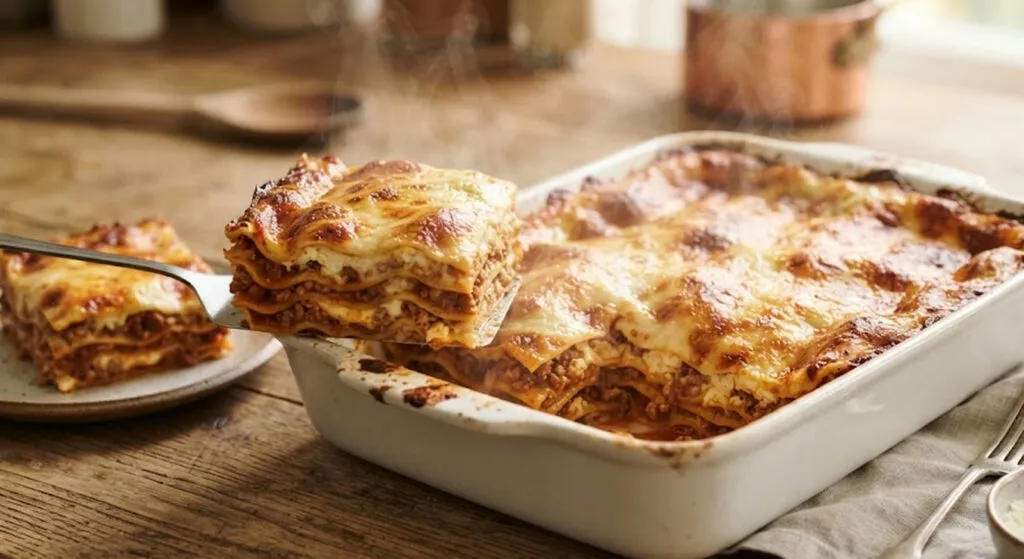
One rule applies to all three and it is the one most often skipped. It is not a recommendation to...
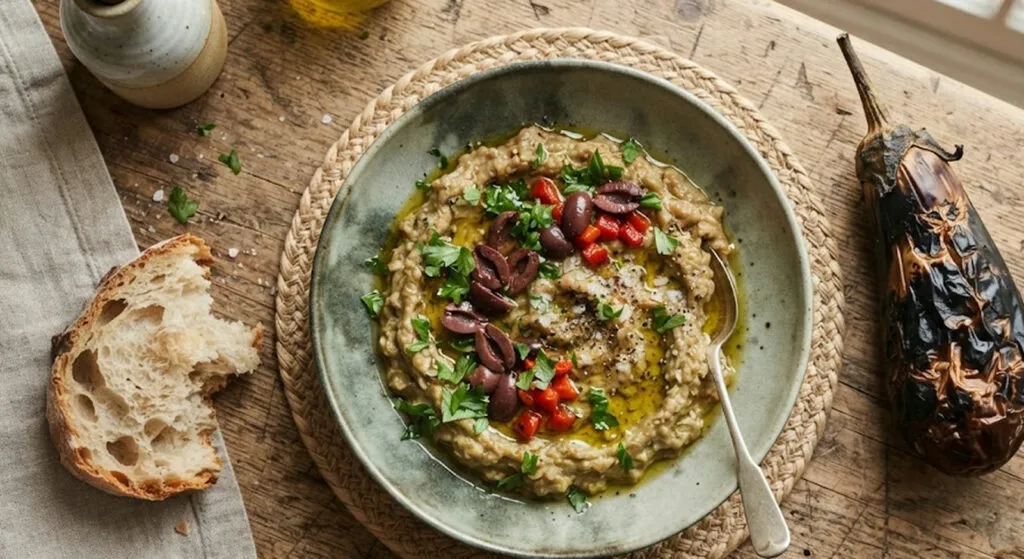
One single ingredient separates melitzanosalata from mutabal - tahini. Three aubergines, one clove of garlic, and an oven at 220...

The chicken ends up in the pan anyway. The salad that was sitting half a metre away does not.
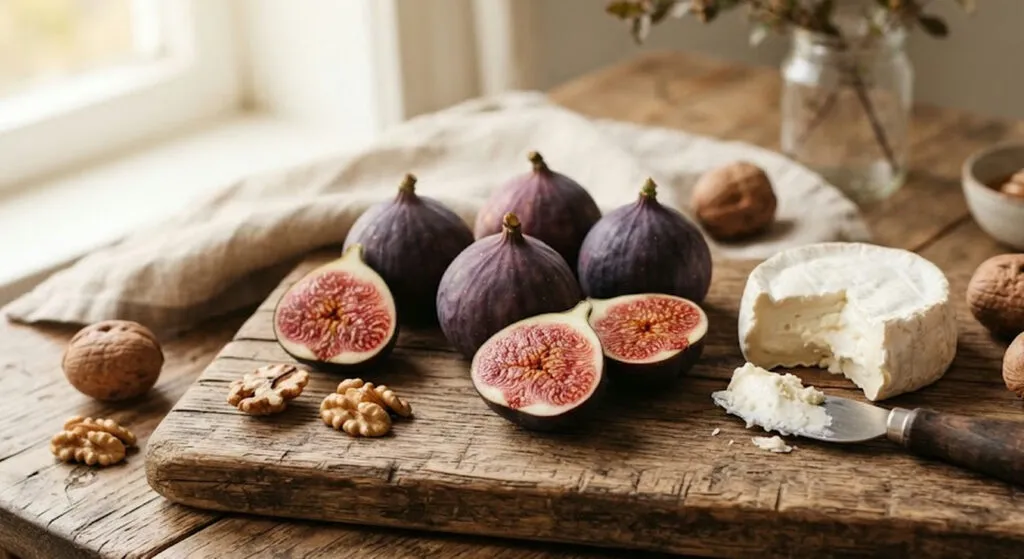
This year the season started as early as August because of the heat. From breakfast to pizza - everywhere a...

The recipe is not hard, the temperature is wrong. Ten cream cheese canapés and the two rules without which none...
This site uses cookies - is that okay? Learn more
Be the first to know when Metla launches something new
Leave your email and we will write when there is a new guide or something new on Metla.
