After 19 Months on the Run, Bajrami Handed Himself In at Blace at 5:35 AM: Same Crossing, Same Early Hour as Grubi
10.09.2026


10.09.2026

10.09.2026
10.09.2026
10.09.2026
10.09.2026

10.09.2026

10.09.2026
09.09.2026
08.09.2026

10.09.2026
10.09.2026

09.09.2026

10.09.2026

10.09.2026

10.09.2026

10.09.2026
08.09.2026

07.09.2026

10.09.2026

10.09.2026

10.09.2026
10.09.2026

10.09.2026

09.09.2026

09.03.2026

27.02.2026

19.02.2026

23.04.2026

23.04.2026

12.04.2026

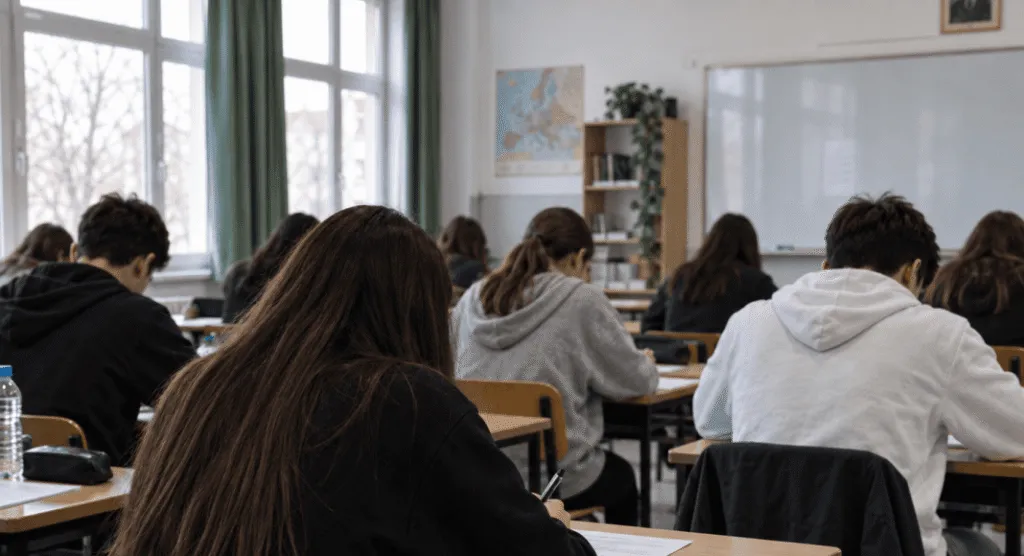
The results of the 2025 PISA international assessment are out, and for Macedonia they are worse than the previous round. Not stagnation but regression - and faster than the average regression across OECD countries.
Macedonian fifteen-year-olds scored 379 points in mathematics, 354 in reading and 377 in science. In the previous cycle in 2022 the maths result was 389 - a drop of 10 points in three years. In reading the fall is from 359 to 354. The OECD average is around 472 in maths and 482 in science.
What these numbers mean in practice
Points are an abstraction. Percentages are not. Only 26 percent of Macedonian fifteen-year-olds reached the minimum level of reading literacy. That means nearly three quarters of them cannot understand and analyse the text in front of them. In maths 32 percent reached the minimum level, in science 36 percent. By comparison, across the OECD 69 percent of pupils clear the minimum threshold in reading.
One more figure is worth pulling out of the report: at the highest levels of mathematical literacy, levels 5 and 6, sit just 1 percent of Macedonian pupils. The OECD average is 8 percent. So it is not only that the bottom is deep - the top has almost disappeared.
A total of 6,977 pupils from 124 schools took part, representative of some 16,700 fifteen-year-olds in the country. This is not a small sample or a statistical error.
Where the attention goes
The report also carries data on the environment in which learning happens. Thirty-three percent of pupils reported that their classmates are often distracted by devices during science lessons - the gap in scores between such classes and the rest is 22 points. Forty-four percent use artificial intelligence weekly for studying, and 34 percent use it to prepare essays.
Absence is another layer. In the two weeks before the test, 35 percent missed whole school days, 41 percent skipped individual lessons and 57 percent were late. And finally, only 67 percent reported that their parents talk to them about school weekly - down from 73 percent in 2022.
Who answers for this number?
This is the point at which a statement from the Ministry of Education usually arrives, about reforms, strategies and new concepts. But Macedonia has taken part in PISA since the very first cycle at the start of the century, and has done so regularly since 2015. So this is not the first measurement of its kind to land in Skopje.
Despite that, the maths score fell 10 points against the previous cycle. Every one of these reports has so far been treated as a one-day news item rather than as a measurement of what the work actually achieved. If something in the system genuinely works, PISA is precisely the tool that would show it. So far it is not showing it.
The latest 10 news from this category
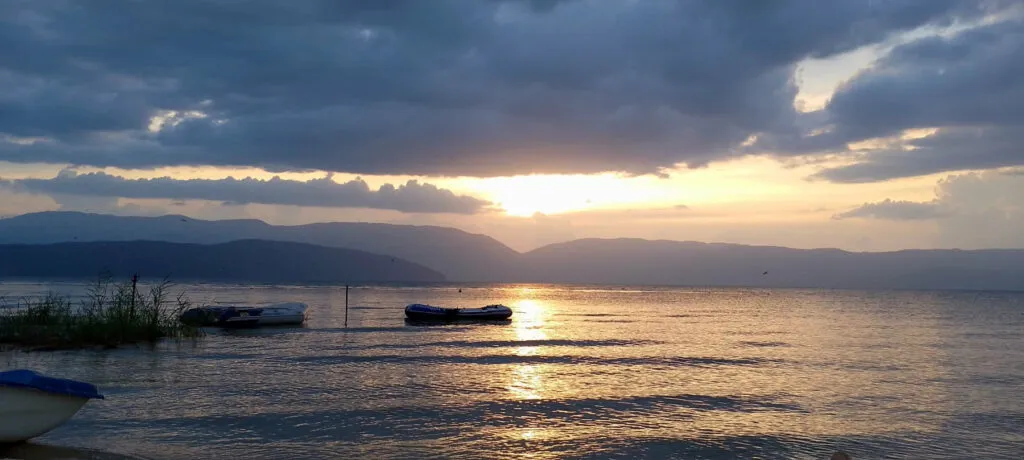
Heavy rainfall last season lifted the lake by 111 centimetres. That does not undo the fact that since 1984 Prespa...
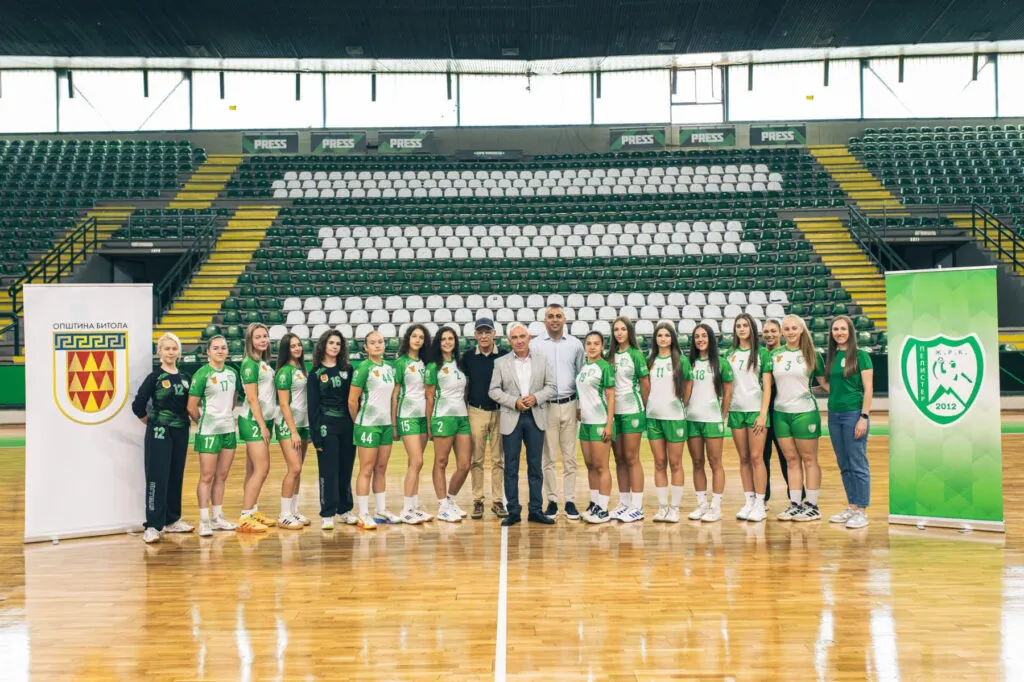
The municipality says the agreement does not mean a merger, a takeover, a split or any change to the club's...
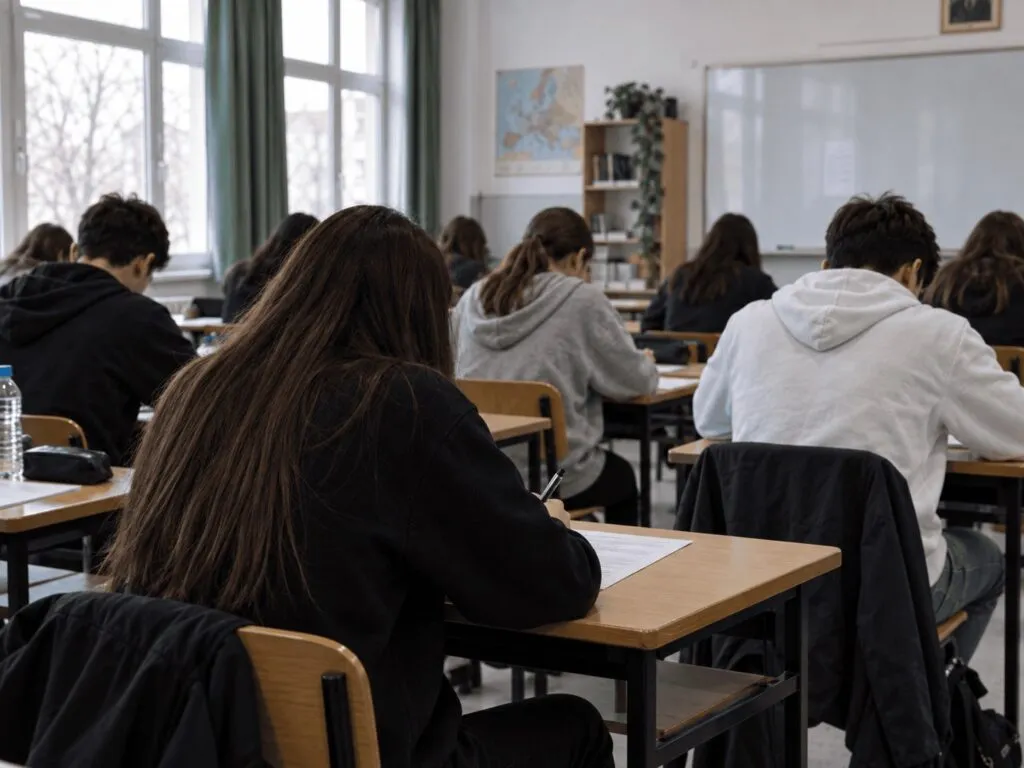
In maths, 32 percent reach the basic level; in science, 36. Not a single pupil in the country reached level...
The footage was published by the Debar angling society Trofta, and the Interior Ministry then announced it was working to...
The inspectorate found serious violations, but what the report actually says the councillors never learned. The opposition claims the violations...
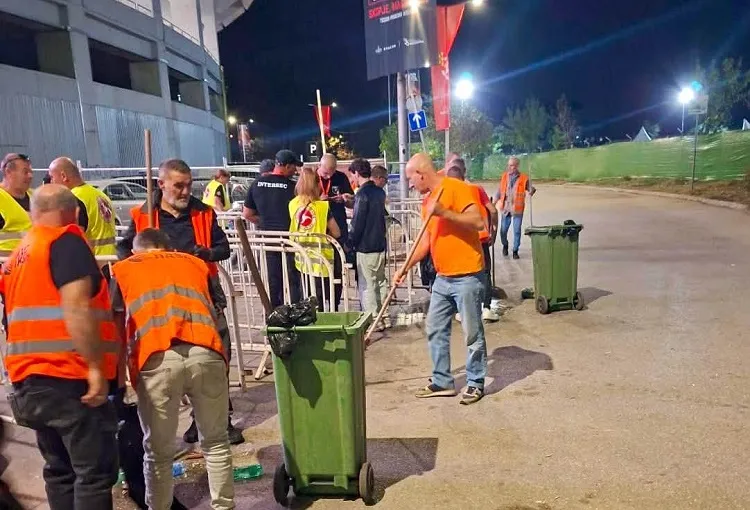
Mayor Gjorgjievski thanked the workers who spent the night on the ground. Their labour is the only item in the...
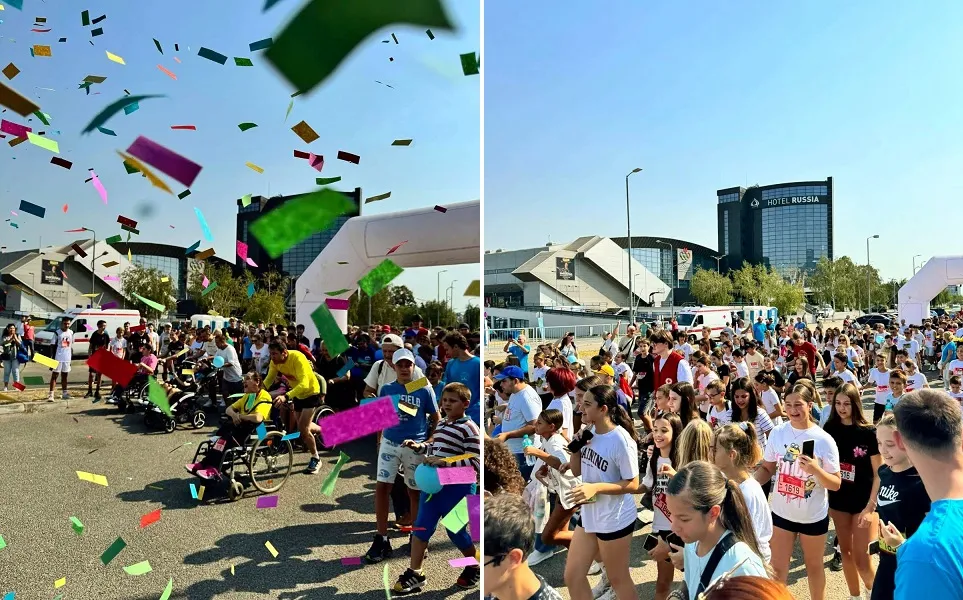
Every kilometre covered at No Finish Line Skopje goes towards helping the Kozle children's hospital. The format removes the barrier...
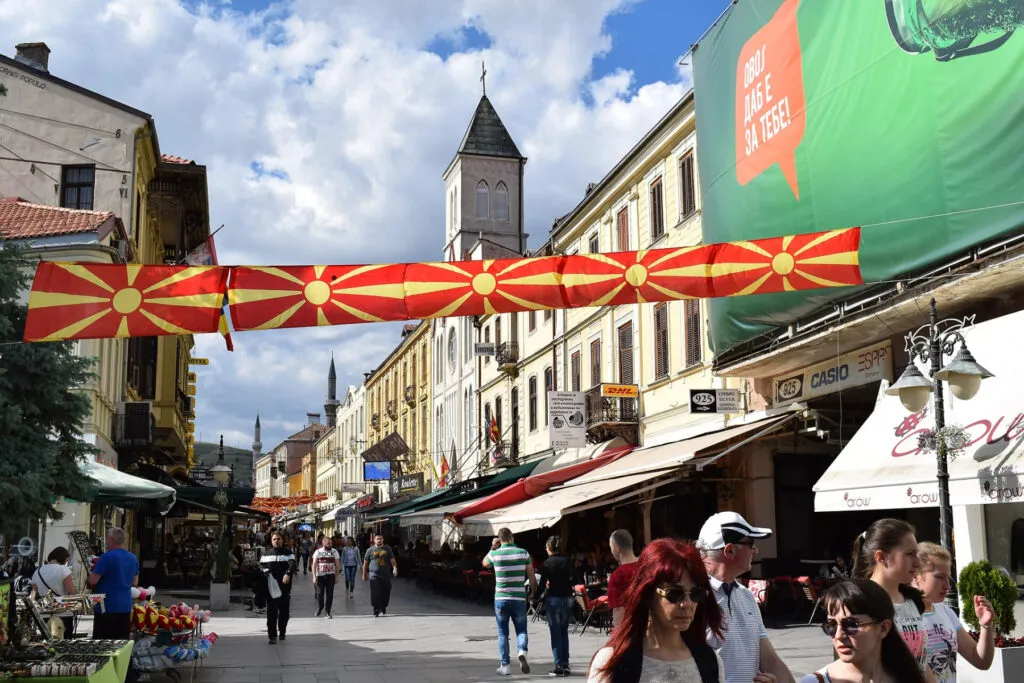
Konjanovski's report is full of figures - 10 kilometres of streets, 220 parking spaces, 96 million for the cinema. But...
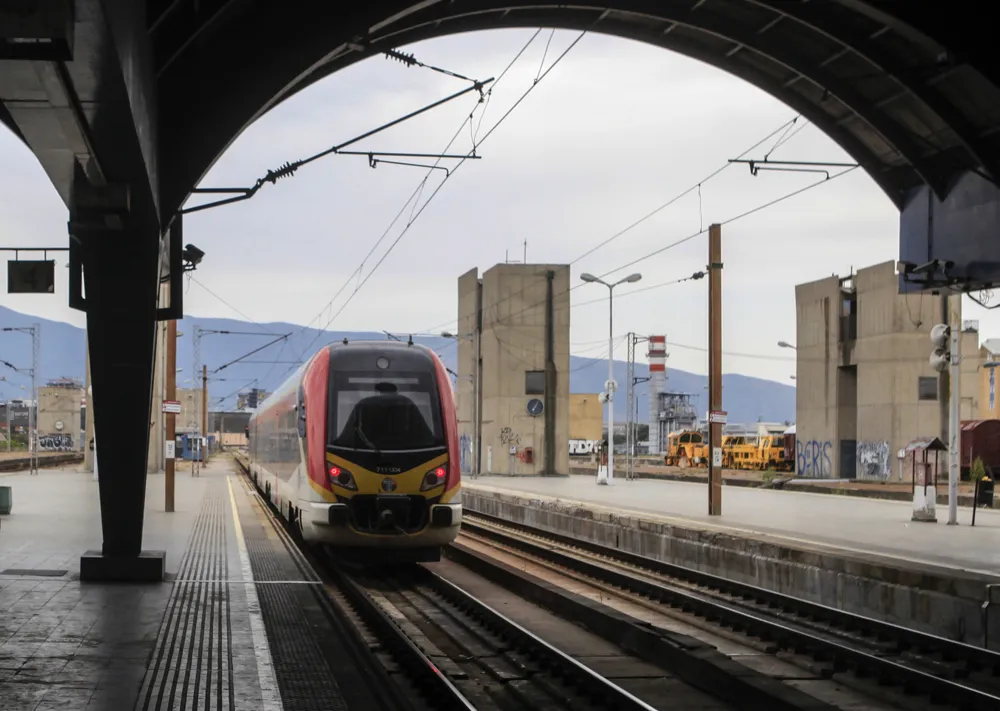
A monthly pass costs 1,850 denars, under 90 denars a day for the round trip. If rail is the fastest...
The emptiest is the Technical Faculty with 269 places, while two of its own programmes filled up in the first...
This site uses cookies - is that okay? Learn more
Be the first to know when Metla launches something new
Leave your email and we will write when there is a new guide or something new on Metla.