

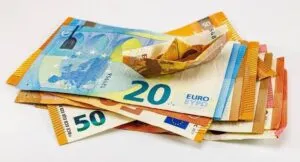
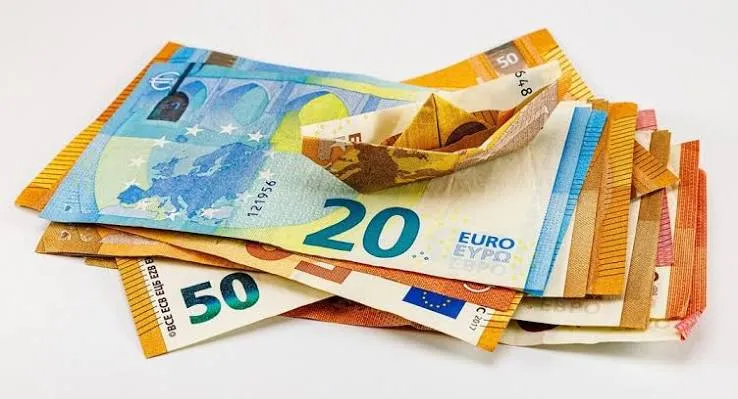
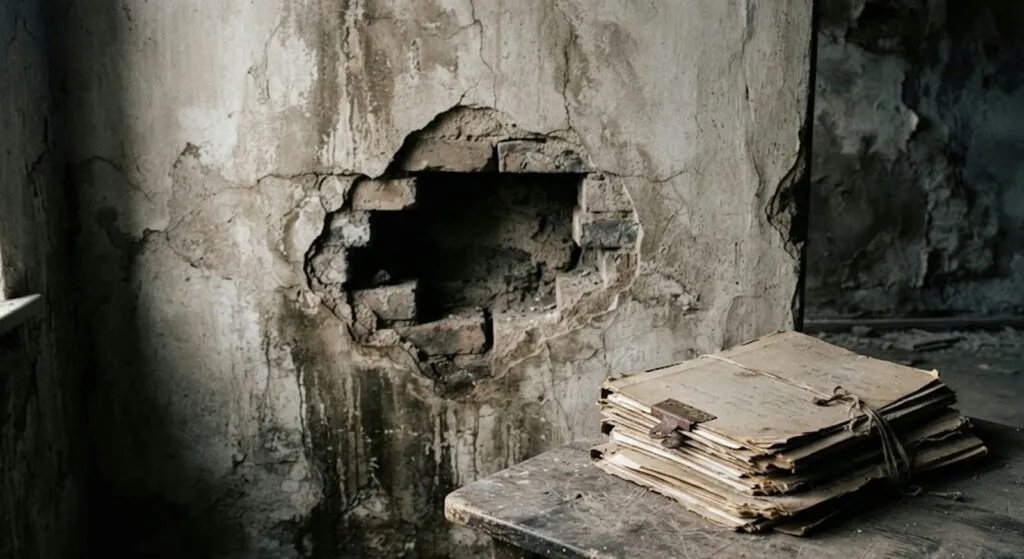
The Mother Wrote the Notes, the DNA on the Wrapping Is the Judge's: Who Walled Up 350,000 Euros in Negotino?
23.10.2026


23.10.2026

23.10.2026

23.10.2026
23.10.2026

23.10.2026

23.10.2026

23.10.2026
22.10.2026

22.10.2026

23.10.2026

23.10.2026

22.10.2026

23.10.2026

23.10.2026

23.10.2026

23.10.2026

22.10.2026

21.10.2026

23.10.2026

23.10.2026

23.10.2026
23.10.2026

23.10.2026

22.10.2026

23.10.2026
22.10.2026

22.10.2026
22.10.2026
20.10.2026
19.10.2026

23.04.2026

23.04.2026

12.04.2026

The latest 10 news from this category
The state is short of doses, judges, even rent money for the Ombudsman, and the budget revision cuts capital investment...
A traffic officer who charged 45 euros instead of 600, a municipality freezing accounts while it is itself in the...
Machines worth 9.7 million euros in a warehouse, 100 new ambulances short of drivers, 200 cameras waiting for a permit....
The police aren't responsible for the pack, the diesel price changes right at midnight, and Parliament fast-tracks a law that...
The day was marked by a man who spent years demanding answers from the health system. The rest of it...

БУГАРИЈА БИЛА ОБВРЗАНА ДА ПЛАТИ 25 МИЛИОНИ ДОЛАРИ ВОЕНИ РЕПАРАЦИИ НА ЈУГОСЛАВИЈА – ДОЛГОТ БИЛ ПРОСТЕН, НО ДАЛИ Е ПРОСТЕНА...
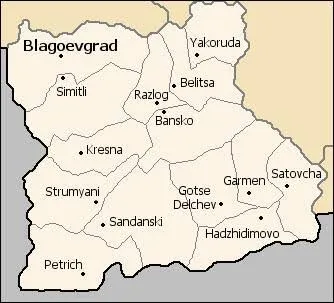
Во 1946 година, на пописот во Пиринска Македонија, според историски истражувања, биле евидентирани 160.651 Македонци, односно 63,6% од населението. Во...
A defendant with confiscated passports made it to Sofia, the Saraj police report stayed under lock, the average new flat...
A Macedonian cave now tops the world rankings, while the state around it has gone six years without a strategy...
The Interior Ministry didn't say how a defendant with a confiscated passport crossed the border, Oncology shifts the blame to...
This site uses cookies - is that okay? Learn more
Be the first to know when Metla launches something new
Leave your email and we will write when there is a new guide or something new on Metla.


