

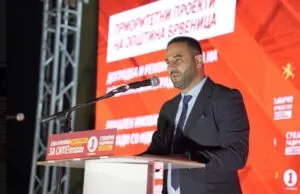
Mickoski celebrates a 4-to-1 win over SDSM in Brvenica, but his candidate got 445 fewer votes than a year ago
19.10.2026


19.10.2026
19.10.2026
19.10.2026

19.10.2026

19.10.2026
19.10.2026
19.10.2026
19.10.2026
18.10.2026

19.10.2026
19.10.2026

18.10.2026

19.10.2026
19.10.2026
19.10.2026

19.10.2026

18.10.2026
17.10.2026

19.10.2026

19.10.2026

19.10.2026

19.10.2026

19.10.2026

19.10.2026
19.10.2026

18.10.2026
18.10.2026
19.10.2026
17.10.2026
15.10.2026

23.04.2026

23.04.2026

12.04.2026

| 2,972,800,051 |
The latest 10 news from this category
The day was marked by a man who spent years demanding answers from the health system. The rest of it...
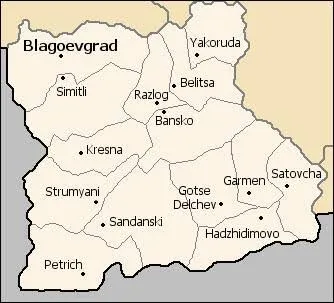
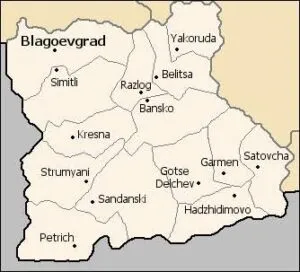
Во 1946 година, на пописот во Пиринска Македонија, според историски истражувања, биле евидентирани 160.651 Македонци, односно 63,6% од населението. Во...
A defendant with confiscated passports made it to Sofia, the Saraj police report stayed under lock, the average new flat...
A Macedonian cave now tops the world rankings, while the state around it has gone six years without a strategy...
The Interior Ministry didn't say how a defendant with a confiscated passport crossed the border, Oncology shifts the blame to...

A driving ban, a law on the white cane, a 10-million-euro contract for a funfair - all of them exist...
Asked about his brother-in-law, the prime minister answered with "see you in court", the interior ministry can't say how a...
A defendant with no passport crossed the border unnoticed, and the state is now demanding answers from Sofia. The day...
Smoke no institution is measuring, a stop-list that turned out to be a form, and a police report kept under...
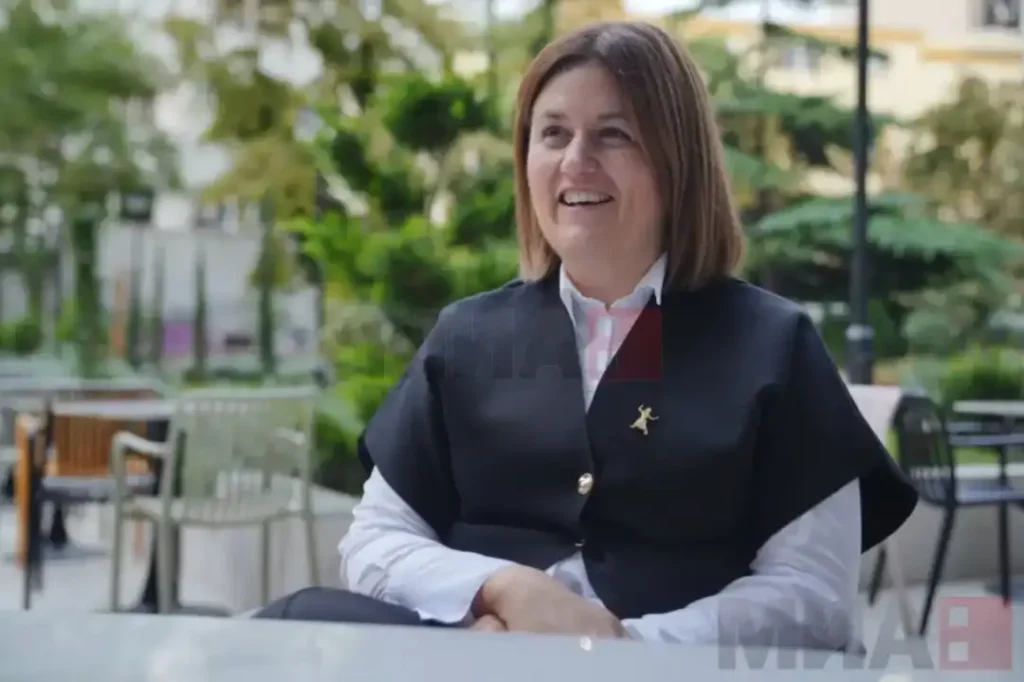
100% ТРАНСПАРЕНТНОСТ, А КАДЕ СЕ ДОГОВОРИТЕ? – ЕНЕРГЕТИКАТА ПОД ПРАШАЛНИК Министерката за енергетика Сања Божиновска во своето последно интервју се...
This site uses cookies - is that okay? Learn more
Be the first to know when Metla launches something new
Leave your email and we will write when there is a new guide or something new on Metla.


