
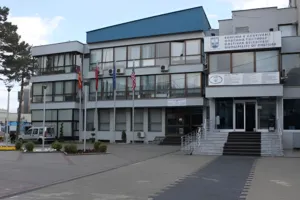
The Macedonian Flag in Gostivar Taken Down and Thrown on the Ground, While the Municipality Claims Nothing Was Removed
29.11.2026


29.11.2026

29.11.2026

29.11.2026

29.11.2026

29.11.2026
29.11.2026

29.11.2026

29.11.2026

29.11.2026
29.11.2026

29.11.2026
28.11.2026
29.11.2026

29.11.2026
29.11.2026
29.11.2026
28.11.2026
27.11.2026
29.11.2026
28.11.2026
27.11.2026
29.11.2026

28.11.2026
28.11.2026
29.11.2026
29.11.2026

28.11.2026

23.04.2026

23.04.2026

12.04.2026

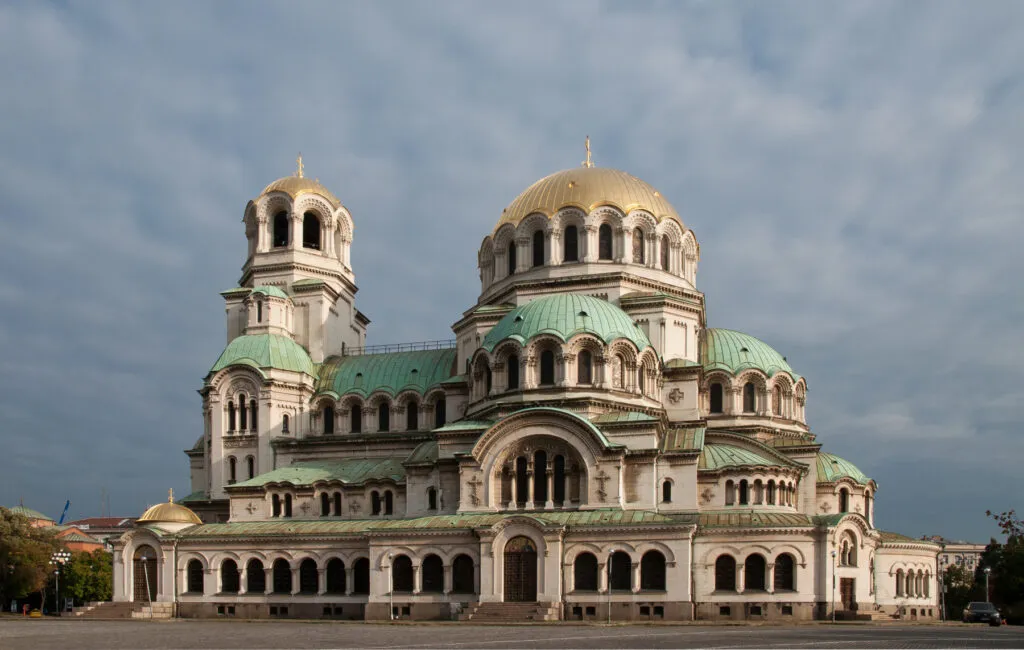
Photo: Plamen Agov Wikimedia Commons, CC BY-SA 4.0
Sofia, which we rarely picture as a weekend destination, has won a title many bigger capitals would love: European Best Destinations named it the best city destination for 2027. The award didn't go to one of the usual Western capitals, but to a city a few hours' drive from Skopje.
The choice only sounds surprising if you know the city from a bus window. Once you stop, it turns out that in 48 hours you can cover almost two thousand years of history, from Roman streets to the flat of a family from the eighties.
Day one: churches, the Largo and socialism in a park
Start at the Saint Sofia church, the oldest Christian monument in the city and the reason the city bears this name. The current building dates from the 6th century, built on top of older churches, and the crypt holds a Roman necropolis and remains of the earlier temples. A few steps away rises the Alexander Nevsky Cathedral, neo-Byzantine, with gilded and green domes, built in memory of the Russian soldiers who died in the Russo-Turkish War at the end of the 19th century. Inside there is marble in different colours, icons and mosaics, some darkened by candle smoke. The Russian church of Saint Nicholas, with gilded onion domes, holds the tomb of Saint Seraphim of Sofia, and in front of it stalls sell Soviet-era souvenirs.
The Largo is a boulevard built to impress: monumental buildings from the socialist period, among them the Constitutional Court and the Presidency, around Independence Square. In the inner courtyard of the Sofia Balkan Palace hotel, in the middle of all that power, stands the Rotunda of Saint George, a small round red-brick church from the 4th century, the oldest preserved building in the city. Tea in the hotel café is a good excuse to see it.
The afternoon belongs to Vitosha Boulevard, the main shopping street, and then lunch at "Shtastliveca", a restaurant in thirties retro style. On the menu are shopska salad, tarator and grilled meat - dishes a Macedonian guest won't need translated. Then comes the part that makes Sofia different from Western capitals: the Museum of Socialist Art. A 7,500-square-metre garden with up to 70 monumental statues of leaders, soldiers, workers and peasants, and the big red star that once stood on top of the Communist Party headquarters. For a more intimate picture of socialism, the "Red Flat" reconstructs the daily life of a Bulgarian family in the eighties, before the regime fell.
Dinner is at the "Raketa Rakia Bar", among old TVs, radios, telephones and posters from the seventies and eighties. The kitchen brings back old Bulgarian recipes with a modern touch, and the house meatballs and the pork with honey come recommended, with a glass of rakia alongside.
Day two: Serdica underfoot, a market and contemporary art
Breakfast is at "Mekica i kafe", and the mekici are exactly what you think: fried dough made with flour and yoghurt, golden outside and soft inside. Then - underground. Beneath modern Sofia lies Roman Serdica, a city that gained importance in the time of Emperor Trajan. Part of the remains can be seen at the Serdika metro station, where they were uncovered during construction. The archaeological complex under the Largo is free, while the larger display on Maria Luiza Boulevard charges admission. There you'll find houses with courtyards, shops, baths, early Christian basilicas and the mosaic from the House of Felix.
The Women's Market has been running for more than 140 years, with roots in the old grain and horse markets from before 1878, when villagers came to sell their goods. Fruit, cheese, meat, spices. Nearby are the Banya Bashi mosque from the Ottoman period and the Sofia Synagogue, which sources describe as the largest in the Balkans. Three faiths within a few hundred metres - something the Balkans know better than any travel guide.
For lunch, "Komat" in the DOT Sofia hotel works Bulgarian recipes with produce from small producers and modern techniques. The hotel building houses the Sarieva gallery, and around it are PUNTA, Doza, ONE and the café Bloom for specialty coffee. There is contemporary art at "Sofia Arsenal" too, a museum in a restored military building, and at "Toplocentrala", a multidisciplinary centre in a former heating plant with exhibitions, theatre, dance and music. The last dinner is at "Kosmos", with a tasting menu that turns Bulgarian and Thracian recipes into small creative plates.
Politics between Skopje and Sofia is a hard subject, and it won't be solved with mekici. But the city Europe is now putting on its front pages is within driving distance. How many of us will see it before reading about it in someone else's guide?
The latest 10 news from this category
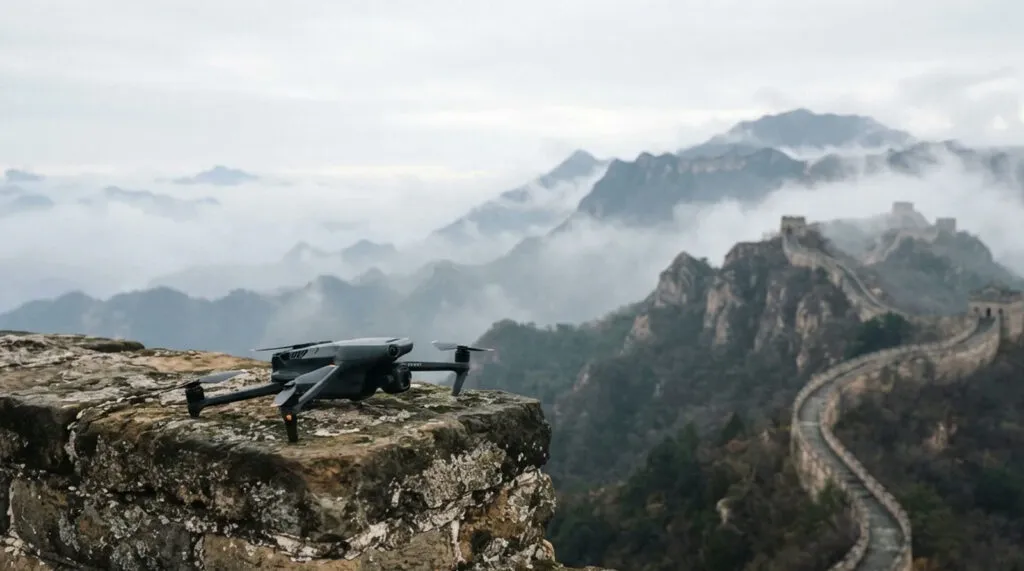
Flying is banned, but so is owning, storing and bringing in a drone. The justification fits in one word: security.
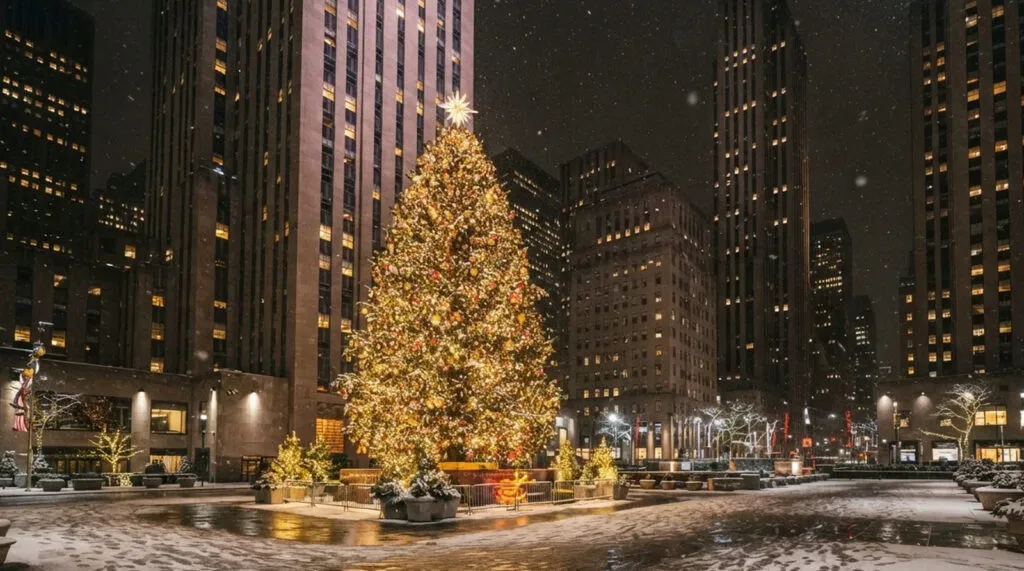
For one minute in Times Square, people stand in the cold for almost nine hours. New York at the holidays...
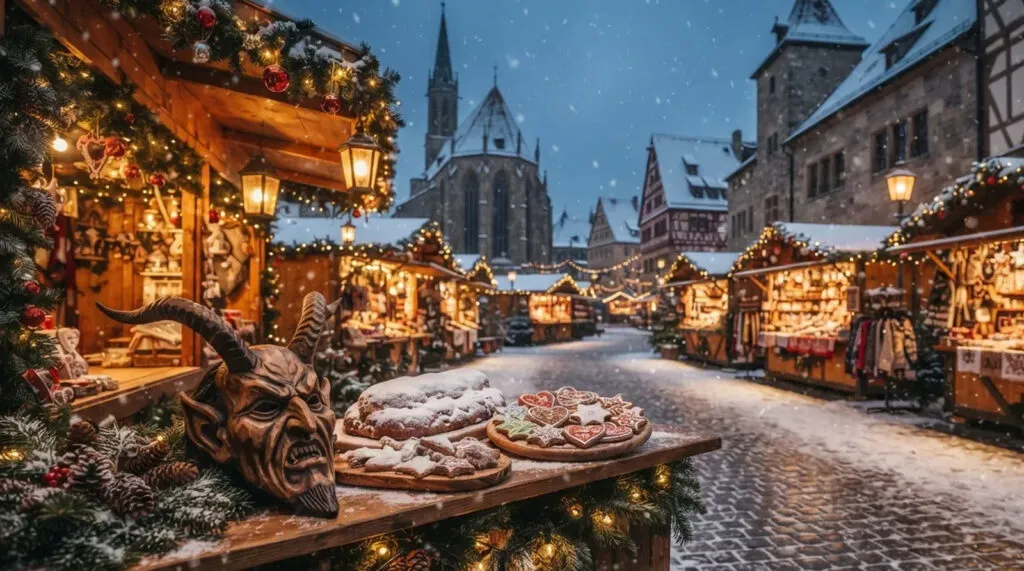
On the eve of St Nicholas, 5 December, saints, angels and devils walk the streets of Central Europe. And in...
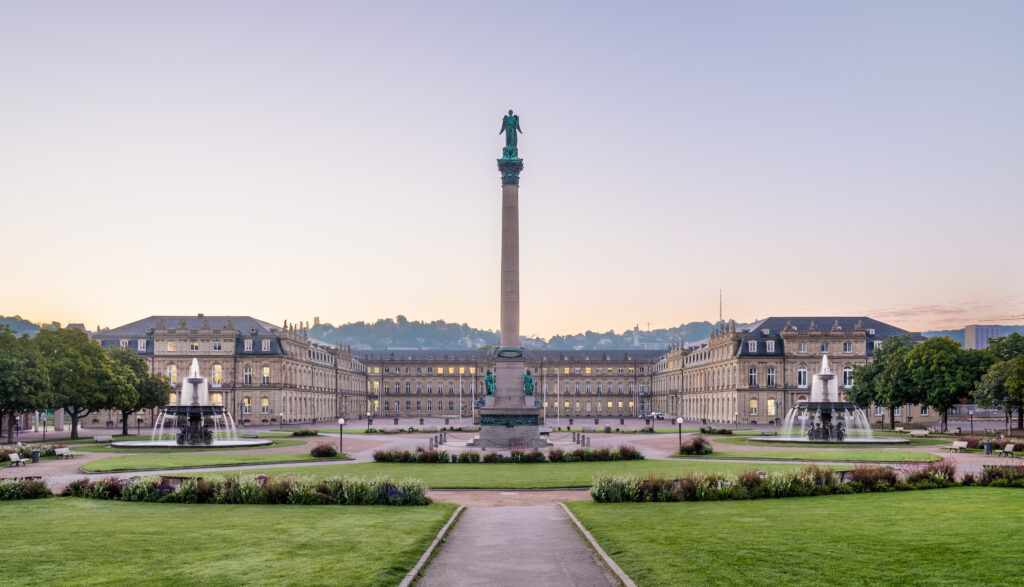
Second in Europe for mineral water, with a city-owned winery since 1949 and a TV tower celebrating 70 years. Yet...

Val Thorens opened its season on 21 November, and the snow lasts until May. From the 3,200-metre summit you can...
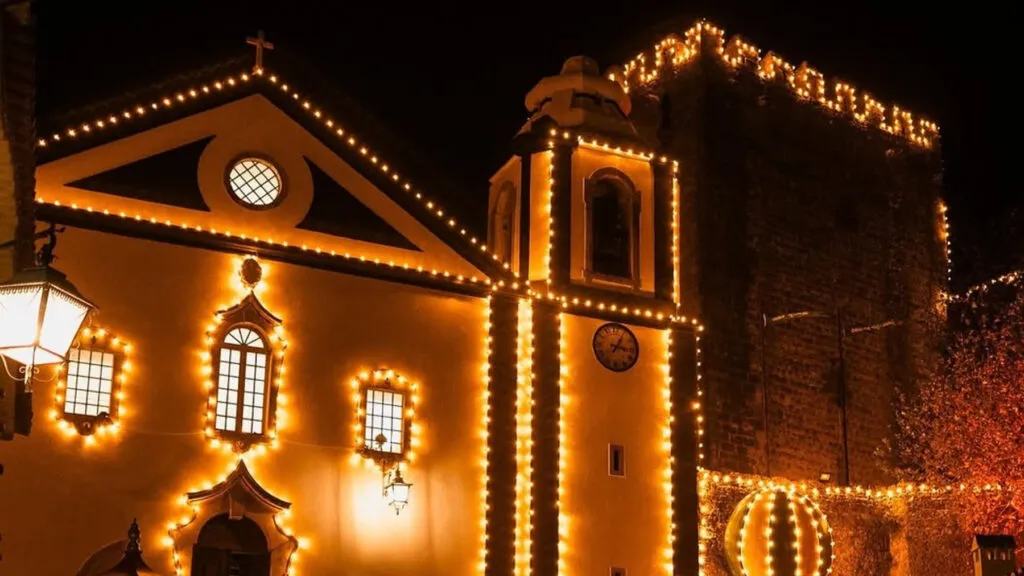
A fortress, a main street and bookshops in old churches and cellars. The Portuguese have turned that into a Christmas...
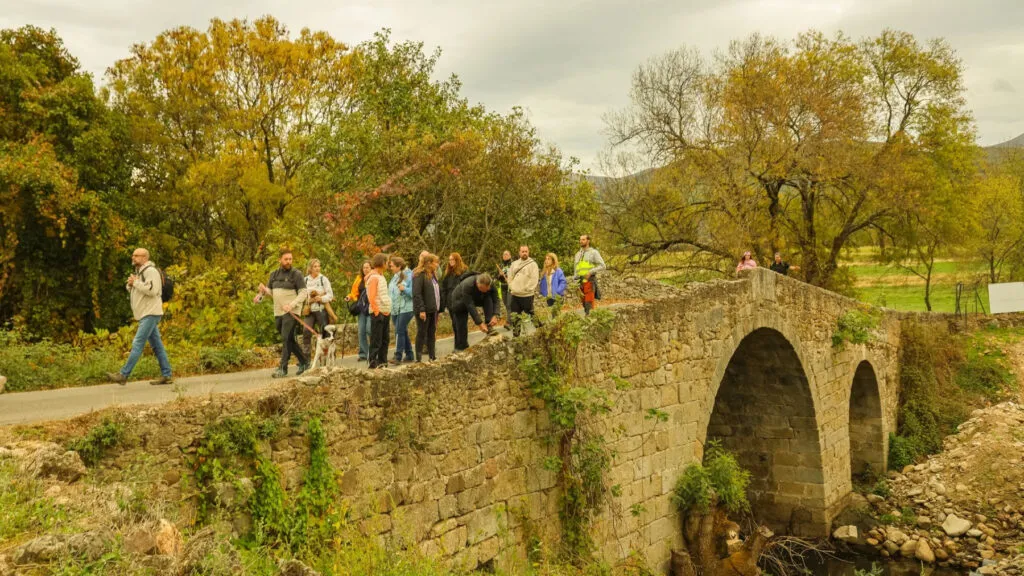
A 12-kilometre trail to a waterfall, a Jewish quarter of stone and chestnut wood, and Roman baths. A Spanish valley...

The city where the Second World War began and Solidarity was born smells of mulled wine and gingerbread in December....
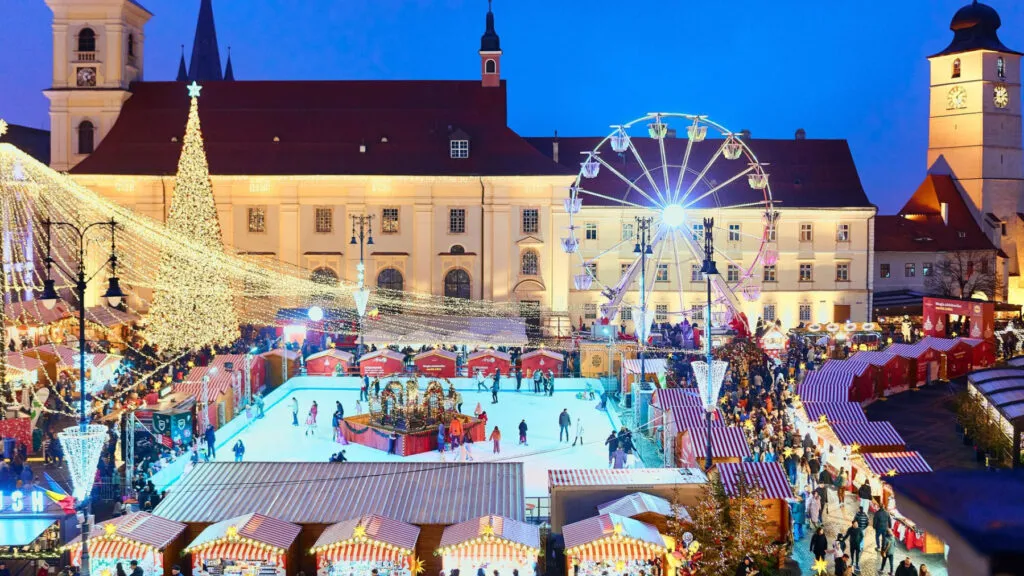
Dresden opens its 592nd Striezelmarkt, and Sibiu ranks among Europe's 12 best. Five addresses for December beyond Vienna and Prague.

The Beatles played the Cavern Club 292 times, and Bono and the Edge owned The Clarence hotel for more than...
If we need anything more, we'll write to the email you left.
Close the form?
What you've entered will be lost.
This site uses cookies - is that okay? Learn more
Be the first to know when Metla launches something new
Leave your email and we'll write to you when there's a new guide or something new on Metla.





