

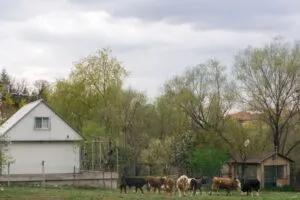
Kriva Palanka: 104 Police Reports Against the Family with the Cows - and Now a Woman with a Broken Leg
24.11.2026


24.11.2026

24.11.2026

24.11.2026

24.11.2026

24.11.2026

24.11.2026
24.11.2026
23.11.2026

22.11.2026

24.11.2026

24.11.2026

23.11.2026
24.11.2026

24.11.2026

24.11.2026
24.11.2026

23.11.2026

22.11.2026

24.11.2026

23.11.2026

22.11.2026
24.11.2026

23.11.2026

23.11.2026

24.11.2026

23.11.2026

23.11.2026

23.04.2026

23.04.2026

12.04.2026

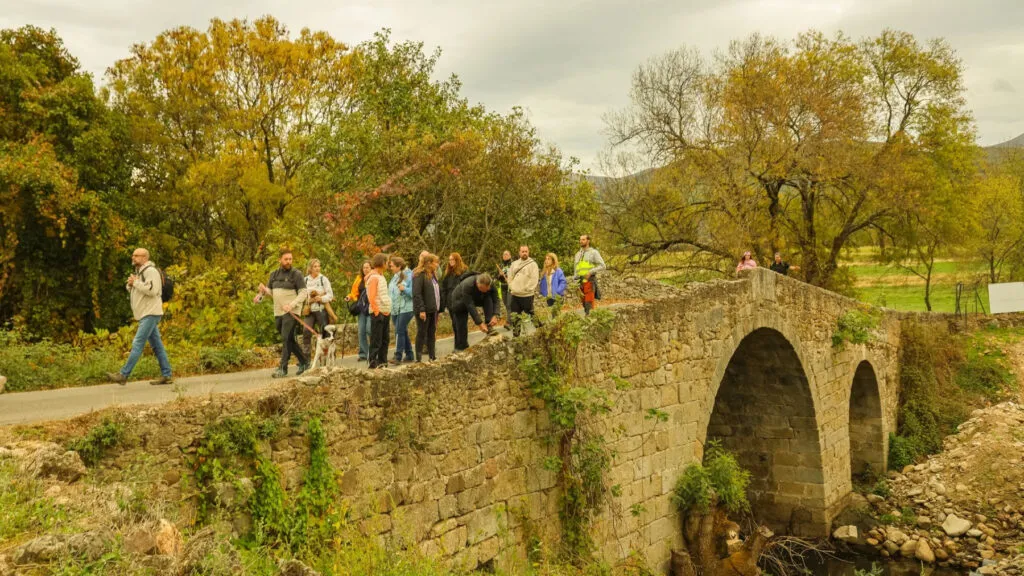
In the north of the Spanish province of Cáceres, in Extremadura, between the Tras la Sierra mountains and the Sierra de Béjar, lies the Ambroz Valley. In November the chestnuts, oaks, ash trees and pastures turn ochre, yellow and reddish, and eight villages celebrate "Magical Autumn" (Otoño Mágico), a festival declared a tourist event of international interest. This year is the 29th edition and it runs until 29 November.
Taking part are Abadía, Aldeanueva del Camino, Baños de Montemayor, Casas del Monte, Gargantilla, La Garganta, Hervás and Segura de Toro. On offer are guided walks, music, markets, tastings, days dedicated to mushrooms, activities for families and encounters with folk traditions. The full schedule with times and registration is on visitambroz.es.
The trails. The best known is La Chorrera: it starts in Hervás, follows the Ambroz river through orchards, chestnuts and oaks, and reaches a waterfall on the upper course. That's about 12 kilometres there and back, of medium difficulty. Also starting from Hervás are the trails through the chestnut groves Castañar Gallego and Castañar del Duque, and in these weeks the latter looks like a golden vault overhead. The "Forests of Ambroz" trail connects La Garganta, Hervás, Gargantilla and Segura de Toro through oak woods, meadows and old bridle paths. The whole route is about 20 kilometres, but it can be walked in sections.
The most beautiful reason to walk may be the shortest. In Segura de Toro a trail of about 4 kilometres leads to five monumental chestnut trees over six centuries old, protected as "singular trees of Extremadura". During the harvest season access to the property may be restricted, so it's worth checking before you set off.
Every weekend there's something on in a different village: the festival of the seasonal livestock drives, the mushroom days, the "Great Calbotada" with roasted chestnuts, markets with local produce and crafts. The "Forests of Ambroz" walking march is on 22 November, and the last weekend, 28 and 29 November, is dedicated to old crafts tied to the forest, mountain activities and food.
The villages. Hervás is a must. Its Jewish quarter is considered one of the best preserved in Spain: narrow streets, houses of adobe, stone and chestnut wood, the very narrow Travesía del Moral alley, the medieval Fuente Chiquita bridge over the Ambroz, and the Museum of Motorcycles and Classic Cars. Seven kilometres away is Baños de Montemayor, with a section of the Roman Vía de la Plata road and baths of Roman origin with mineral water. That's also where the Vía Verde de la Plata "greenway" starts, along the route of an old railway line.
In Abadía there's the Sotofermoso palace, of medieval origin, with a Mudéjar-style courtyard. In Segura de Toro the square is home to a "verraco", a stone sculpture of an animal from the ancient Vettones, a reminder of the area's oldest past. Casas del Monte, Gargantilla, Aldeanueva del Camino and La Garganta are small mountain villages with quiet squares and views over the valley.
The table. Autumn here is something you eat: chestnuts, mushrooms, cured meats, Iberian ham and seasonal cooking. For lunch, Nardi restaurant in Hervás comes recommended, and for a bed, the Hospedería Valle del Ambroz, housed in a former 17th-century Trinitarian convent, a step away from the old town and the trails.
None of this is spectacular on its own: chestnuts, old bridges, mountain villages, autumn colours. What's spectacular is the way eight small municipalities have packaged it all into a month-long programme, with all the information in one place. How many of our own mountain villages could present themselves like this, if someone did the same for them?
The latest 10 news from this category

Val Thorens opened its season on 21 November, and the snow lasts until May. From the 3,200-metre summit you can...
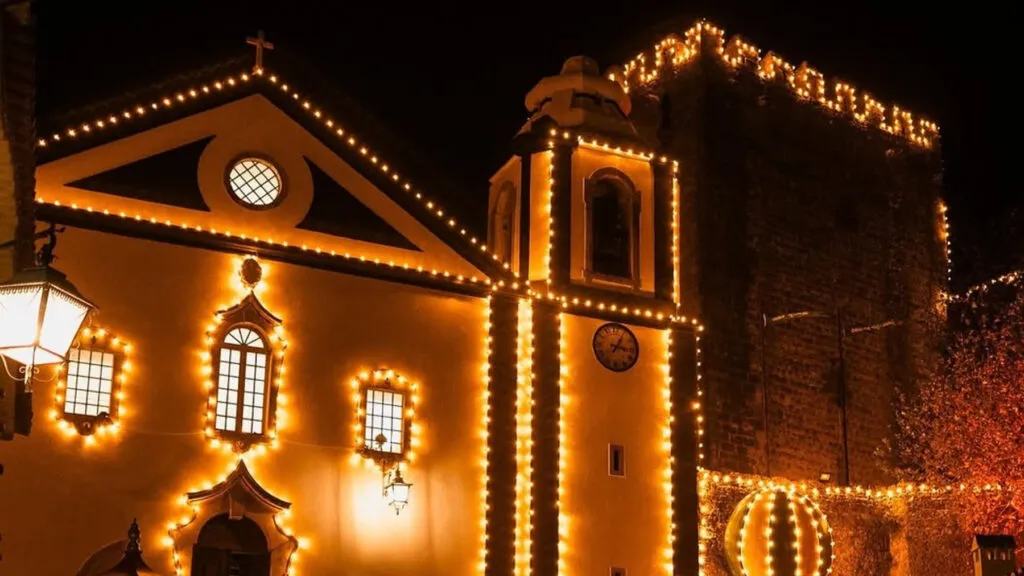
A fortress, a main street and bookshops in old churches and cellars. The Portuguese have turned that into a Christmas...

The city where the Second World War began and Solidarity was born smells of mulled wine and gingerbread in December....
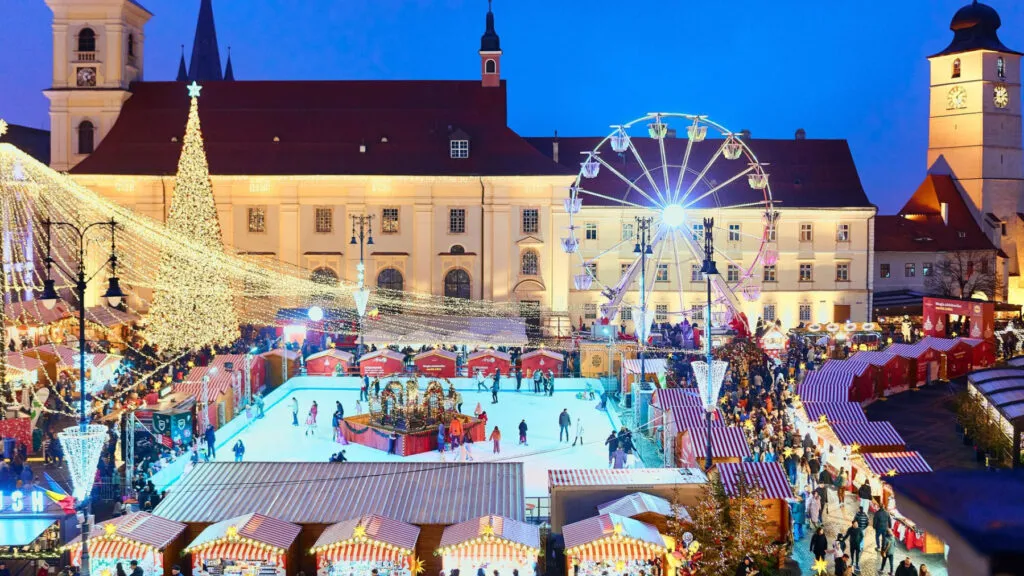
Dresden opens its 592nd Striezelmarkt, and Sibiu ranks among Europe's 12 best. Five addresses for December beyond Vienna and Prague.

The Beatles played the Cavern Club 292 times, and Bono and the Edge owned The Clarence hotel for more than...

The canals, the chocolate and the medieval façades have been there for centuries. From November 20 the city adds an...
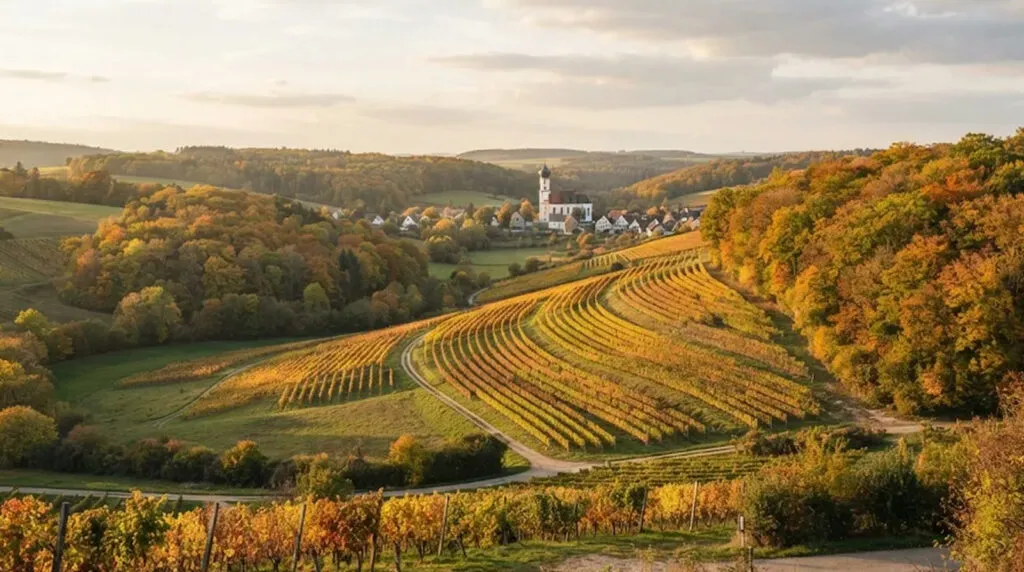
Monks singing Gregorian chant, a barrel holding a thousand buckets of wine and a lake where geese land at sunset,...

While the crowds jostle in Florence, Arezzo turns its medieval square into a Christmas market with stalls from Tyrol, Austria...

In Kenya the giraffes come to breakfast, in China the hotel is sunk into an 88-metre-deep quarry, and in Zanzibar...

An hour and a half from Ollantaytambo to Aguas Calientes, peaks above 4,000 metres and a carriage for just eight...
This site uses cookies - is that okay? Learn more
Be the first to know when Metla launches something new
Leave your email and we'll write to you when there's a new guide or something new on Metla.





