Five Minors Beat a Boy With Hard Objects Outside a School in Rashche: Who Is Watching the School Gates?
14.11.2026


14.11.2026

14.11.2026

14.11.2026

14.11.2026

14.11.2026

14.11.2026

14.11.2026
13.11.2026

12.11.2026

14.11.2026

14.11.2026

13.11.2026

14.11.2026

14.11.2026

14.11.2026
14.11.2026

13.11.2026

12.11.2026

14.11.2026

13.11.2026

12.11.2026

14.11.2026

13.11.2026

13.11.2026

14.11.2026

13.11.2026

12.11.2026

23.04.2026

23.04.2026

12.04.2026


You don't get to Machu Picchu in one hop. First a flight to Cusco, the former royal capital of the Incas, then a minibus through part of the Sacred Valley, then a train, then a bus. The Inca citadel is on the UNESCO list and is one of the New Seven Wonders of the World, and many call the train stretch the most beautiful train journey in Latin America.
The train sets off from Ollantaytambo, the "living Inca town", inhabited without a break since the 15th century. The streets are cobbled, the houses made of adobe, water still runs through Inca channels today, and the terraces of the archaeological complex rise above the town. At the station, young people in traditional dress greet passengers with music and dance.
What the view costs. The company Inca Rail runs three options. The Voyager is the practical choice, from 75 to 95 euros one way, depending on the time slot. The Prime adds live music and a snack. The First Class is the most exclusive: just eight passengers, a balcony with views of the Andes, a three-course menu with ingredients from local communities, and Andean music - Creole songs, huaynos and huaylarsh, festive songs tied to farming. Tickets start at 395 euros one way.
The line is 43 kilometres long, shorter than the road from Skopje to Veles, and the ride takes about an hour and a half. For most of the way the Vilcanota River runs on the left, in places right next to the tracks, in places deep at the bottom of the valley. The peaks around reach above 4,000 metres.
The landscape changes before your eyes. The train starts among high Andean fields with crops and herds and ends in dense, humid vegetation where the mountains give way to the jungle, close to the Amazon side. Light rain falls on some stretches. On the slopes you can see the terraces where ancient peoples grew quinoa, corn, potatoes and aromatic herbs, and some of them are still farmed today. Anyone who wants to understand how that agriculture works can visit the archaeological site of Moray.
The river is also crossed by old Inca trails that local people still use today. The chasquis, the Inca messengers, ran along them - the first to cross the Andes did it running, not by train. Hikers on the Inca Trail still enter the citadel today through Inti Punku, the Sun Gate.
The last station is Aguas Calientes, or Machupicchu Pueblo, a small town at the bottom of a narrow valley on the Vilcanota. Many stay one or two nights to visit Machu Picchu without rushing, soak in the hot springs, visit the butterfly garden and try the local food. Passengers step off the train to the sound of "El Cóndor Pasa". How much would you pay for an hour and a half on a train if a wonder of the world were waiting at the end?
The latest 10 news from this category

Green-and-white facades, six old gates and spice-filled souks: the former capital of the Spanish protectorate is Morocco without Marrakech and...

It was built in 1963 to carry supplies to Scotland's loneliest lighthouses. Today guests sip tea served in silver on...

A city that the Second World War turned to rubble now sells its baroque splendour and stollen - on 5...

Poilão island is sacred and off-limits to the Bijagó people themselves - and that's exactly why the turtles still come...

Spanish actor Dani Rovira called them "a beautiful, wild and purifying place". Before you go, it's good to know you...
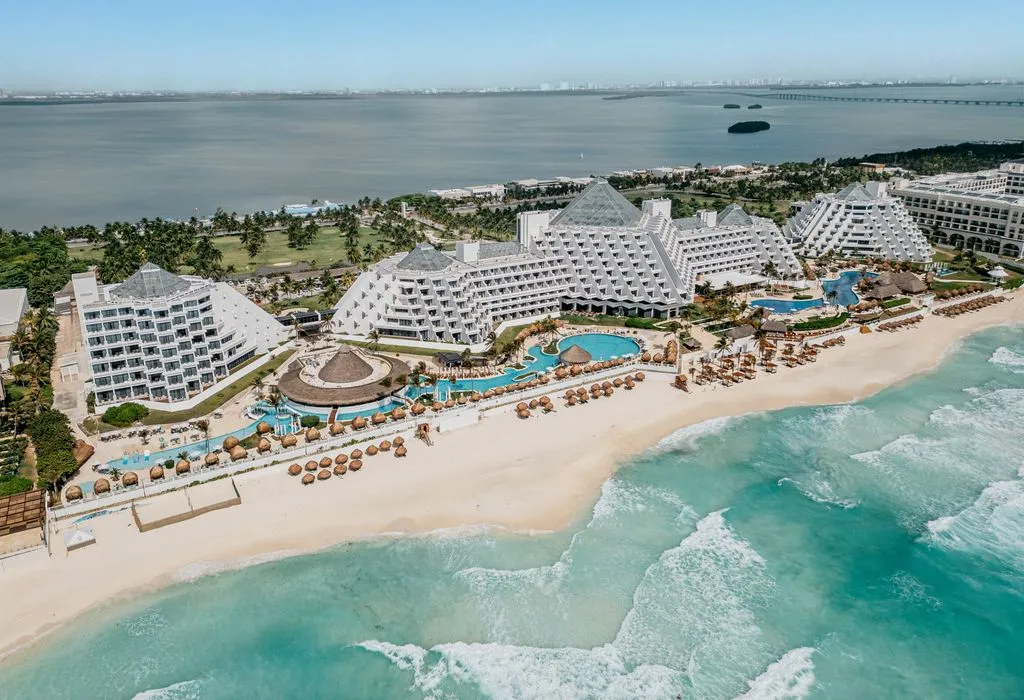
Five white pyramids between the Caribbean Sea and the lagoon, ice baths and yoga under red light. The real Mayan...
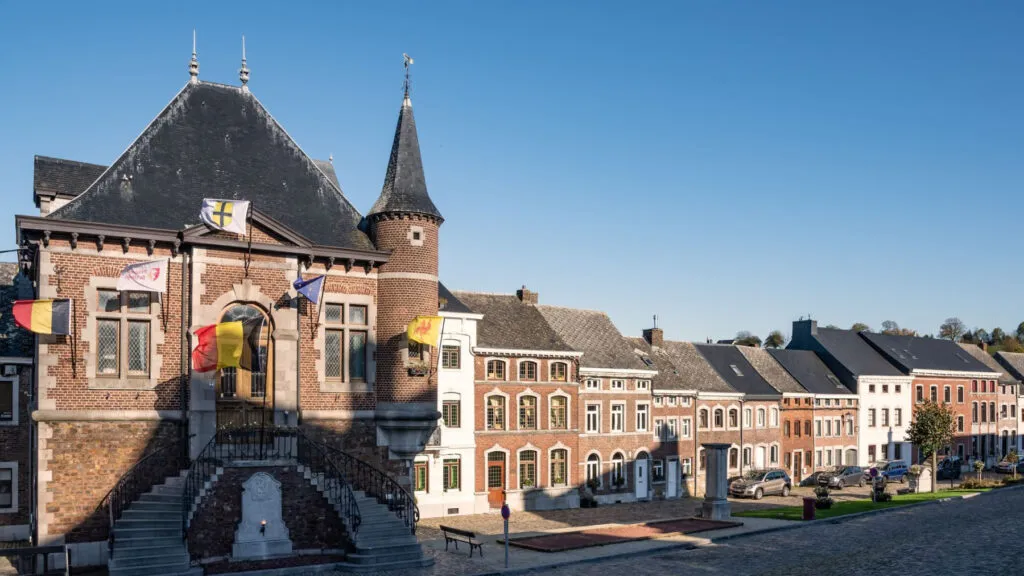
An hour and a half from Brussels, cows graze on damp meadows, cheese ripens in cellars, and an abbey founded...

A former British colony celebrates independence, and the guest is the British king. Behind the ad with a beach for...

A city 85% of which ended up as ash in the Second World War, and which today lives off beer...

Half an hour by ferry from Naples, between the Capri and Ischia everyone knows about. This is where Pérez-Reverte brought...
This site uses cookies - is that okay? Learn more
Be the first to know when Metla launches something new
Leave your email and we'll write to you when there's a new guide or something new on Metla.