UGD's E-Transcripts Were "Fixed" for Money for Five Years: Two Employees Held in Custody
05.11.2026


05.11.2026

05.11.2026

05.11.2026

05.11.2026

05.11.2026

05.11.2026

05.11.2026
04.11.2026

03.11.2026

05.11.2026

05.11.2026

04.11.2026

05.11.2026
05.11.2026

05.11.2026

05.11.2026

04.11.2026

03.11.2026

05.11.2026

05.11.2026

05.11.2026
05.11.2026

05.11.2026

04.11.2026

05.11.2026

04.11.2026
03.11.2026

23.04.2026

23.04.2026

12.04.2026


Spanish actor Dani Rovira recently visited Iguazú Falls and described them as "a beautiful, wild and purifying place". It's hard to argue with him. We're talking about some 275 waterfalls, some as high as 80 metres, lined up along almost three kilometres of natural border between Argentina and Brazil, in the middle of subtropical jungle.
Only Victoria in Africa and Niagara can be compared with them, and Iguazú is the widest of the three. The Argentine national park has been under UNESCO protection since 1984, the Brazilian one since 1986. That's why you pay twice: each park has its own ticket.
The Argentine side: up close and from several heights
The Argentine park takes more time. The upper circuit runs along raised walkways over the top of the falls. The lower one gets closer to the base, where the spray soaks you and the roar deafens you. The Macuco trail is about seven kilometres there and back, through the jungle. The Devil's Throat, the most dramatic waterfall at around 80 metres high, is usually reached by the jungle train and then on foot over bridges above the water.
An important warning: the Argentine circuit has been closed since August 2026, because the walkways were removed as a precaution due to the swollen river. The rest of the park is open, but check before you buy a plane ticket. A full day is recommended for this side.
The Brazilian side: the panorama
The Brazilian park offers the big picture. A trail about a kilometre and a half long leads past several viewpoints. A standard visit takes around two hours, but it's worth leaving more. This is also where the boat trips to the foot of the falls run, for those who want to feel them up close, literally.
How long, how, and how much
Two full days are recommended, one for each park, and a third if you want jungle excursions or the Triple Frontier region. On the Argentine side the base is Puerto Iguazú in Misiones province, about 18 kilometres from the park entrance, with an international airport and flights from Buenos Aires. On the Brazilian side it's Foz do Iguaçu, also with an international airport, and the park is reached via the BR-469 road. The two towns are connected by the Tancredo Neves International Bridge, with a border check, so keep your documents handy.
A ticket for the Argentine park costs about 35 euros for foreign visitors, the Brazilian one about 22 euros. Come early, before the crowds. Factor in the transfers too, which are smart to book in advance, especially if you want private transport or a tour.
When to go
The climate is subtropical. From March to May the heat eases and the water flow is impressive - that is the period most often recommended. From June to August it's milder and drier, easier for walking. From November to February it's hotter, more humid and rains often. But the river doesn't read calendars: after heavy rain the flow can rise sharply in any month.
Bring light clothes, comfortable shoes and something waterproof, because the spray is strong at some viewpoints, plus a change of clothes if you take a boat. Sunscreen, a hat, insect repellent and water go without saying. And never feed or touch the coatis and other animals, which approach tourists freely.
For those with deeper pockets, the Gran Meliá Iguazú hotel is inside the Argentine park, with views of the falls from some rooms. Hotel das Cataratas, A Belmond Hotel, in colonial style, is inside the Brazilian park, and guests can enjoy the surroundings outside visiting hours too. Luxury that gives you the falls without the crowd.
The latest 10 news from this category
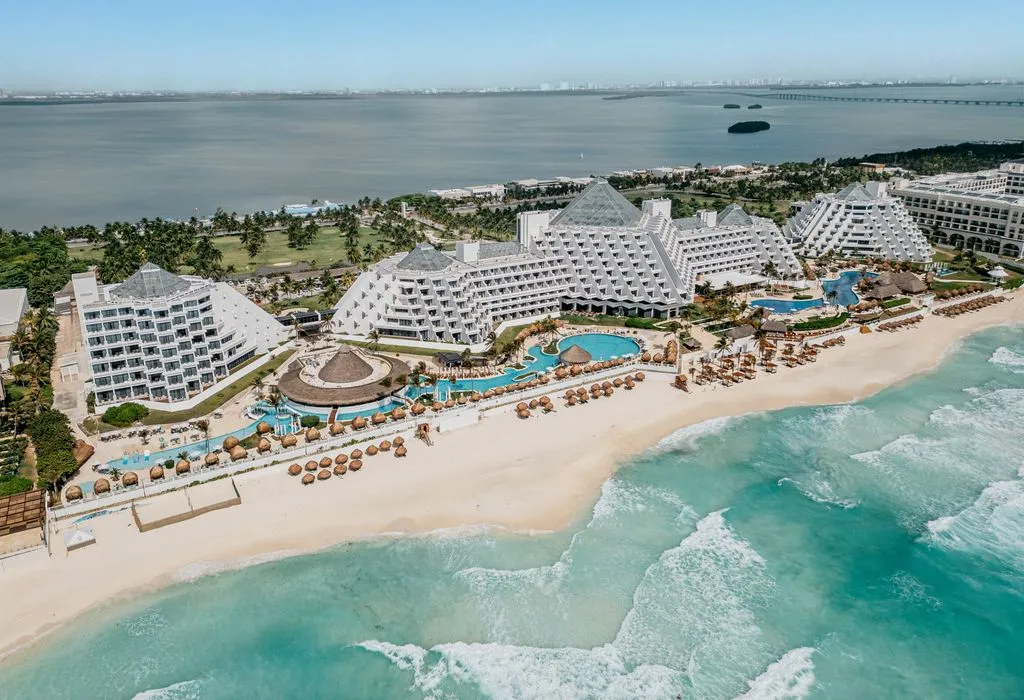
Five white pyramids between the Caribbean Sea and the lagoon, ice baths and yoga under red light. The real Mayan...
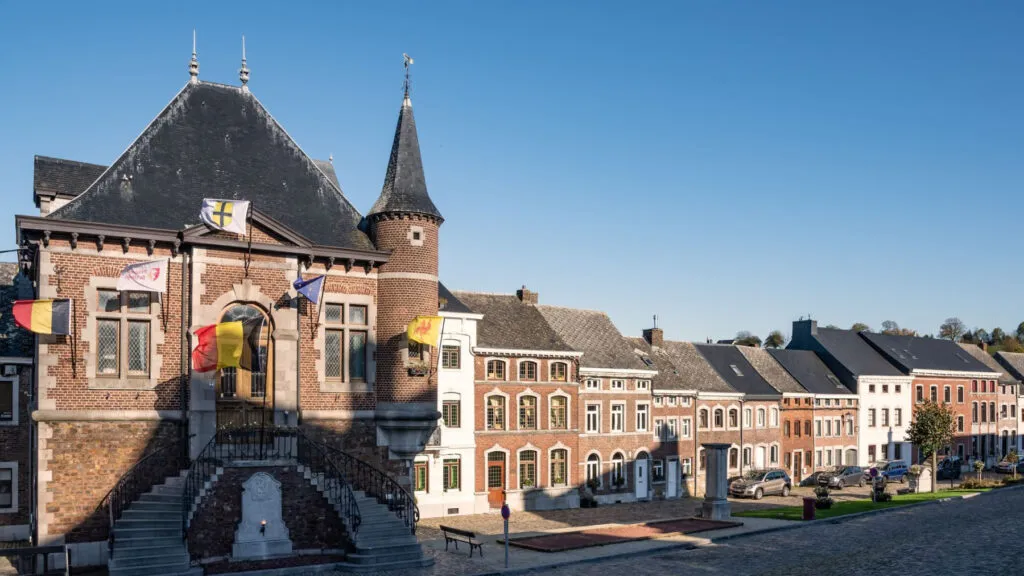
An hour and a half from Brussels, cows graze on damp meadows, cheese ripens in cellars, and an abbey founded...

A former British colony celebrates independence, and the guest is the British king. Behind the ad with a beach for...

A city 85% of which ended up as ash in the Second World War, and which today lives off beer...

Half an hour by ferry from Naples, between the Capri and Ischia everyone knows about. This is where Pérez-Reverte brought...
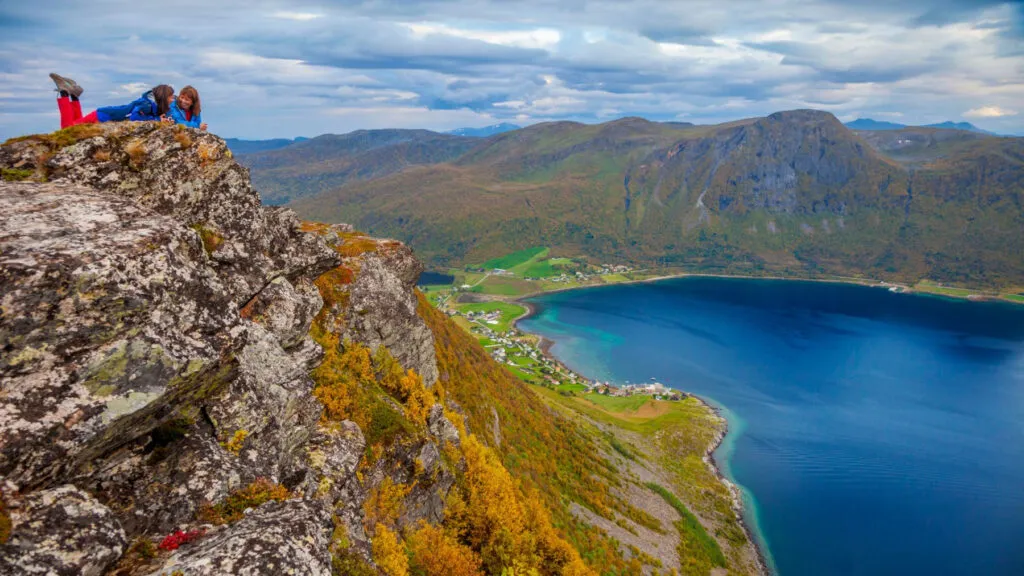
Captain Richard With launched it with two nautical charts, so the north could survive the winter. Today, in autumn, the...
While collecting the Princess of Asturias Award in Oviedo, Messi once again said where home is. A route through La...

A castle, then a monastery, then the summer house of the Count of Arona: the Borromeo family has held the...

He came for a forum and stayed for the coffee. A plantation, a theatre and an eight-course dinner - a...

Barcelona's coach was born here, his wife 12 kilometres away. A town where one in four residents is a student,...
This site uses cookies - is that okay? Learn more
Be the first to know when Metla launches something new
Leave your email and we'll write to you when there's a new guide or something new on Metla.