Slaveski Tells Filipče to Delete His "Shameful Post": Alta Banka's Customers Got a Duel on X Instead of a Deadline
02.11.2026


02.11.2026

02.11.2026
02.11.2026

02.11.2026
02.11.2026

02.11.2026

02.11.2026

01.11.2026

01.11.2026

02.11.2026

02.11.2026
01.11.2026

02.11.2026

02.11.2026

02.11.2026

02.11.2026
01.11.2026
31.10.2026

02.11.2026

02.11.2026

02.11.2026

02.11.2026
01.11.2026
01.11.2026
02.11.2026
01.11.2026
01.11.2026

23.04.2026

23.04.2026

12.04.2026


A former British colony is celebrating independence, and the British king is arriving for the party. Charles III is touring the Caribbean as head of the Commonwealth: after the Bahamas, where he danced at a parade, planted a tree and posed like a boxing champion, and after Guyana, he's now in Antigua and Barbuda. Queen Camilla will join him later.
The country sells itself with one number: 365 beaches, one for every day of the year. To someone who measures summer in hours waiting at Evzoni, that sounds almost insulting. Antigua is the main island, and Barbuda lies about 40 kilometres to the north and is far less developed for tourism. That's where you'll find the second card in the advertising, pink sand.
On Antigua, bays protected by reefs have turquoise water. In the northwest, Dickenson Bay and Runaway Bay are for swimming, water sports and beach bars. In the south, Valley Church and Ffryes Beach are calmer. On the east coast, Half Moon Bay is a great crescent of white sand facing the Atlantic, wilder in character. A catamaran to reefs and hidden coves is the usual excursion, and sailing is part of daily life, with a long maritime tradition.
The most important site isn't a beach. Nelson's Dockyard in English Harbour is a Georgian dockyard of the British Royal Navy, now on the UNESCO list, with historic buildings, small museums, restaurants and a marina. Brochures show it like a postcard, but it was built and maintained by enslaved Africans. When a British king is visiting, that detail weighs more.
Above the harbour, the Shirley Heights lookout surveys English Harbour and Falmouth Harbour, and on Sundays the sunset becomes an event for everyone, with barbecue, Caribbean music and steel drums. The capital, St. John's, has colourful facades, a market, cathedral towers and shops at Redcliffe Quay, and the Fig Tree Drive road winds through tropical vegetation, former plantations and fruit stalls. For places to stay there's Curtain Bluff, opened in 1962 on a peninsula on the south coast, with 72 rooms and suites, the private island of Jumby Bay a few minutes away by boat, and Admiral's Inn, in former naval buildings inside Nelson's Dockyard itself.
Barbuda is the other story. Here is Princess Diana Beach, named in memory of the princess who enjoyed the island, then Low Bay, a long strip of pink sand, more intense where tiny shells gather, and Codrington Lagoon, with mangroves and a sanctuary for frigatebirds, thousands of them, reachable only by boat. You get to the island by ferry from St. John's or by small plane.
"The beaches are incredible, you go barefoot and in a bikini everywhere," says Rocío Crusset, who travels there often. The king probably won't be going barefoot. And 365 beaches and one UNESCO-listed dockyard tell two different stories, only one of which is on the postcards.
The latest 10 news from this category

A city 85% of which ended up as ash in the Second World War, and which today lives off beer...

Half an hour by ferry from Naples, between the Capri and Ischia everyone knows about. This is where Pérez-Reverte brought...
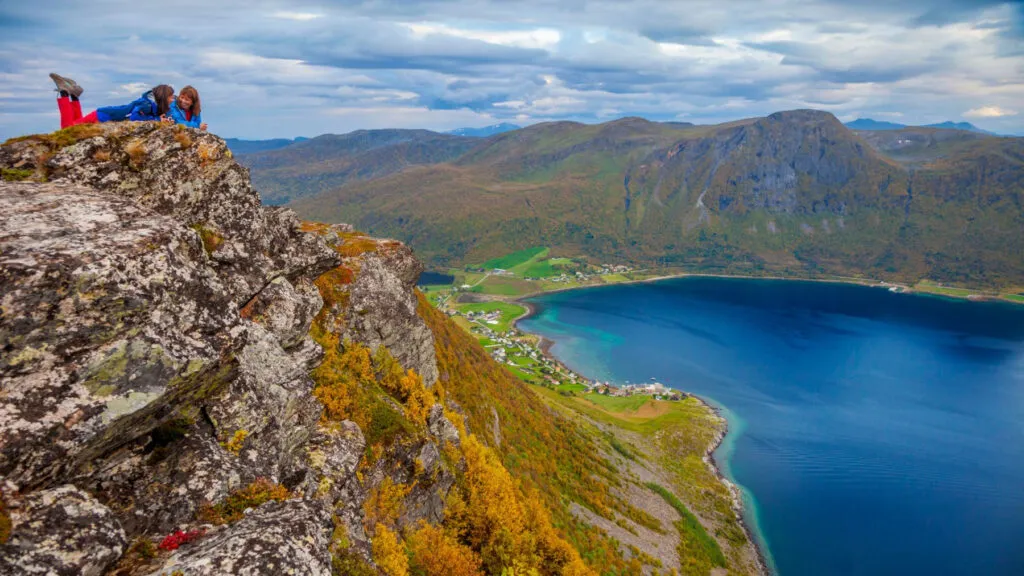
Captain Richard With launched it with two nautical charts, so the north could survive the winter. Today, in autumn, the...
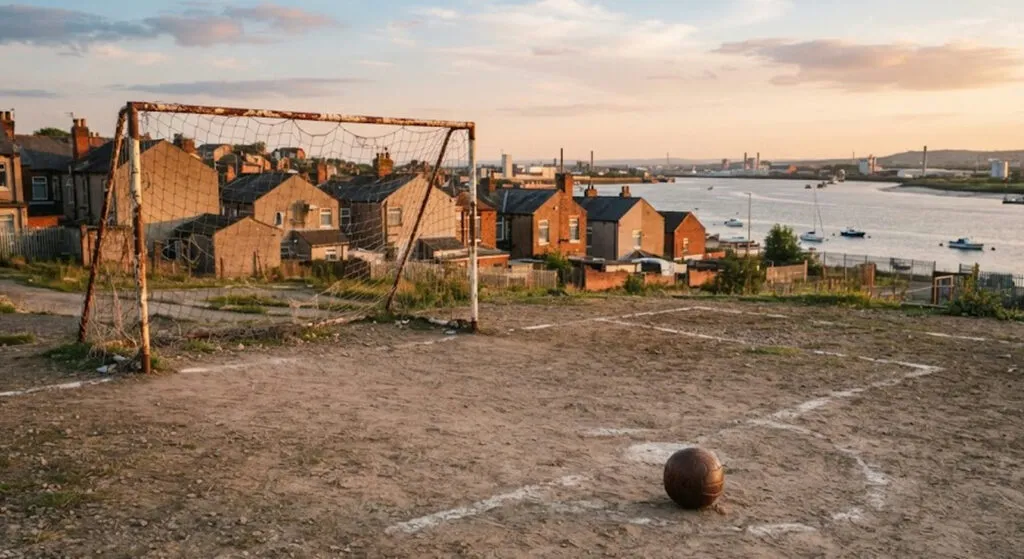
While collecting the Princess of Asturias Award in Oviedo, Messi once again said where home is. A route through La...

A castle, then a monastery, then the summer house of the Count of Arona: the Borromeo family has held the...

He came for a forum and stayed for the coffee. A plantation, a theatre and an eight-course dinner - a...

Barcelona's coach was born here, his wife 12 kilometres away. A town where one in four residents is a student,...

Of 80 towers, just over twenty remain, the palace where the queen who sent Columbus was born is today a...
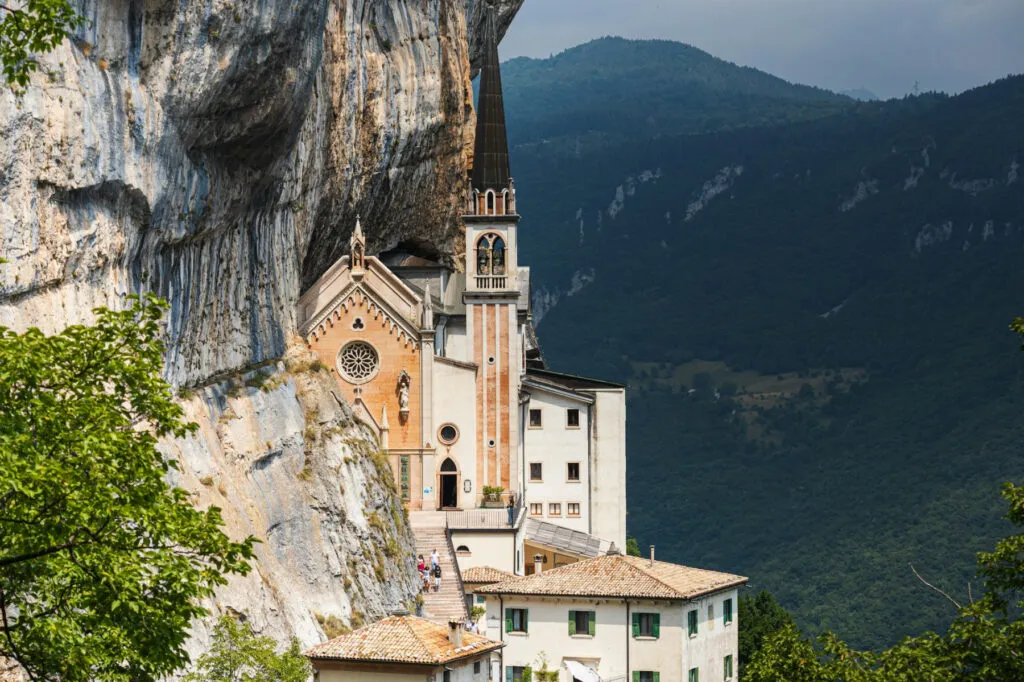
Hermits, a legend about a statue that arrived from Rhodes and bus number 499. One of the most unusual places...
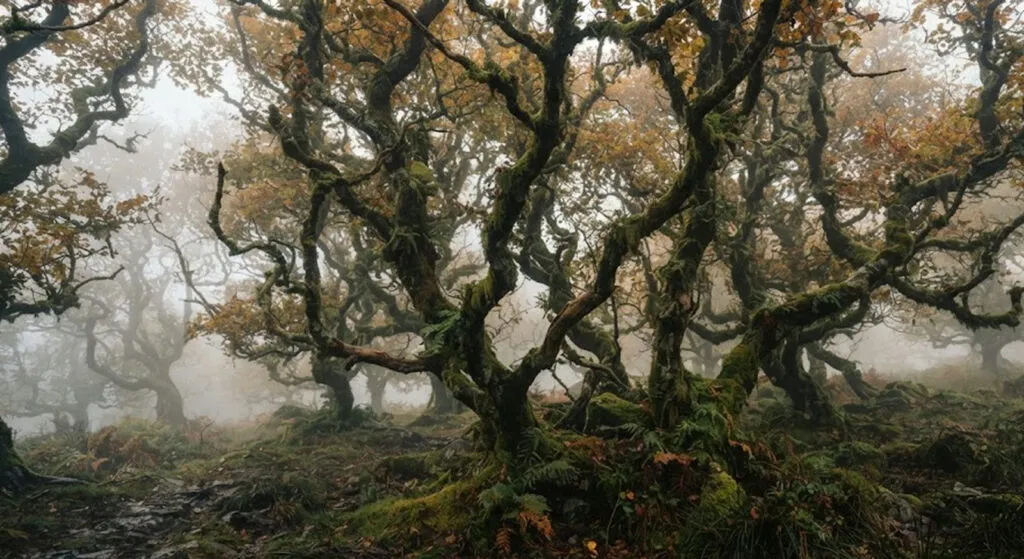
One of the wildest isn't in Scandinavia but in the Balkans: Perućica in Bosnia, with trees taller than 50 metres...
This site uses cookies - is that okay? Learn more
Be the first to know when Metla launches something new
Leave your email and we'll write to you when there's a new guide or something new on Metla.