
Лихварска група во Куманово работела пет години – паднала дури кога еден граѓанин се охрабрил да пријави
06.11.2026


06.11.2026

06.11.2026

06.11.2026

06.11.2026

06.11.2026

06.11.2026

06.11.2026

05.11.2026

05.11.2026

06.11.2026
06.11.2026

05.11.2026

06.11.2026

06.11.2026

06.11.2026

06.11.2026

05.11.2026

04.11.2026

06.11.2026

06.11.2026

06.11.2026

06.11.2026
05.11.2026
05.11.2026

05.11.2026

04.11.2026

03.11.2026

23.04.2026

23.04.2026

12.04.2026


There are destinations where the tourist is king, and others where you're a guest who has to know the rules. The Bijagós archipelago off the coast of Guinea-Bissau is one of the latter. It's 88 islands and islets whose shape is reshaped by extreme tides and sandbanks, with the Orango and João Vieira-Poilão national parks and a place on the UNESCO list. The organisation explains its value as "a unique combination of geographic isolation, abundant food and traditional cultural protection".
The main stars are the turtles. More than five protected species nest or feed here: the green, leatherback, hawksbill, loggerhead and olive ridley turtles. Green turtles alone leave more than 62,000 nests a year, many on beaches where almost nobody ever sets foot. Poilão island is considered one of the most important nesting sites for the green turtle on the entire planet.
The turtles aren't alone. The archipelago has over 230 species of fish, molluscs and crustaceans, around 870,000 shorebirds, the largest population of African manatees, two species of dolphins, sharks and rays. And hippos used to salt water. From October to December they move into the Anôr lagoons on Orango Grande island, which fill up after the rainy season, and that's when they're easy to see from a boat. According to the organisers, they stay there for about three months.
The calendar is precise. Nesting is most intense from June to September, the eggs incubate for about 60 days, and the hatchlings emerge from August through January at the latest. December is the end of the laying season: strong northwesterly winds and big waves make it hard for the young to reach the open sea.
The most interesting part is why all this still exists. Poilão is a sacred island and off-limits to the Bijagó people themselves, so for generations nobody collected the eggs or the adult turtles. Neighbouring areas such as Liberia, Côte d'Ivoire and Cape Verde have no such protection. Bijagó society is matrilineal, rare in West Africa, and the tour includes a visit to the village of Eticoga and the mausoleum of the last queen, Okinka Pampa.
The Tchon Bijagó tour was developed by the Spanish NGO CBD-Hábitat and the Orango Parque hotel. More than 100 technicians, researchers, rangers, students and volunteers monitor up to 20 stretches of beach and collect data for Guinea-Bissau's Institute for Biodiversity and Protected Areas. Guests can spend the night in the observation camp on Poilão, and the guides take them to the beach only when the turtles are there, without disturbing them.
The trip lasts eight days, starts and ends in Bissau, and places are limited. From Europe the easiest route is via Lisbon, then 40 minutes by road to Quinhamel and a boat to Orango - about four hours at sea in total. The only hotel on the island, inside the park itself, has 14 double rooms in eight bungalows, and part of the profit goes to local development projects. How many protected areas in the Balkans could survive this logic - few visitors, strict rules and money that goes back to the people who live there?
The latest 10 news from this category

Spanish actor Dani Rovira called them "a beautiful, wild and purifying place". Before you go, it's good to know you...
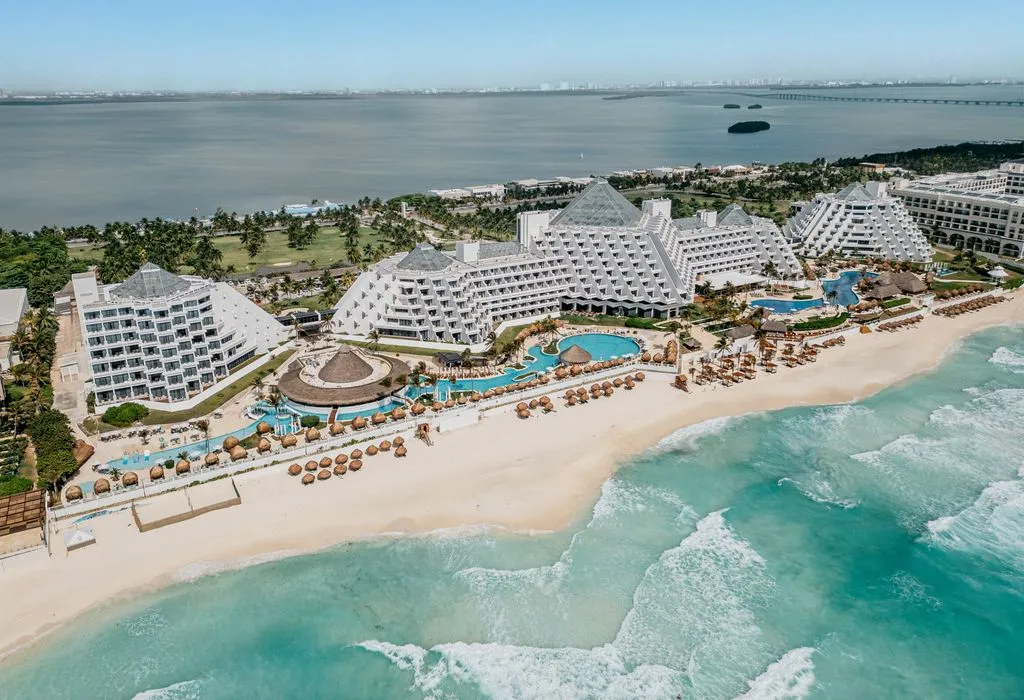
Five white pyramids between the Caribbean Sea and the lagoon, ice baths and yoga under red light. The real Mayan...
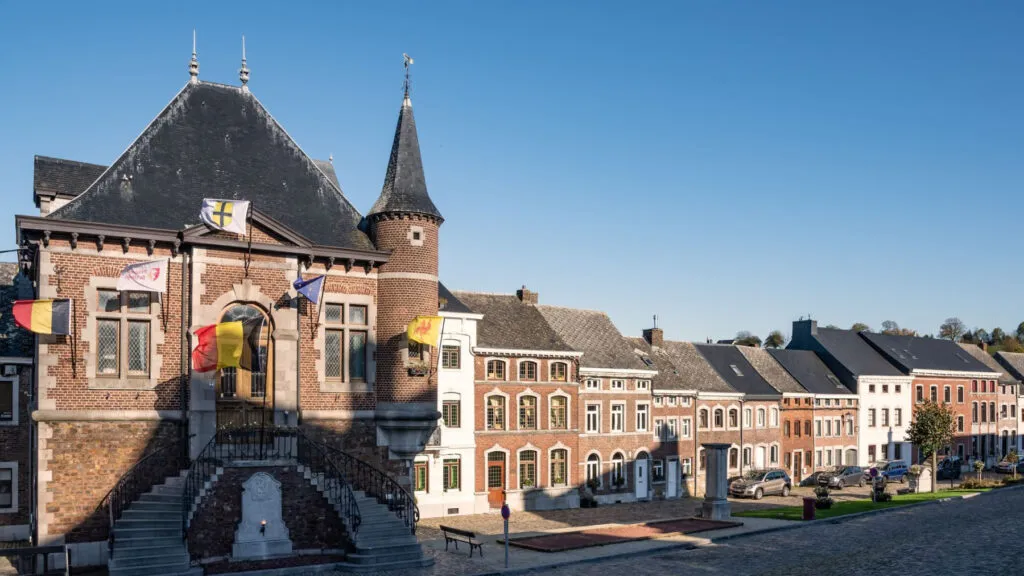
An hour and a half from Brussels, cows graze on damp meadows, cheese ripens in cellars, and an abbey founded...

A former British colony celebrates independence, and the guest is the British king. Behind the ad with a beach for...

A city 85% of which ended up as ash in the Second World War, and which today lives off beer...

Half an hour by ferry from Naples, between the Capri and Ischia everyone knows about. This is where Pérez-Reverte brought...
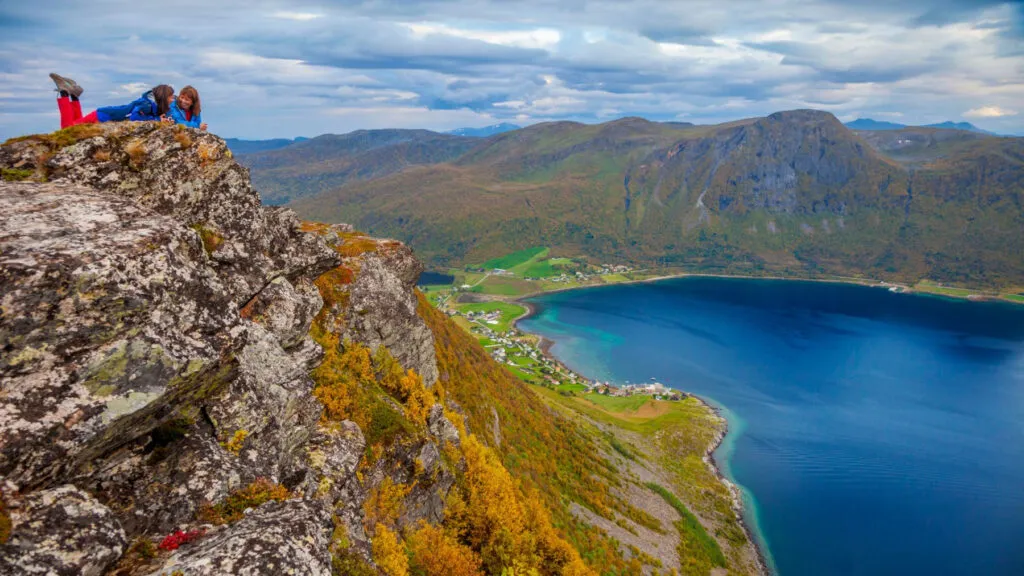
Captain Richard With launched it with two nautical charts, so the north could survive the winter. Today, in autumn, the...
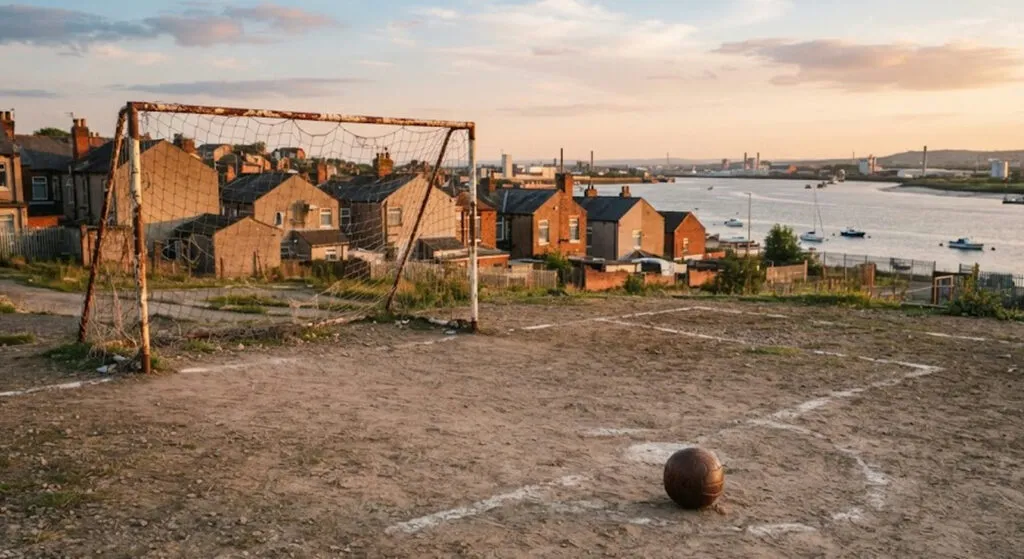
While collecting the Princess of Asturias Award in Oviedo, Messi once again said where home is. A route through La...

A castle, then a monastery, then the summer house of the Count of Arona: the Borromeo family has held the...

He came for a forum and stayed for the coffee. A plantation, a theatre and an eight-course dinner - a...
This site uses cookies - is that okay? Learn more
Be the first to know when Metla launches something new
Leave your email and we'll write to you when there's a new guide or something new on Metla.