

The Ambulance Service Gets 100 New Vehicles, but More Than 300 Staff Retire by 2030: Who Will Drive Them?
25.11.2026


25.11.2026

25.11.2026

25.11.2026
25.11.2026
25.11.2026
25.11.2026
25.11.2026
24.11.2026

23.11.2026

25.11.2026

25.11.2026

24.11.2026

25.11.2026

25.11.2026

25.11.2026

25.11.2026

24.11.2026

23.11.2026

25.11.2026

24.11.2026

23.11.2026

24.11.2026

23.11.2026

23.11.2026
25.11.2026

24.11.2026

23.11.2026

23.04.2026

23.04.2026

12.04.2026

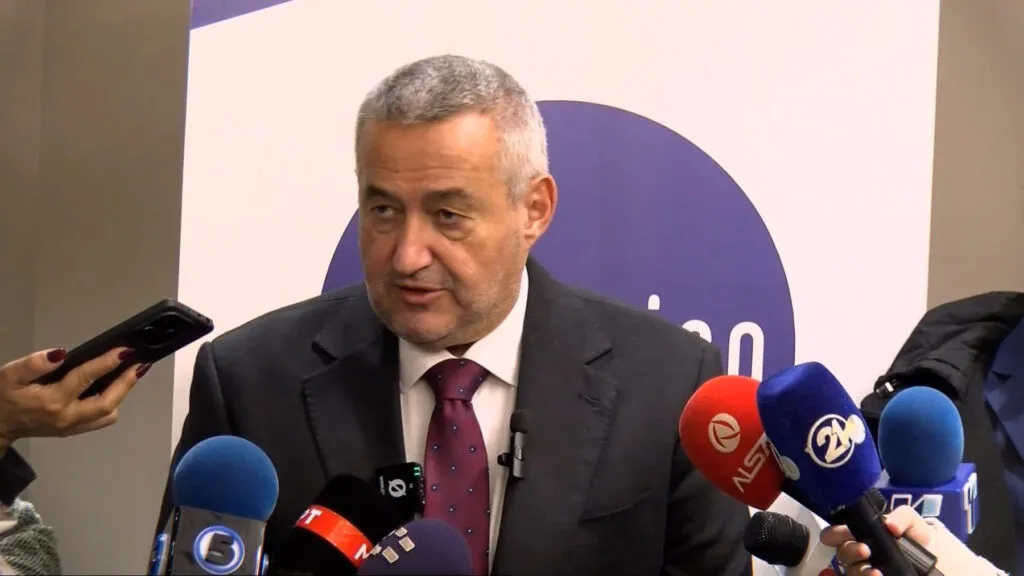
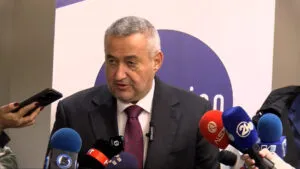
Health Minister Sasho Klekovski announced the reform of the emergency ambulance service after reading the comments. Under his post saying the attack on health workers should carry criminal liability, people didn't only write about the attack. They wrote about the waiting. "Waiting for hours. A vehicle without a crew. A call refused because the patient is elderly. A call refused because the patient is a cancer patient. The phone hung up. I read all of them. I'm not dismissing them," the minister wrote.
The trigger was Saturday's attack outside the "Jane Sandanski" polyclinic in Aerodrom. According to the information so far, a 41-year-old man sought medical help for his father, who had drunk antifreeze. The doctor judged that the condition wasn't life-threatening and referred them to the Toxicology Clinic. The argument ended with a physical attack by the father and son: the doctor and the nurse suffered head and body injuries. The son has been detained, and the father is hospitalised at Toxicology.
What the minister is promising
The government has adopted a plan for a stand-alone emergency medical centre in Skopje, with its own management, budget and planning. It's a pilot project that would later be rolled out in other cities. Next come national triage standards, so that the urgency of a call is assessed by the same criteria no matter which city the phone rings in. And a national dispatch centre, where every call and every team will be logged, and the nearest crew will be sent out.
The most important item sounds the most boring: for every call there will be a record of when it was received, what decision was made and on what basis. If that really works, "a call refused because the patient is elderly" will no longer be one person's word against another's, but a record that can be checked. Who will read those records, and whether they will be public, hasn't been said yet.
There are vehicles, there won't be enough people
One hundred new vehicles have been procured, which, according to the minister, will give the country 200 working ambulances. Another 50 are expected through the European Union's IPA III programme. But "a vehicle without a crew" was mentioned by citizens themselves, and the figure the minister put forward himself is heavier: by 2030, more than 300 emergency medical service staff will retire. The answer for now is talks with the Faculty of Medicine on a new profile, the paramedic, trained to give aid and care during transport. Talks, with no deadline in the statement.
Klekovski listed the open questions himself: the number of crews per shift, especially in Skopje, and who lifts the patient when there's nobody at home to help. "That's not a medical question, but it's a real question and I won't pretend it doesn't exist," he said. It's rare for a minister to publicly admit a hole in the system. Whether he closes it before the next retiree leaves the crew is another question.
Security, but not for every crew
On protecting health workers, the minister was clear: there will be stronger security at the most critical health facilities, but there won't be a police escort for every ambulance crew, because, as he put it, "we are not a police state". The nurses' association is calling for tougher security measures, and the Medical Chamber wants appropriate punishment for the perpetrators and concrete systemic measures for a safe working environment.
The minister set the bar himself: "The measure of success won't be in any post or any press release. It will be one thing: how long a person waits from the moment they call 194." A good measure. It's just that to measure progress, someone first has to say how long the wait is today - and that figure isn't in the announcement.
The latest 10 news from this category

A hundred and four police reports didn't stop the cows. Now the Municipality of Kriva Palanka itself is calling people...
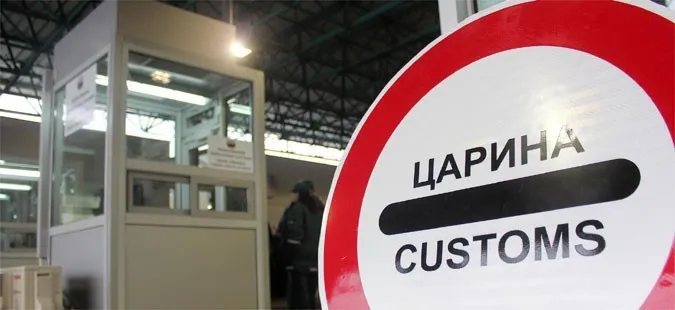
A hundred unmarked boxes hidden among the plastic. Customs caught the truck - but who it was driving for, nobody...

Two Albanian parties are arguing over which of them did more for the language. The decision on the bar exam...
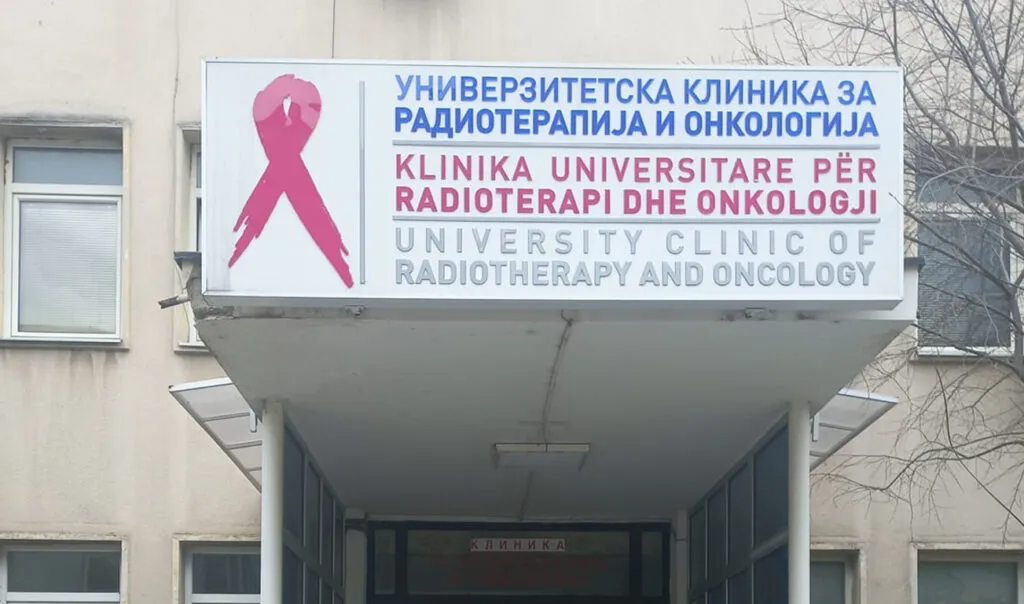
There's no paclitaxel at the Oncology Clinic. According to Levica, the minister and the clinic's director keep passing the blame,...
Students get 140 denars, the minister offers a new calculation and a survey, and the new model only from October...
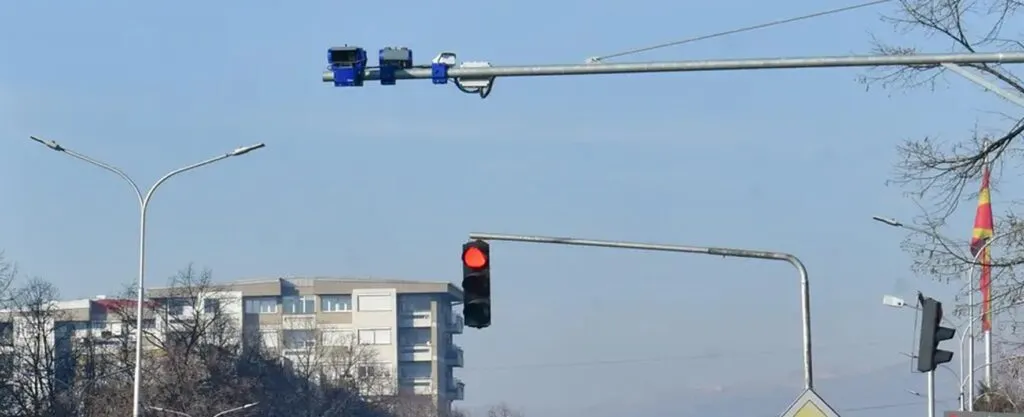
The Interior Ministry admits the system has to tell a parked car from a car stuck in traffic. When it...
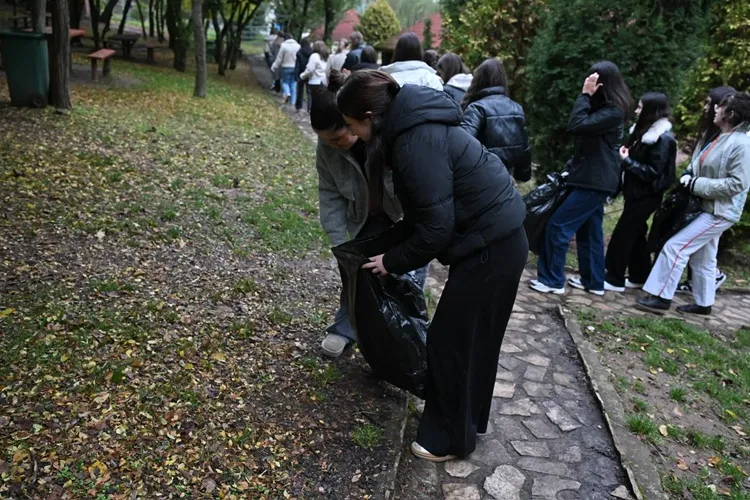
Gjorgjievski says: clean up with your neighbour, then look after it every day. A nice message, and it applies to...
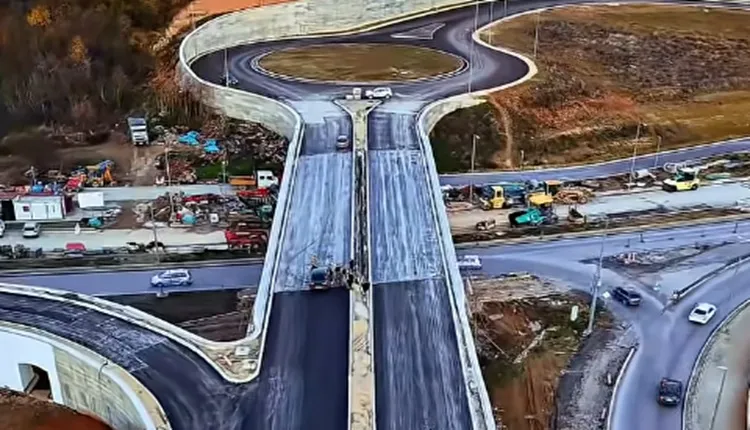
Gjorgjievski says he finished the expropriations and that one lane is already asphalted. How much it costs and when we'll...

The guides say they know the problems and have the solutions. What the problems are, the press release doesn't say...

Living kidney donation is now possible from the wider family. The rest of the Transplantation Law is stuck in inter-ministerial...
This site uses cookies - is that okay? Learn more
Be the first to know when Metla launches something new
Leave your email and we'll write to you when there's a new guide or something new on Metla.





