A Grave of Soil Outside the Interior Ministry for 59 Murdered Women: "Not One More" Gives MPs Until 10 December
26.11.2026


26.11.2026
26.11.2026
26.11.2026

26.11.2026

26.11.2026

26.11.2026

26.11.2026
25.11.2026
24.11.2026

26.11.2026

26.11.2026

25.11.2026

26.11.2026

26.11.2026
26.11.2026

26.11.2026

25.11.2026
24.11.2026

26.11.2026

25.11.2026

24.11.2026
24.11.2026

23.11.2026

23.11.2026

23.04.2026

23.04.2026

12.04.2026

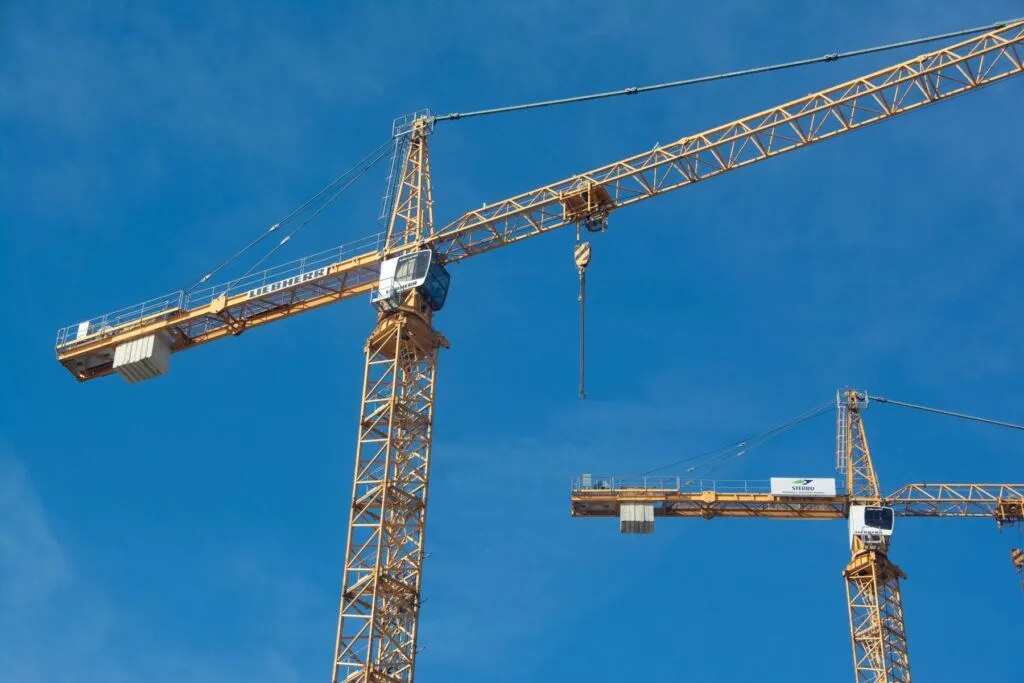
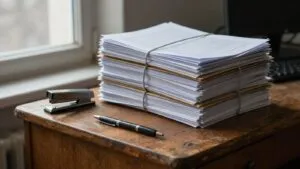
Photo: Jan van der Wolf Pexels, Pexels License
Over five years, from 2021 to 2025, public institutions signed 9,335 construction contracts worth 1.5 billion euros. Those contracts were amended 2,500 times. That's the figure behind the headline of the new research by the Center for Civil Communications: tenders "are awarded under one set of terms and carried out under another".
The pattern is familiar and needs little explaining. The tender is won with one price and one deadline. Then, as the work goes on, deadlines get extended, the value grows, and the scope and terms change. According to the research, this practice cancels out the whole point of a tender and raises the risk of collusion, corruption and abuse.
More money, less competition
The value of contracts grows year after year, but there are fewer and fewer bidders. In 2021 a tender drew five bids on average; in 2025, only three. The value of contracts awarded without competition, with a single bidder, rose three and a half times: from 38 million euros in 2021 to 141 million euros in 2025.
Over five years, ten construction firms won tenders worth around half a billion euros, almost a third of all the money spent on construction work. Among them are "Stenton Gradba" from Bitola, "Zhikol" from Strumica, "Ilinden" from Struga, "Granit", "Bauer BG", "Ju-Baj 2", "Bitem", "Lendi Grup" and "Zobek Mining" from Skopje, and "NB-Kompani" from Tetovo. The CCC calls that kind of concentration a red flag that calls for further scrutiny.
How does the circle get narrower? Through the conditions. Multiple and highly specific references, precisely pre-defined staff, exactly listed equipment, in-house laboratories, in-house asphalt and concrete plants. A tender that anyone can formally apply for, but that in practice only a handful can meet.
Who supervises the supervisors
The most awkward part is supervision. Just 10 companies account for 91 percent of the value of construction supervision contracts, and only two of them for over 61 percent. These are the firms that are supposed to confirm the contractor did the job properly. According to the research, supervision is increasingly reduced to formally signing off whatever is on the ground. Bank guarantees and contractual penalties are rarely used, and defects in completed works often show up soon after they are finished.
For a significant share of projects, even their status can't be determined with certainty, because the number of contracts signed and the number of completion notices in the electronic system differ widely. And one more detail: in election years, especially before local elections, the value of construction tenders is significantly higher.
Which ministry, which inspectorate or which prosecutor's office will read this research and open even one of those 2,500 annexes?
The latest 10 news from this category

No building permit unless at least 10% of the residential space goes to young couples. The measure doesn't cost the...
Since July 2024: 18 companies fined, 49,400 euros in penalties in total. One of the two firms now blocked made...

Over 200 guests, ministers, ambassadors and the World Bank in one room. The most concrete number at the forum came...
The court struck them down, Trump brought them back through a 1974 law. The highest rate goes to China, a...

The US regulator has given Musk the green light for satellites that will crunch numbers for artificial intelligence. Who will...

Among the accounts are 2.1 million minors. The only bidder is a Delaware firm founded on 13 November, and nobody...

A teddy bear that tells a child it's more fun than school and that it will keep their secrets. New...
As of yesterday, not one invited witness had confirmed they would come, and 95 percent of the bank is going...
Motorways, a railway to Bulgaria and wastewater treatment plants. Good that the yardstick is what gets built, not what gets...
Nvidia invested in Decart at a 4-billion-dollar valuation, and now watches it go to Amazon for almost twice as much....
This site uses cookies - is that okay? Learn more
Be the first to know when Metla launches something new
Leave your email and we'll write to you when there's a new guide or something new on Metla.