


It's October, and Macedonia Is Still Burning: 30 Fires in a Single Day, Five of Them at Landfills and Rubbish Dumps
09.10.2026


09.10.2026

09.10.2026

09.10.2026

09.10.2026

09.10.2026

09.10.2026

09.10.2026

08.10.2026

08.10.2026

09.10.2026

09.10.2026

08.10.2026

09.10.2026

09.10.2026

09.10.2026

09.10.2026

08.10.2026

07.10.2026

09.10.2026

09.10.2026

09.10.2026

09.10.2026

09.10.2026
08.10.2026

09.10.2026

08.10.2026

07.10.2026
08.10.2026

06.10.2026

05.10.2026

23.04.2026

23.04.2026

12.04.2026


In 2023 it was a research project at Berkeley: people compare the answers of AI models and vote, and the votes are turned into a leaderboard. Today Arena is worth 3.1 billion dollars (around 2.7 billion euros), after raising 200 million dollars (around 170 million euros) in a Series B round.
The jump is fast even by the standards of the AI fever. In January the company raised 150 million dollars at a valuation of 1.7 billion, when its annual revenue run rate was 30 million dollars. In June it announced it had reached 100 million. Ten months after the January round, the valuation has almost doubled. The new round is led by Lightspeed Venture Partners and Khosla Ventures, with Salesforce Ventures, a16z, Felicis, Dell Technologies Capital, 01 Advisors and Endeavor Catalyst also in.
The business model is worth a closer look. The leaderboard is free for ordinary users - the company says it has tens of millions of visitors a month. The money comes from the other side: since last September Arena has been selling AI labs and companies analytics on how their models fare with the public. So the labs whose models are ranked pay for the ranking data. Who, then, grades the grader?
The company is also opening a new category, for model "alignment". It measures whether a model takes actions without permission, falsely attributes sources and claims to have finished a task it hasn't actually finished. In the preliminary ranking a group of OpenAI models leads, Anthropic's Claude Opus 5.5 is sixth and Claude Fable ninth.
"Artificial intelligence is advancing faster than our ability to evaluate it, and static tests fail as soon as models realise they're being tested," the company says. An accurate diagnosis. Except that the whole industry's problem is now also the product of a company worth 3.1 billion dollars.
The latest 10 news from this category

Nine out of ten of the fund's investments are outside the US, and Europe got 12 new investments in six...

Their first idea had no future, so the three founders torched it. The second hit over a million dollars in...
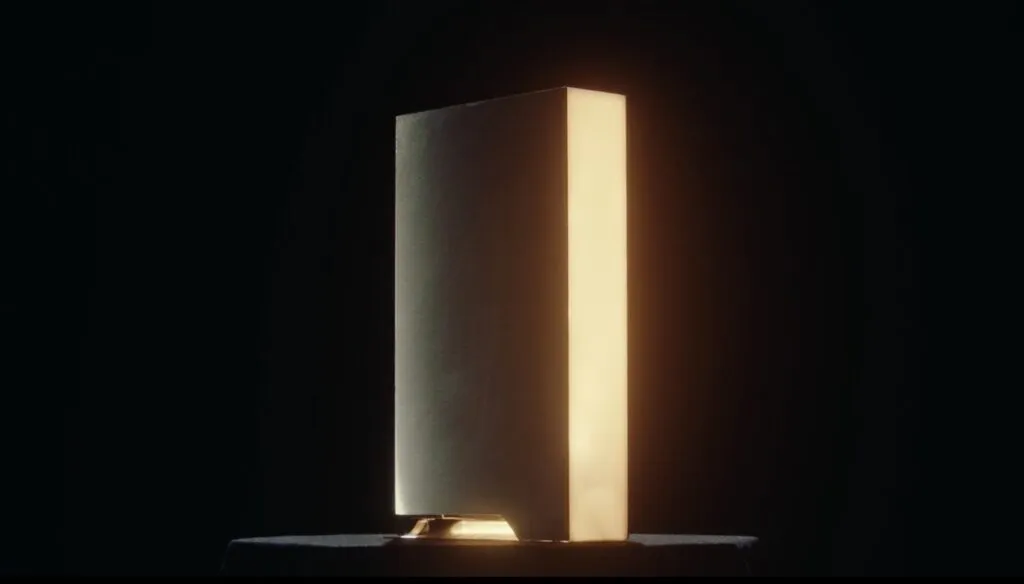
Andreessen Horowitz is leading the round, and the box promises your data stays with you alone and that it will...

Almost a billion dollars raised, a waiting list of 300,000 people and a check-up insurance doesn't cover. Preventive medicine, or...

The first third of the plant is switched on, the target is 100 megawatts, and the site could reach 4...

Expected revenue growth of 90 percent, 5.7 million paying members, 372 million dollars in the bank - and yet the...
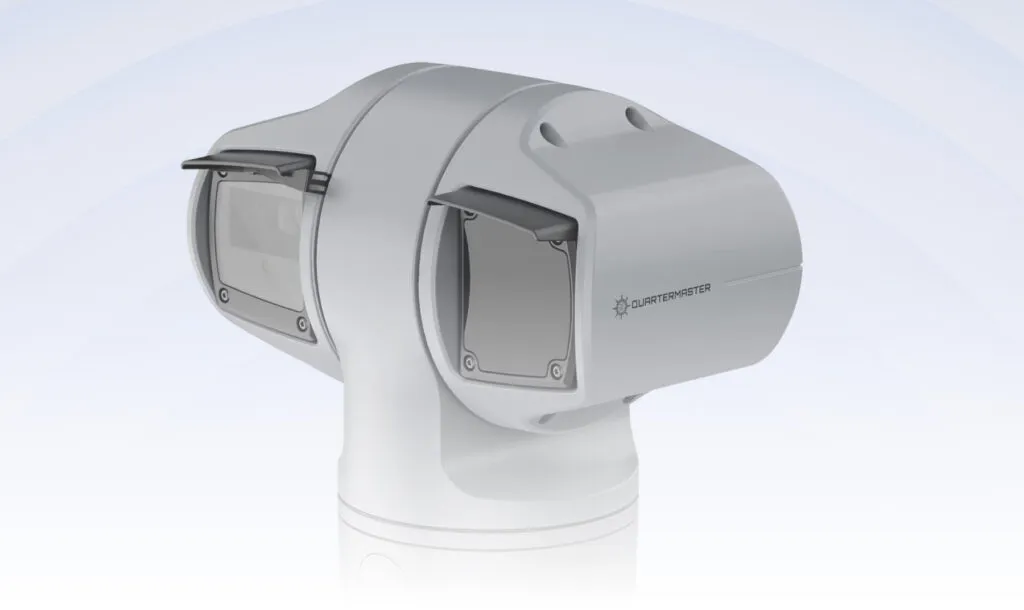
For decades, ships have reported only with a location signal. Now someone is putting eyes on the mast - and...
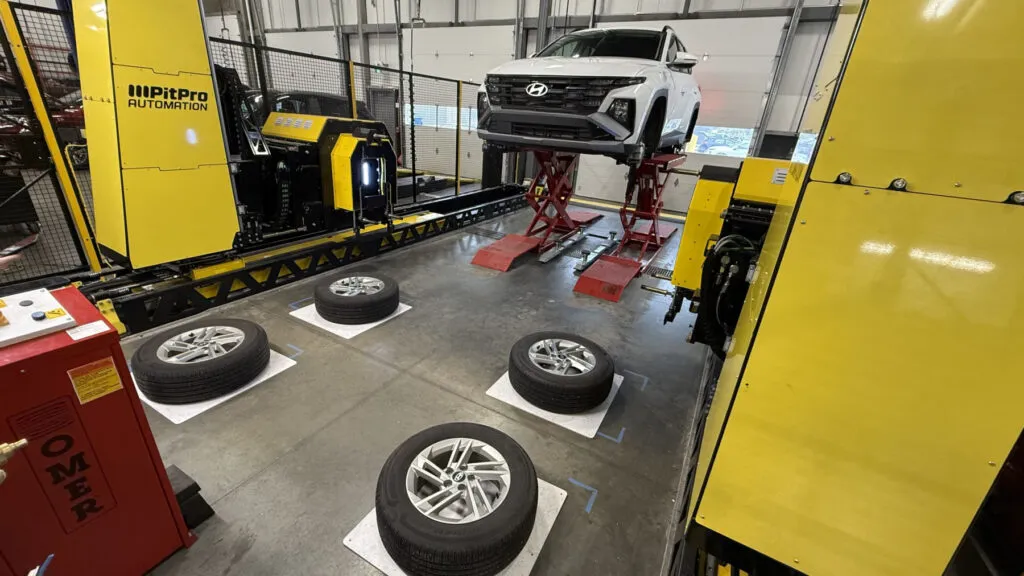
One manager had to ask for special permission to pay staff more after a fast-food restaurant across the street took...

A test that until now was done by elite athletes in labs is supposed to reach gyms, with no operator...
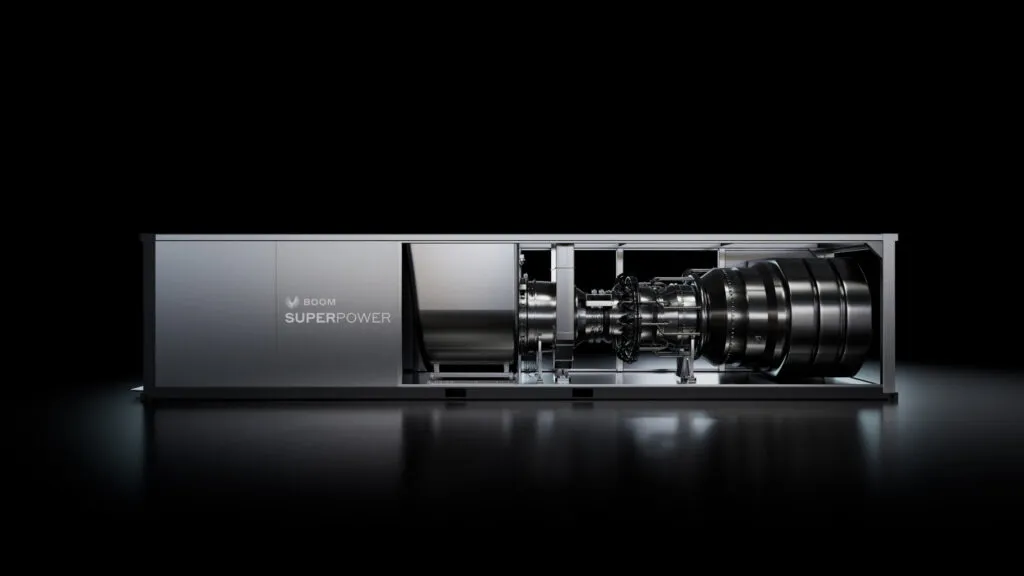
The supersonic jet maker wanted to fund its planes with electricity for data centres. Its launch partner walked away before...
This site uses cookies - is that okay? Learn more
Be the first to know when Metla launches something new
Leave your email and we will write when there is a new guide or something new on Metla.

