
Sixteen Arrests in Twenty-Four Hours, All for Drugs: The Police Are Working - But Where Are All These People Coming From?
20.09.2026


20.09.2026

20.09.2026

20.09.2026

20.09.2026

20.09.2026

20.09.2026

20.09.2026

20.09.2026

20.09.2026

20.09.2026

20.09.2026

19.09.2026

20.09.2026

20.09.2026

20.09.2026

20.09.2026

19.09.2026

18.09.2026

20.09.2026

20.09.2026

20.09.2026

20.09.2026

20.09.2026

20.09.2026

09.03.2026

27.02.2026

19.02.2026

20.09.2026

19.09.2026

18.09.2026

23.04.2026

23.04.2026

12.04.2026

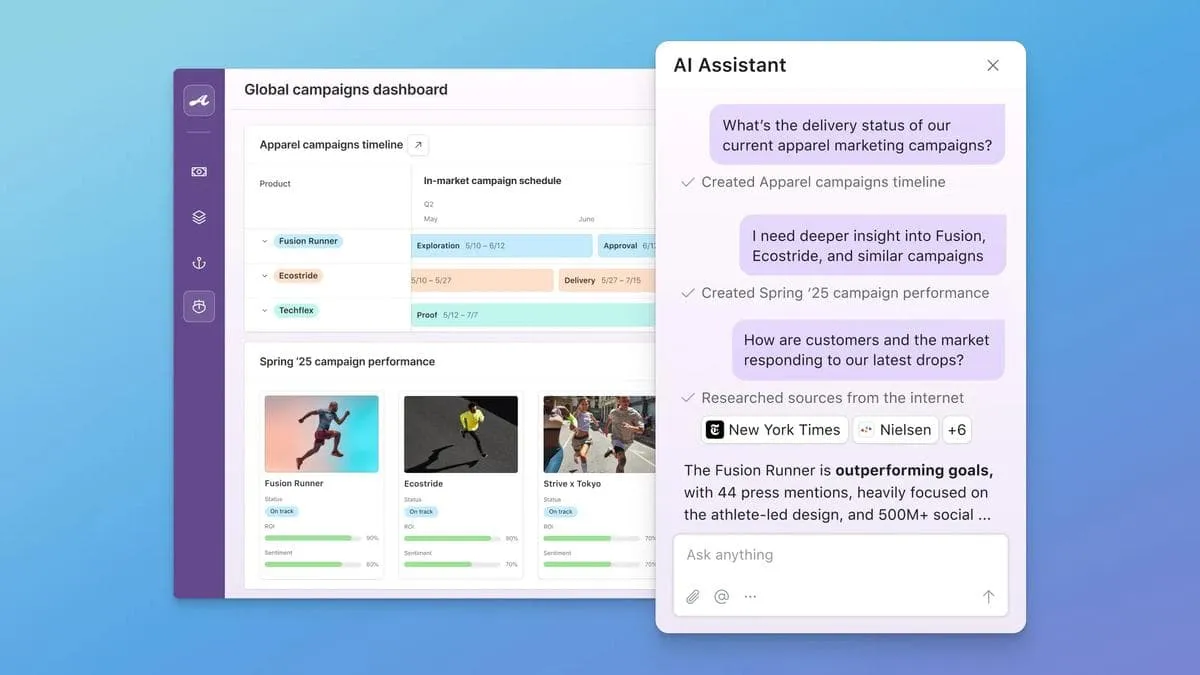
Italy's Bending Spoons is buying America's Airtable for 1.28 billion dollars (around 1.18 billion euros) in cash. This is the Milan firm's first acquisition since it listed last month at an estimated value of 18 billion dollars, and it describes its operating model perfectly.
Airtable was founded in 2013 and has so far raised over 1.4 billion dollars across multiple funding rounds. In 2021, when money was cheap and every spreadsheet tool looked like the next revolution, it was worth more than 11 billion. This year its shares traded on secondary markets at an implied value of 4 billion. The sale price is now 1.28 billion. So the company did not collapse - it simply returned to where it belongs once the enthusiasm evaporated.
And here is the number that makes the story more interesting than an ordinary decline. Airtable has annual recurring revenue of around 480 million dollars, growing at over 20 percent a year, and serves more than 500,000 organisations, including 80 percent of the Fortune 100. This is not a firm without customers. This is a firm that in 2021 was valued far above what the market was later willing to pay.
Luca Ferrari, the founder of Bending Spoons, packages it in a standard corporate sentence: „Airtable is a pioneering brand reshaping the way teams organise data.” What the firm actually does is better known: it buys companies trading below their private valuations, cuts staff, simplifies the products and forces them to run profitably. Evernote, WeTransfer, EventBrite, Vimeo - all went through the same machine.
This is a European firm collecting American software brands at a discount, which is in itself a different story from the one we usually hear about the relationship between Silicon Valley and Europe. The question left for the 500,000 organisations using Airtable is simpler: what exactly gets simplified next, and who notices first?
The latest 10 news from this category
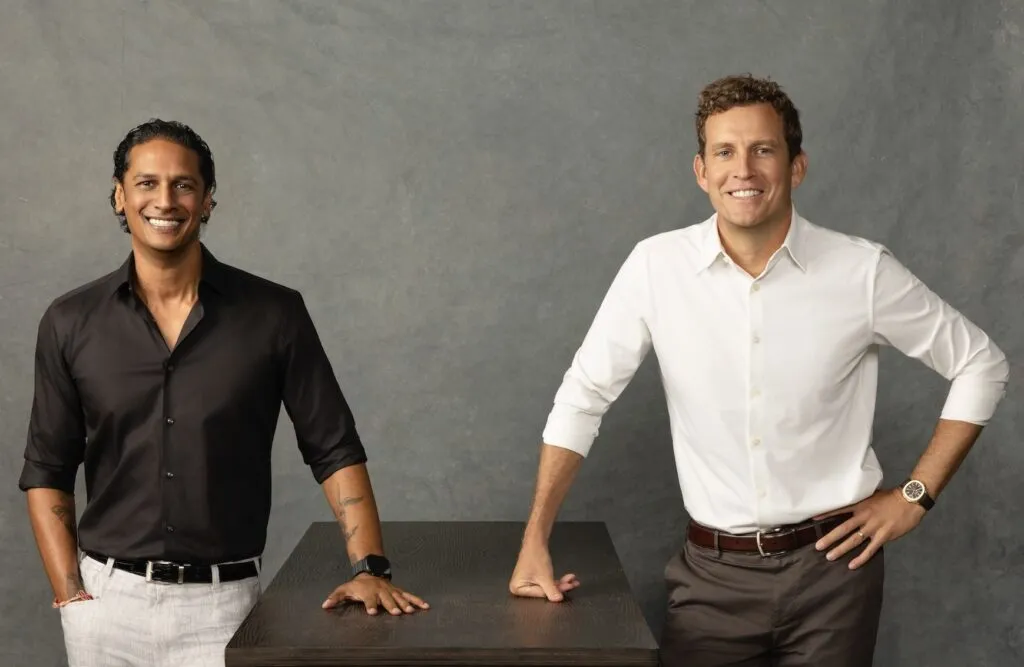
Porsche, Alaska Airlines and J.B. Hunt are not buying startups - they are commissioning them. When innovation moves inside the...

Sold for two billion, blocked by the state, bought back by its own investors - and now worth twice as...

An eight-year-old firm that started out mining crypto has tripled its value in ten months. It did not discover anything...

The price of uranium has jumped 75 percent in five years, and the list of countries that mine it reads...
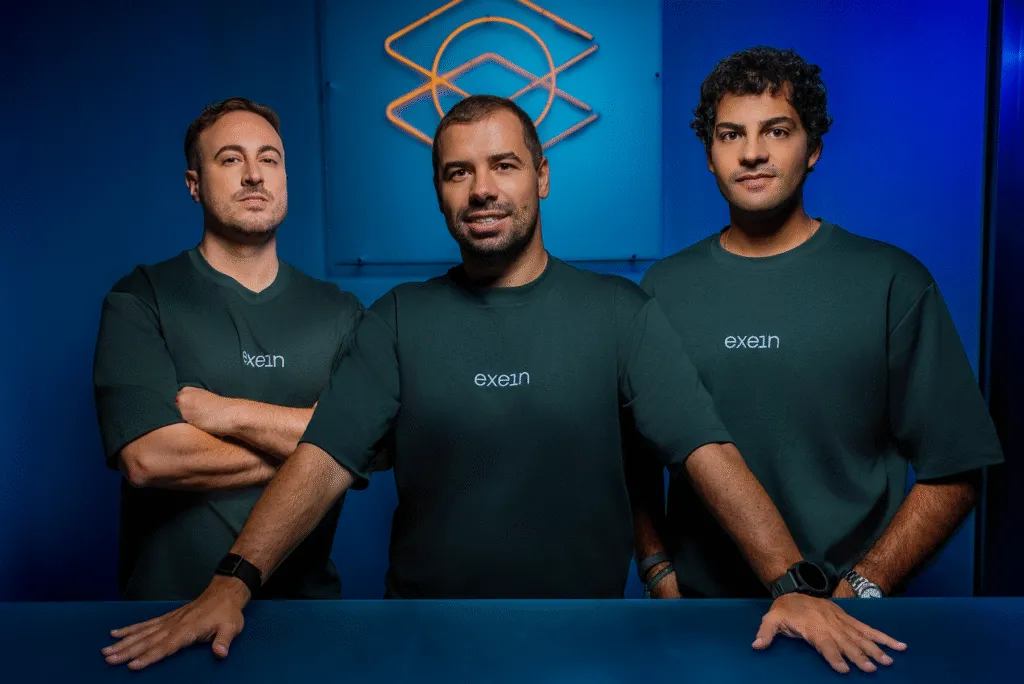
Exein raised 270 million dollars and its valuation jumped thirtyfold in two years. The European regulation coming into force in...
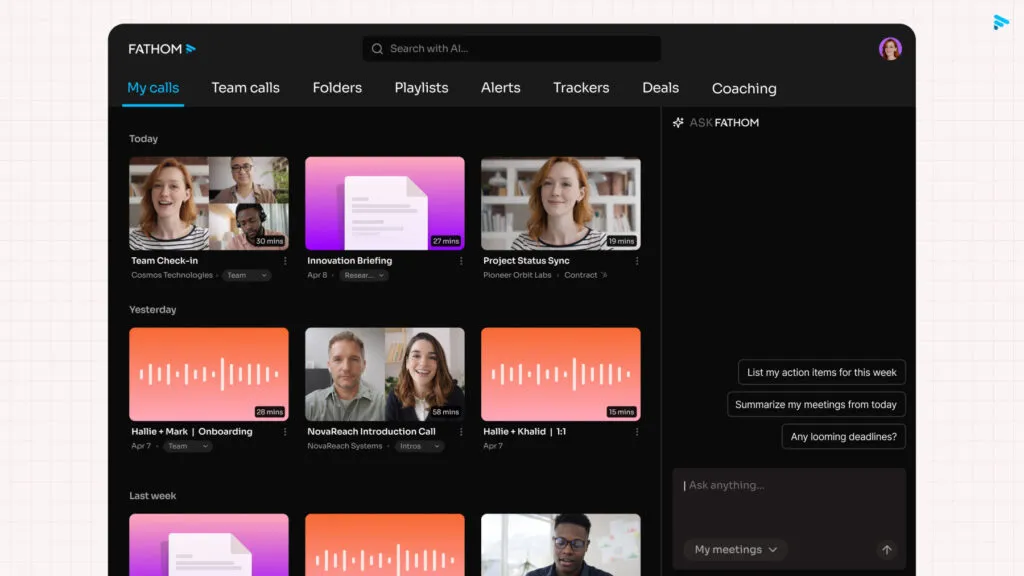
A startup valued at 94 million dollars changed hands, and both sides said openly what was being bought - not...
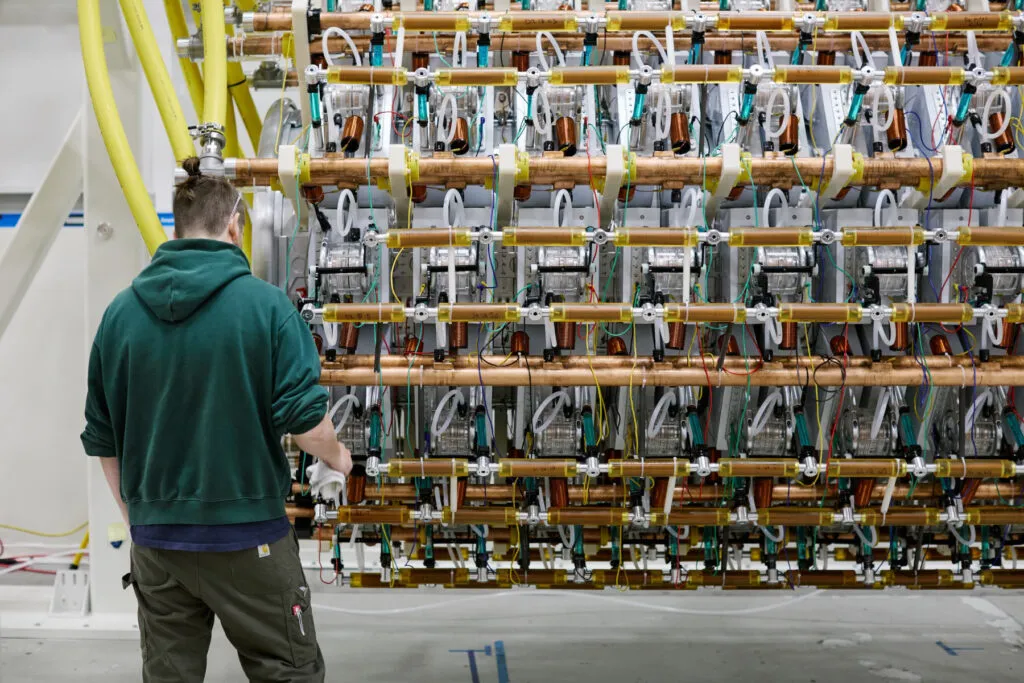
A technology sold for decades as the answer to the climate is now taking money from the defence industry. The...

The board voted, the founder kicked the administrators out of Slack and held out for three days. What does a...

Three months ago the company raised 60 million. Now it is worth almost ten times that, and its product is...

After Ohridska Banka, Sparkasse has gone after a second one. The approvals come from Podgorica, Belgrade and Frankfurt. The market...
This site uses cookies - is that okay? Learn more
Be the first to know when Metla launches something new
Leave your email and we will write when there is a new guide or something new on Metla.