

Two young men say police officers beat them while they were tied up: the investigation is being run by the Interior Ministry itself
10.10.2026


10.10.2026

10.10.2026

10.10.2026

10.10.2026

10.10.2026

10.10.2026

10.10.2026

10.10.2026

09.10.2026
10.10.2026

10.10.2026

09.10.2026
10.10.2026

10.10.2026
10.10.2026

10.10.2026

09.10.2026

08.10.2026

10.10.2026

10.10.2026

10.10.2026
10.10.2026

10.10.2026

09.10.2026

09.10.2026

08.10.2026

07.10.2026
10.10.2026

08.10.2026

06.10.2026

23.04.2026

23.04.2026

12.04.2026

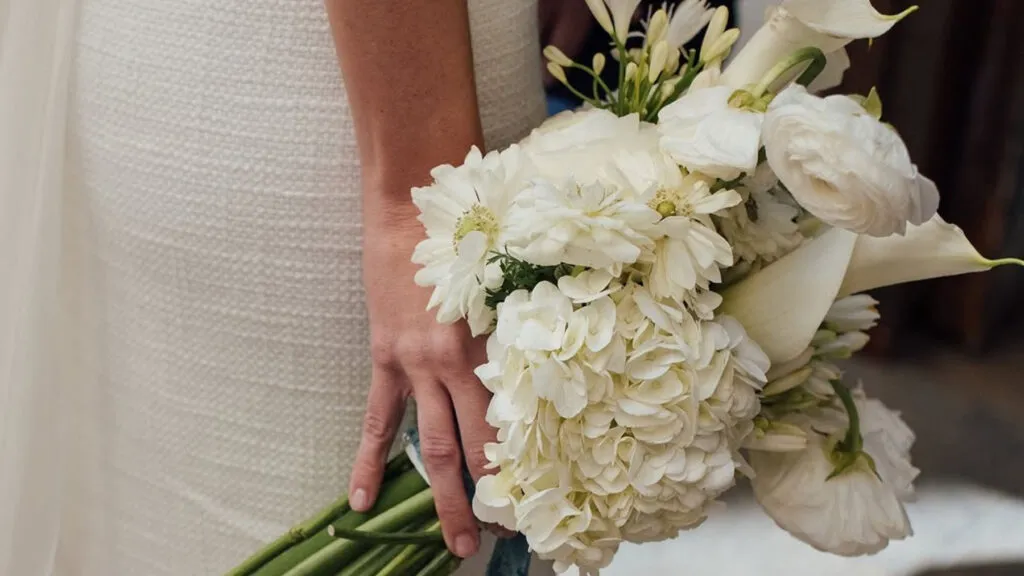
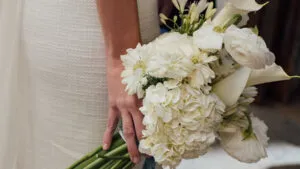
Today's bridal bouquet is a carefully chosen accessory: matched to the dress, photographed from every angle and posted on social media before the cake is cut. But its origins are far less romantic. The first bouquets were not supposed to be pretty - they were supposed to protect.
In ancient Greece and Rome, brides carried aromatic herbs, laurel and rosemary, believing they protected the marriage and attracted luck. In the Middle Ages these were replaced by garlic, strong-smelling herbs and spices - anything that smelled strong enough to drive away evil spirits and the evil eye. The bouquet was an amulet, not a decoration. Anyone who grew up in the Balkans, where garlic has long been seen as a guard against the evil eye, will recognise the logic straight away.
The change came in the Victorian era. Flowers got their own language - floriography - and every bloom carried a message. The bouquet became softer and more aesthetic, with fresh flowers matched to the dress. That was also when the white wedding dress spread, after the wedding of Britain's Queen Victoria in 1840.
The twentieth century changed the bouquet the way it changed hairstyles. At first bouquets were small, structured and white, then they became loose and colourful, and in the early nineties simplicity came back again.
Today the rule is that there is no rule. A personal touch is key, shaped by social media and the pandemic. This season one of the most sought-after plants is ornamental asparagus fern, and side by side stand minimalist single-stem bouquets, green and rustic arrangements and huge cascading compositions with unusual varieties.
But one thing stubbornly stays. Princess Diana, Kate Middleton, Meghan Markle, Nicky Hilton, Cindy Crawford and Isabeli Fontana all carried white bouquets. "White is the only colour that never goes out of fashion," say Lindsay and Alex of the Madrid florist Savia Bruta. White is timeless, works with every cut of dress and calms down bolder looks.
Maybe that is why today's bride, when she reaches for white flowers, is not just choosing a colour. She is choosing something that has outlasted every trend.
The latest 10 news from this category
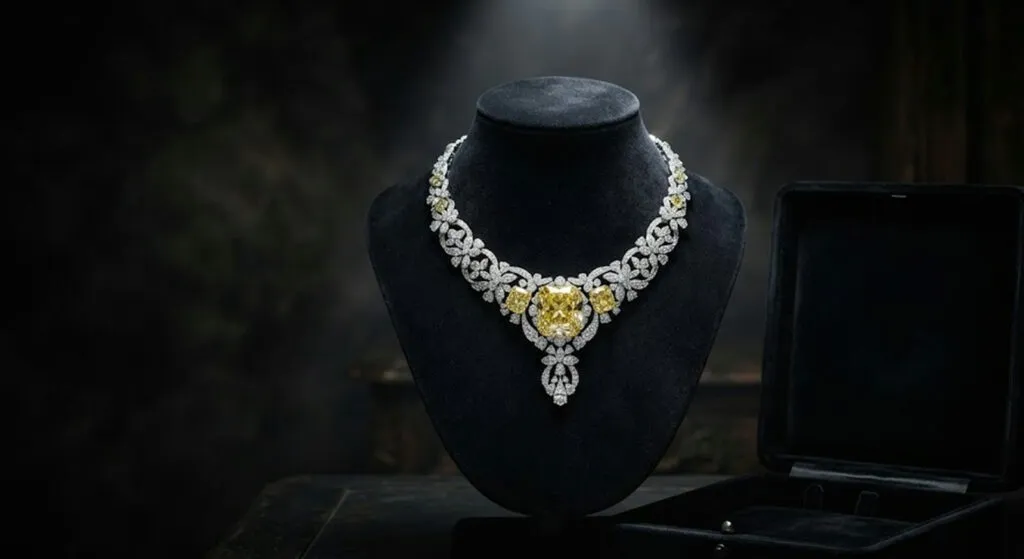
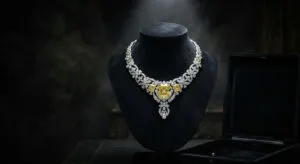
A 6-million-euro necklace, boots worth up to 30,000 euros, a Hermès bag that fetched 349,000 euros at auction. Stars wear...
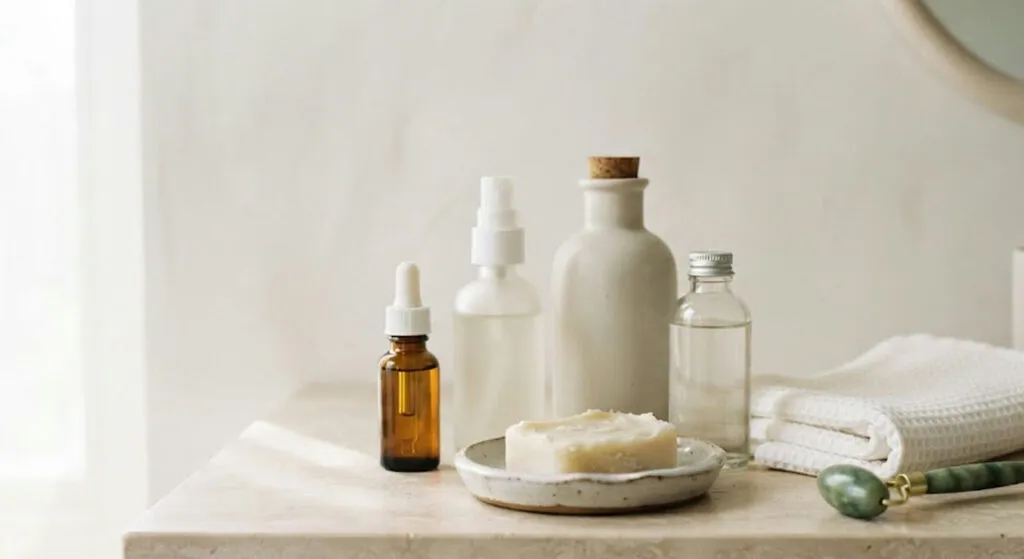
Blackheads and breakouts come from your evening routine more often than from a skipped treatment. Which facial suits which skin...
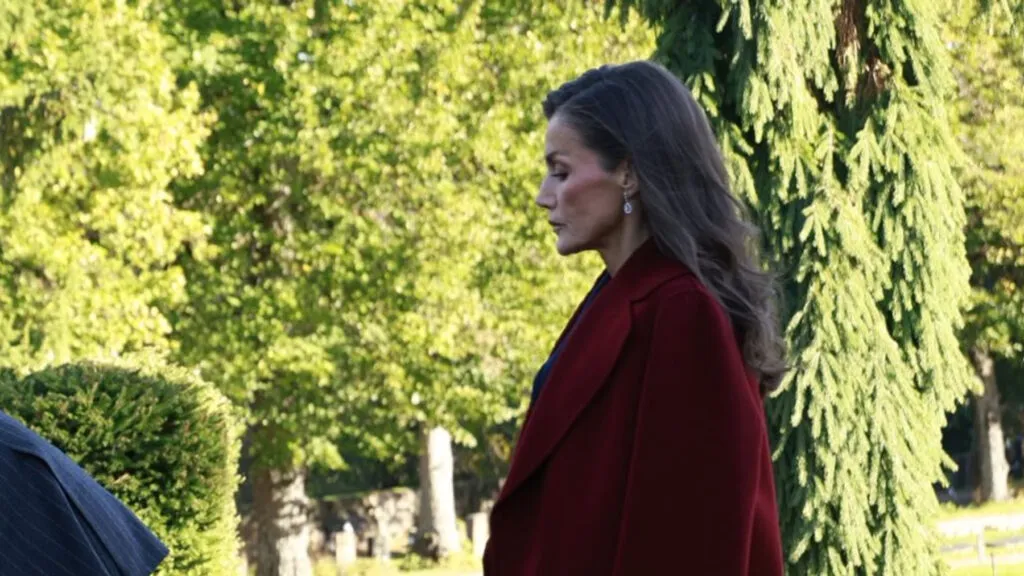
The coat fashion editors have declared this winter's trend, a brooch from her mother-in-law's jewellery and a 107-euro bag: a...
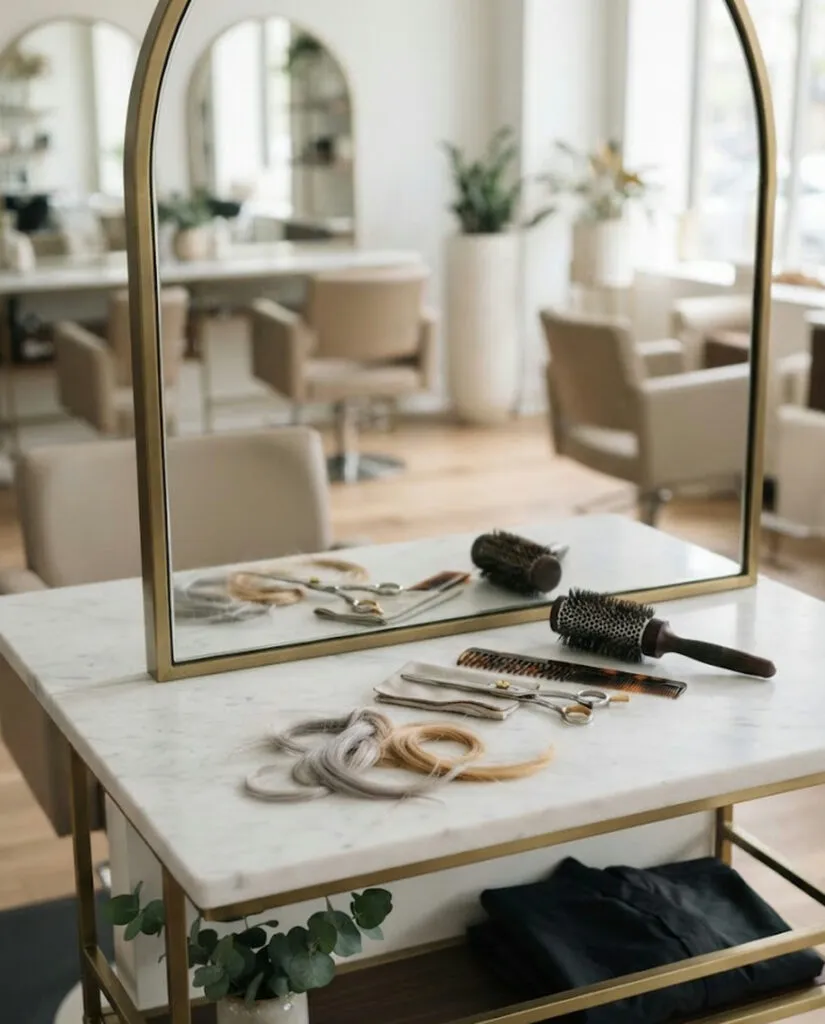
"At that age you cut your hair short" - a line hairdressers retired long ago. Four cuts that stay above...
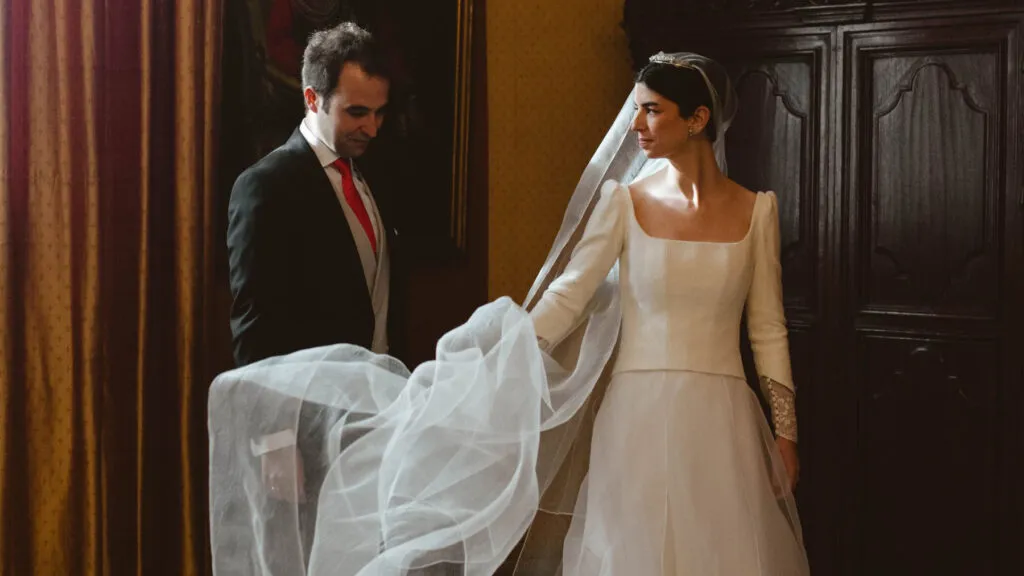
Grandma's silk pillow ended up as sleeves, her old bedspread in the dress, and a bracelet on the bride's head....
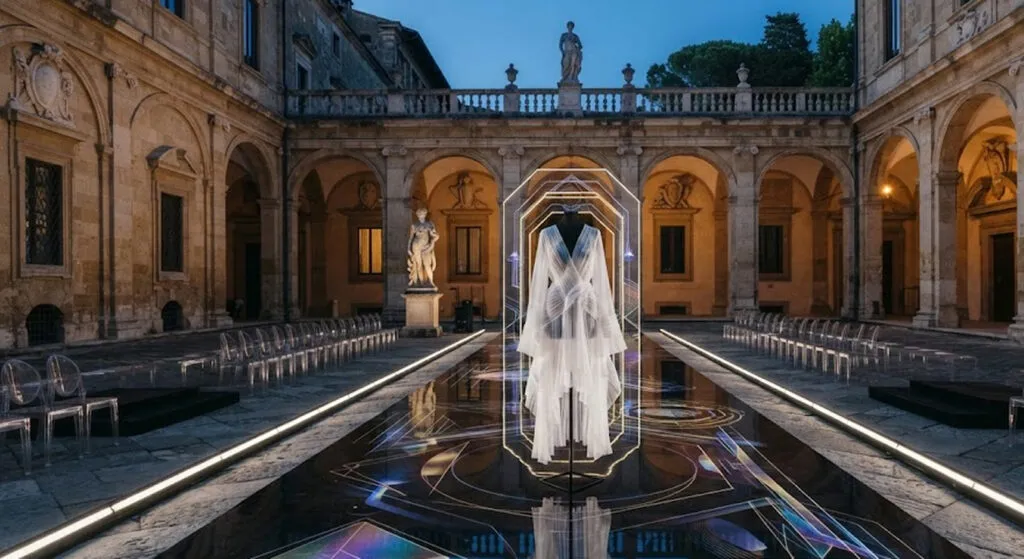
In the courtyard of the Louvre, Nicolas Ghesquière dressed women for cities that keep heating up: sheer layers, gauze and...

Mouth breathing, a head bent over the phone, and make-up left on overnight. Three of the four fixes cost nothing...
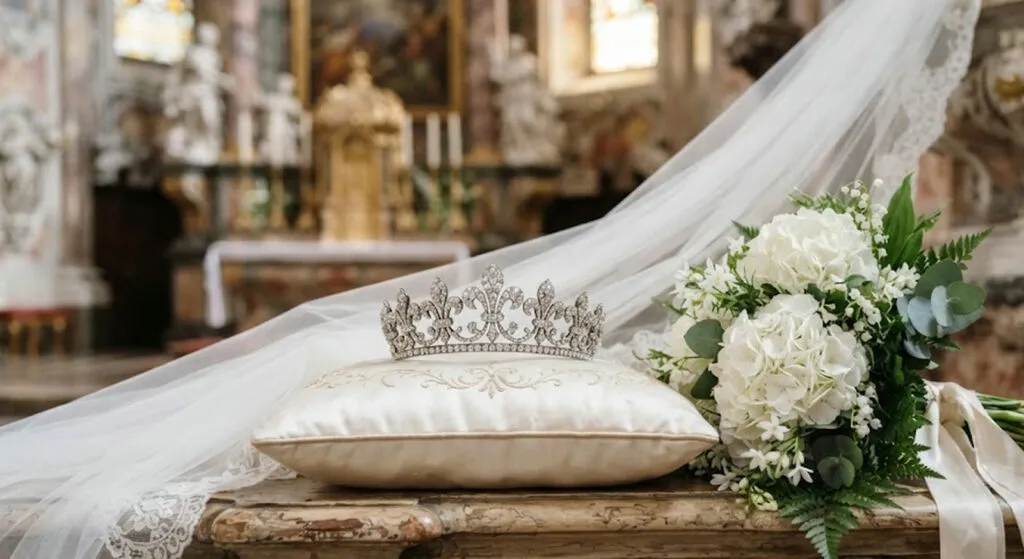
A republic for more than a century, yet in Mafra - a tiara from 1887, a gown just like her...
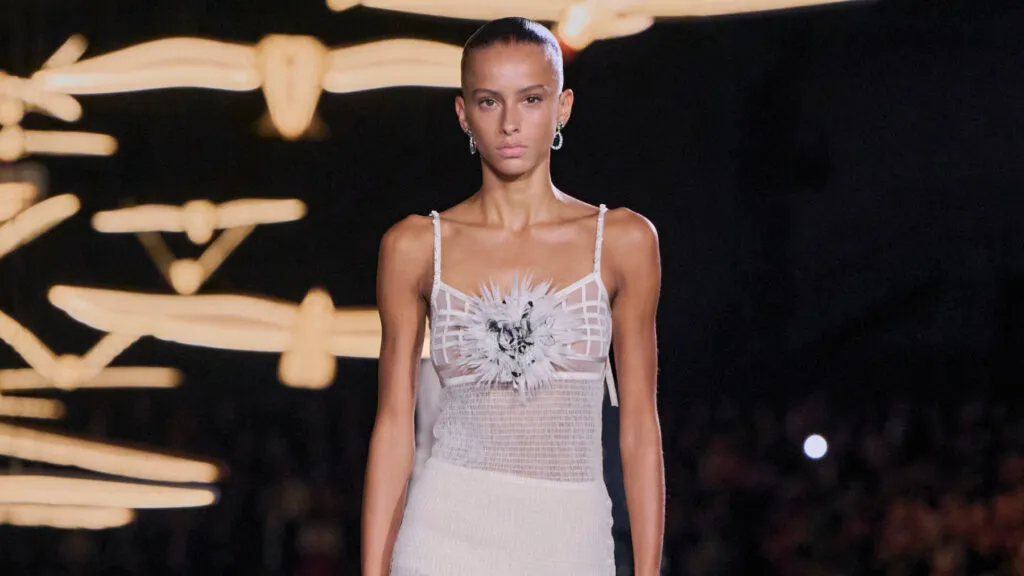
At the Grand Palais, with Gabrielle Chanel's own 2.55 bag on the runway, Blazy talked about freedom. Sequins you wear...
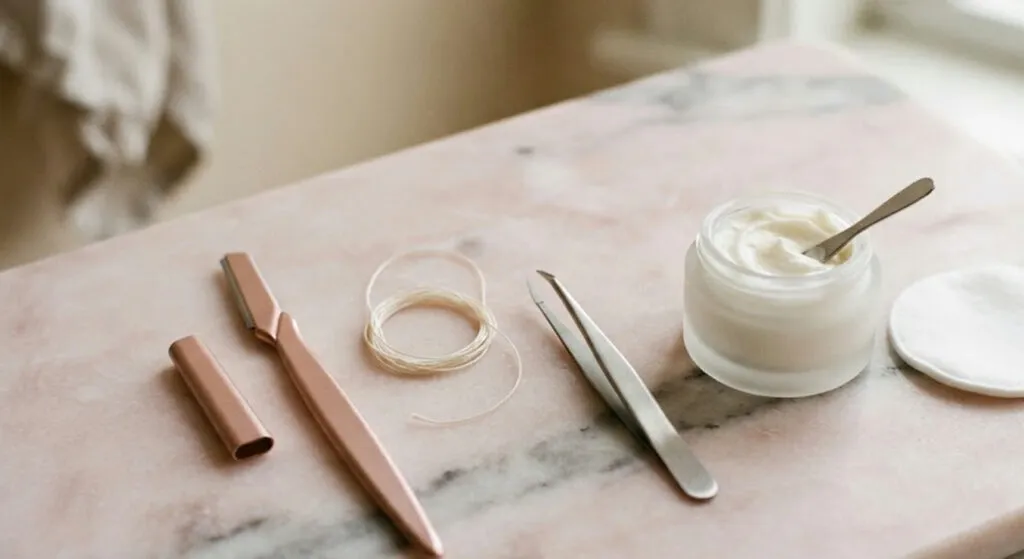
What works on your legs can become a risk on your face. Threading, razor, electrolysis or laser - the choice...
This site uses cookies - is that okay? Learn more
Be the first to know when Metla launches something new
Leave your email and we will write when there is a new guide or something new on Metla.

