

Prilep: 37 searches, a safe deposit box with over 50,000 euros and four police officers under suspicion - how did the "untouchables" last 15 years?
03.10.2026


03.10.2026

03.10.2026

03.10.2026

03.10.2026
03.10.2026

03.10.2026

03.10.2026

02.10.2026

02.10.2026

03.10.2026

03.10.2026

02.10.2026

03.10.2026

03.10.2026

03.10.2026

03.10.2026

02.10.2026

01.10.2026

03.10.2026

03.10.2026

03.10.2026

03.10.2026
02.10.2026

01.10.2026

09.03.2026

27.02.2026

19.02.2026

03.10.2026

02.10.2026

01.10.2026
02.10.2026
22.08.2026

20.08.2026

23.04.2026

23.04.2026

12.04.2026

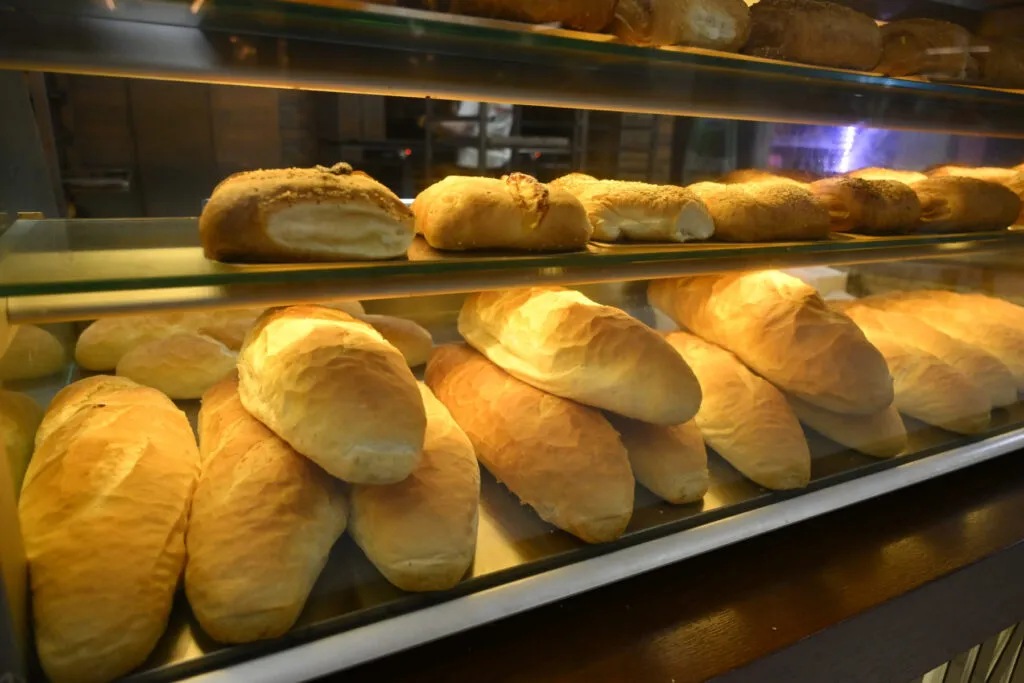
Wheat on the world market rose 6.3 percent in September compared with August, reaching its highest level since August 2023, according to the latest report from the UN Food and Agriculture Organization (FAO). Sugar went up 6.1 percent, maize 5.6 percent, rice 1.4 percent and vegetable oils 0.9 percent.
The FAO's overall food price index stood at 136 points in September - 1.5 percent higher than in August and 5.8 percent higher than a year ago. Food on world markets is now at its most expensive since November 2022.
Why prices are rising
The causes are far away but familiar: logistics problems in the Black Sea region, dry weather in parts of North America ahead of sowing, and uncertainty over shipping through the Strait of Hormuz. "If they persist, these pressures will soon pass through to retail food prices, especially in countries dependent on food and energy imports," warns FAO chief economist Máximo Torero.
Meat got 1.1 percent cheaper, while dairy stayed almost unchanged. On the other hand, the FAO expects world cereal trade to fall 3.5 percent this year, to 505.8 million tonnes.
And bread?
So far there is no confirmed announcement of a general price rise from domestic producers. Bakers say stock bought at lower prices is helping them absorb costs, but some of them were already warning this summer that they are finding it harder and harder to hold current prices. A 6.3 percent rise on the commodity exchange doesn't automatically mean the same rise for a loaf in the shop - the final price depends on contracts, stocks and other costs.
But stocks aren't endless, and the FAO itself says the hardest hit will be countries that import food and energy. Is anyone in the government already working out what that means for us - or will we once again find out from the price list at the bakery?
The latest 10 news from this category

Since spring there has been talk of four hours of cheap daytime tariff and a cheap Saturday. A final decision...
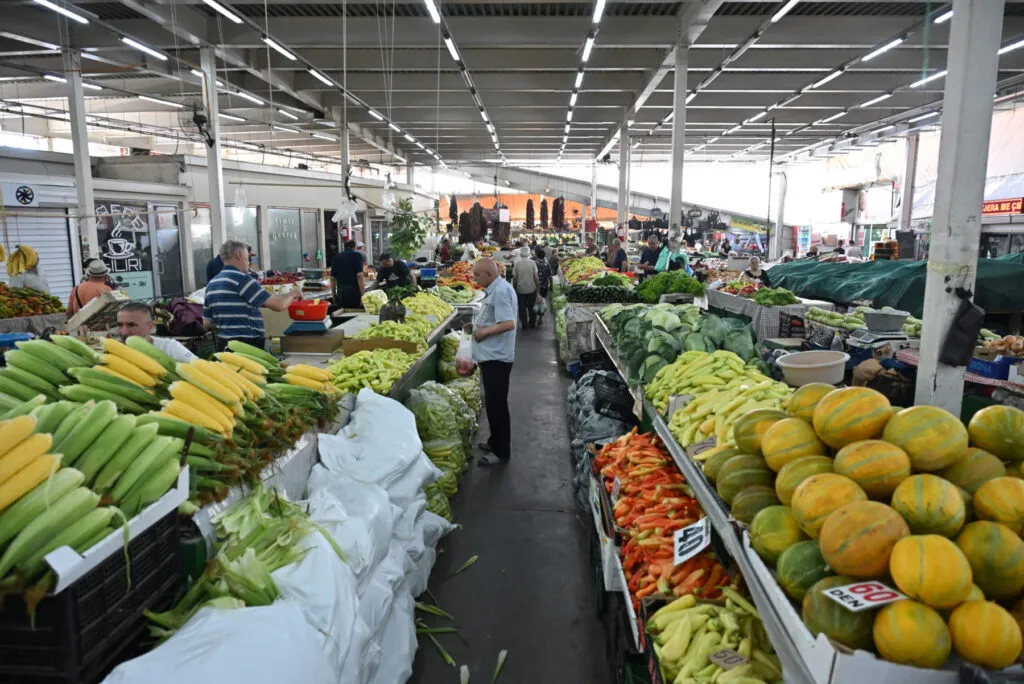
A register of buyers, written contracts, certified scales and fines scaled to company size. The question that remains is who...

A setting created for backups now hands AI agents the keys to the whole computer - messages, mail, browsing history....

The cheaper SUV lifted deliveries by around 45 percent. Since June it has had two recalls, the latest over battery...

Some MyChart settings reportedly allowed outsiders to access records without leaving a single trace in the logs. Few companies stop...

Proposed changes to the Housing Law set a new deadline at the end of 2027 and a precise date for...
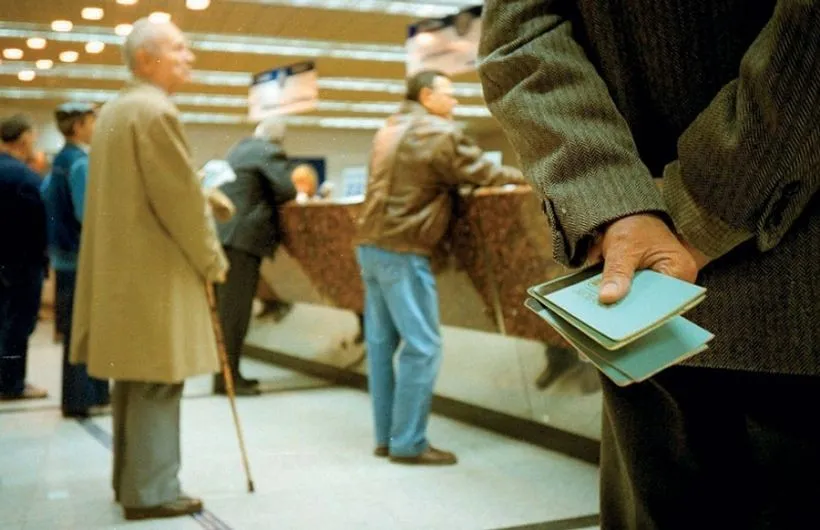
Of 349,334 pensioners, 98,318 receive the minimum pension - between 20,288 and 23,945 denars. Their pensions are still calculated off...
Eight months in, growth in industrial production has melted down to 0.6 percent. Machinery, car parts and electrical equipment are...

OpenAI says the three broke rules on confidential information. It comes two days after it emerged that leadership had ignored...
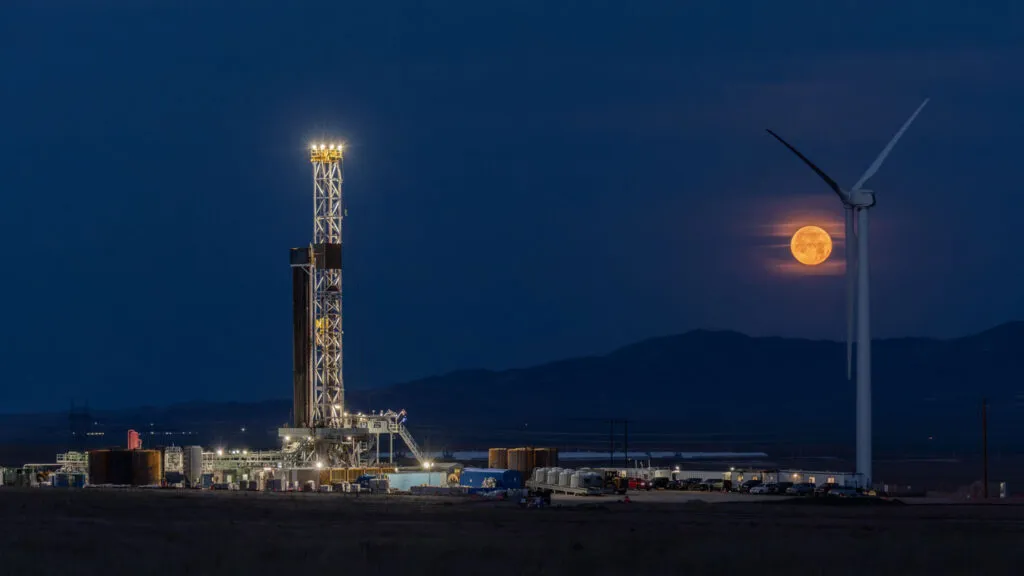
The first third of the plant is switched on, the target is 100 megawatts, and the site could reach 4...
This site uses cookies - is that okay? Learn more
Be the first to know when Metla launches something new
Leave your email and we will write when there is a new guide or something new on Metla.