The "Pulse" Trial: Prosecution's Expert Calls the Defence's Expert Report "Professional Self-Disqualification"
12.11.2026


12.11.2026

12.11.2026

12.11.2026

12.11.2026

12.11.2026
12.11.2026

12.11.2026
11.11.2026

06.11.2026

12.11.2026

12.11.2026

11.11.2026

12.11.2026

12.11.2026

12.11.2026

12.11.2026

11.11.2026

06.11.2026

12.11.2026

11.11.2026

11.11.2026

12.11.2026

11.11.2026

11.11.2026

12.11.2026

11.11.2026

11.11.2026

23.04.2026

23.04.2026

12.04.2026

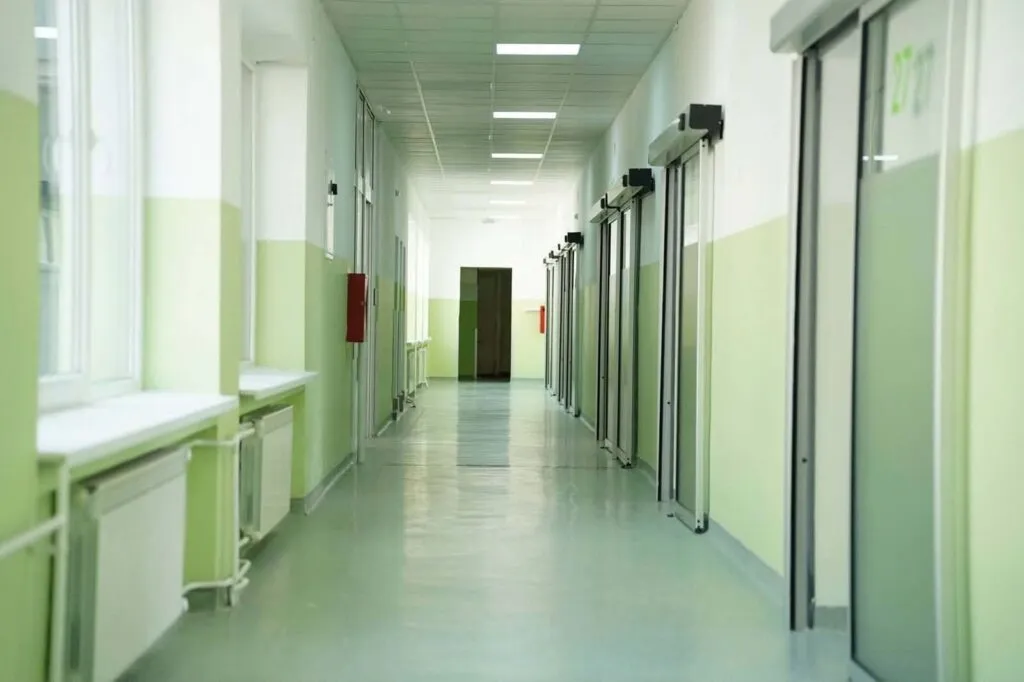
In a single week, the number of people with flu and flu-like illness in Macedonia rose by 90.2 percent. Between 26 October and 1 November, 116 cases were registered, compared with 61 the week before, according to the weekly report of the Institute of Public Health. That's 23.4 percent more than the same period last year, and 64.1 percent above the average of the last 16 seasons.
Most of the new cases were reported in Tetovo, Kumanovo and Skopje. The largest group, 84 people, are aged 15 to 64, 25 are over 65, and seven are children aged five to 14. The epidemic threshold hasn't been reached yet: the incidence is 6.3 cases per 100,000 inhabitants, below the 7.32 limit.
The vaccine is here - for some
Vaccination began on 21 October, but some of those who signed up are still waiting for an appointment. The Health Ministry says 30,000 vaccines have arrived so far, with two more shipments of 26,000 and 30,000 doses expected. Priority goes to people over 65 and the chronically ill, and around 45,000 of them have registered. The maths is simple: 30,000 doses for 45,000 people from the front of the queue alone.
"Realistically there's no delay, only prioritisation of the most vulnerable," the ministry replied curtly.
Anyone who wants to buy a vaccine themselves has nowhere to go. According to the ministry, not a single bidder applied to the Public Health Centre's tender for commercial vaccines. So in the middle of flu season, you can't get a vaccine free on time, and you can't get one for money either.
Patients are already filling up doctors' surgeries. More and more people are arriving at the Emergency Centre in Kumanovo in a worsened condition. Dr Nikola Stefanovski lists fever, muscle and joint pain, a blocked nose and sore throat, and for asthmatics and the chronically ill, difficulty breathing. Kumanovo and neighbouring municipalities have been allocated 1,600 doses, and protection takes about two weeks after vaccination.
Doctors repeat the old advice: wash your hands, air your rooms, avoid close contact with sick people, sleep and rest. Good advice. But when the vaccine tender gets no bids right in flu season, who is responsible for that - the virus or the planning?
The latest 10 news from this category

The new national award goes to the municipalities that best meet their obligations under the Law on Youth Participation. In...

The debt is three years old, the reminders have gone out, and the next step is an order freezing bank...

Four individuals and three organisations received this year's November Awards from Kumanovo Municipality, on the day the city marked its...

She claims 70 to 80 percent of the land is private and that she has the right to set the...

The mayor says the cable car went almost a decade without the major servicing it needed. There's no opening date...

The pupils on Vodno gave a lesson in responsibility. If volunteers are cleaning the city every two weeks, what are...

The pit around a new building near "Jane Sandanski" was being filled with waste instead of proper material. Action only...

Македонија – држава во која сите знаат кој е виновен, а никој не знае што навистина се случува! Во Македонија...

The minister says string-pulling stopped after his "furious reaction". So far, the only proof of that is his word, and...

A design competition in 2020, a "completed first phase" in 2024, overgrown paths in 2025. In November 2026 the city...
This site uses cookies - is that okay? Learn more
Be the first to know when Metla launches something new
Leave your email and we'll write to you when there's a new guide or something new on Metla.