
The "Pulse" Trial: Prosecution's Expert Calls the Defence's Expert Report "Professional Self-Disqualification"
12.11.2026


12.11.2026

12.11.2026

12.11.2026

12.11.2026

12.11.2026
12.11.2026

12.11.2026

11.11.2026

06.11.2026

12.11.2026

12.11.2026

11.11.2026
12.11.2026

12.11.2026

12.11.2026

12.11.2026

11.11.2026

06.11.2026

12.11.2026

11.11.2026

11.11.2026

12.11.2026

11.11.2026

11.11.2026

12.11.2026

11.11.2026

11.11.2026

23.04.2026

23.04.2026

12.04.2026


The fitness industry loves selling us memberships, machines and hour-long programmes. Trainers say something much cheaper: after 50, stepping up and down a single step is one of the most useful exercises for your legs, for stamina and for staying independent in old age.
The reason is practical. Strong legs mean getting up from a chair without grabbing the table, carrying the bags home from the market and climbing to the third floor without stopping on every landing. Muscle mass and strength naturally decline with age, and a sedentary life speeds that decline up even more.
Daniel Galindo, director of experience and innovation at the Spanish gym chain VivaGym, explains that stairs are an excellent exercise for the lower body, whether you climb slowly or run. With every step, the main work is done by the quadriceps, the glutes and the calves, while the hip stabilisers and abdominal muscles keep the body steady. The bonus is your heart: you are working the cardiovascular system at the same time.
How to start at home. If you don't have stairs, a low, sturdy, non-slip step is enough. Step up with one leg, bring the other one up, then step down in a controlled way and switch the leading leg. For people without mobility problems, a starting dose is 8 to 10 reps per leg, a rest, then two to three sets. Put your whole foot down on the step, keep your torso upright, no sudden pushing off. If you need support, hold the railing - that is part of the technique.
Speed is not the measure of success. You don't have to run to benefit: especially after 50 or after a long stretch without exercise, start slowly and watch your form. Increase the effort gradually - a faster pace, more floors or more rounds - and don't skip the rests between sets. If you train on several floors, walk down instead of taking the lift, so your pulse settles gradually. Keep in mind that going down takes control and loads the knees, so this advice has to be adapted to each person.
Trainers don't hide two things. First, stairs don't fully replace strength training, they are a good complement - and for balance in particular, they should be combined with other adapted exercises, especially if walking is already unsteady. Second, if you have balance problems, knee pain or limited mobility, talk to a professional first. One step won't change your life overnight. But is there a cheaper way to keep the legs that carry you through it?
The latest 10 news from this category
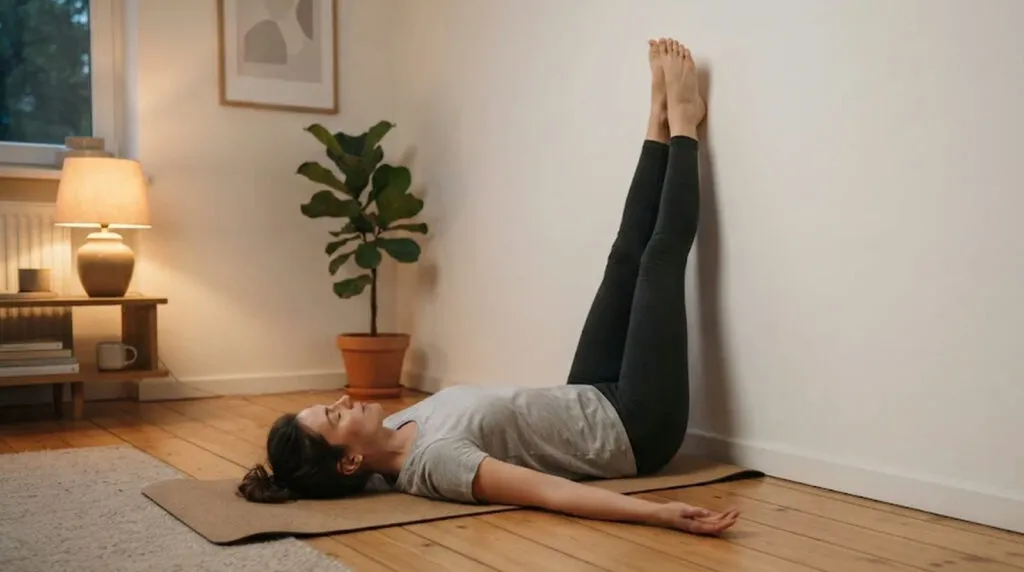
For a few minutes gravity works for you - and that's it. Physiotherapist Víctor Jiménez Aransay explains how long to...

A recipe born from the rule that you never throw bread away. Spain turned it into a winter classic, and...

A dish born from cheap ingredients and potatoes left over from lunch. It is made in a frying pan, and...
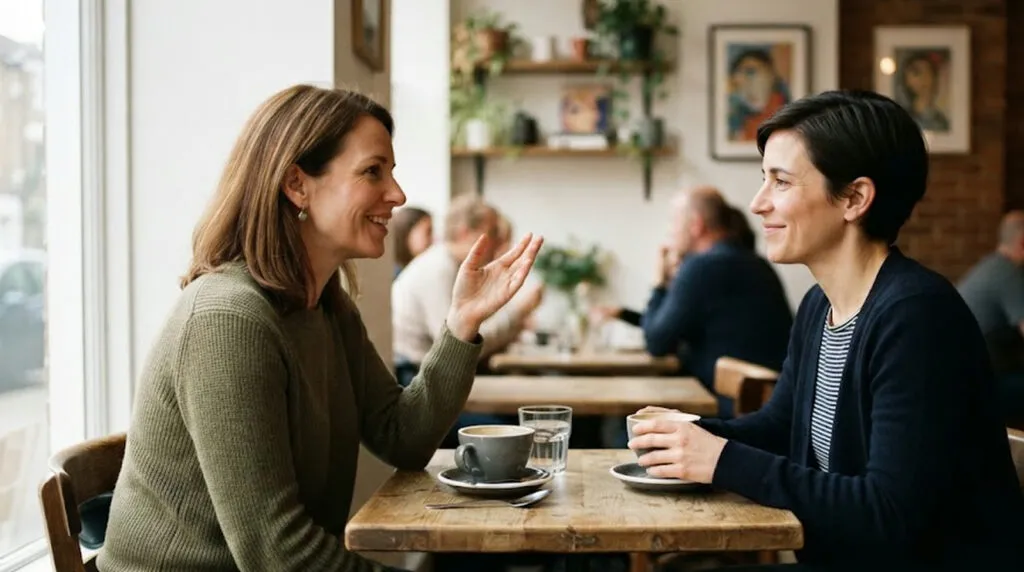
In a 1980 experiment, people who nodded while listening later agreed more with the message. A nod isn't always an...

Bittor Arginzoniz is self-taught and cooks over embers, with a different wood for every ingredient. In an age of tweezers...

He goes to bed around 2 am, gets up around 10 and walks up to 12 kilometres a day. This...

"This is the dish I repeat most during the week," says the Spanish designer. The recipe is simple, and the...

Three longevity doctors say more pills don't mean better results. The best "supplements" aren't sold in pharmacies: sleep, movement and...

The latest viral breakfast from Gwyneth Paltrow's kitchen is an egg, panko and a frying pan. The trick is in...
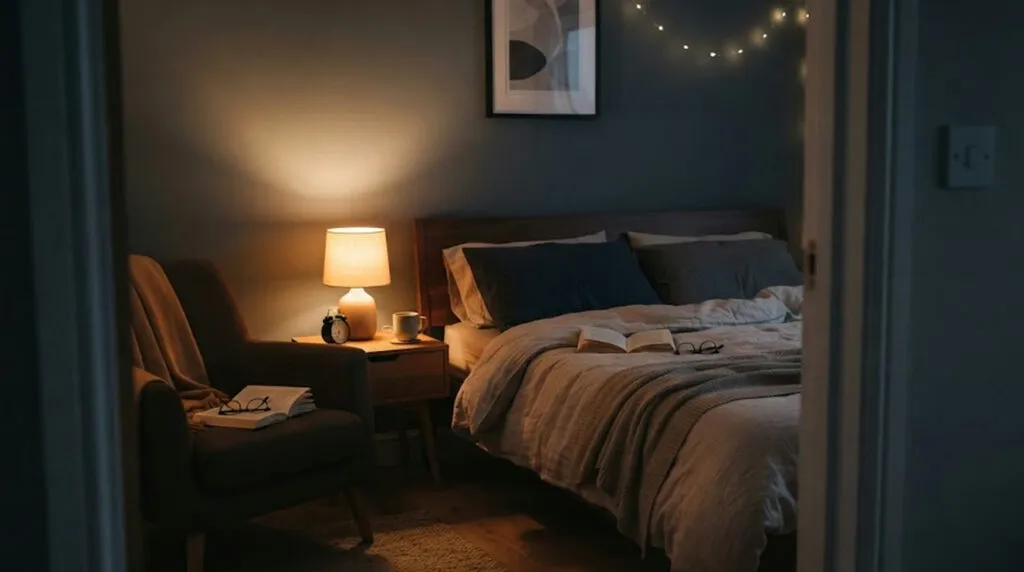
The harder you try to fall asleep, the longer you lie awake. The solution sounds counterintuitive: another room, dim light,...
This site uses cookies - is that okay? Learn more
Be the first to know when Metla launches something new
Leave your email and we'll write to you when there's a new guide or something new on Metla.