
Лихварска група во Куманово работела пет години – паднала дури кога еден граѓанин се охрабрил да пријави
06.11.2026


06.11.2026

06.11.2026

06.11.2026

06.11.2026

06.11.2026

06.11.2026

06.11.2026

05.11.2026

05.11.2026

06.11.2026

06.11.2026

05.11.2026

06.11.2026

06.11.2026

06.11.2026
06.11.2026

05.11.2026

04.11.2026

06.11.2026

06.11.2026

06.11.2026

06.11.2026

05.11.2026
05.11.2026

05.11.2026

04.11.2026

03.11.2026

23.04.2026

23.04.2026

12.04.2026


When the first frost hits, most balconies and gardens surrender: the pots get emptied, the garden gets abandoned until March. It doesn't have to be that way. There are plants that bloom precisely in the coldest months, and most of them don't need a greenhouse - just the right spot and a little attention. Here are ten that make the cold bearable to look at.
Cyclamen (Cyclamen coum). It blooms from January to March, with white, pink or magenta flowers above round leaves, sometimes marbled with silver. Unlike the cyclamen you buy at the florist, this one is hardy and doesn't need to come indoors when there's frost. It likes partial shade, under a tree or shrub, and soil rich in organic matter with good drainage. Don't plant the tubers too deep. The soil shouldn't dry out completely while it's growing, but it shouldn't sit in water either. If it likes the spot, over the years it spreads by itself into small clumps.
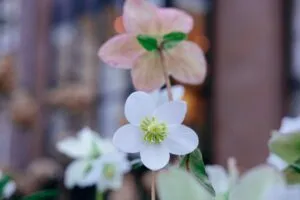
Hellebore, or "Christmas rose" (Helleborus niger). The name lies twice: it isn't a rose, and there's no guarantee it will bloom right at Christmas. The white flowers do arrive in midwinter, though. It likes light shade with a little sun during the day and well-drained soil. It tolerates neither drought nor waterlogged soil, and drainage matters most when rain and low temperatures coincide. In a pot, put it somewhere covered but bright, sheltered from storms - never in a heated room.
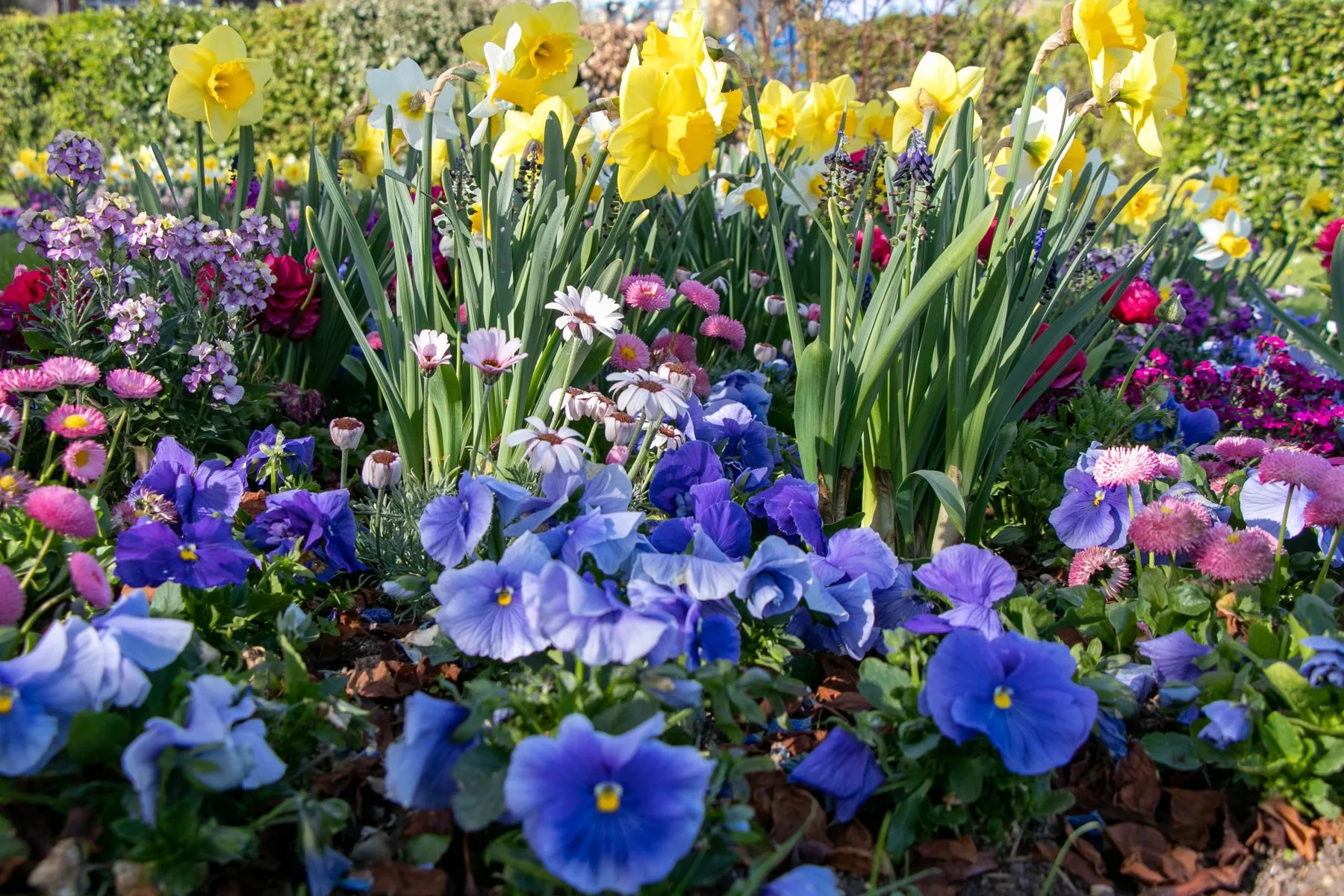
Winter pansies. Yellow, white, purple and two-tone, they're the easiest way to bring colour to a balcony in November. Buy varieties bred for this season and look at the leaves, not the flowers: a plant with spotted leaves goes back, however much it's in bloom. Pinch off spent flowers together with their little stem, so the plant puts its energy into new buds. That way it can last until spring. In damp weeks, keep an eye on the leaves and remove any diseased parts.
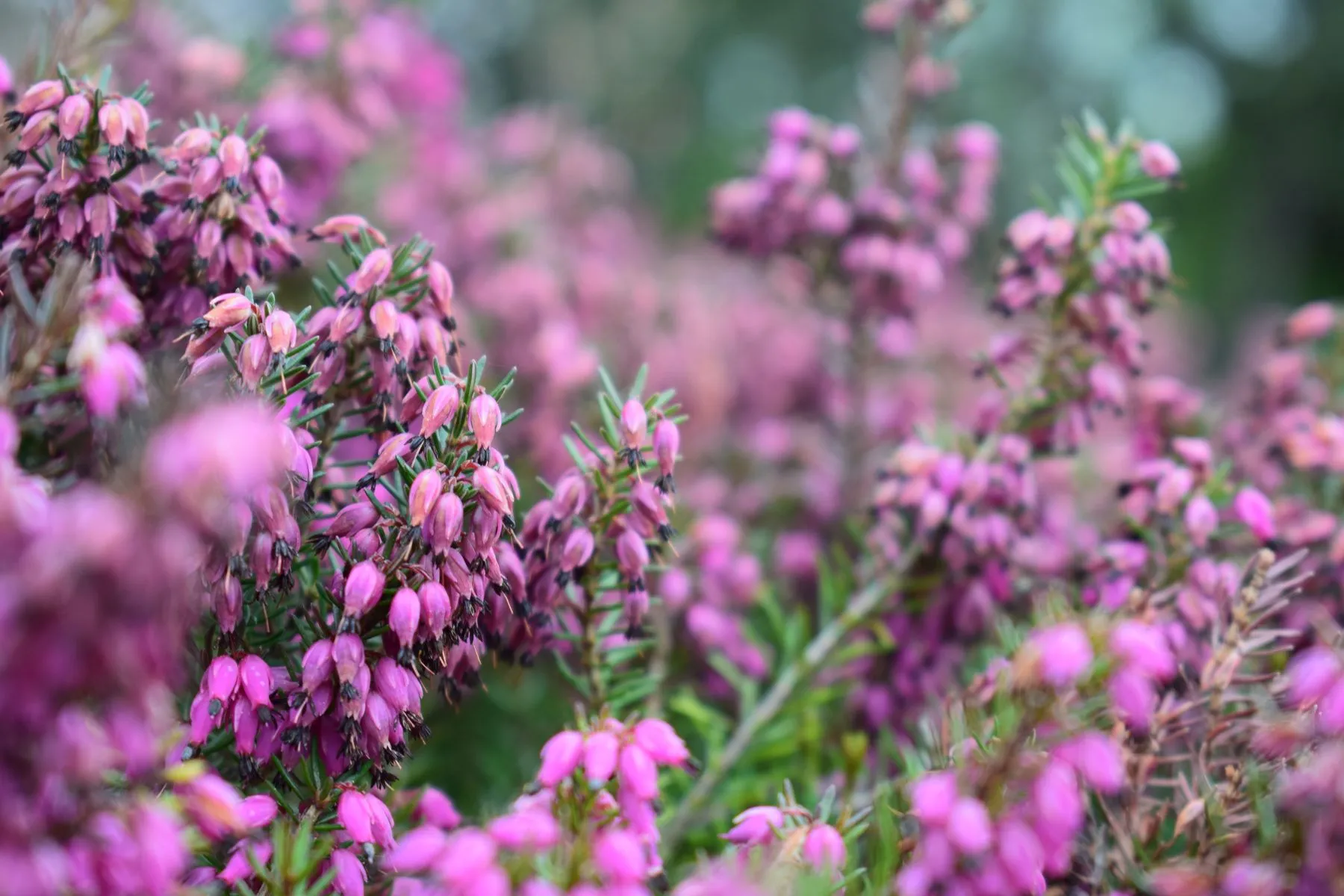
Winter heather (Erica carnea and Erica × darleyensis). Tiny white or pink flowers, perfect for pots, rock gardens or along a path. Be careful when buying: not every heather blooms in the cold, so look for these species specifically. It likes a sunny spot, because in too much shade it flowers less and gets leggy. Drainage is key, especially in exposed pots, and check moisture regularly until the roots are established, even in the cold months. Many heathers need acidic soil, but Erica carnea tolerates a wider range.
Sasanqua camellia (Camellia sasanqua). It blooms from late autumn into winter, depending on the variety, with white or pink flowers above leaves that stay green all year. It needs acidic soil, so in a garden with chalky soil it's best grown in a pot with compost for acid-loving plants. Shield it from cold wind, in partial shade at first and later in a sunnier spot. Don't forget it in summer: the winter buds form exactly then, so summer watering is a must. Protect pots especially from hard frost.
Winter jasmine (Jasminum nudiflorum). Tiny yellow flowers on leafless branches, in the middle of winter. Unlike other jasmines, it has no scent. It's a cold-hardy shrub that grows in sun or partial shade, in fertile, well-drained soil, with careful watering that doesn't leave water standing. If you plant it against a wall, train the branches onto a support from the very start, because they don't cling by themselves the way ivy does.
Snowdrop (Galanthus nivalis). Tiny white bells hanging downward - discreet, so plant them under a tree or shrub, next to a path where they'll be seen. It likes partial shade and soil rich in organic matter that holds a little moisture without getting soggy. Choose a spot that doesn't dry out completely in summer. It pairs beautifully with cyclamen and hellebore.
Mahonia (Mahonia × media 'Winter Sun'). In midwinter it throws out fragrant yellow clusters above dark green leaves that don't drop. It can grow to around three metres, so give it room. It's happiest in partial shade, and it tolerates sun if the soil stays slightly moist. In the first few years, while the roots establish, water when needed, especially in summer. Protect it from cold, dry winds that damage the leaves.
Viburnum (Viburnum × bodnantense 'Dawn'). It blooms on bare branches before the leaves come out: pink buds that open into pale, fragrant flowers. Plant it by the entrance, where you'll catch the scent every time you walk in, but leave it room to become a shrub. It likes sun or partial shade and soil rich in organic matter, well drained. Watch out for dry spells. Prolonged rain or hard frost can ruin the flowers - remove the browned ones so new ones come when the weather settles.
Primrose (Primula 'Rambo F1 Yellow Gold'). It blooms in January and February, with yellow flowers with an orange centre, about six centimetres across, above a compact rosette of green leaves. It's great for a pot or under a shrub, in sun or partial shade, in fertile soil that holds moisture but lets the excess drain away. The pot must have drainage holes, and empty the saucer underneath after every watering. Check moisture in winter too, especially if the rain doesn't reach the pot. Pinch off spent flowers to encourage new buds.
Of the ten, almost all of them want the same three things: drainage, a bit of shade and never standing water. That's not horticultural science, it's a habit. Will you give it a go this winter, or will the balcony be waiting for March again?
The latest 10 news from this category
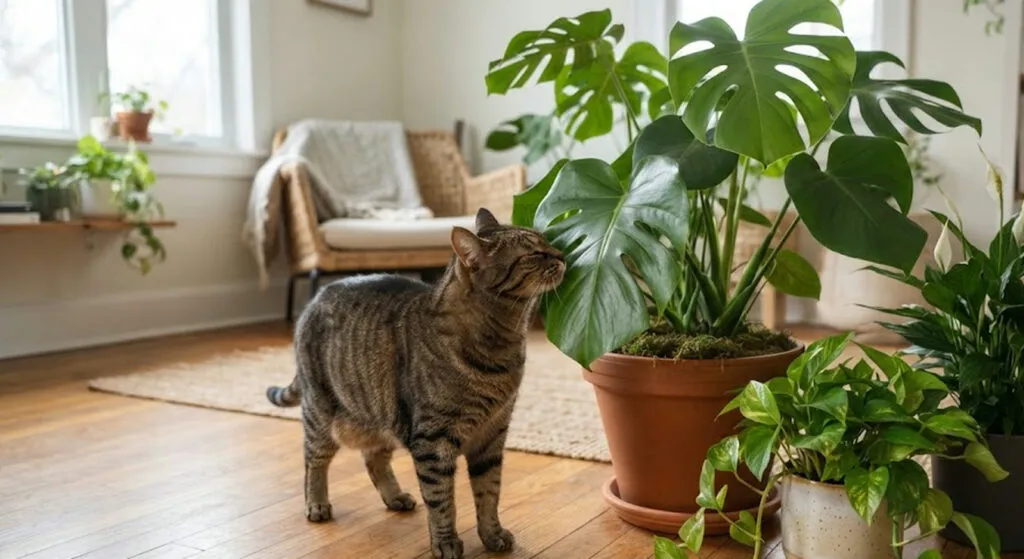
A monstera in the corner, lilies on the table, a cat that chews everything. The magazine-perfect home has its traps...
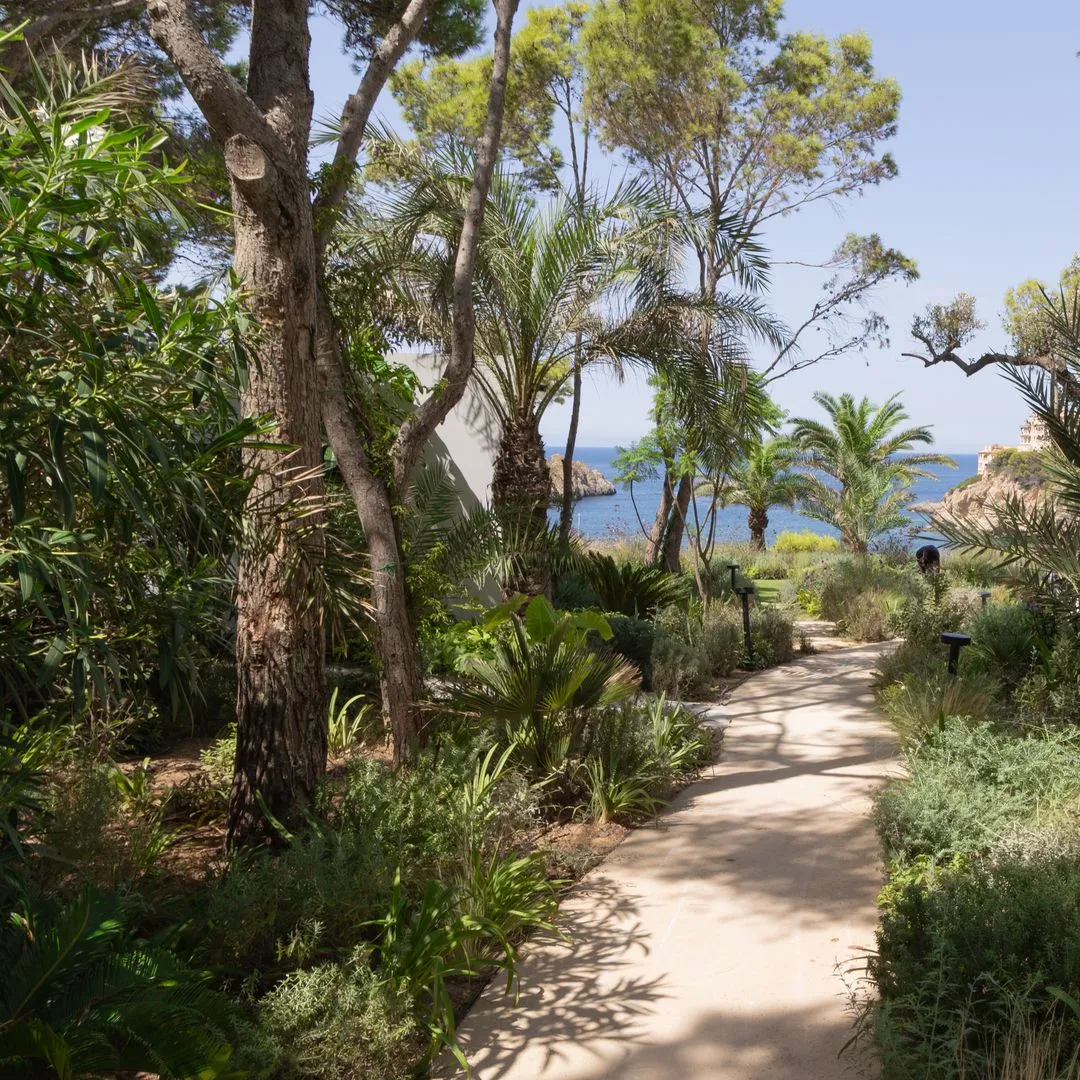
All the gardens in one neighbourhood together form a network that feeds birds and bees. The question is whether yours...
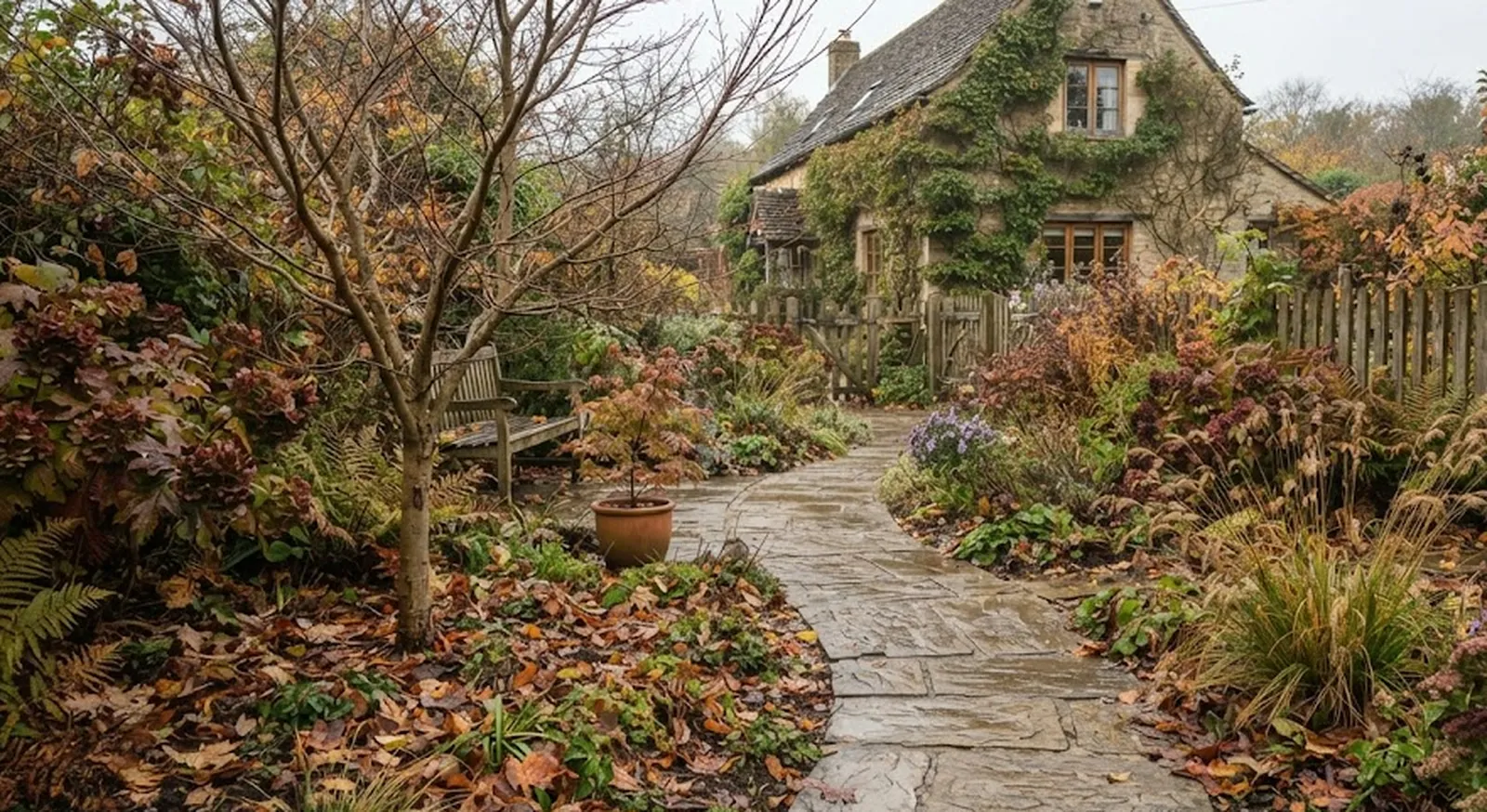
The answer to the heat is not turning the garden into cacti. Twelve steps for autumn, and the first is...
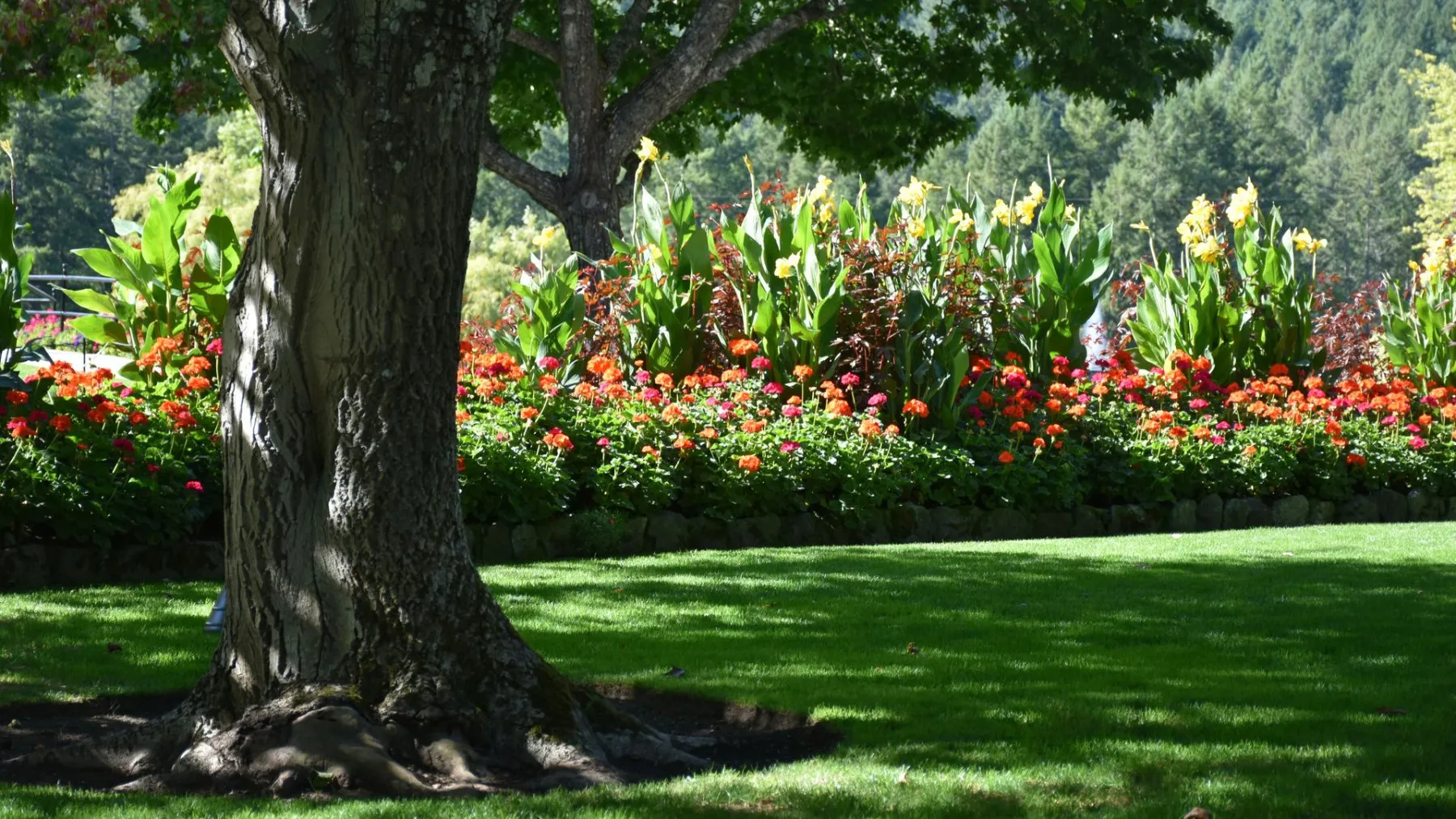
The most common mistake with a freshly planted plant is not the variety or the soil, but the water. The...
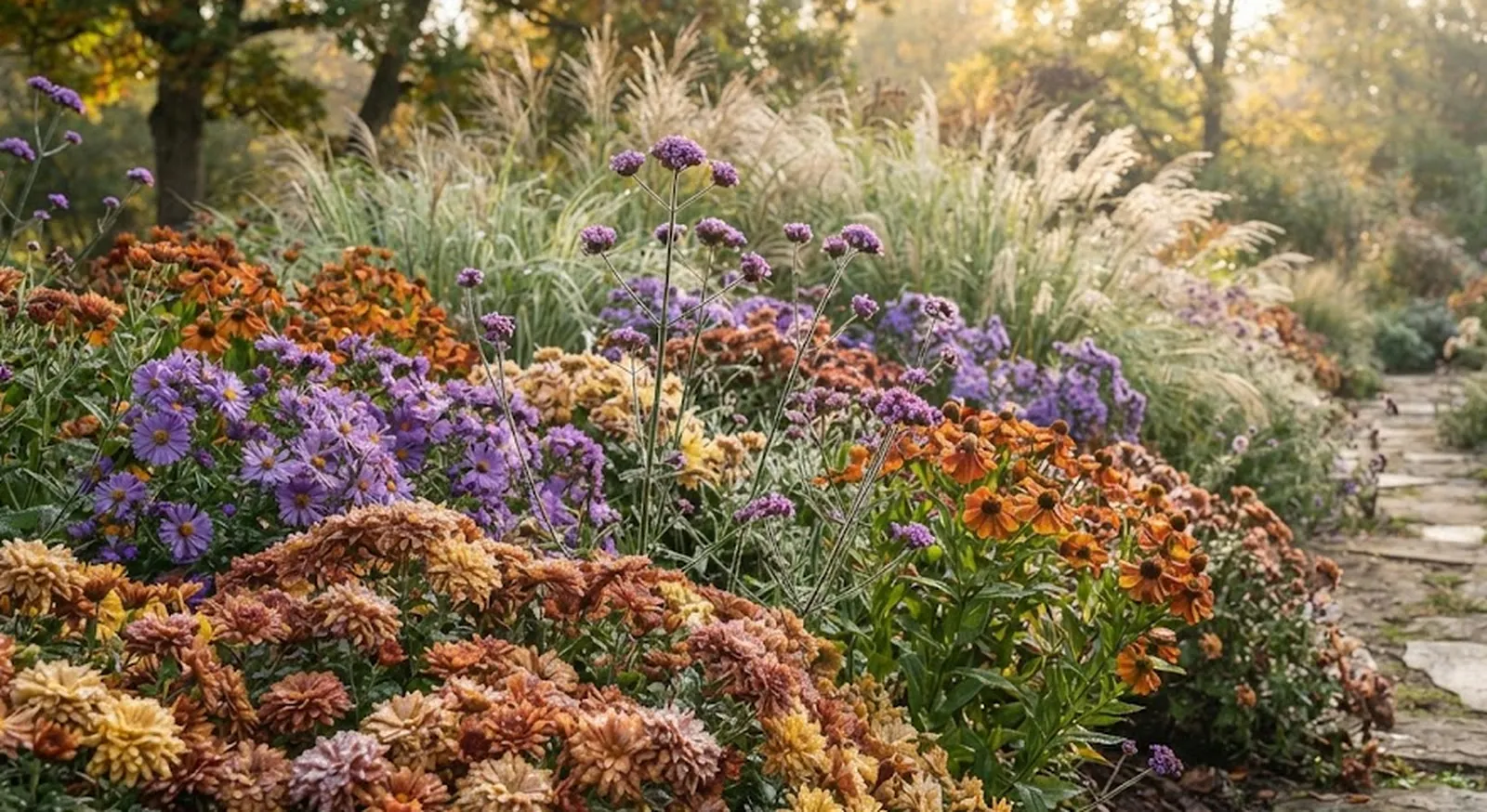
The assumption that August is followed by three brown months of waiting is not true - it is the consequence...
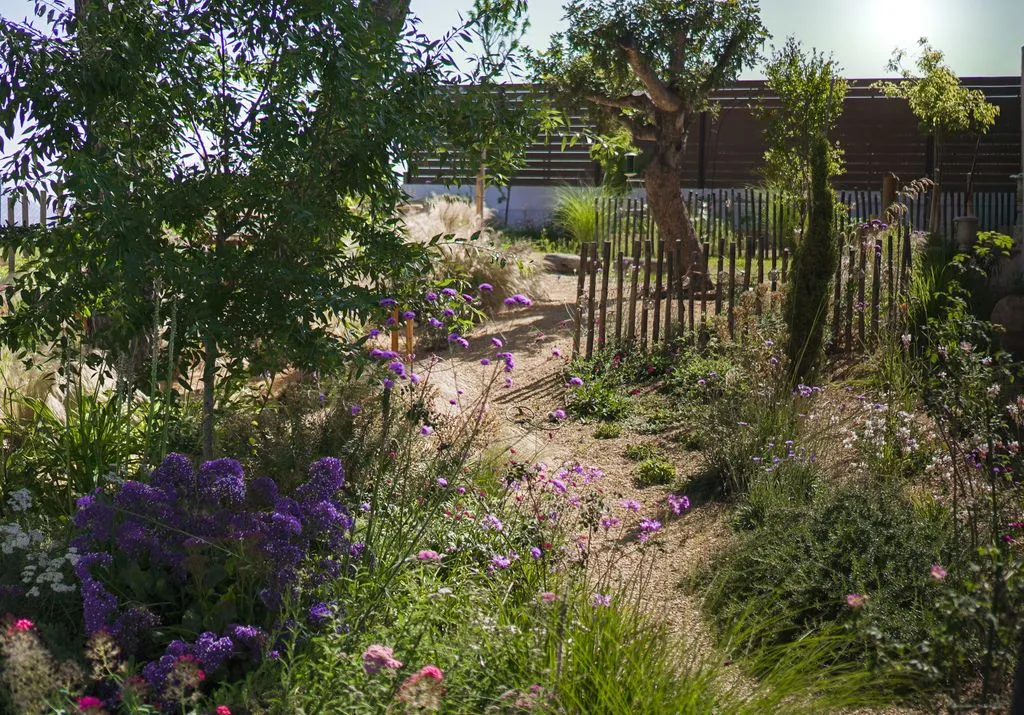
The garden stops being an ornament and becomes infrastructure. What is a Valencian experiment today is an ordinary back yard...

The blue rectangle in the corner of the garden is no longer the law, but the real mistake is not...
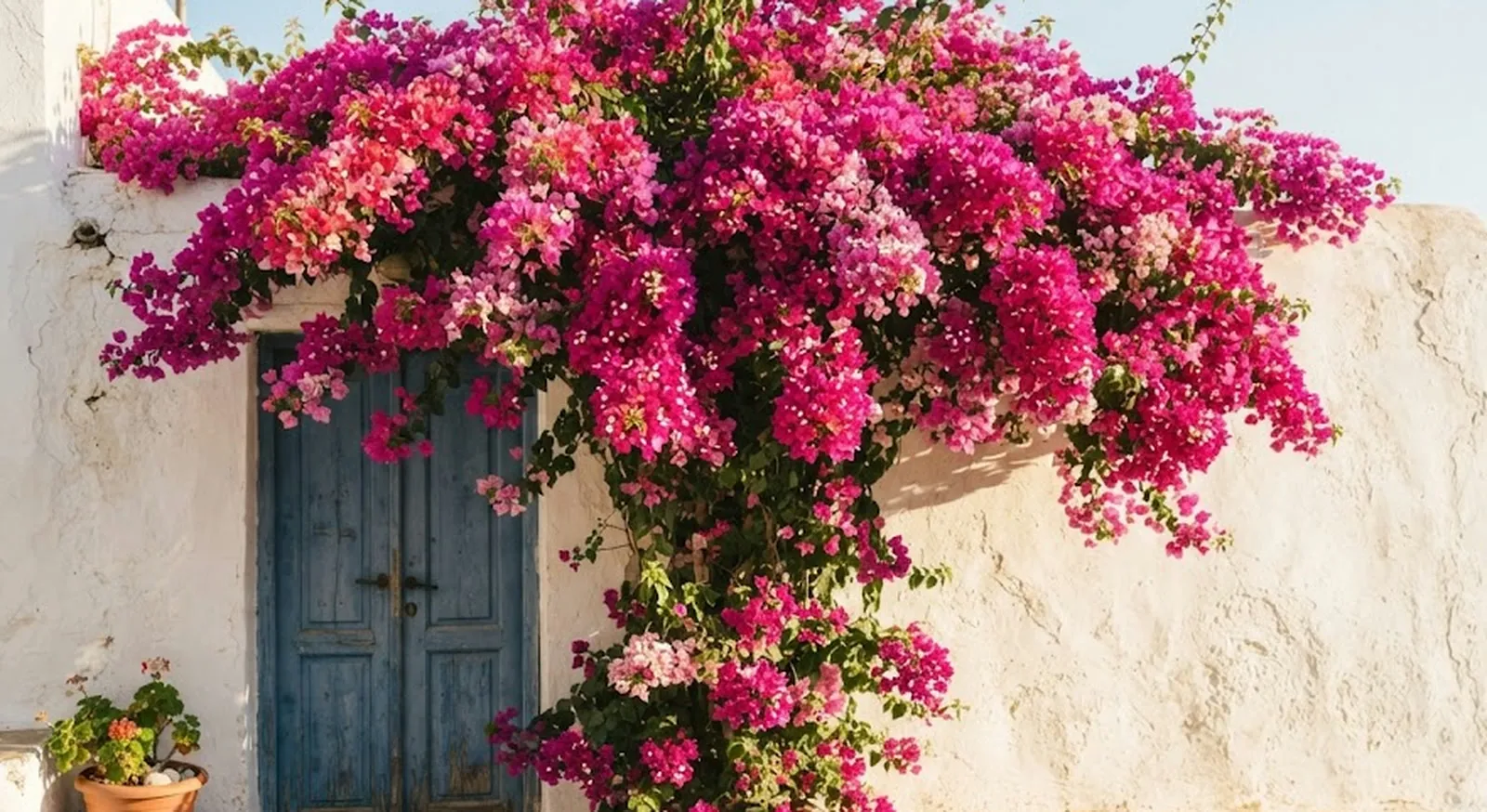
That explosion of colour spilling over Mediterranean walls asks for just two things - sun and a little thirst. And...
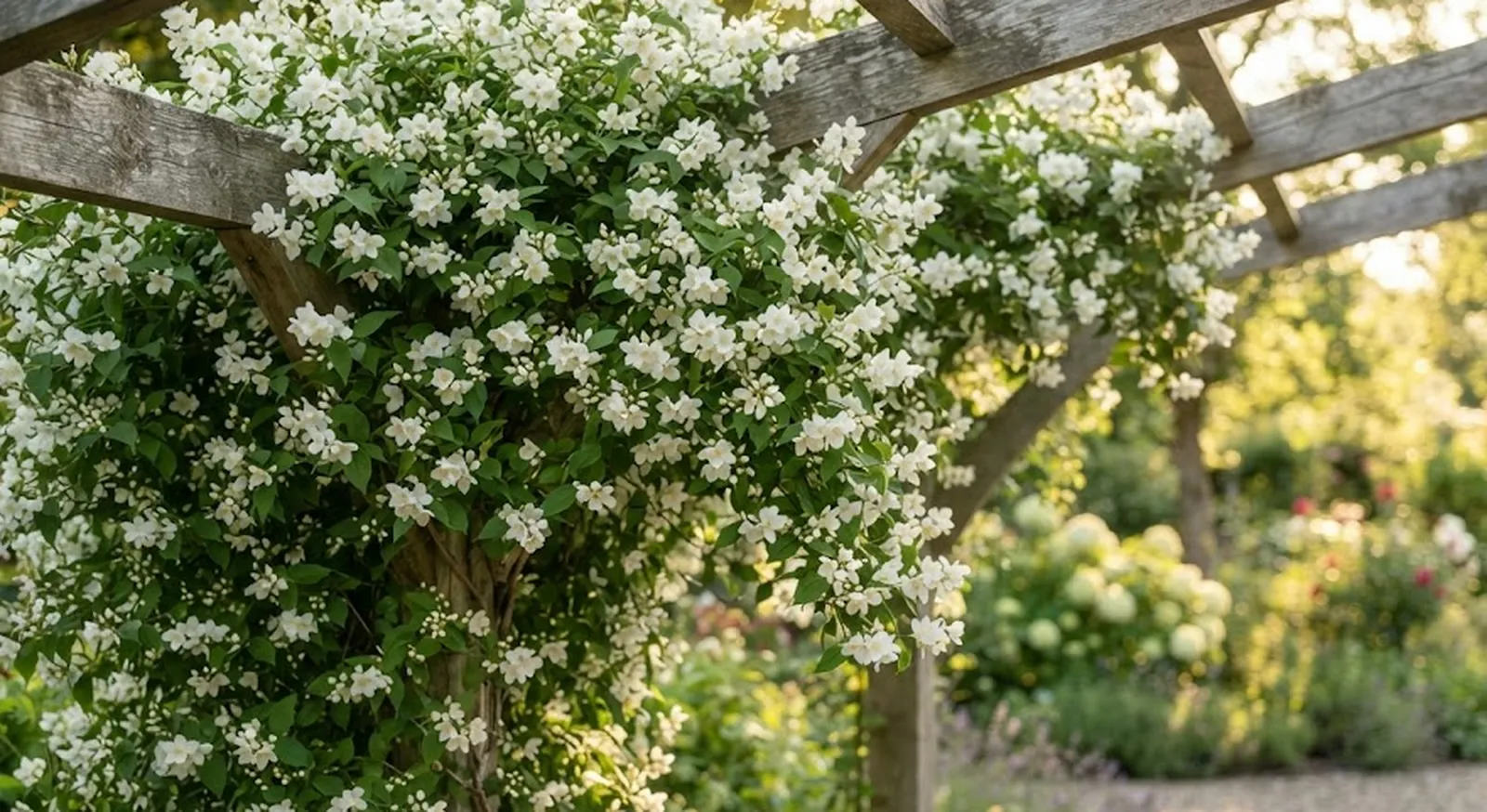
For months of flowers and that heady scent, common jasmine asks you to do a few things right. The most...
Not a scent from a spray can, but something alive that calms you. Sometimes the freshest home is the one...
This site uses cookies - is that okay? Learn more
Be the first to know when Metla launches something new
Leave your email and we'll write to you when there's a new guide or something new on Metla.