
Cuna Back in Handcuffs: The Dealer Who Jumped Out a Police Station Window Is Caught in Skopje
15.07.2026


15.07.2026

15.07.2026

15.07.2026

15.07.2026

15.07.2026

15.07.2026

15.07.2026
15.07.2026

14.07.2026

15.07.2026

15.07.2026

15.07.2026

15.07.2026

14.07.2026

13.07.2026

15.07.2026

15.07.2026

15.07.2026

15.07.2026

15.07.2026

14.07.2026

09.03.2026

27.02.2026

19.02.2026

15.07.2026

14.07.2026

13.07.2026

23.04.2026

23.04.2026

12.04.2026


„Grief changes shape but never ends.“ The line is Keanu Reeves', an actor who has lost many close people through his life, and psychology today proves him right - coping with loss doesn't mean forgetting, but learning to live with absence.
Grief isn't only a reaction to death. It's an emotional, psychological and physical response to any significant loss - a breakup, losing a job, a major change in life. That's why Reeves' line resonates so widely: anyone who has lost something important recognizes that weight that doesn't leave on command.
Psychiatrist Miquel Roca from the University of the Balearic Islands explains that normal grief carries symptoms that come and go - sadness, insomnia, irritability - and that's exactly what distinguishes it from depression: they're less constant and often ease when a person receives support. In other words, finding it hard after a loss isn't an illness. It becomes an illness when the weight doesn't let up for months and doesn't let you function.
Psychologist Ángel Guillem lists the five stages grief often passes through - denial, anger, bargaining, deep sadness and acceptance. But those stages aren't a straight line; a person can jump between them, go back, mix them up. There's no „correct“ way to grieve, nor a deadline by which you „should“ be done.
What psychology stresses is that acceptance doesn't mean it hurts less - it means the memory starts to carry both gratitude and nostalgia alongside the pain. Grief becomes a scar, not an open wound. And when the symptoms don't ease even after a long time, doctors are clear: that's the moment to seek professional help, not to suffer in silence. In the Balkans, where „be strong“ often means „stay silent“, that's a message worth repeating.
The latest 10 news from this category

Nearly nine decades of tracking hundreds of people. The factor that most strongly predicted longevity was neither salary nor waistline...
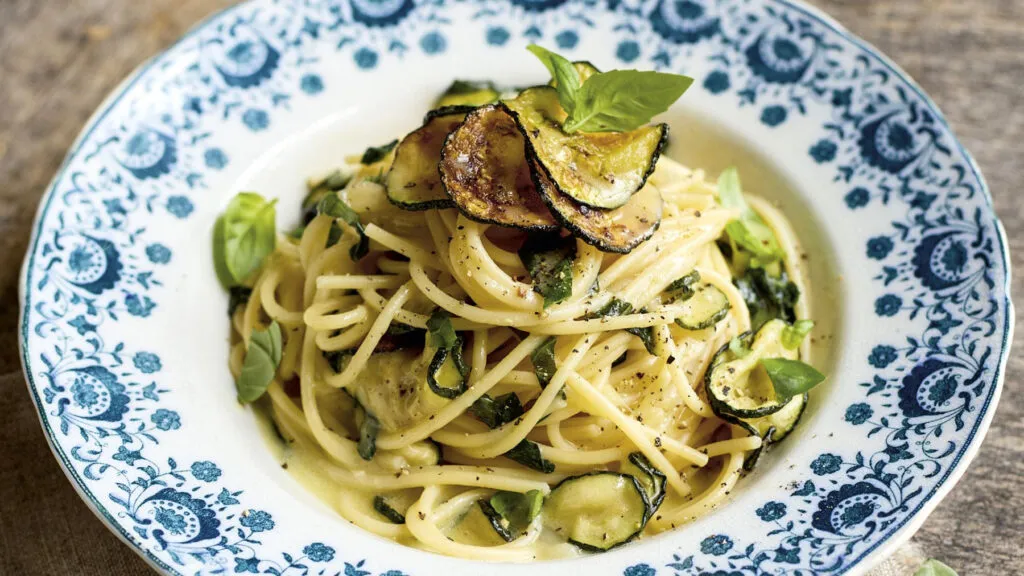
Three ingredients that put whole kitchens of twenty to shame. The secret isn't in the ingredients - the secret is...

The line between a healthy drink and a liquid dessert is in the details. Concrete recipes with seasonal fruit and...

A nutritionist explains which kind of coffee and which hour make the difference between a calm sleep and a wakeful...
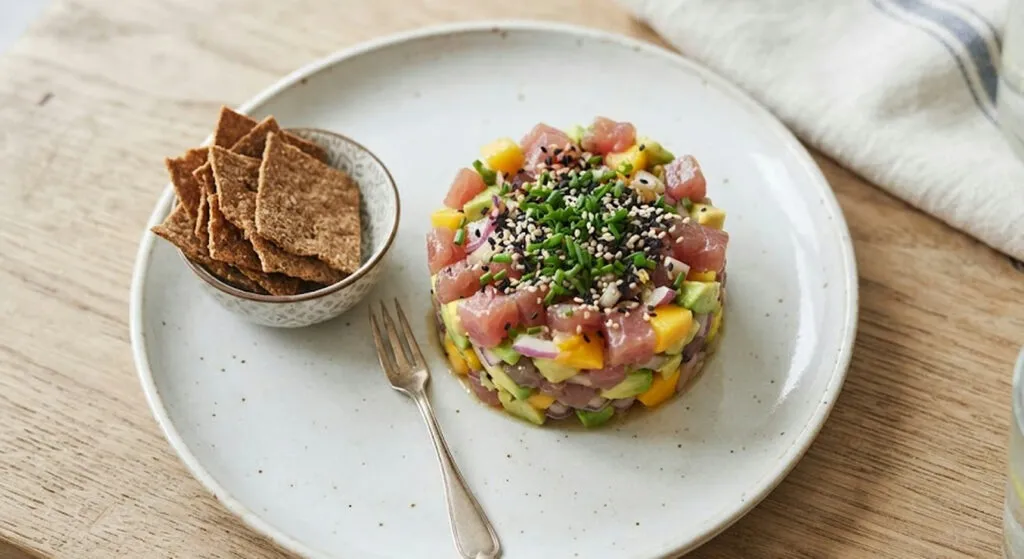
When it's scorching outside, this is the no-stove solution. The secret is fresh tuna and the order of plating -...

The quiet hero of every table - cheap, fast, and always the first to vanish from the plate. The secret...

What keeps a top athlete in shape isn't automatically a recipe for you. A dentist warns - without a medical...

A summer dessert with no stove fired up in a sweltering kitchen. The avocado gives the mousse a silky texture,...

Epictetus said it two thousand years ago, and neurology confirms it: between the event and the reaction there's a space...
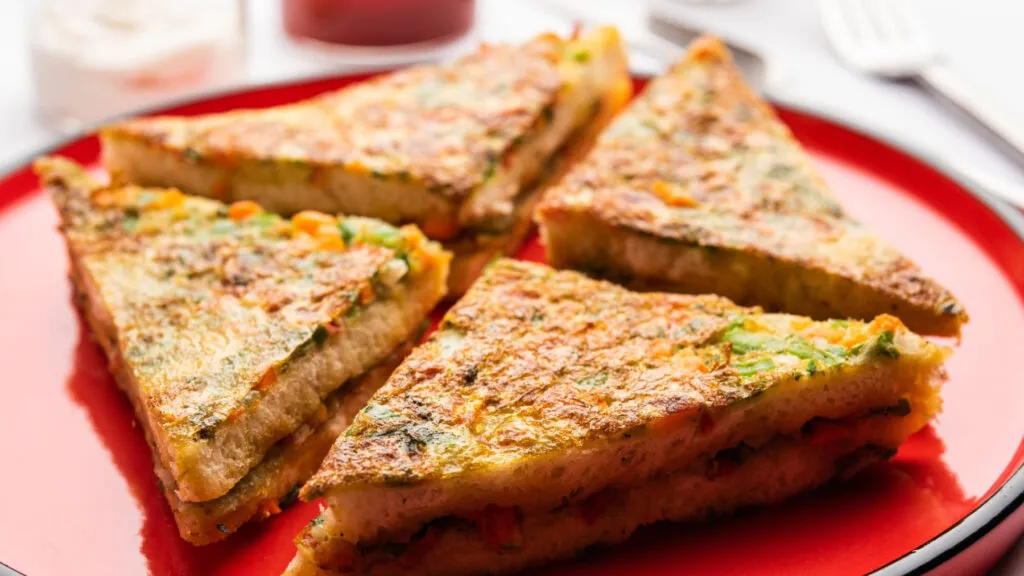
Two eggs, two slices of bread and one move with a spatula. The best recipes are often precisely the ones...
This site uses cookies - is that okay? Learn more