


Studeničani: 35-year-old dies after being electrocuted while washing his car with a pressure washer
18.09.2026


18.09.2026

18.09.2026

18.09.2026
18.09.2026
18.09.2026
18.09.2026
18.09.2026
17.09.2026
16.09.2026
18.09.2026

18.09.2026
17.09.2026

18.09.2026
18.09.2026

18.09.2026
18.09.2026
17.09.2026
16.09.2026
18.09.2026

18.09.2026
18.09.2026

18.09.2026
17.09.2026

17.09.2026

09.03.2026

27.02.2026

19.02.2026

18.09.2026
17.09.2026
16.09.2026

23.04.2026

23.04.2026

12.04.2026

There are lakes you look at, and there are lakes you spend a whole lifetime along and still don't exhaust. Lake Geneva - or Léman, as they call it there - is one of the second kind. The largest Alpine lake in Western Europe, 73 kilometres long, with one shore in Switzerland and the other in France. And on every kilometre, something worth stopping for.
Geneva is the first stop - the most international city in the country, seat of the European arm of the UN. It has a charming old core, waterfront promenades, a watchmaking tradition and the Jet d'Eau - the tallest water jet in Europe. Those who want a view over it all take the cable car up Mount Salève.
From there the shore leads towards Lausanne, a city with the largest Gothic cathedral in Switzerland, but also with the Olympic Museum and the Rolex Learning Center - a building the locals count among the masterpieces of contemporary architecture. Between Lausanne and Vevey stretch the Lavaux vineyards, terraces carved into the slopes above the lake, protected by UNESCO, where family wineries offer tastings of chasselas with a view of the Alps.
Vevey is quiet, elegant and full of unexpected details - a giant fork jutting out of the water, a statue of Charlie Chaplin, who spent the last 25 years of his life right here. Montreux, meanwhile, is the town of famous guests: Vladimir Nabokov lived seventeen years in the legendary hotel on the shore, Freddie Mercury found a creative refuge with Queen, and his statue still looks out over the lake to this day. Every summer the renowned jazz festival is held here.
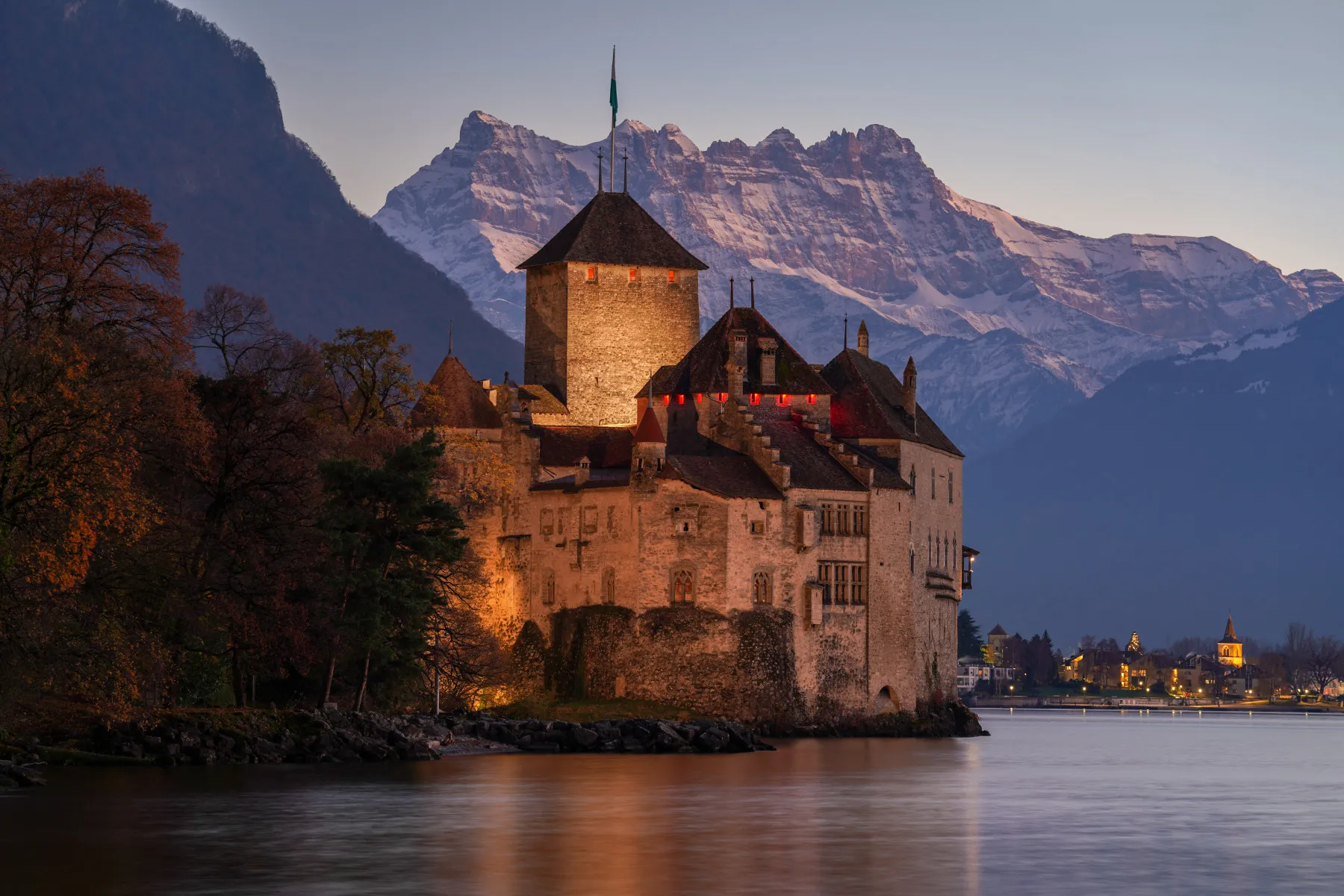
The most photographed frame on the whole lake, though, is Chillon Castle - a medieval fortress on a rocky islet that looks as though it floats on the water, just three kilometres from Montreux. The Dukes of Savoy built it in the 13th century, and its beauty inspired both Rousseau and Lord Byron. Inside - 25 buildings, three courtyards and two defensive walls, through which the visit runs from the dungeons to the watchtowers.
And whoever wants to cross the lake to the French side finds Évian-les-Bains, an elegant spa town with Belle Époque charm and the spring that made its mineral water famous the world over, and Yvoire - a medieval walled village of stone houses covered in flowers, named one of the loveliest in France. From Geneva to there - half an hour. From a postcard to a real town you'd want to stay in - even less.
The latest 10 news from this category
The royal couple walked yesterday into a pub the village bought back for itself. How many buildings like that sit...

Of twenty-five new inscriptions, five are natural - and only one is in Europe. For the richest of them, the...
Fifty beaches, more than 120 villages and a trail France voted its favourite. Monet came for a few days and...
Restored carriages, a locomotive they call the Japanese Woman and a 28.95 euro return ticket. What it sells is not...
Two hundred and fifty tree species from every corner of the world, a monastery from 1628 and a palace that...
The same places cost more in August, look crowded and are experienced at half strength. The difference is made by...
The Beckhams have a place there, so do Kate Moss and Ellen DeGeneres. But the Cotswolds needs none of those...

Down on the coast the buses pass each other with centimetres to spare and all you see is people. Up...
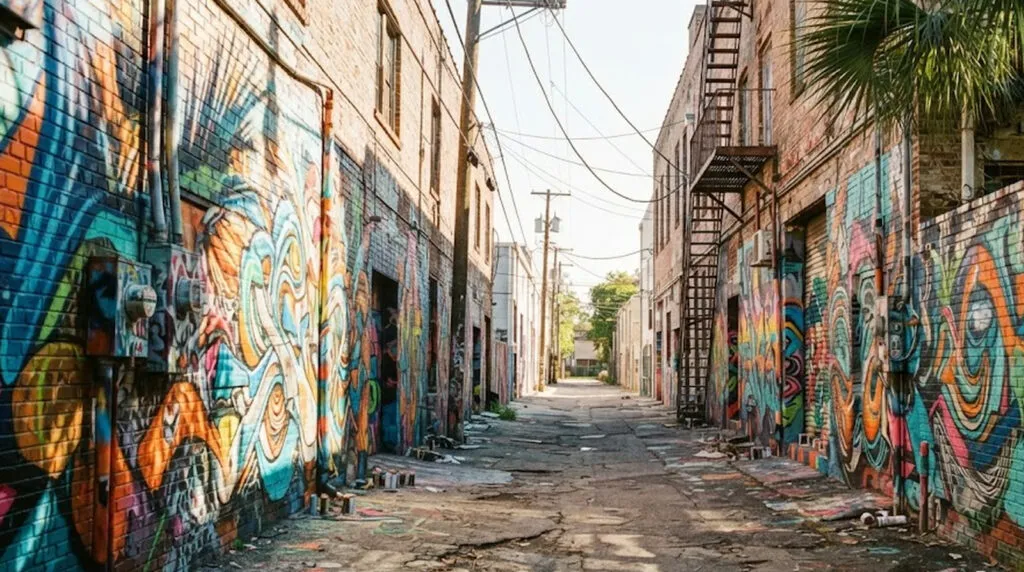
Empty warehouses, low rents and one real estate developer. A model we know without flying to Florida.
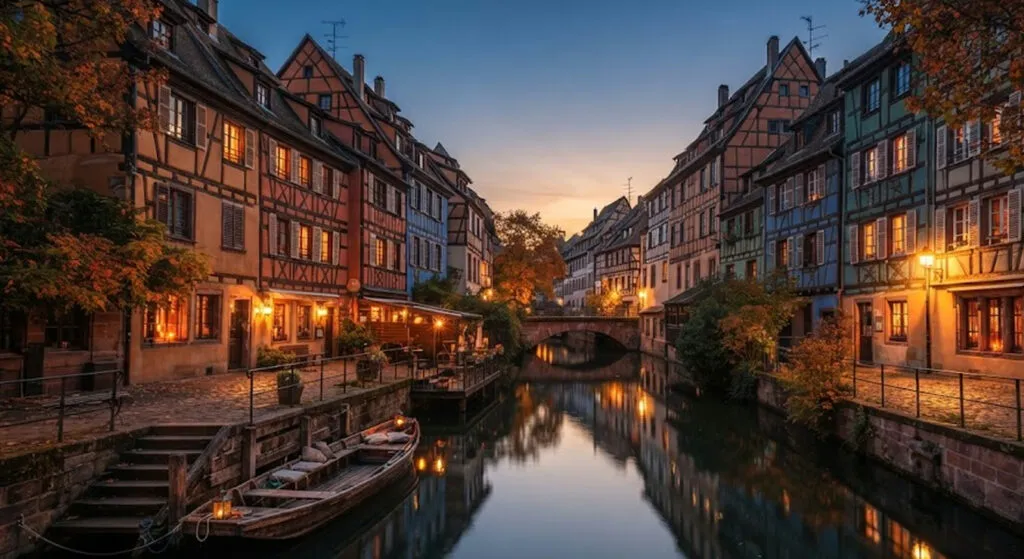
Old tanners' and dyers' workshops, built directly over the river. From 10 to 13 September the town puts boats and...
This site uses cookies - is that okay? Learn more
Be the first to know when Metla launches something new
Leave your email and we will write when there is a new guide or something new on Metla.
