Cuna Back in Handcuffs: The Dealer Who Jumped Out a Police Station Window Is Caught in Skopje
15.07.2026


15.07.2026
15.07.2026

15.07.2026
15.07.2026
15.07.2026

15.07.2026

15.07.2026
15.07.2026

14.07.2026

15.07.2026

15.07.2026

15.07.2026
15.07.2026

14.07.2026

13.07.2026

15.07.2026

15.07.2026

15.07.2026

15.07.2026

15.07.2026

14.07.2026

09.03.2026

27.02.2026

19.02.2026

15.07.2026

14.07.2026

13.07.2026

23.04.2026

23.04.2026

12.04.2026

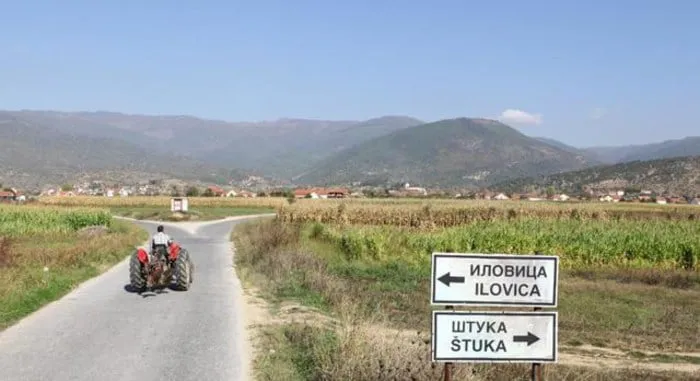
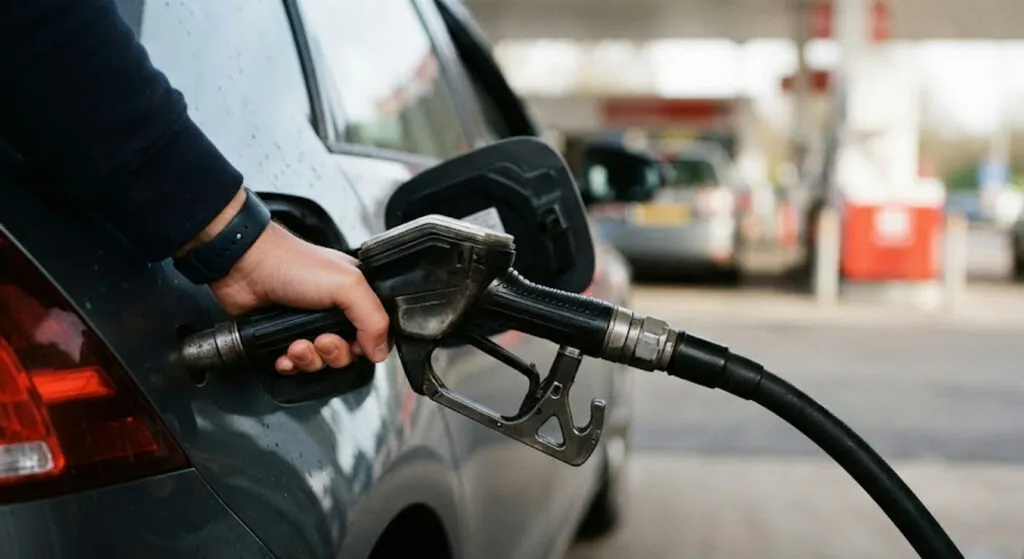
Every day a new price hike. „Brent" crude has reached around 85 dollars - the highest level in the past four weeks - while American WTI oil crept close to 80 dollars. Numbers that sound distant to the average citizen, until you pull up at the pump. And then the Strait of Hormuz, thousands of kilometers away, suddenly becomes very close.
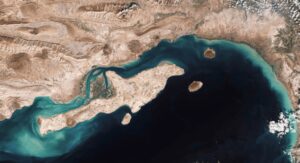
The cause of the spike is geopolitical, not market-driven. Renewed tensions between Washington and Tehran have once again fanned the fear that oil supply could be disrupted. The US has reinstated a blockade on exports of Iranian oil, and into the whole story stepped President Donald Trump with an announcement of a possible 20 percent tax on every ship passing through the Strait of Hormuz - the key corridor through which an enormous share of the world's oil flows.
That things aren't as clear as they look is confirmed by the analysts themselves. Commodity strategists at „ING", Warren Patterson and Ewa Manthey, point out that „there is little detail on how this would work - or how serious Trump is" about the whole idea. In other words, the market is reacting not to fact, but to uncertainty. And uncertainty, when it comes to oil, is always paid for in advance - out of the consumer's pocket.
Then there's the Balkan reality that rarely gets mentioned in reports like these. When the price of oil jumps on world exchanges, it reaches our pumps with a slight delay - but it reaches them for sure. Every dollar up on the barrel means a few denars more per liter, and that in turn means pricier groceries, pricier transport, a pricier life. The geopolitics between Washington and Tehran are, in the end, paid for by a family in Skopje, Bitola or Strumica.
The question that remains is how long this uncertainty will last and whether the Strait of Hormuz will once again become the epicenter of a global crisis. The Balkans have no say over who controls a single maritime throat on the other side of the world. But they have a feel for the consequences - because every time the big players flex their muscles, the bill is split among everyone, and it's felt most by those counting their denars.
The latest 10 news from this category
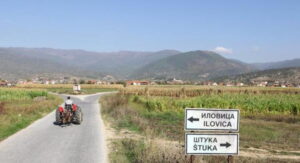
The country sits on a resource the whole Union is fighting over - and won't budge. But the Ilovica story...

Together with Serbia, the Western Balkans took a seat at the table in Athens. Joining is a necessary step -...

A screenless box that turns toward you, learns from your habits and pretends to be a friend. Built with ex-Apple...

Match Group, owner of Tinder and Hinge, is funding the spinout of its former boss. Less swiping, more artificial intelligence...

A conversational assistant like ChatGPT - for now in three countries, with Macedonia waiting as usual. The friendly tone hides...
Додека политичарите водат војни, сметката повторно ја плаќаат обичните граѓани. Цената на нафтата „Брент“, која пред ескалацијата на конфликтот меѓу...
When the price rises on the exchange, here it automatically rises at the pump too. But when there's room to...

The growth of e-commerce is good news, but 109 million euros ended up with foreign shops - and it's precisely...
When geopolitics rewrites the rules, whoever holds the resources holds the advantage. So why hasn't the state offered a clear...
When even the largest American police force concludes that mass surveillance is a threat to freedoms, what does our comfortable...
This site uses cookies - is that okay? Learn more