

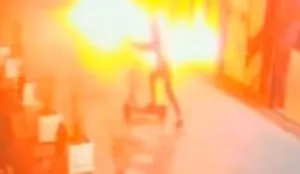
They Rode In on Scooters, Torched the Shops and Left: The Fire in Shuto Orizari Burned for Three Hours, Setting It Took Fifty Seconds
13.09.2026


13.09.2026

13.09.2026
13.09.2026
13.09.2026

13.09.2026

13.09.2026
13.09.2026

12.09.2026

11.09.2026

13.09.2026

13.09.2026

12.09.2026

13.09.2026

13.09.2026

13.09.2026
13.09.2026

12.09.2026

11.09.2026

13.09.2026

13.09.2026

13.09.2026

13.09.2026

13.09.2026

12.09.2026

09.03.2026

27.02.2026

19.02.2026

13.09.2026

12.09.2026

11.09.2026

23.04.2026

23.04.2026

12.04.2026

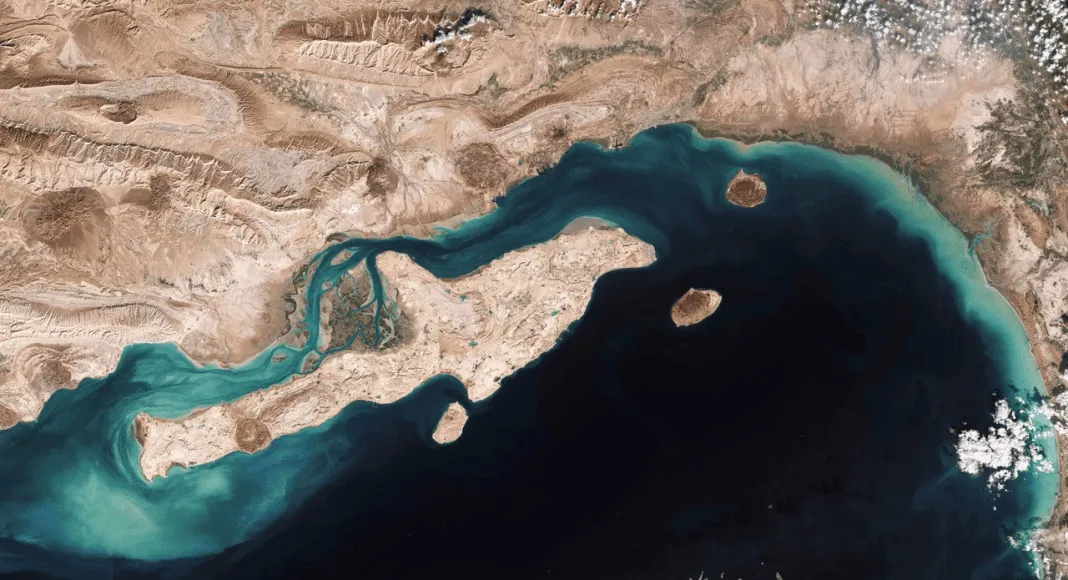
While Europe frantically searches for secure sources of copper, and Poland announces investments of over 8.5 billion dollars in critical minerals by 2030, in Macedonia a project worth around 350 million euros has stood frozen for years at the signpost pointing toward Ilovica and Štuka. The country is sitting on a resource the whole Union is fighting over - and it won't budge.
The figures the project's backers offer are tempting. Ilovica-Štuka could, according to estimates, bring over 180 million euros in annual revenue, increase gross domestic product by around 3 percent and exports by around 4 percent, along with new jobs and revenue for the state budget and local municipalities. That's a growth story on paper. But the story on the ground is different - there, a battle has been raging for decades between the promise of jobs and the fear for the environment.
Europe is rushing, we're standing still
Context matters. The European Union has identified 47 strategic projects for extracting critical minerals across 13 member states, with fast-tracked permit procedures. The message from Brussels is clear: without new mining investment there is no green and industrial transition. Euromines president Mostrjom warns that dependence on imports is a strategic risk - „if you don't have your own production and nothing to offer in exchange, then you are completely dependent on those who supply you with those materials."
He goes even further, pointing to the trade war between the US and China: Beijing is already introducing restrictions on the export of rare earth elements, not to hold on to the raw materials, but to export finished products instead - electric vehicles, for example, rather than metals. That makes China a direct competitor of the European automotive and defense industries. In other words, copper today is not just an economic question, but a security one.
A concern that must not be ignored
But the Ilovica story cannot be told through the prism of millions and strategy alone. The project has been meeting fierce resistance for years, precisely for ecological reasons - the region's residents fear for their water, land and health. That is exactly why every „for growth" argument has to pass through the filter of the real consequences for the people who live there. From the local initiative „Both Health and Work", the message is that decisions must be grounded in legal procedures and expert analyses, „and not on assumptions, fears or personal convictions."
And here is the real test. Copper really does carry billions in Europe, and Macedonia really does have potential that other countries are putting to use. But potential in itself is neither a blessing nor a curse - it depends on how it's managed. The question isn't whether to dig or not, but whether the institutions are capable of making a decision that protects both the jobs and the health of the people at the same time. So far, it seems, the easiest thing for them has been to decide nothing at all.
The latest 10 news from this category
The deficit target raised from 3.5 to 4.1 percent of GDP, spending growing faster than revenue, and the growth forecast...
On euro loans with a variable rate, the rise comes due at the next reset. On fixed ones, it does...
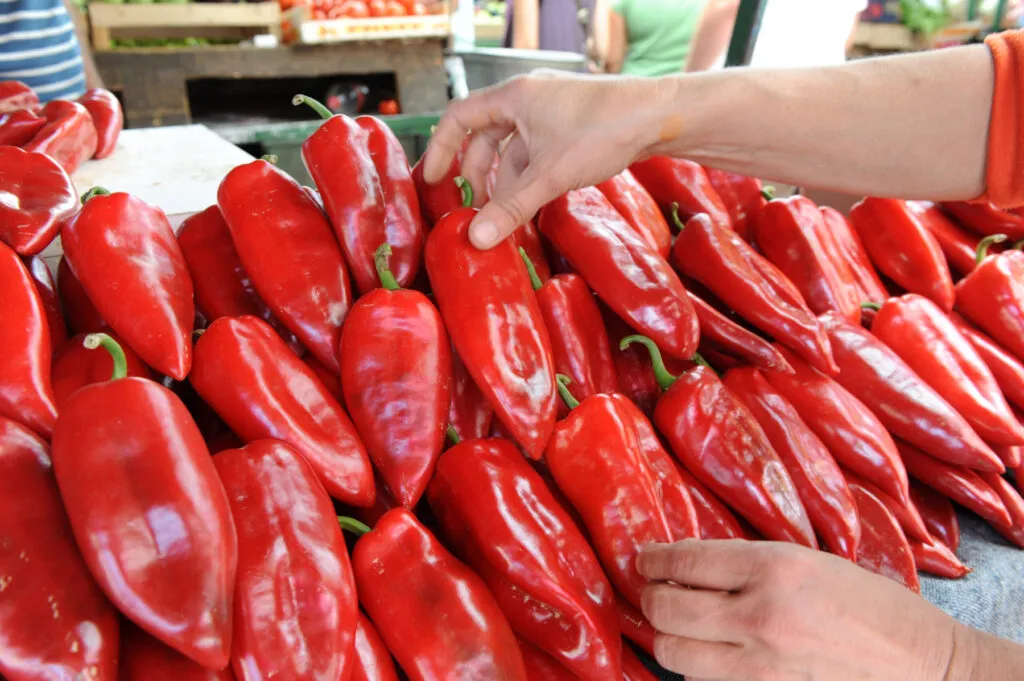
The agreed price for first class is 40 denars. At the collection points they pay 15 to 18. Across the...

A Skopje company owes 14.87 million euros and there is nothing to recover it from. In one month the total...
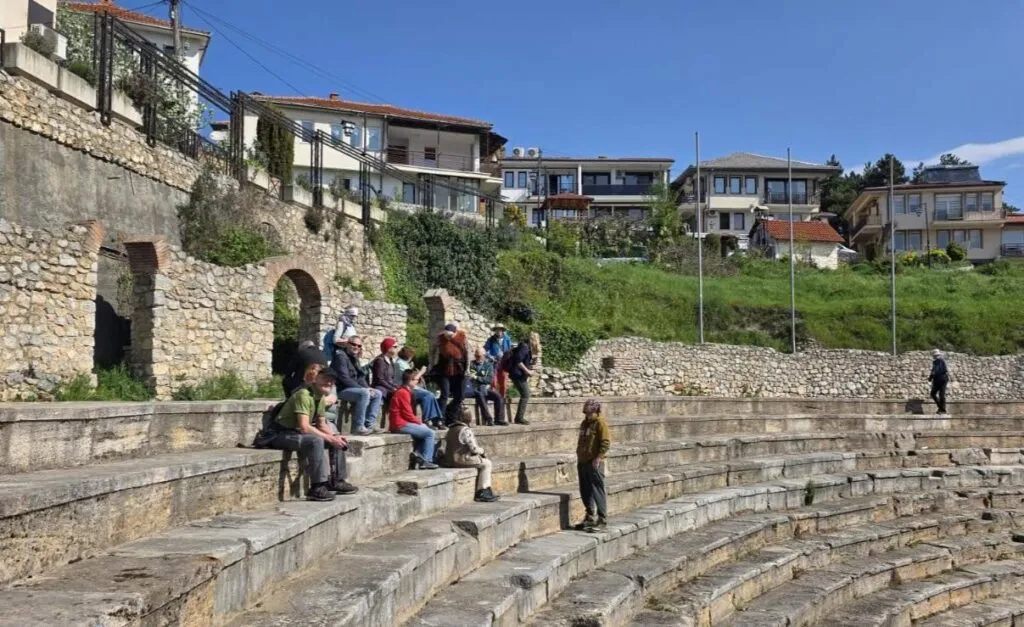
223,711 tourists and 795,083 overnight stays in July. Turkey still leads with 50,955 guests, but its number fell by 7.6...

When the two biggest firms in an industry ask for rules on how fast anyone may run, the rules rarely...

Not a single password fell. What fell was the assumption that a request from a government domain is automatically a...
The board voted, the founder kicked the administrators out of Slack and held out for three days. What does a...
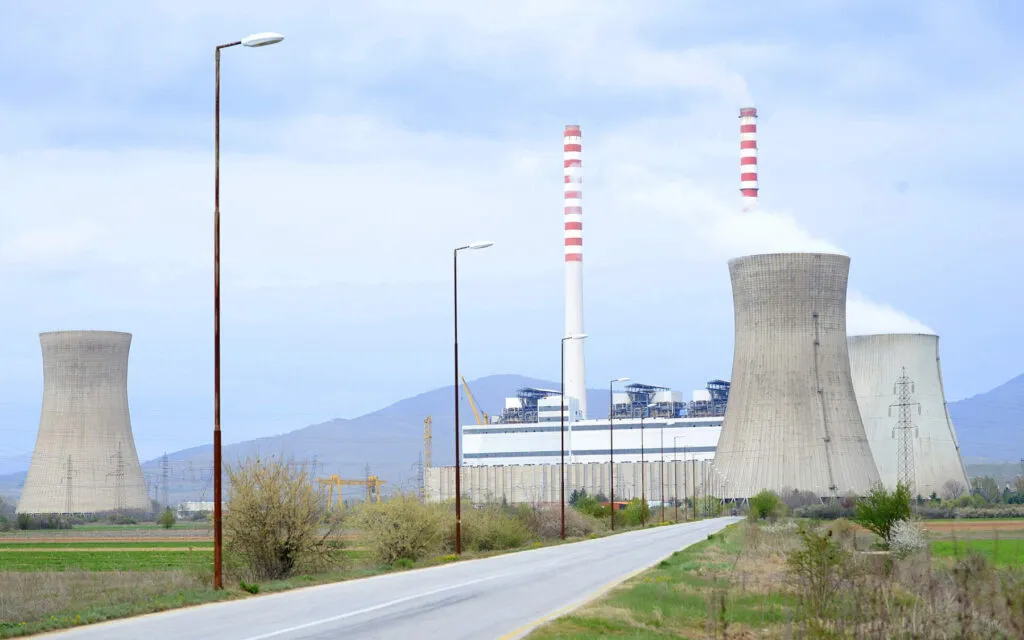
An announcement is not an adopted tariff. A lower bill is good news only if its cost has not been...
The Balkans have a long tradition of producing something valuable and selling it under someone else's name. The difference between...
This site uses cookies - is that okay? Learn more
Be the first to know when Metla launches something new
Leave your email and we will write when there is a new guide or something new on Metla.
