

They Rode In on Scooters, Torched the Shops and Left: The Fire in Shuto Orizari Burned for Three Hours, Setting It Took Fifty Seconds
13.09.2026


13.09.2026

13.09.2026

13.09.2026

13.09.2026

13.09.2026

13.09.2026

13.09.2026

12.09.2026

11.09.2026

13.09.2026

13.09.2026

12.09.2026

13.09.2026

13.09.2026

13.09.2026

13.09.2026

12.09.2026

11.09.2026

13.09.2026

13.09.2026

13.09.2026

13.09.2026

13.09.2026

12.09.2026

09.03.2026

27.02.2026

19.02.2026

13.09.2026

12.09.2026

11.09.2026

23.04.2026

23.04.2026

12.04.2026

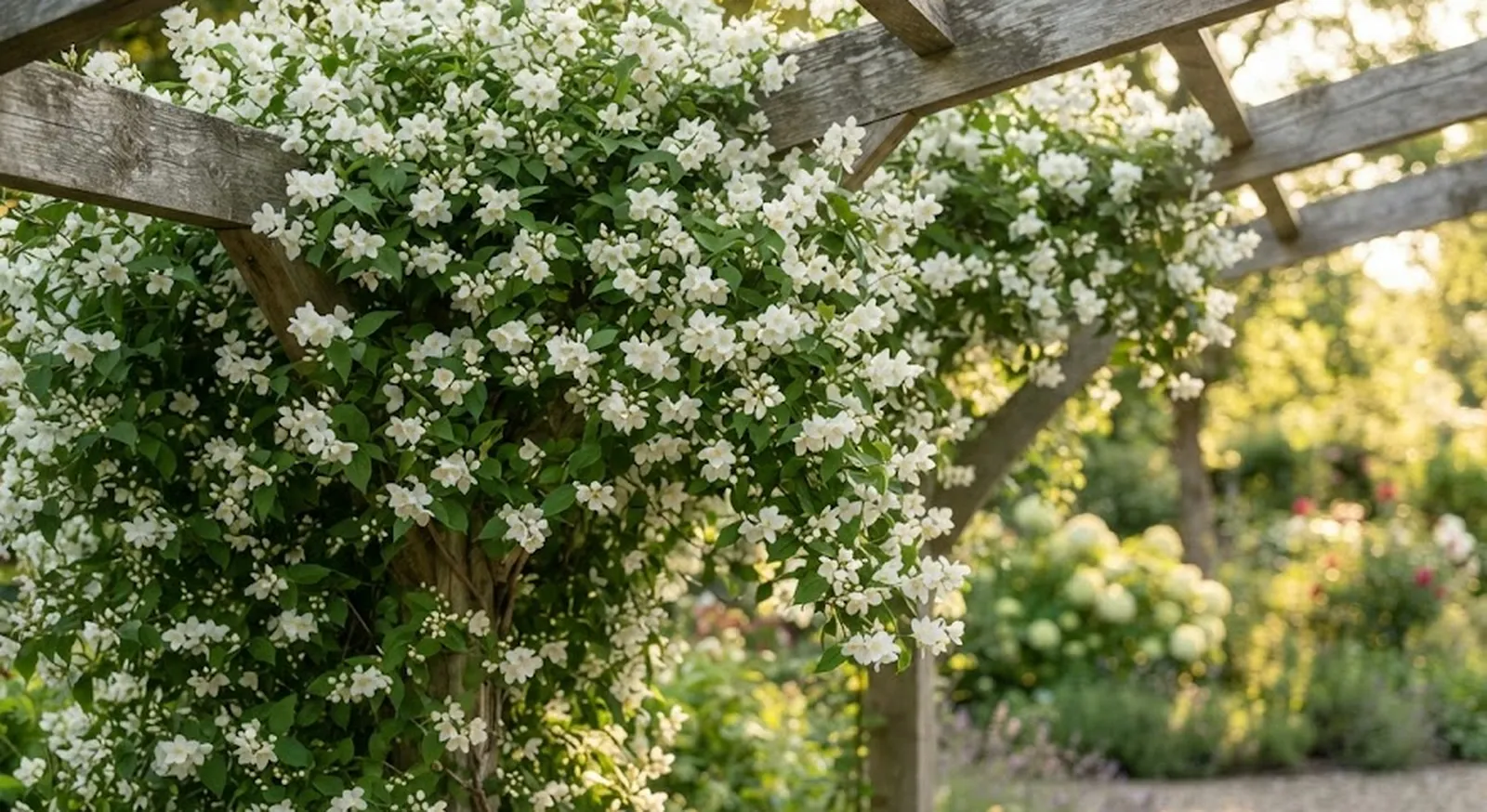
There's no scent that says „summer“ as powerfully as jasmine in the evening. But to have months of flowers and that heady scent, common jasmine (Jasminum officinale) asks you to do a few things right - and one of them most people get wrong.
Start with the spot. Jasmine loves the sun - positions facing south, southwest or west are ideal, with several hours of direct light a day. It tolerates partial shade too, but flowers far more abundantly in full sun. The only things it doesn't like are cold or strong winds, so a sheltered corner is a plus.
The most common mistake is watering. In spring and summer the soil should be lightly moist - neither completely dried out nor flooded with water. In autumn and winter, watering is reduced: let the soil surface partially dry out before you water again. Too much water is the cause of most jasmine problems, including root rot.
The soil should be fertile, rich in organic matter and with excellent drainage - light, fresh earth that doesn't hold water. During the growth and flowering period, feeding helps: compost in spring for plants in the ground, or liquid fertilizer for flowers (rich in phosphorus and potassium) every 3-4 weeks for those in pots.
For shape and richer flowering, do a light pruning - either after flowering ends or toward the end of winter. This controls growth and encourages new shoots that will produce flowers. Guide the stems along a trellis, arch or pergola for even, beautiful growth.
If you want new plants, the easiest way is through summer cuttings - take pieces of 10-15 cm from young, flexible and healthy shoots, below a node, with a clean tool. Avoid shoots that are flowering. And repotting is done every 2-3 years in spring, into a pot just 4-6 cm larger than the previous one - clay ones are best, and avoid metal ones in the summer heat.
When all this is respected, jasmine is a hardy plant that rarely has serious problems. The most common are aphids and scale insects, and they're almost always a sign that something else is off - too much water, poor drainage, too little light. The reward for the effort is well known: from late spring to early autumn, a terrace or garden that smells of the whole summer every warm evening.
The latest 10 news from this category
The most common mistake with a freshly planted plant is not the variety or the soil, but the water. The...
The assumption that August is followed by three brown months of waiting is not true - it is the consequence...
The garden stops being an ornament and becomes infrastructure. What is a Valencian experiment today is an ordinary back yard...

The blue rectangle in the corner of the garden is no longer the law, but the real mistake is not...
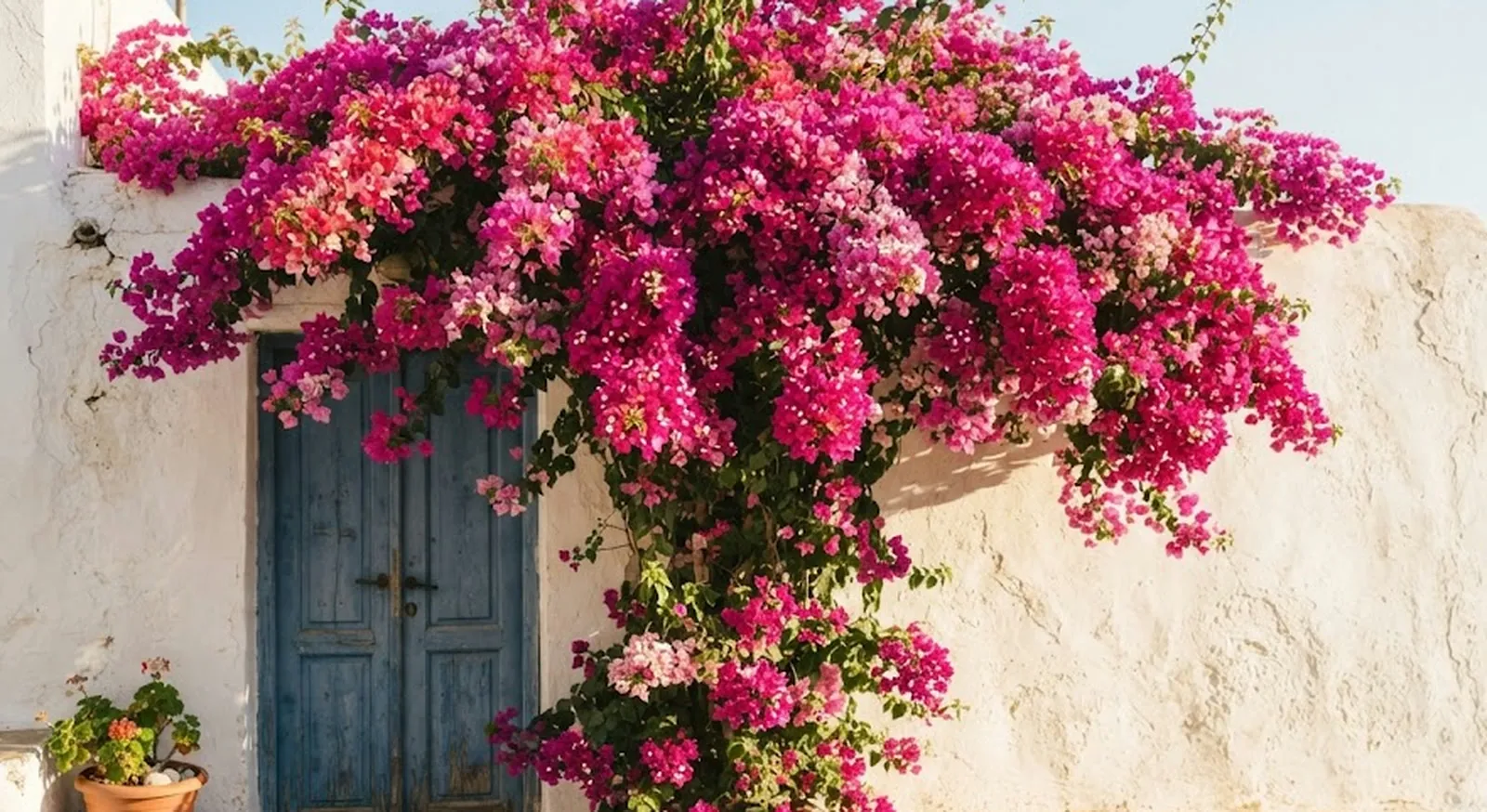
That explosion of colour spilling over Mediterranean walls asks for just two things - sun and a little thirst. And...
Not a scent from a spray can, but something alive that calms you. Sometimes the freshest home is the one...

The difference between a terrace that collects plants and a terrace where you stay lies in a few decisions that...
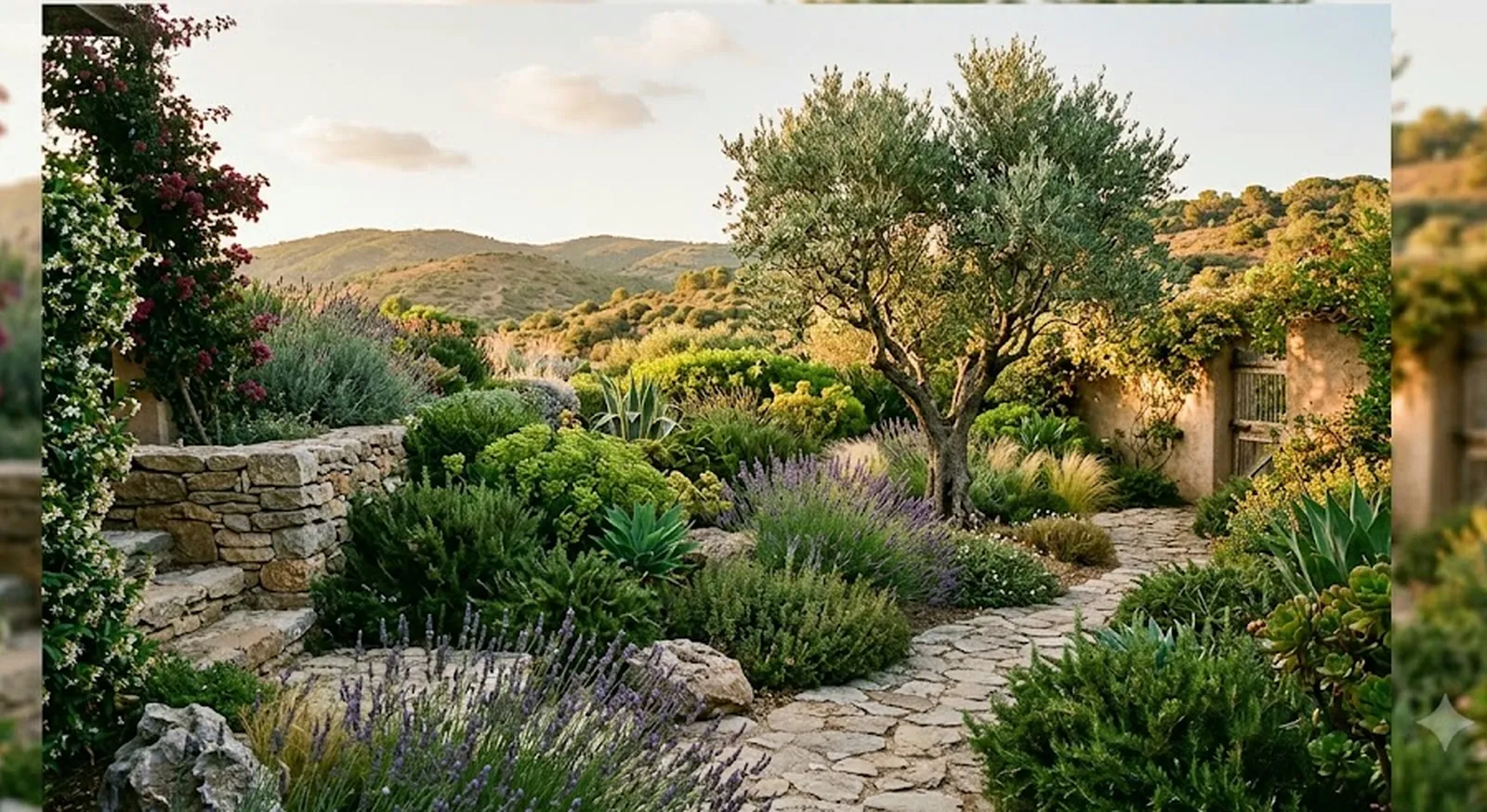
Buying plants with no plan, artificial grass, oversized saplings - a landscape architect lists the mistakes you pay for late....

The feeling that every corner was designed to calm you doesn't depend on a five-star budget. It depends on one...

70% of outdoor-space mistakes start before you walk into the shop. A checklist that leans more on Grandma's kitchen than...
This site uses cookies - is that okay? Learn more
Be the first to know when Metla launches something new
Leave your email and we will write when there is a new guide or something new on Metla.
