

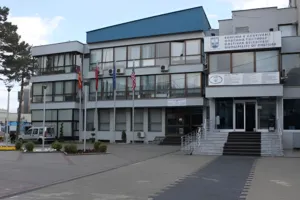
The Macedonian Flag in Gostivar Taken Down and Thrown on the Ground, While the Municipality Claims Nothing Was Removed
29.11.2026


29.11.2026

29.11.2026

29.11.2026

29.11.2026

29.11.2026

29.11.2026

29.11.2026

29.11.2026
29.11.2026

29.11.2026

29.11.2026

28.11.2026
29.11.2026

29.11.2026

29.11.2026

29.11.2026
28.11.2026

27.11.2026
29.11.2026
28.11.2026
27.11.2026
29.11.2026

28.11.2026
28.11.2026
29.11.2026
29.11.2026
28.11.2026

23.04.2026

23.04.2026

12.04.2026

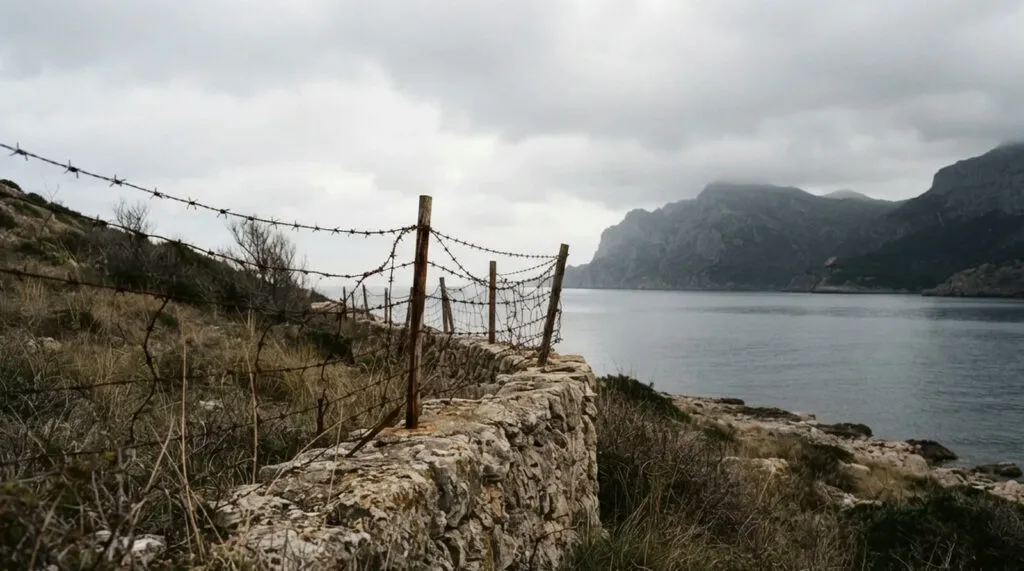
More than 300 people, most of them from around Dubrovnik, passed through the Morinj camp in the Bay of Kotor in 1991 and 1992. More than three decades later, Montenegro is finally paying. The government in Podgorica adopted a report on compensating the former Croatian camp prisoners, and a total of 18 million euros has been set aside for it.
The timing isn't a coincidence. The compensation is one of the conditions Croatia set for backing Montenegro's path to the European Union. No Croatian signature, no membership, and Podgorica plans to become a member in 2028.
Behind the numbers are people. Vlaho Varamenta ended up in the camp as a minor, captured together with his father. "They took him away to be shot and I had no idea what had happened to him. Later they brought him back badly beaten. I was happy he was alive at all," he recalled. Today he sits on the leadership of the association of former camp prisoners from the Dubrovnik-Neretva County.
The calculation is simple and cold: more than 800 euros for every day spent in captivity. Those who already received something through private lawsuits will now get the difference up to the full amount. The families of deceased prisoners are entitled too. "We will try to reach everyone who is entitled, whether they are in Munich, the US, Konavle or Vinkovci," said Zdenko Bulić, president of the association's county branch.
Croatian Foreign and European Affairs Minister Gordan Grlić Radman says the money is satisfaction, but that the acknowledgement matters more. Then he added a sentence that says more than all the diplomatic statements: "In Montenegro there are those who believe it was a civil war."
Three conditions met, five still open
Croatia set Montenegro eight demands in total. Besides the compensation, two more have been met: preserving the memorial plaque in Morinj and renaming the swimming pool in Kotor, which bore the name of one of the camp guards. Yes, a swimming pool named after a camp guard.
Still open are the prosecution of war crimes, the fate of 14 missing persons, the return of and compensation for property of Croatian families, the return of the training ship "Jadran" and - the hardest one - the border. For Zagreb, the land border is settled. Podgorica wants to talk about both the sea border and the land one.
At the heart of the dispute is Cape Oštro, Croatia's southernmost point, which the Montenegrin side considers a matter of national interest. "If the Montenegrin authorities today, in 2026, call that into question, we cannot interpret it any other way than as possible claims on Croatian land," said Prime Minister Andrej Plenković. President Jakov Milatović replied briefly: "Montenegro does not claim a single millimetre of Croatian territory."
Sound familiar?
Zagreb expects all open issues to be settled before the end of Montenegro's accession talks. Macedonia knows very well what the road to Brussels looks like when a neighbour holds the key in its hand - and how long it can take. The difference is that the Morinj demand has first names, surnames and days spent behind barbed wire.
But the list doesn't end with the camp prisoners. A border, a ship, property - will those also be conditions until the last day of negotiations? And when justice for victims gets tied into the same package as a dispute over a cape, how much of it stays justice, and how much becomes a bargaining chip?
The latest 10 news from this category
The new speaker of the Serbian parliament said in Ohrid that Montenegro is an inspiration for Serbia. Knežević showed him...
The region's presidents gathered in Ohrid to talk about joining the EU faster. The loudest message came from the president...
Belgrade's new government is holding in custody the editor who for years was the loudest defender of the old one,...

Podgorica brought back visas for Turks to please Brussels, and Ankara answered with Erdoğan's signature. European integration in the Balkans...

The students beat Vučić, but the academician they're fielding for president calls the border with Bosnia "fictitious" and claims Moscow...
Belgrade has detained the editor of the tabloid that ran "Ukraine Attacked Russia" before the invasion. Now he cries persecution...

A bank that lost money for years, then started making millions after the war in Ukraine began. A firm with...
A Bosniak wartime commander and a former Republika Srpska MP were guests at the wedding of a man police have...
Belgrade recognises Kosovo, and he'll push for the euro in 2027 - plus Čupić's face on a two-euro coin. After...
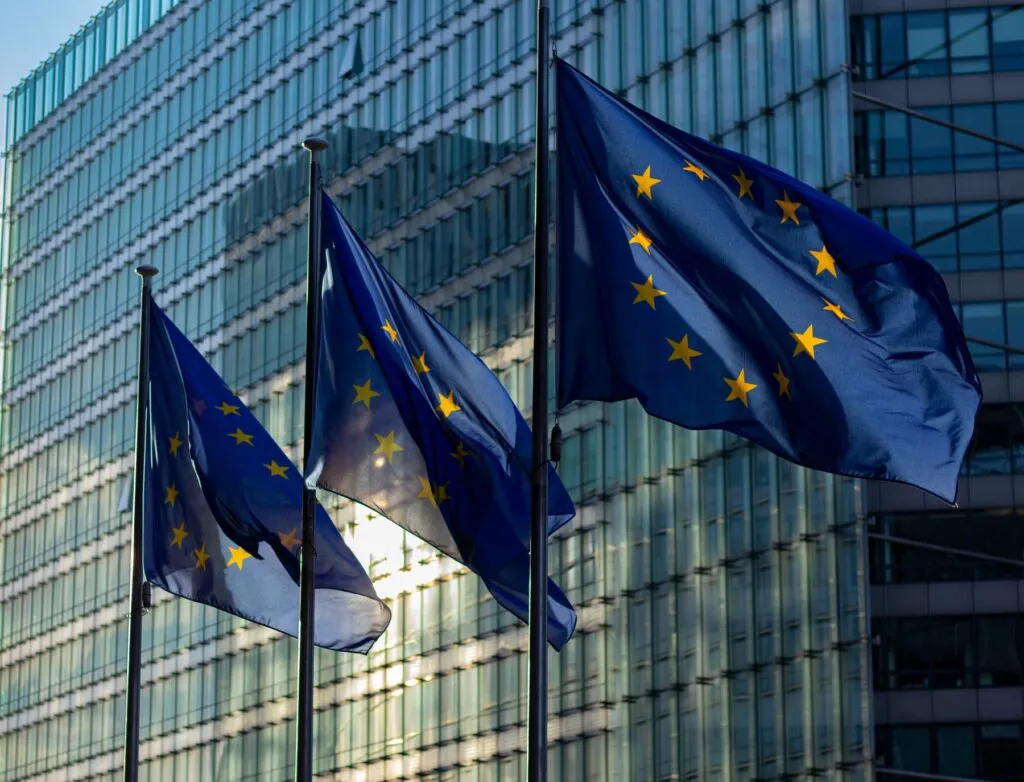
Čupić announced elections on 27 December, fewer ministries and a parliament that will hold the government to account. How many...
If we need anything more, we'll write to the email you left.
Close the form?
What you've entered will be lost.
This site uses cookies - is that okay? Learn more
Be the first to know when Metla launches something new
Leave your email and we'll write to you when there's a new guide or something new on Metla.





