
Five Minors Beat a Boy With Hard Objects Outside a School in Rashche: Who Is Watching the School Gates?
14.11.2026


14.11.2026

14.11.2026

14.11.2026

14.11.2026

14.11.2026

14.11.2026

14.11.2026

14.11.2026

13.11.2026

14.11.2026

14.11.2026

13.11.2026

14.11.2026

14.11.2026

14.11.2026

14.11.2026

13.11.2026

12.11.2026

14.11.2026

13.11.2026

12.11.2026

14.11.2026

13.11.2026

13.11.2026

14.11.2026

13.11.2026

12.11.2026

23.04.2026

23.04.2026

12.04.2026

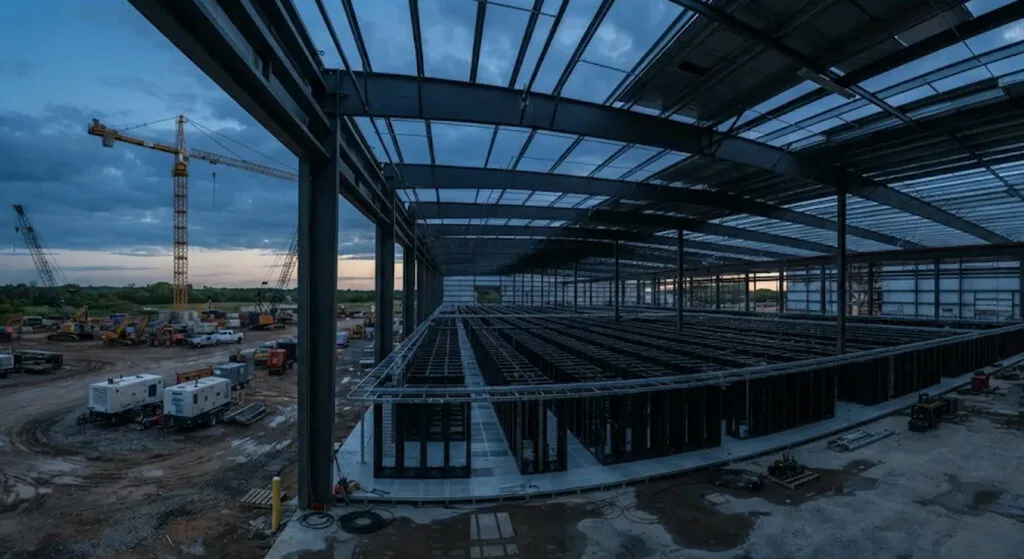
When a company announces it will spend 40 billion dollars in a single year, far more than Wall Street expected, it's natural to ask: where is the money coming from? The answer from Nebius, the Amsterdam-headquartered cloud operator that grew out of Yandex's international business, is simple: from customers. Prepaid contracts, and loans backed by the customer contracts themselves. In other words, the future value of the data centres is supposed to fund their construction.
The scheme works as long as the building sites stay on schedule. And they don't. "Building at this scale is hard, and delays are currently part of our industry. We are not immune," said chief executive Arkady Volozh, co-founder of Yandex, on the third-quarter call with investors.
The biggest stone in its shoe is called Vineland, New Jersey. There, Nebius is supposed to deliver capacity for Microsoft under a contract worth up to 19.4 billion dollars. The centre is months behind: by the end of the year just over half the capacity will arrive, and the rest only in the second quarter of 2027. Originally, those tranches were due in 2025 and 2026.
The explanation sounds technical. The site operator, DataOne, according to Andrey Korolenko, Nebius's chief product and infrastructure officer, "decided to switch off temporary power generation sooner than expected" and is moving to Bloom Energy fuel cells. But the choice was not exactly voluntary. In August the investigative site Floodlight found at least 45 natural-gas generators running without a permit. New Jersey regulators fined the site 1.1 million dollars because the generators were violating federal law. Neighbours, meanwhile, are suing over a constant hum they say comes from the centre.
Microsoft is not a customer who waits forever. Under the contract, if deadlines are missed and there is no alternative capacity, after a grace period it can cancel the affected service, and there are penalties for delays. Nebius says Microsoft "participated in the planning" but would not say whether it had accepted the new dates. Bloomberg, for its part, reported that Microsoft is tightening controls over projects run by outside operators such as Nebius, IREN and Nscale. With Nscale it has already walked away from an option to more than double the contract for a Texas centre, and stopped being the anchor customer for its planned site in Essex, after power delays.
Nebius defends its story with numbers. The delays, it says, are only at sites it doesn't control, while its own centres are on time or ahead of schedule and will deliver most of the new capacity from 2027. The company ended the quarter with 7.4 billion dollars in cash, and chief financial officer María del Dado Alonso Sánchez says prepayments and contract-backed financing will cover up to 85 percent of the planned 40 to 45 billion dollars of investment.
Third-quarter revenue came to 981 million dollars, up 571 percent. But about a third of that is a one-off payment. The 2026 forecast was cut by 200 million, to 3 billion dollars, precisely because of the delays. For 2027 they promise 12 to 13 billion dollars in revenue and breaking even before tax by the fourth quarter. The market was not impressed: the shares fell 17 percent on Thursday, the day Nvidia, which invested 2 billion dollars in Nebius in March, lost Jensen Huang.
Europe rarely has a player of its own in the race for AI infrastructure, so Nebius is watched even by people who don't buy its shares. But when the whole model rests on prepayments, other people's building sites and a handful of big customers, the question is not whether there will be delays. The question is who will pay for them.
The latest 10 news from this category
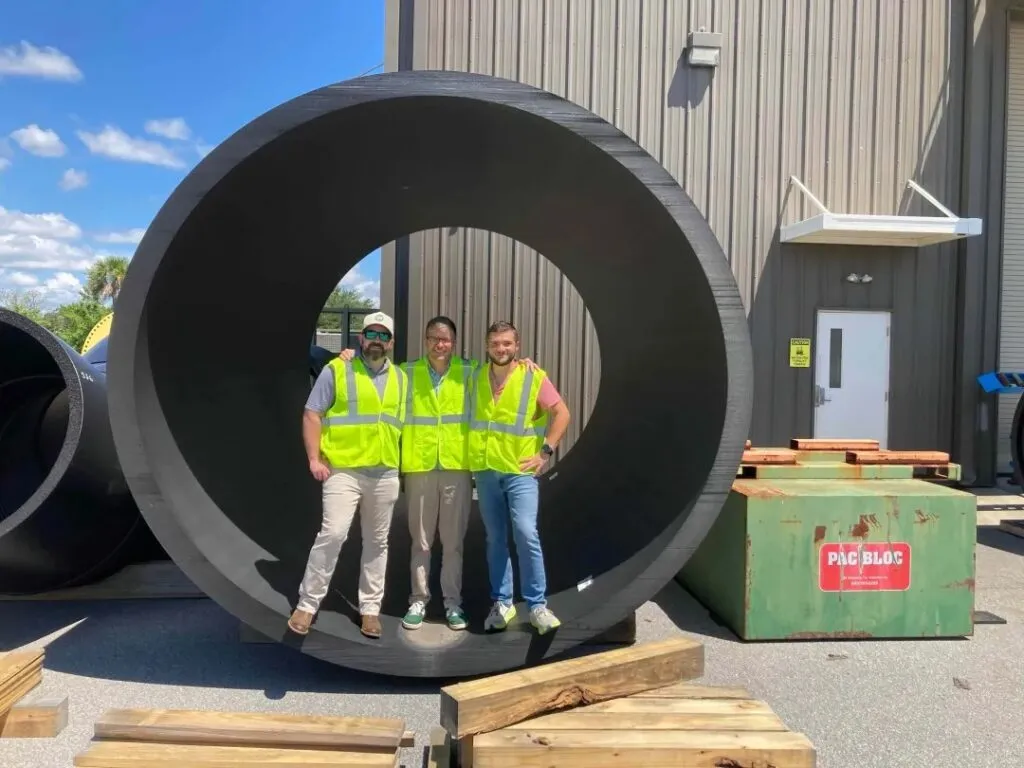
A data centre on a ship, cooled and powered by the ocean. Sounds like science fiction, but the concept dates...

The startup won't ship its first chips until next year, yet it is already worth over 5 billion pounds. The...

The company that tracks your sleep and pulse now wants to be your first door to the doctor. A few...

The company that started out flying blood to hospitals in Rwanda is now building a drone network over American suburbs....

The tool anyone could use to make a poster or a presentation now has a competitor in every chatbot. The...

Three Stanford classmates are selling the idea that AI can build up experience like an employee. Nvidia is both investor...

It had an independent privacy audit and money from Khosla Ventures, but not the capital for the race with Muse...

The National Bank says the license pulled in Belgrade doesn't automatically mean anything for Bitola. Legally, that's true. But the...
Profit is slightly down on last year but above plan. The biggest interest growth comes from the state, and fees...

The model learned from building permits across America and promises buildings that stand. What remains is the question everyone in...
This site uses cookies - is that okay? Learn more
Be the first to know when Metla launches something new
Leave your email and we'll write to you when there's a new guide or something new on Metla.