


Studeničani: 35-year-old dies after being electrocuted while washing his car with a pressure washer
18.09.2026


18.09.2026
18.09.2026

18.09.2026
18.09.2026
18.09.2026
18.09.2026

18.09.2026

17.09.2026
16.09.2026
18.09.2026
18.09.2026

17.09.2026

18.09.2026
18.09.2026

18.09.2026
18.09.2026

17.09.2026

16.09.2026
18.09.2026

18.09.2026

18.09.2026

18.09.2026

17.09.2026

17.09.2026

09.03.2026

27.02.2026

19.02.2026

18.09.2026
17.09.2026
16.09.2026

23.04.2026

23.04.2026

12.04.2026

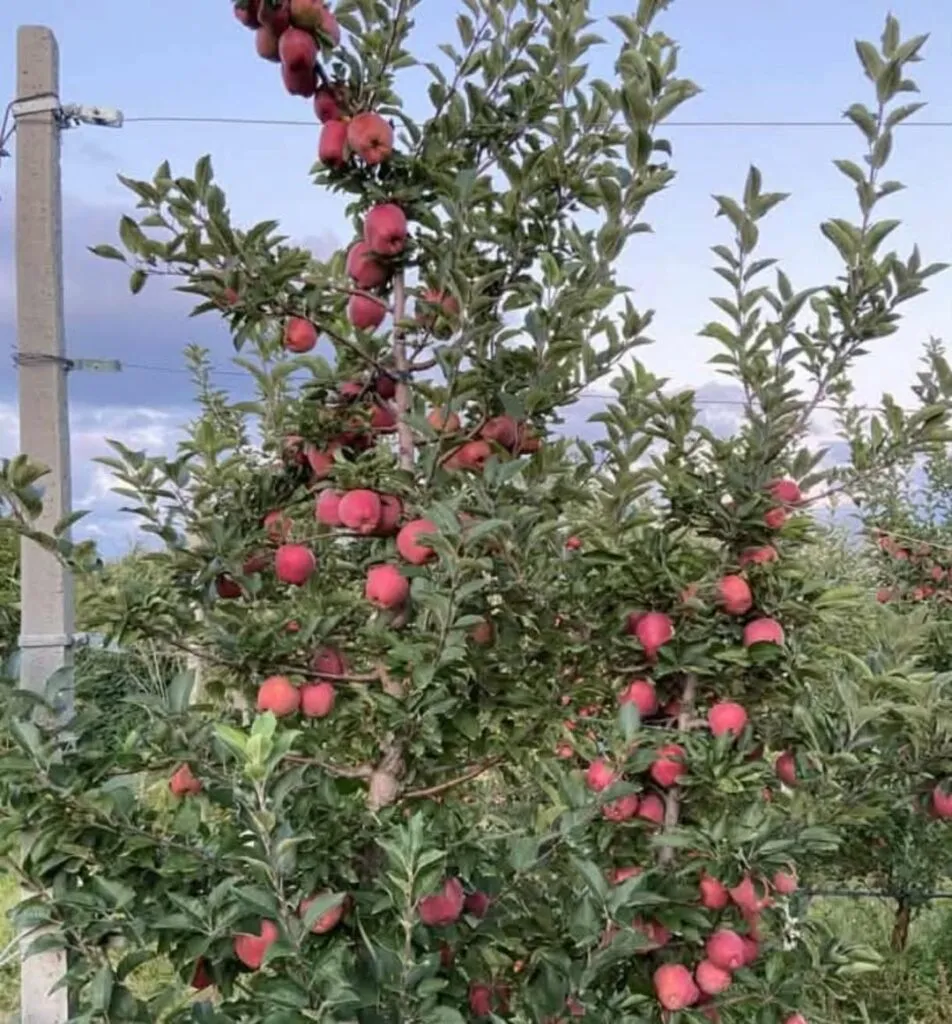
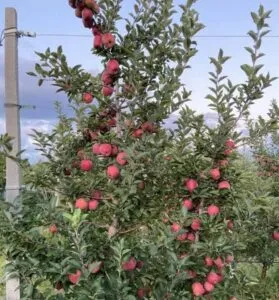
Four denars a kilo. That is what Prespa fruit growers are being offered today for industrial apples, at the exact moment the harvest begins. Last year it was nine, and then the price climbed to eleven.
It costs about ten denars a kilo to grow them. Every kilo they hand over at today's price loses them money.
The numbers, in order
Sound table-variety apples are being bought today for 20 to 25 denars, against 35 to 40 last year. For the "ajdaret" variety the opening price is minimal - just 15 denars a kilo.
Then there is the pickers' daily rate. Last year it was between 2,500 and 2,700 denars per picker. This year everyone is asking 3,000 denars, plus food and transport. Pickers come from Prilep and Bitola, but there are fewer and fewer of them.
"The benchmark for the table apple price is the industrial apple price, and a single-digit price should under no circumstances be up for discussion," says Prespa grower Kire Gulevski, who adds that much of Prespa was scorched by frost and that there are no apples in large quantities this year.
Less fruit, lower price
This is the part that fits no economic logic at all. When the crop is weaker, the price usually goes up. Here it halves.
The growers also list what they have not been paid: two denars for the 2024 crop, two denars for apples produced in 2025, rural development subsidies, funds for registered farmer status.
"Prespa has no future - where are the associations and the agricultural cooperatives to deal with the farmers," growers are writing on social media.
The demand and the response
The Liberal Democratic Party issued a statement calling for the purchase price of industrial apples to be at least 12 denars a kilo. On top of the current four denars comes a two-denar subsidy - six in total, against a production cost of around ten.
"A farmer cannot keep delivering below the cost of production. If the state wants to keep agricultural production going, it will have to provide predictable and sustainable conditions for producers," the party says, and it is also announcing legislation for organised purchasing of strategic agricultural crops - tobacco, grapes, rice, peppers and apples.
Agriculture Minister Borče Serafimovski was in Resen for separate meetings with farmers and with buyers. According to his post, the talks covered expected volumes, crop quality, available purchasing capacity and sales opportunities on the domestic, regional and EU markets.
"Successful placement requires a coordinated approach and shared responsibility from everyone in the chain," Serafimovski said, also pointing to the need to modernise production and adapt to climate change.
A coordinated approach to what
Modernisation and climate adaptation are real tasks. They are just not tasks that get solved this week, and the harvest is this week.
When a farmer who produces at ten denars sits at a table with a buyer offering four, "shared responsibility" is a polite way of saying the state will watch them negotiate. The difference is that one side can wait, and the other has apples falling off the trees.
The latest 10 news from this category
State Audit Office review: 95.36 percent of the sum was collected by force, through bailiffs. Idrizovo prison spent about a...
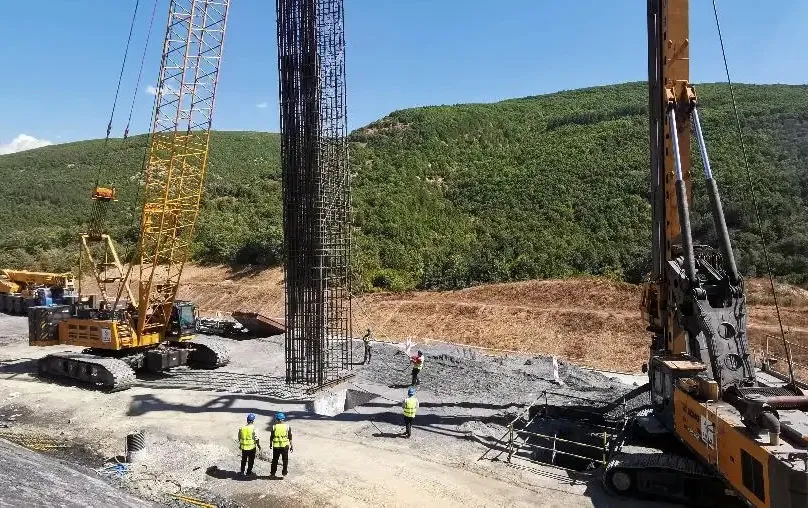
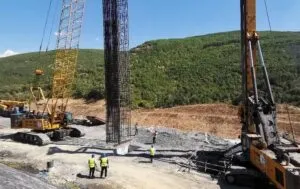
Reinforcement cages weighing 30 tonnes each, 130-tonne machines, and black graphite soil that turns to slurry with water. Nobody will...
When a model learns to lie and the same company that caught it decides how much we get to see....
An eight-year-old firm that started out mining crypto has tripled its value in ten months. It did not discover anything...

The German regulator spent years on an investigation to get one screen changed. The question is not whether the rule...

In January it was "excellent news from Brussels". In September the same minister says the dialogue is bearing no serious...

Both claims can be true at the same time - and that is the most uncomfortable part. What is missing...

Dozens of institutions calculate salaries under their own rulebooks, and nobody has the full picture of what the state pays...
Three days to check the most aligned model yet: the evaluators want a law, not an essay from the CEOs.
The price of uranium has jumped 75 percent in five years, and the list of countries that mine it reads...
This site uses cookies - is that okay? Learn more
Be the first to know when Metla launches something new
Leave your email and we will write when there is a new guide or something new on Metla.
