
The "Pulse" Trial: Prosecution's Expert Calls the Defence's Expert Report "Professional Self-Disqualification"
12.11.2026


12.11.2026

12.11.2026

12.11.2026

12.11.2026

12.11.2026
12.11.2026

12.11.2026
11.11.2026

06.11.2026

12.11.2026

12.11.2026

11.11.2026

12.11.2026

12.11.2026

12.11.2026

12.11.2026

11.11.2026

06.11.2026

12.11.2026

11.11.2026

11.11.2026
12.11.2026

11.11.2026

11.11.2026

12.11.2026
11.11.2026

11.11.2026

23.04.2026

23.04.2026

12.04.2026

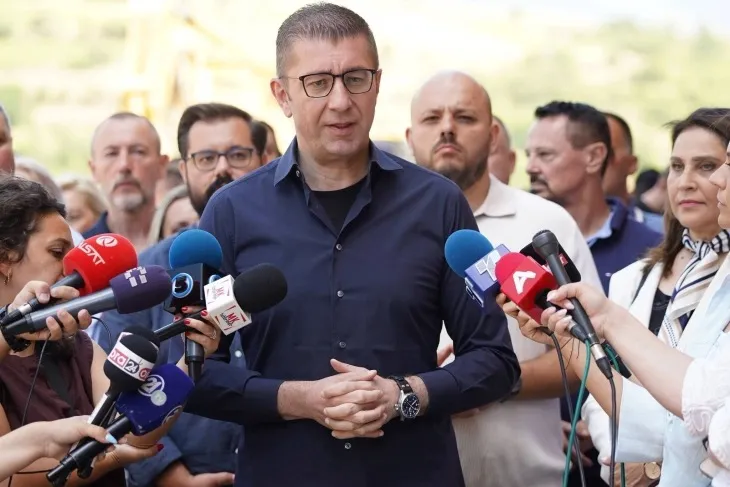
"Politically, going to elections suits us." With that sentence Prime Minister Hristijan Mickoski opened the topic - and immediately closed it: there will be no early parliamentary elections, because, as he put it, the state has to raise five billion euros over the next two years.
He laid out the numbers at a briefing with journalists. In 2027 the state needs to find 2.3 billion euros, and in 2028 around 2.7 billion - to repay money borrowed during Covid, refinance debts, pay interest and cover the budget deficit. "Six months of a caretaker government will take the country straight into bankruptcy. And that caretaker government would be in place at the height of the harshest winter, in January and possibly part of February," Mickoski said.
According to him, 2028, when regular elections are due, will be easier, because some obligations can be pushed into 2029 - the only year that the previous government, he claims, didn't fill up with Eurobond borrowing. He added that nobody in the international community supports early elections.
Elections as a budget line
The argument sounds responsible, but it has a logic worth noticing. If elections are a liquidity risk, then democracy becomes a line item in the debt repayment schedule. And the debts didn't fall from the sky: by the prime minister's own account, this is money borrowed during Covid, now being repaid and refinanced with new borrowing. The repayment schedule is now setting democracy's calendar too.
The statement came as government partner ZNAM, led by Maksim Dimitrievski, threatens to leave the government over a dispute about the language of the bar exam. Mickoski said that wouldn't mean elections either, because the government has a majority even without ZNAM's MPs - according to him, the ruling majority has 75 to 76 MPs. The proposal for the exam, he said, has been sent to the Venice Commission: the theory part would be taken in the language in which the candidate completed higher education, and the practical written part exclusively in Macedonian and the Cyrillic script.
The message to his coalition partners is clear: leave if you want, the government stays. The message to citizens is even clearer - voting will wait until the regular date in 2028. Which leaves the question: if the state is so fragile that six months of a caretaker government would bankrupt it, what exactly was built in the years this debt was piling up?
The latest 10 news from this category

The president stopped the law, the majority cut one article and moved on. The contested provisions the opposition warned about...

Seven years of work, 33 EU directives and not one public word about the issue that shook the country in...
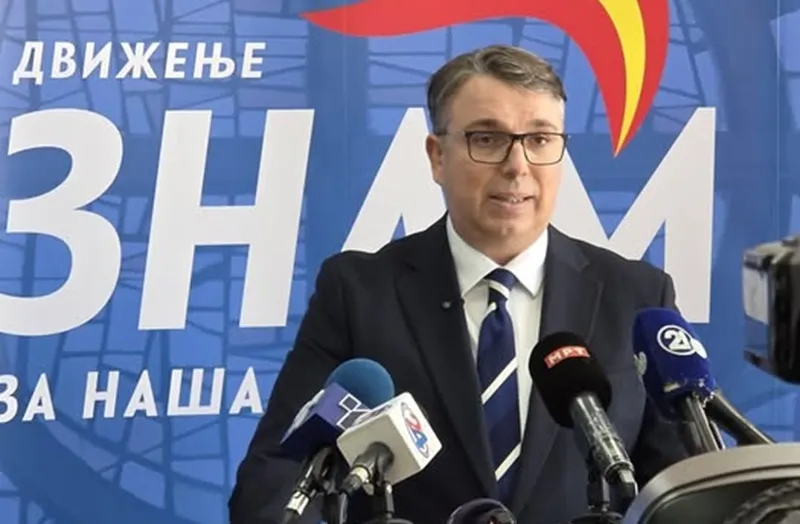
One coalition partner offers a solution, another threatens to walk out if it passes. The exam for future judges has...
Brussels praised foreign policy and the Growth Plan. On corruption it writes that there's no progress, and on the judiciary...
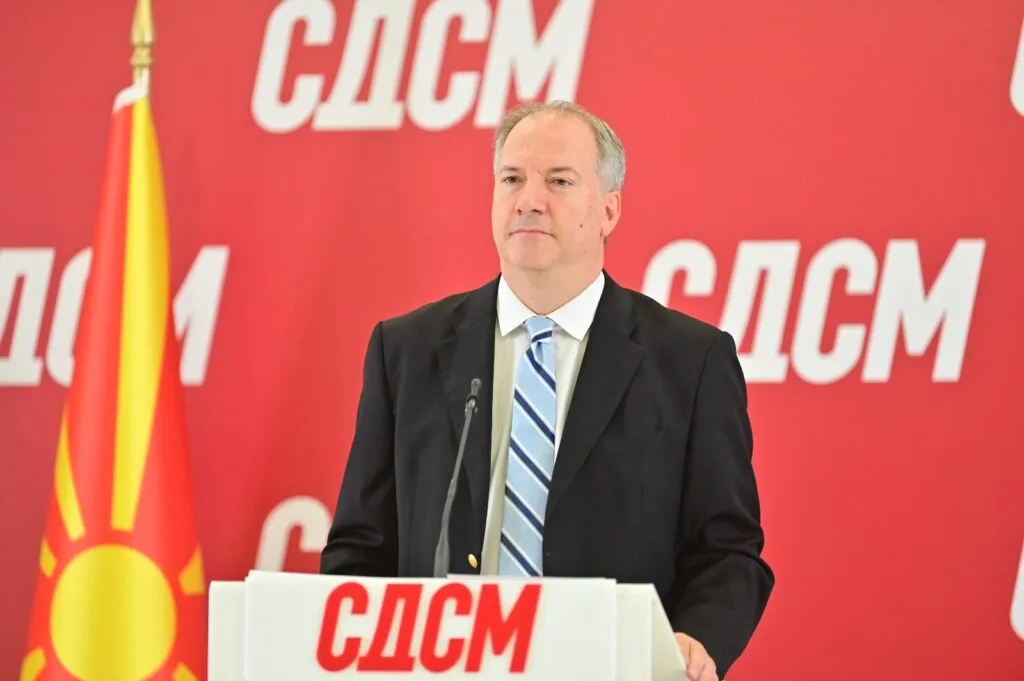
The opposition lists the zeros in the report, the government hits back with personal attacks. Corruption and the empty judges'...
Corruption is widespread, electoral reforms are stalled, and on the Constitution "no attempts were made". Amid all that, Brussels found...
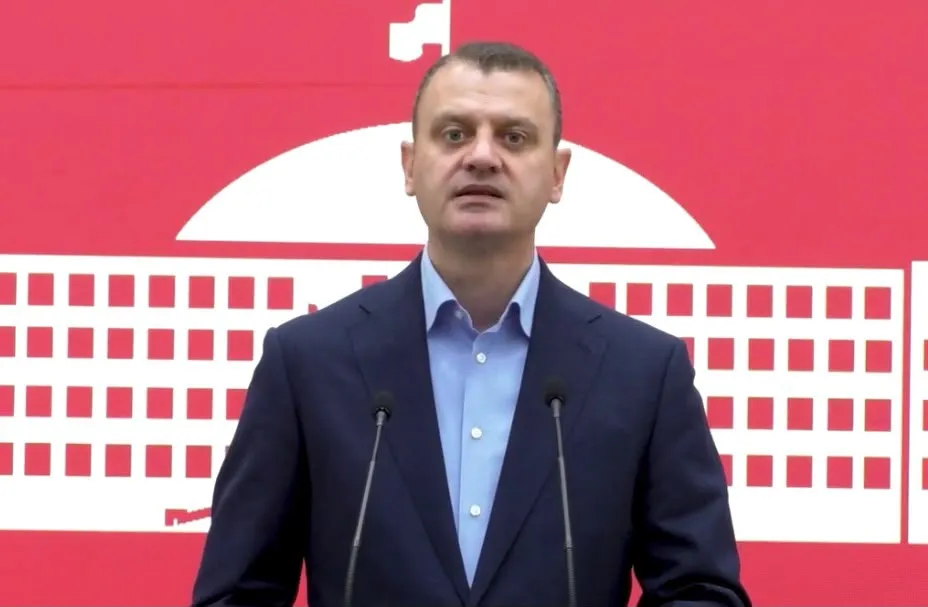
The opposition accuses the local self-government minister of glorifying a convicted war criminal, ties to Serbian intelligence structures and threats...
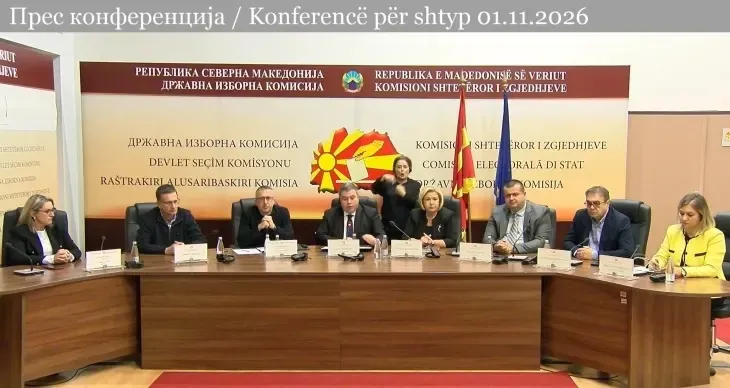
DUI took Brvenica, and for VMRO-DPMNE the result is "more than excellent" - even though its coalition partner VLEN ended...
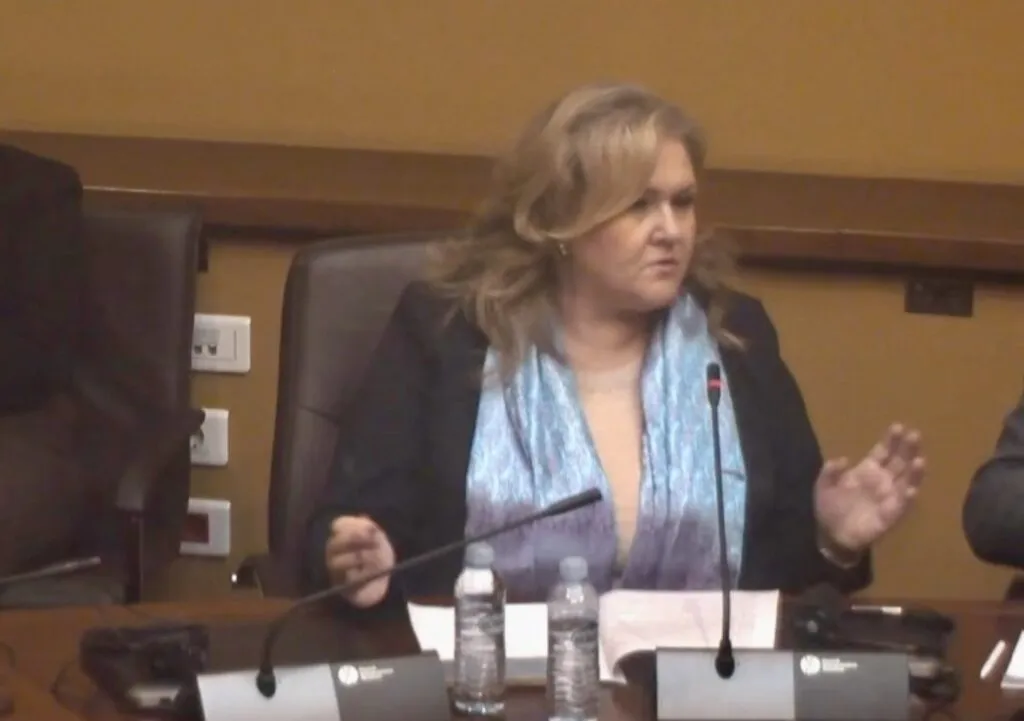
The rules are good, the services don't cooperate, so let's delete the rules. The opposition asks why the Coordination Council...

The opposition announces an interpellation and demands an investigation, the governor answers with "Is that clear now?" How long the...
This site uses cookies - is that okay? Learn more
Be the first to know when Metla launches something new
Leave your email and we'll write to you when there's a new guide or something new on Metla.