Bitten by a Stray Dog? Treatment Is Only the Start - Without a Description and Photo of the Animal, Your Report Can Be Thrown Out as Unfounded
13.11.2026


13.11.2026
13.11.2026
13.11.2026
13.11.2026
13.11.2026

13.11.2026
13.11.2026

12.11.2026

12.11.2026
13.11.2026

13.11.2026

12.11.2026
13.11.2026

13.11.2026

13.11.2026
13.11.2026

12.11.2026

11.11.2026

13.11.2026

12.11.2026

11.11.2026
13.11.2026

13.11.2026
12.11.2026
13.11.2026

12.11.2026
11.11.2026

23.04.2026

23.04.2026

12.04.2026


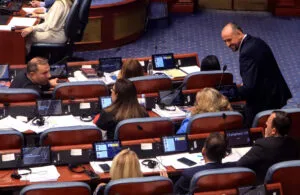
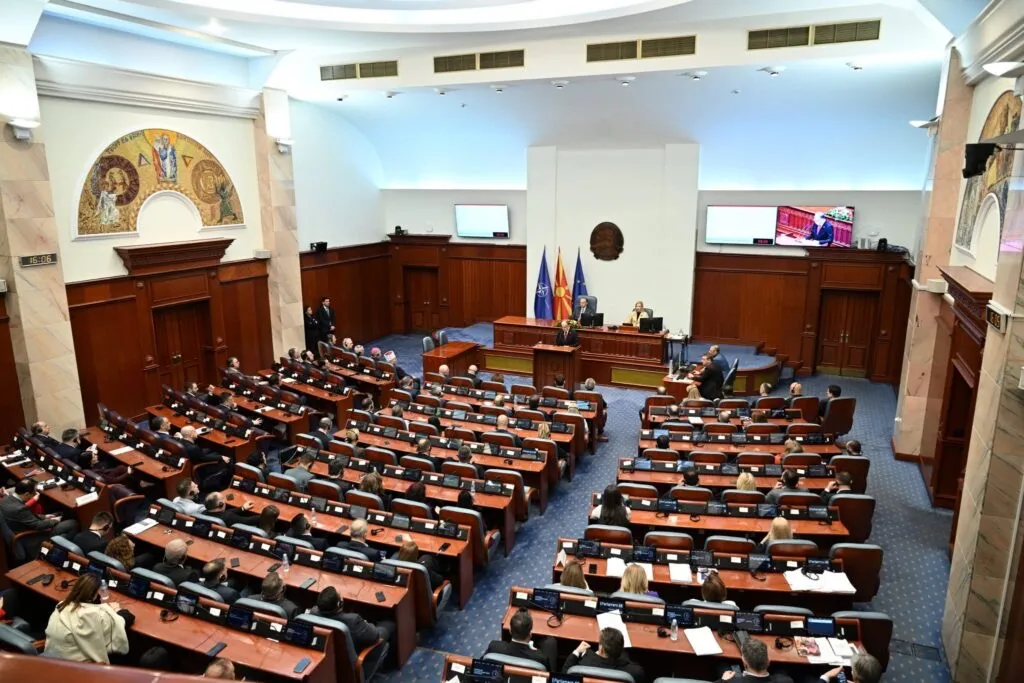
A session scheduled for opposition MPs' questions. Three hours later - not a single question asked. Instead: two one-hour breaks, heckling, insults, a middle finger shown to the opposition and a third break that Speaker Afrim Gashi called without saying when the session would resume.
It all started with the empty government benches. The coordinator of the DUI parliamentary group, Rina Ajdari, demanded that ministers come into the chamber instead of sitting in the parliament café. She has a question for Justice Minister Jeton Shasivari, announced three weeks ago, and the minister was not there. She asked for a one-hour break so the government could show up. Gashi replied that the ministers had been called and that the opposition was "cutting its own time".
That is the key. The Rules of Procedure guarantee the opposition two hours for questions. Gashi counted the break within those two hours. Then ZNAM MP Daniel Stojchevski asked for another one-hour break, claiming the prime minister and ministers had been present and that we are "the only country in the world" where the opposition calls a break on its own instrument. The opposition shouted back that they had not been there. The result: the two hours "passed", and no question was asked.
The opposition reacted sharply. Oliver Spasovski of SDSM demanded that Gashi say under which article of the Rules of Procedure a break counts as working time. Boris Krmov of Levica threatened that there would either be as many questions as the Rules provide for or no session at all, remarking that the ministers can't be bothered not only to come but even to write that they won't come. Halil Snopche of the Alliance for Albanians said democracy is not measured by the length of breaks but by the space given to the opposition. The majority, for its part, said the opposition was sabotaging its own questions and was "afraid of the truth".
The two sides can argue over who started the game. But the instrument exists for one thing: for the government to answer to Parliament. If the ministers are not in the chamber, and the break to summon them is taken out of the opposition's time, then who is holding the government to account? And how many sessions like this have to pass before MPs' questions become a formality on paper?
The context is even more telling if you look at what comes next. After the question session, the continuation of the 129th session is scheduled, with the changes to the Public Procurement Law. According to critics, they raise the threshold for purchases without a tender from 5,000 to 10,000 euros and remove the "lowest price" criterion. A law on spending public money on the agenda - on a day when nobody from the government answered a single question.
The latest 10 news from this category
One quiet change of wording was meant to let members of the tender appeals commission be reappointed without limit. The...
The prime minister admits an election would suit him politically, but says six months of a caretaker government would bankrupt...

The president stopped the law, the majority cut one article and moved on. The contested provisions the opposition warned about...

Seven years of work, 33 EU directives and not one public word about the issue that shook the country in...
One coalition partner offers a solution, another threatens to walk out if it passes. The exam for future judges has...
Brussels praised foreign policy and the Growth Plan. On corruption it writes that there's no progress, and on the judiciary...
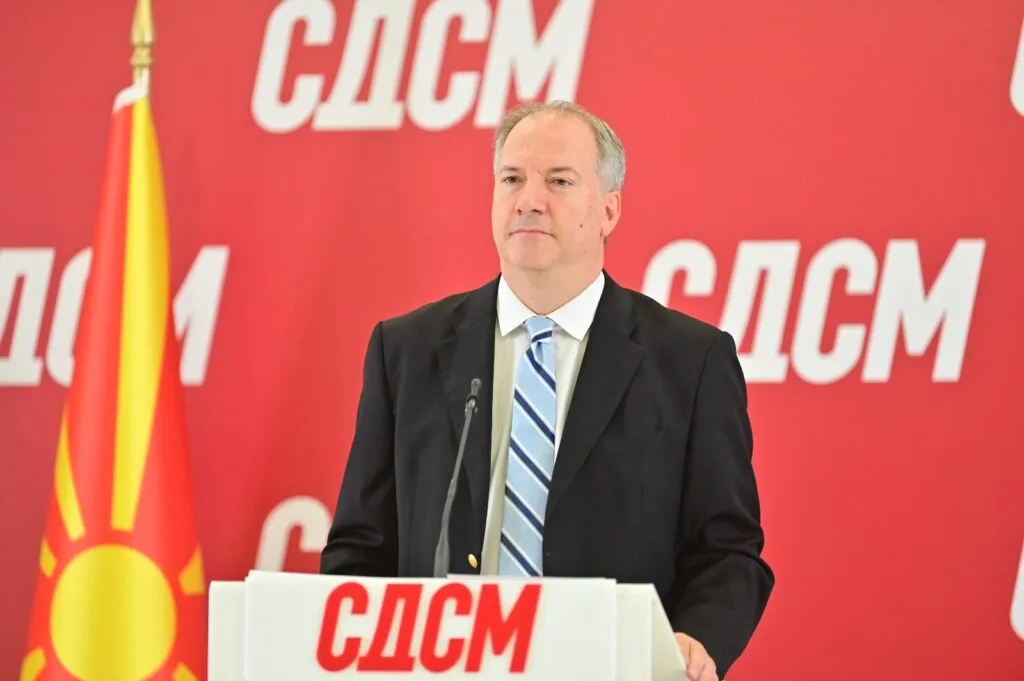
The opposition lists the zeros in the report, the government hits back with personal attacks. Corruption and the empty judges'...
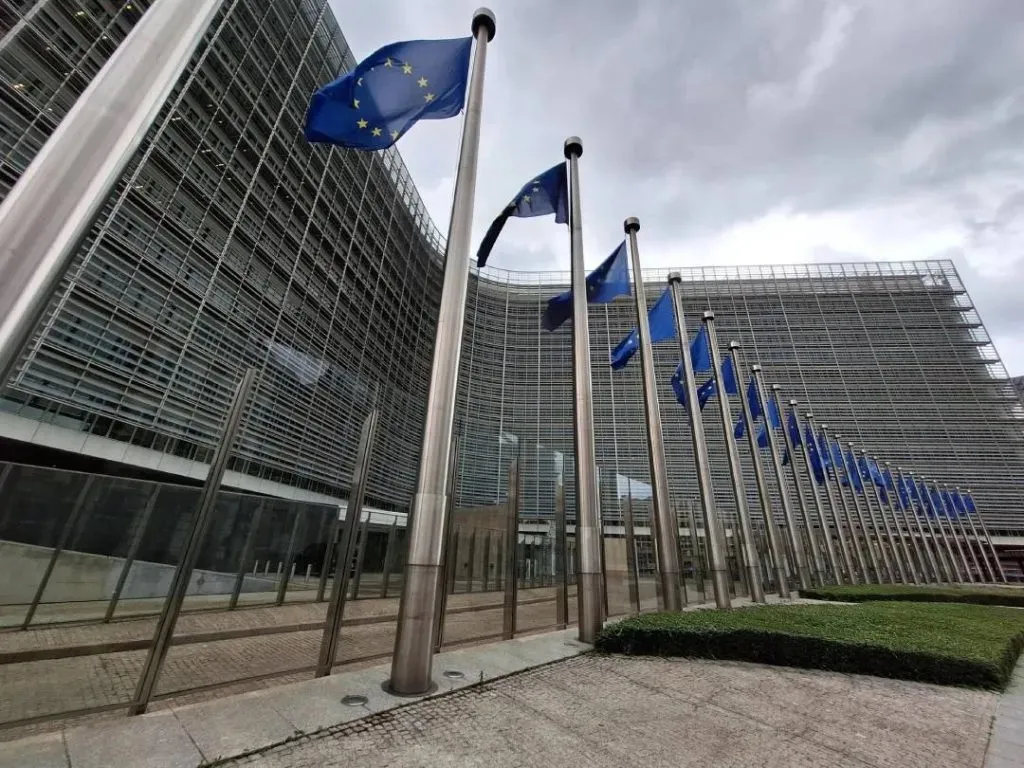
Corruption is widespread, electoral reforms are stalled, and on the Constitution "no attempts were made". Amid all that, Brussels found...
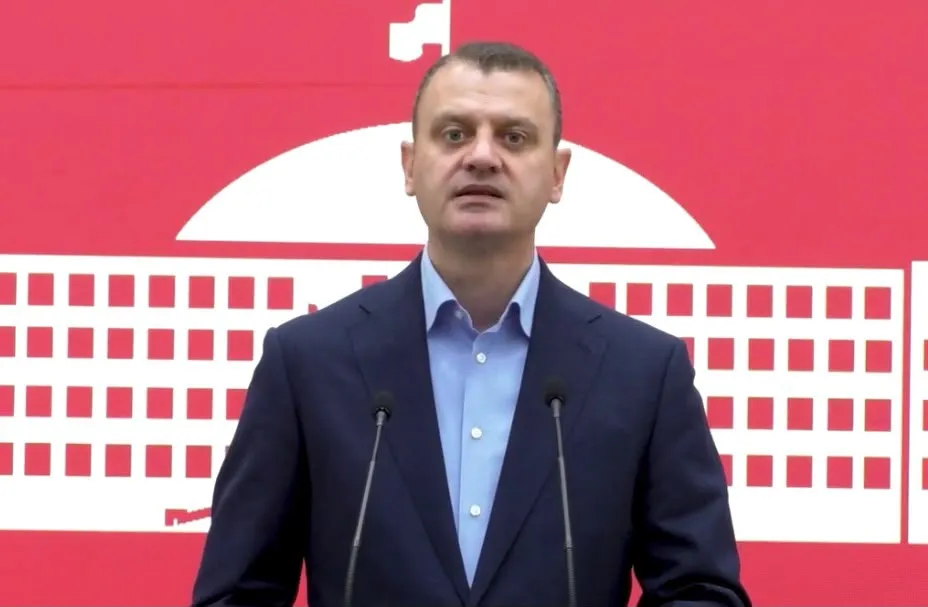
The opposition accuses the local self-government minister of glorifying a convicted war criminal, ties to Serbian intelligence structures and threats...
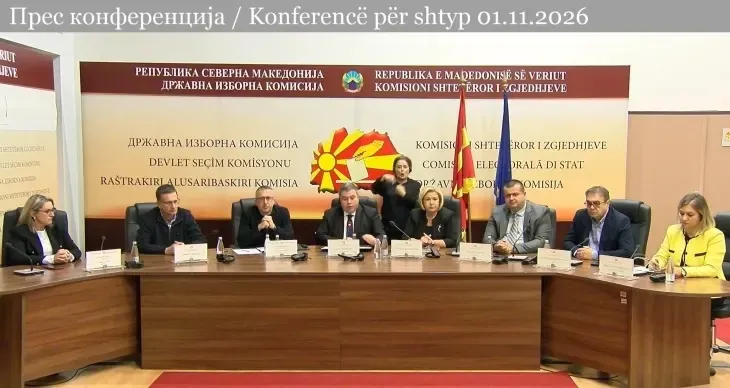
DUI took Brvenica, and for VMRO-DPMNE the result is "more than excellent" - even though its coalition partner VLEN ended...
This site uses cookies - is that okay? Learn more
Be the first to know when Metla launches something new
Leave your email and we'll write to you when there's a new guide or something new on Metla.