A Loan-Shark Gang in Kumanovo Ran for Five Years - and Only Fell When One Citizen Found the Courage to Report It
06.11.2026


06.11.2026

06.11.2026

06.11.2026

06.11.2026

06.11.2026

06.11.2026

06.11.2026

05.11.2026

05.11.2026

06.11.2026

06.11.2026

05.11.2026

06.11.2026

06.11.2026

06.11.2026

06.11.2026

05.11.2026

04.11.2026

06.11.2026

06.11.2026

06.11.2026

06.11.2026
05.11.2026
05.11.2026

06.11.2026

05.11.2026

04.11.2026

23.04.2026

23.04.2026

12.04.2026

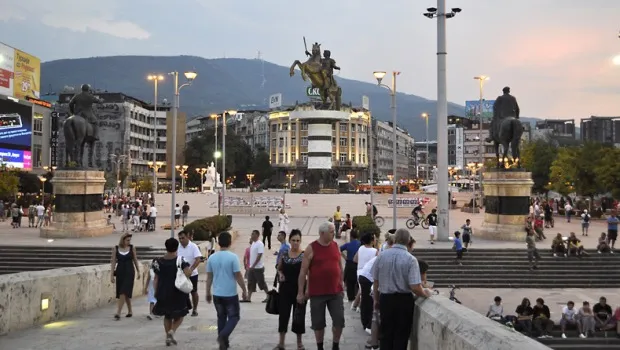
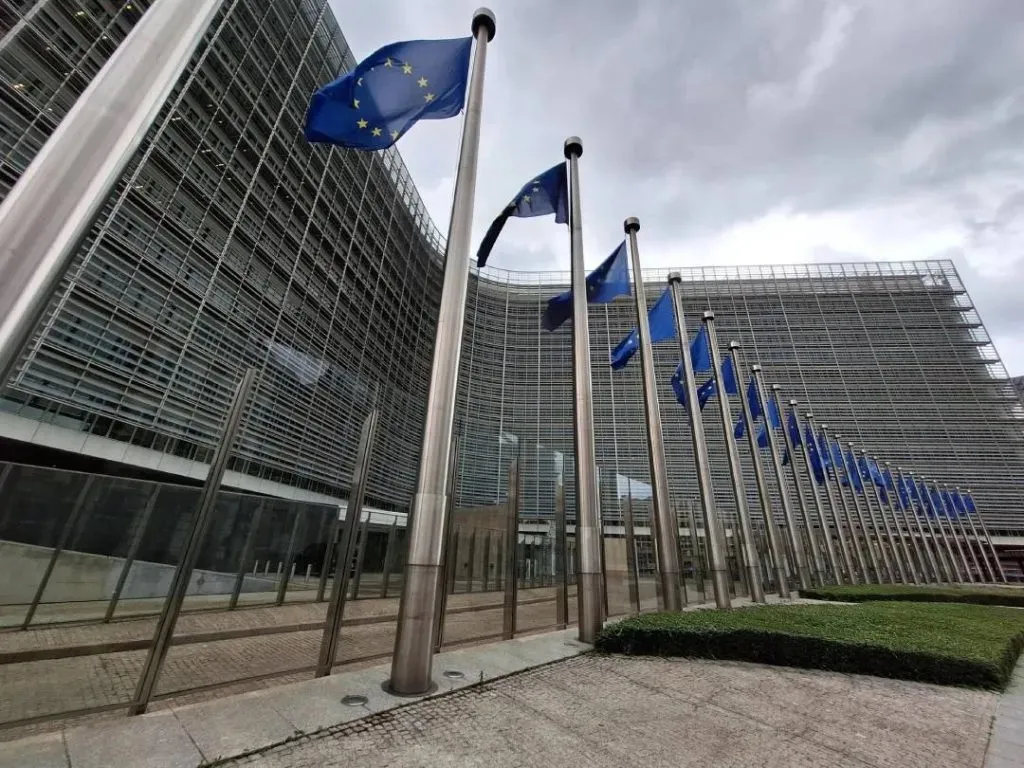
The European Commission in Brussels has presented its 2026 Report on Macedonia. Each side immediately grabbed the part that suits it. But if you read the whole document, the most powerful number isn't a compliance percentage or a progress rating. It's this: the courts are short of 221 judges, and there will be no new judicial candidates until 2028 - because there's no money in the budget.
Where Brussels gives praise
The praise is real. Macedonia has maintained full, 100-percent alignment with EU foreign and security policy, including the sanctions linked to Russia's aggression against Ukraine. The Commission counts it among the more successful countries in implementing the Growth Plan for the Western Balkans. A Roadmap for public administration reform has been adopted, and the Stabilisation and Association Committee met in April 2026 for the first time since 2021. EU Commissioner Marta Kos said the country has improved its readiness for membership.
Where there's no progress
On corruption the Commission is blunt: no progress. Corruption remains widespread, high-level corruption cases drag on, and some of them hit the statute of limitations without a final verdict. The recommendations from last year's report, according to Brussels, have not been implemented. The electoral code is still not aligned with the recommendations of the OSCE/ODIHR and the Venice Commission.
The January 2026 amendments to the Criminal Code on abuse of office, the report says, don't repair the consequences of the 2023 amendments. The new provision on abuse in public procurement covers only two grounds - too narrow, according to the Commission, to catch other serious tender manipulation.
The judiciary: laws yes, judges no
This is the hardest part. The Commission acknowledges new laws - on the Judicial Council, on the Council of Public Prosecutors, on judges' and prosecutors' salaries, on civil procedure. But the independence and financial autonomy of the judiciary, it writes, are undermined by constant interference from the other branches of government and by a drastic shortage of money and staff.
Only 38 percent of planned positions in the courts are filled. According to the 2025 annual reports of the Judicial Council and the Council of Public Prosecutors, 221 new judges and 67 prosecutors are needed. Thirty-five judges and prosecutors have chosen to work until 67 to patch the gap. And the Academy for Judges and Public Prosecutors cancelled its largest-ever intake - 130 candidates - because of insufficient funds in the 2026 budget.
So the state knows it needs judges, knows how many, and still cancelled the largest candidate intake ever. How many more years will an ordinary citizen wait for their case because of that?
The report also notes something that has nothing to do with money. Trust in the judiciary remains very low, and the Commission calls "provocative statements by senior politicians" about plans to clean house in the judiciary and prosecution, including personal criticism of judges and prosecutors, undue influence and intimidation. In November 2025 the Supreme Court, the Judicial Council and the Judges' Association issued a joint response - an unprecedented move.
The constitutional amendments
Then there's the issue Brussels sets as a condition: constitutional amendments to include additional communities, among them the Bulgarian one. The Commission notes there's no progress and that without them the first cluster, "Fundamentals of the accession process", remains unopened. The condition stems from the 2022 EU Council conclusions, adopted after the Bulgarian blockade - and it continues to hold the whole process in place.
The government will quote the praise, the opposition will quote the criticism. But the number 221 has no party colour. It means longer trials, more cases timed out, and justice that arrives - when it arrives.
The latest 10 news from this category
The opposition lists the zeros in the report, the government hits back with personal attacks. Corruption and the empty judges'...
Corruption is widespread, electoral reforms are stalled, and on the Constitution "no attempts were made". Amid all that, Brussels found...
The opposition accuses the local self-government minister of glorifying a convicted war criminal, ties to Serbian intelligence structures and threats...
DUI took Brvenica, and for VMRO-DPMNE the result is "more than excellent" - even though its coalition partner VLEN ended...

The rules are good, the services don't cooperate, so let's delete the rules. The opposition asks why the Coordination Council...

The opposition announces an interpellation and demands an investigation, the governor answers with "Is that clear now?" How long the...

Mickoski counts a gain of 1,200 votes since the first round, but he doesn't have Brvenica. "Alone against everyone" sounds...

The opposition claims it warned for months, the prime minister leaned on the National Bank's checks. Somebody vetted the bank...

On 1 November Sofia elects its head of state. The debate was a squabble over who deserves the credit for...

At his closing rally he talked about unity and institutions that serve the citizen. Then, from the stage, he pointed...
This site uses cookies - is that okay? Learn more
Be the first to know when Metla launches something new
Leave your email and we'll write to you when there's a new guide or something new on Metla.