Lightning Set 15 Hectares Alight Near Makresh: Eight People Fought It for Five Hours, Two of Them Ordinary Villagers
17.07.2026


17.07.2026

17.07.2026

17.07.2026
17.07.2026

17.07.2026
17.07.2026

17.07.2026

17.07.2026
17.07.2026

17.07.2026

16.07.2026
15.07.2026

17.07.2026

17.07.2026

17.07.2026

09.03.2026

27.02.2026

19.02.2026

17.07.2026
16.07.2026

15.07.2026

23.04.2026

23.04.2026

12.04.2026

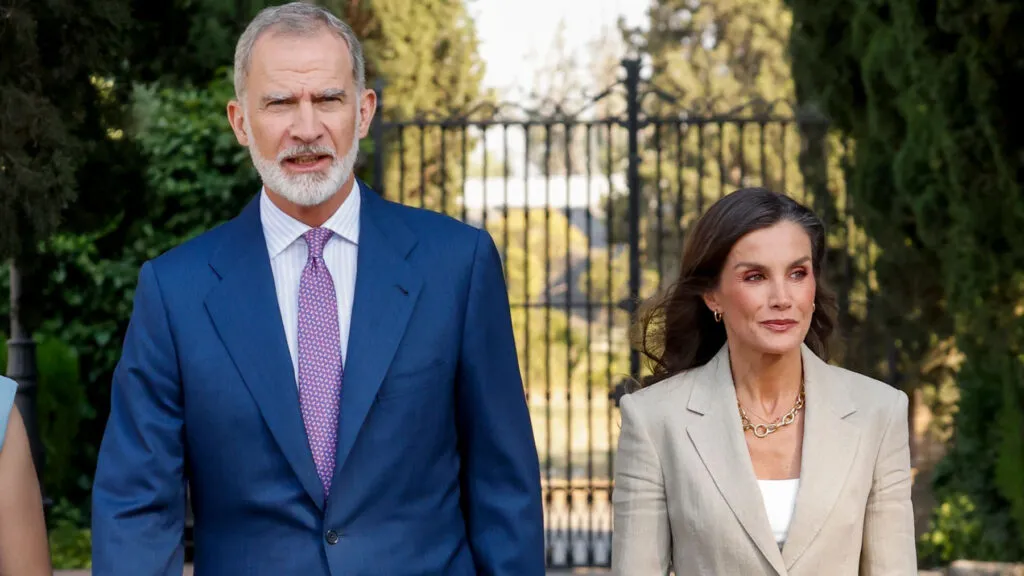
The Spanish royal household has just renewed its contract for the supply of newspapers and magazines. The figure is not modest: the original January 2024 contract was worth 121,160 euros, and the extension adds around another 5,000. All so that one family can read in the morning what the world is writing about it.
The details are where the story actually is. In Madrid alone, 18,980 copies of national newspapers, 5,110 foreign newspapers and 3,358 weekly and monthly magazines are delivered every year. Add to that 84 subscription newspapers and 54 digital subscriptions. When the royal family spends the summer at Marivent in Palma de Mallorca, another 2,652 national dailies, 588 foreign papers and 360 magazines travel there too.
There is also a schedule that does not get broken. Every edition must arrive at the Zarzuela Palace before 7:30 in the morning on working days and before 8:00 on weekends and holidays, packed into labelled bags for each department separately. Not after the coffee. Before the coffee.
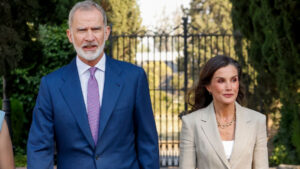
Queen Letizia was a journalist before she entered the palace, and she has clearly not cut that cord. Last year, visiting the famous book stalls at the Cuesta de Moyano in Madrid, she said: "There are many millions of us Spaniards who cannot live without the radio. I do not wake up to alarms or screaming. I open my eyes to the voices of very kind people telling me how life is going."
A lovely sentence. But behind it sits an infrastructure very few people have. When an institution spends a six-figure sum a year purely to know what is written about it, that is not a reading habit - it is monitoring. The difference between a citizen who reads a newspaper and a court that orders 3,358 magazines is the difference between staying informed and tracking your own image.
And here is the most interesting part: 54 digital subscriptions against nearly 19,000 printed copies. In 2026, an institution that can afford anything still asks for paper. Perhaps because on paper you can see how much space they gave you, which page they put you on, and what you failed to read. The algorithm does not show it that way.
Does anyone here count how many newspapers go into which offices - and who pays for that subscription?
The latest 10 news from this category

Matt Damon as Odysseus, three hours of IMAX and a quarter-billion budget. Homer wrote the same story for free.

Daily horoscope - 17.07.2026
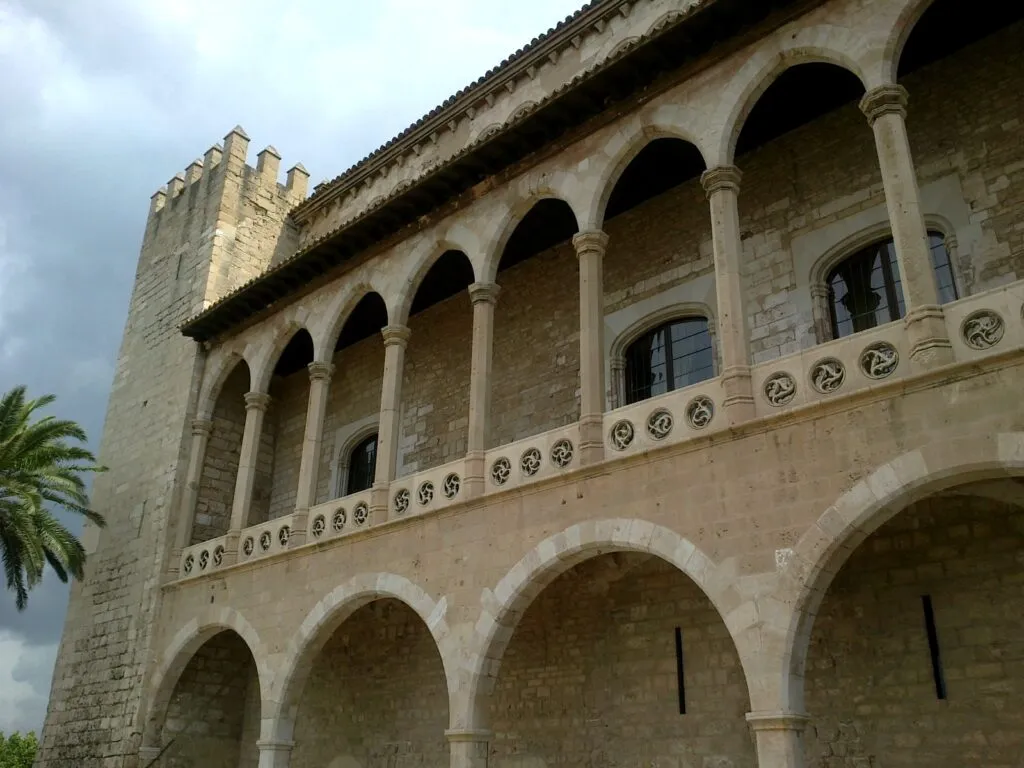
The complete refurbishment of the royal residence on Mallorca cost 2.573 million euros - mostly from European funding. And the...
Château Ferrières was built by the Rothschilds with orders that it be twice the size of any other. Napoleon III...
Daily horoscope - 16.07.2026

While our politicians fight for a single term, he has outlived them all. A ruler's longevity doesn't mean the system...
Daily horoscope - 15.07.2026

France's manager turned grief into work. A story of strength, family and a pain no trophy can measure - one...
Daily horoscope - 14.07.2026
The Barcelona star celebrates his birthday as Spain gets ready for the semifinal against France. The talent is undeniable -...
This site uses cookies - is that okay? Learn more