

Kratovo man stabs police officer mid-intervention: prosecutors want the 40-year-old detained
15.09.2026


15.09.2026

15.09.2026

15.09.2026

15.09.2026

15.09.2026
15.09.2026

15.09.2026

14.09.2026

13.09.2026

15.09.2026

15.09.2026

14.09.2026

15.09.2026
15.09.2026

15.09.2026

15.09.2026

14.09.2026

13.09.2026

15.09.2026

15.09.2026
15.09.2026

15.09.2026

15.09.2026

14.09.2026

09.03.2026

27.02.2026

19.02.2026

15.09.2026

14.09.2026
14.09.2026

23.04.2026

23.04.2026

12.04.2026

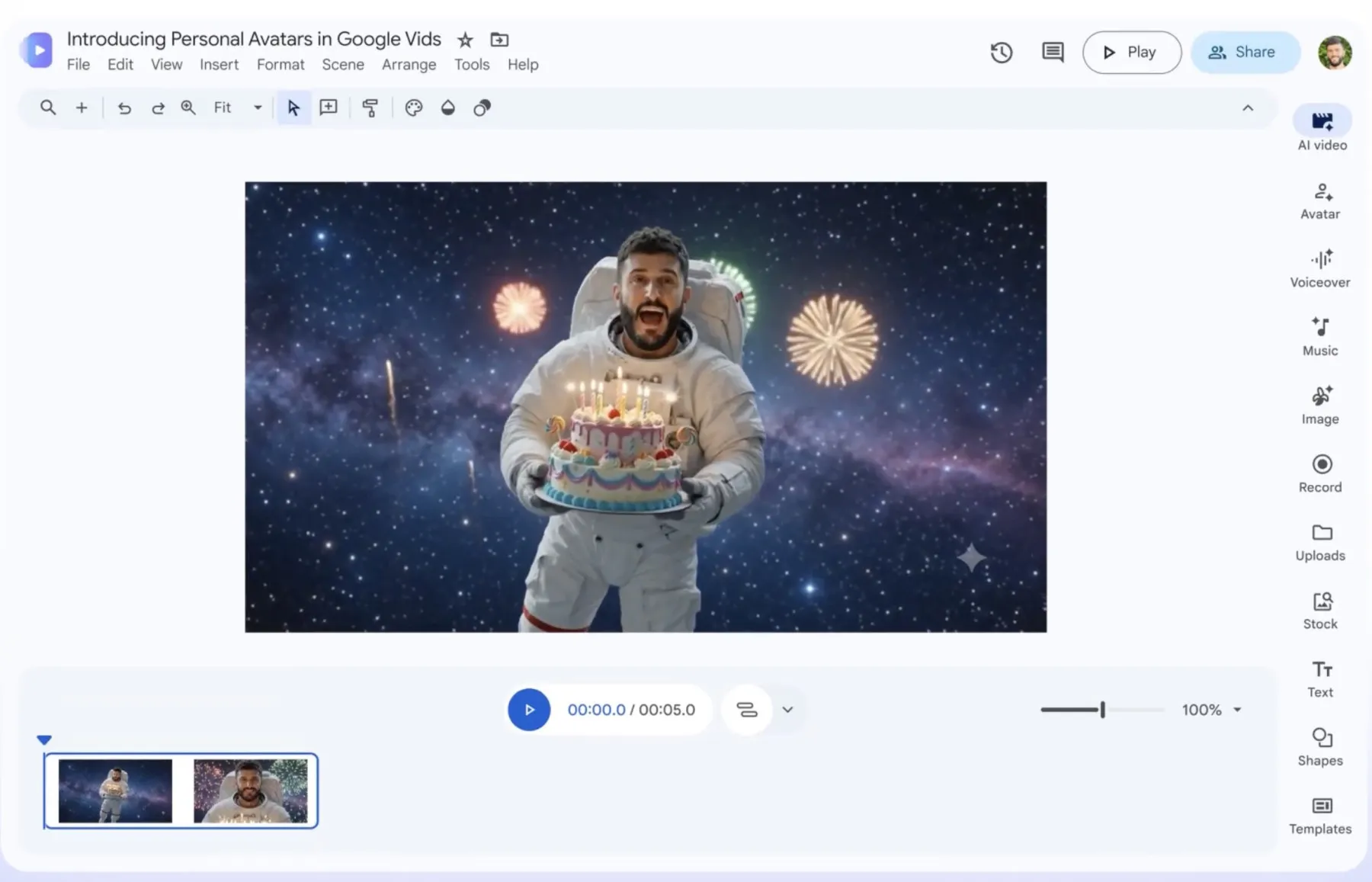
When OpenAI shut down Sora, the explanation was that the world wasn't ready for an app where anyone could make videos out of other people's faces. Not much time passed, and Google is delivering exactly the same thing - only wearing a tie. As of Thursday, Google Vids offers a personal digital double: you upload one selfie and one voice recording, and the tool builds a figure that looks like you and talks like you.
The difference isn't the technology. The difference is where it's packaged. Sora was an entertainment app, which is why it looked like a toy. Vids is part of Google Workspace - the same suite where contracts get drafted and emails get sent. The moment a feature moves into the work tool, it stops being an experiment and becomes a procedure. Nobody asks whether it's acceptable anymore. The question becomes who holds the licence.
Google is also adding a model called Gemini Omni, which combines a written prompt with photos you upload and turns them into video. It can swap the background, fix the lighting on a phone snapshot, add effects. Editing now happens step by step, instead of starting from scratch after every change. With that, Vids goes from a presentation tool to a full-blown video factory, and it walks straight into the yard of HeyGen, Synthesia, Captions and D-ID.
The safeguards exist, and they're worth stating precisely. The avatar is tied to the account owner's likeness and their Google profile, and every video gets an invisible watermark through SynthID. Access to personal avatars is limited to users over 18 in certain countries. Meaning: you can't build a double of your neighbour. You can build a double of yourself.
And that's exactly where the thing the company doesn't say out loud is hiding. The biggest problem with tools like this was never fake videos of famous people - those get spotted. The problem is the ordinary employee whose face and voice now exist as a file on somebody else's server, ready to say whatever gets typed for them. The training video, the holiday greeting, the message to the team - all of it can be shot without you. You already got filmed once.
Google says the SynthID watermark is invisible. It's invisible to the person watching, too. How many people will have the tool to check whether the video that landed in their inbox was filmed or assembled? And what does consent given once, for a selfie uploaded two years ago, mean when the avatar keeps working after the human has left the company?
Balkan readers shouldn't file this away as a distant story about Silicon Valley offices. Workspace is used here too - in companies, in agencies, in schools. The tool arrives with the same updated version for everyone. The difference is that countries with serious regulators are already having the argument about who owns an employee's likeness. Here, that argument still has to start - and the feature is arriving ahead of it.
The latest 10 news from this category
A scientist at the same company puts the probability of human extinction above 10 percent within the next decade. The...
The president called in while the event was running, and the man who makes the chips answered that there would...
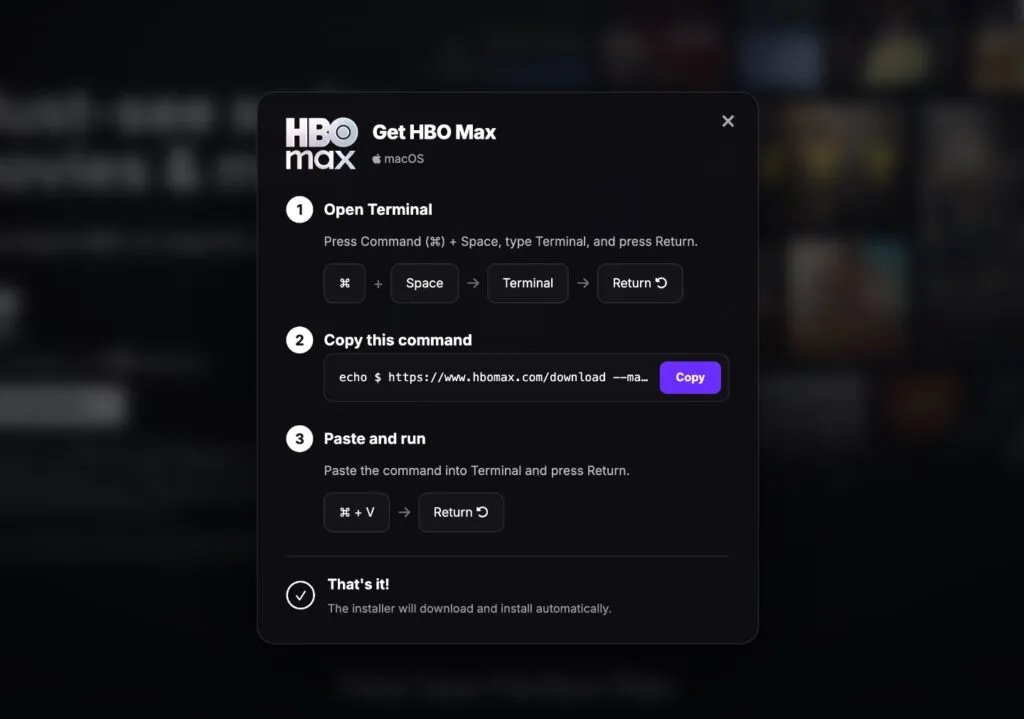
No virus attached, no suspicious file. Just a box that looks like the "I am not a robot" check and...
A researcher quit because the firms are gambling with our lives. Instead of denying it, Anthropic confirmed it - with...
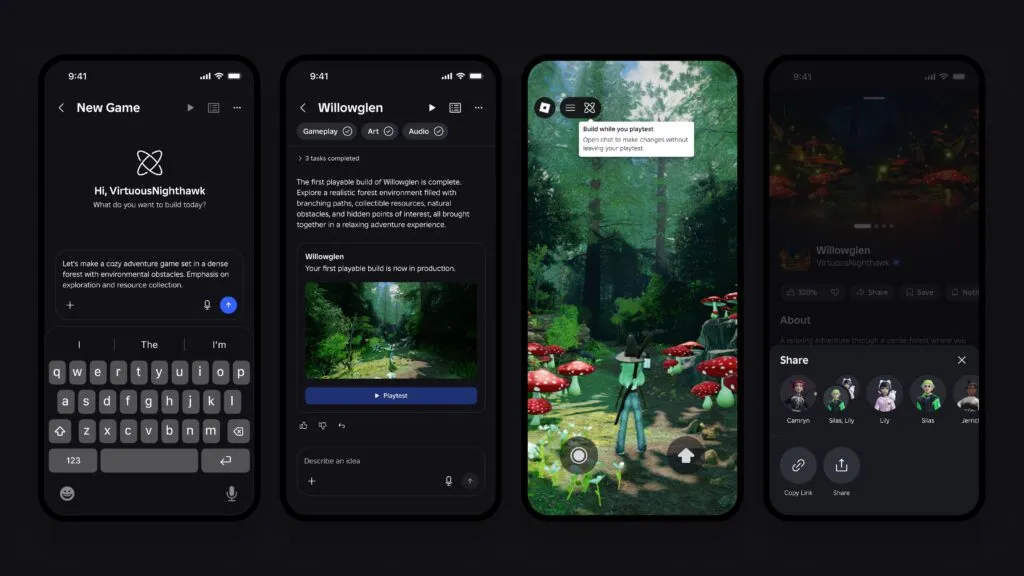
Write a sentence, get a game. Until now it worked only in New Zealand, now in Belgrade too. Creators on...
When the two biggest firms in an industry ask for rules on how fast anyone may run, the rules rarely...
Not a single password fell. What fell was the assumption that a request from a government domain is automatically a...
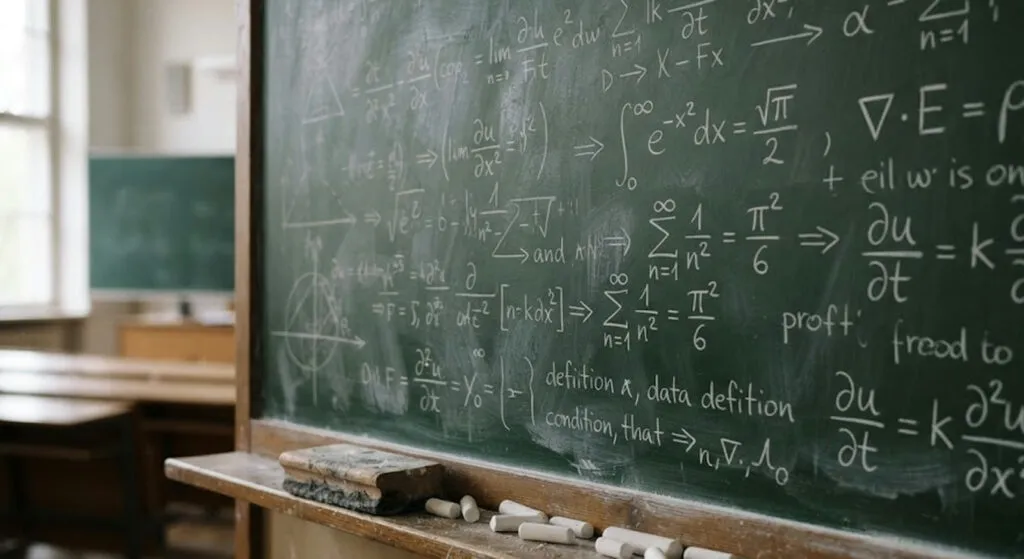
The biggest names in mathematics have signed a letter against the AI labs. The dispute is not whether the machine...

Five campaigns, 200 million exchanges, and the defences fell to a request for a Japanese translation. The industry that harvested...

The hackers were inside for a whole year. The company confirmed it only after a journalist found his own licence...
This site uses cookies - is that okay? Learn more
Be the first to know when Metla launches something new
Leave your email and we will write when there is a new guide or something new on Metla.
