


Studeničani: 35-year-old dies after being electrocuted while washing his car with a pressure washer
18.09.2026


18.09.2026
18.09.2026
18.09.2026

18.09.2026
18.09.2026
18.09.2026
18.09.2026
17.09.2026
16.09.2026
18.09.2026
18.09.2026
17.09.2026

18.09.2026
18.09.2026

18.09.2026
18.09.2026
17.09.2026
16.09.2026

18.09.2026

18.09.2026
18.09.2026

18.09.2026
17.09.2026

17.09.2026

09.03.2026

27.02.2026

19.02.2026
18.09.2026
17.09.2026
16.09.2026

23.04.2026

23.04.2026

12.04.2026

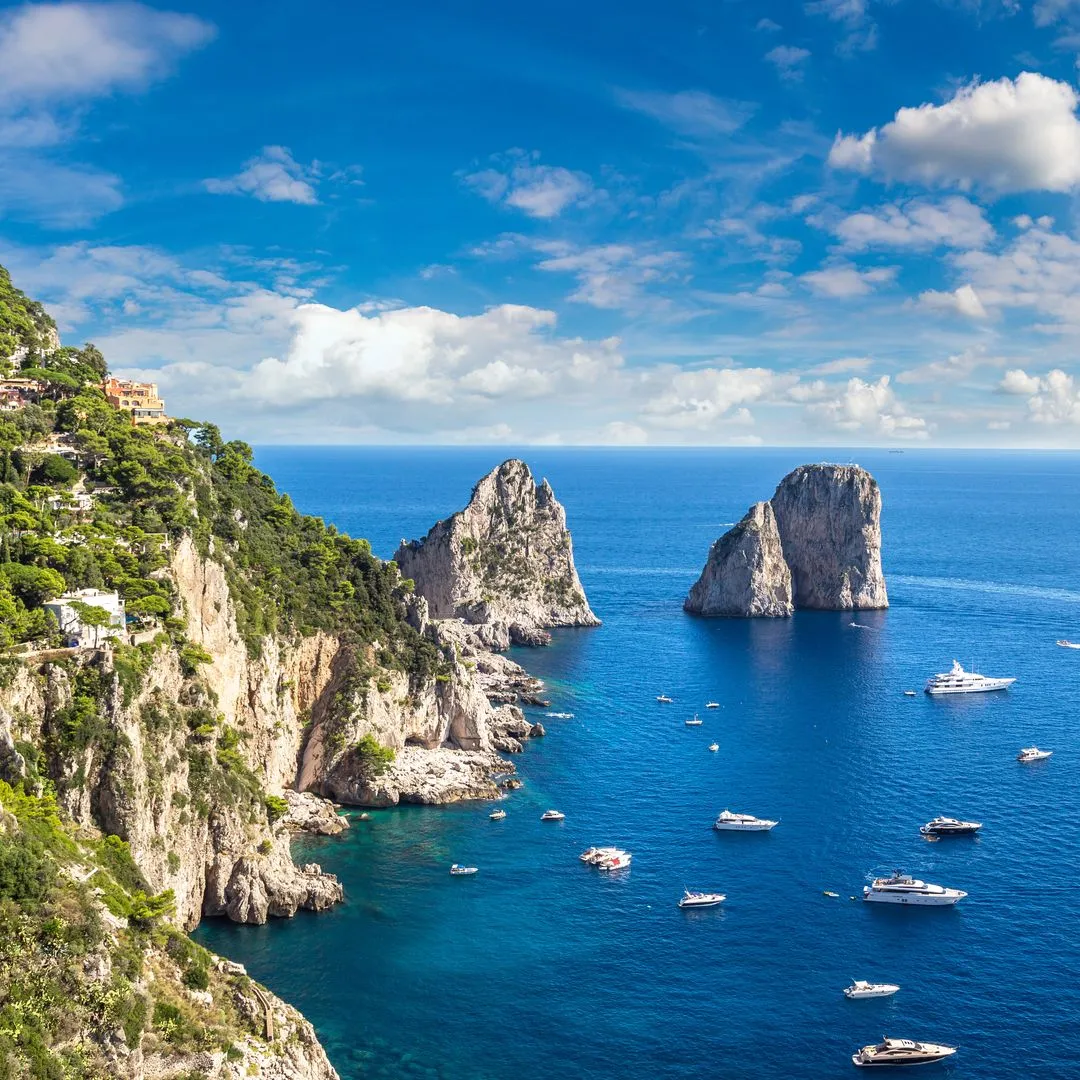
Capri is about six kilometres long and three wide. You could fit one of our larger neighbourhoods into that. Instead, the island has collected two thousand years of reputation and a price tag that still keeps most of the world out.
Homer put the sirens here. Emperor Augustus loved it as a retreat, and Tiberius went further - he moved his residence over and built Villa Jovis. So the idea that Capri is where the powerful hide from their own power was not invented by a marketing agency. It is twenty centuries old.
From Naples the ferry takes under an hour, docking at Marina Grande. After that the island puts you on its own terms: a funicular, buses, open-top taxis and small boats. You do not need a car, and that is half the beauty of it.
What you actually see
The Faraglioni - three rocks rising straight out of the sea, the island's signature. The Blue Grotto, where sunlight enters through an underwater opening and the water takes on a colour that looks retouched in photographs but isn't. In the centre of Capri you get Via Camerelle for shopping, the Gardens of Augustus with their view over the coast, the Piazzetta, and Via Krupp, the path winding down to Marina Piccola.
Anacapri is the upper half and it is quieter: white walls, small squares, and Monte Solaro, the highest point, reached by chairlift. On a clear day you can see the Bay of Naples and the Amalfi Coast. Nearby sit Ischia with its thermal waters and Procida, the smallest island, with Marina Corricella and pastel facades stacked one above the other.
The price of the postcard
Here is where the second half of the story starts. Fontelina, the beach club right at the Faraglioni, with blue-and-white umbrellas. Il Riccio, a restaurant on the rock near the Blue Grotto, part of the Jumeirah Capri Palace hotel, with its "Temptation Room" - a space for desserts only, caprese cake, babà, sfogliatelle. Da Paolino, where the tables are set out under lemon trees. Grand Hotel Quisisana has been open since 1845.
Vicky Martín Berrocal, who was there recently with Carla Pereyra and Diego Simeone, found a stone carved with lines by Pablo Neruda: "Capri, queen of rock, in your dress the colour of amaranth and lily, I lived out happiness and sorrow..."
Neruda was in exile when he wrote that. That is the difference between living somewhere and visiting it. The island is accessible - the ferry is cheap, the view is free, Monte Solaro does not ask you to be somebody. Everything else does. Can you see Capri without paying for Capri? You can. You just have to accept that you will not be sitting under the lemon trees.
The latest 10 news from this category
The royal couple walked yesterday into a pub the village bought back for itself. How many buildings like that sit...

Of twenty-five new inscriptions, five are natural - and only one is in Europe. For the richest of them, the...
Fifty beaches, more than 120 villages and a trail France voted its favourite. Monet came for a few days and...
Restored carriages, a locomotive they call the Japanese Woman and a 28.95 euro return ticket. What it sells is not...
Two hundred and fifty tree species from every corner of the world, a monastery from 1628 and a palace that...
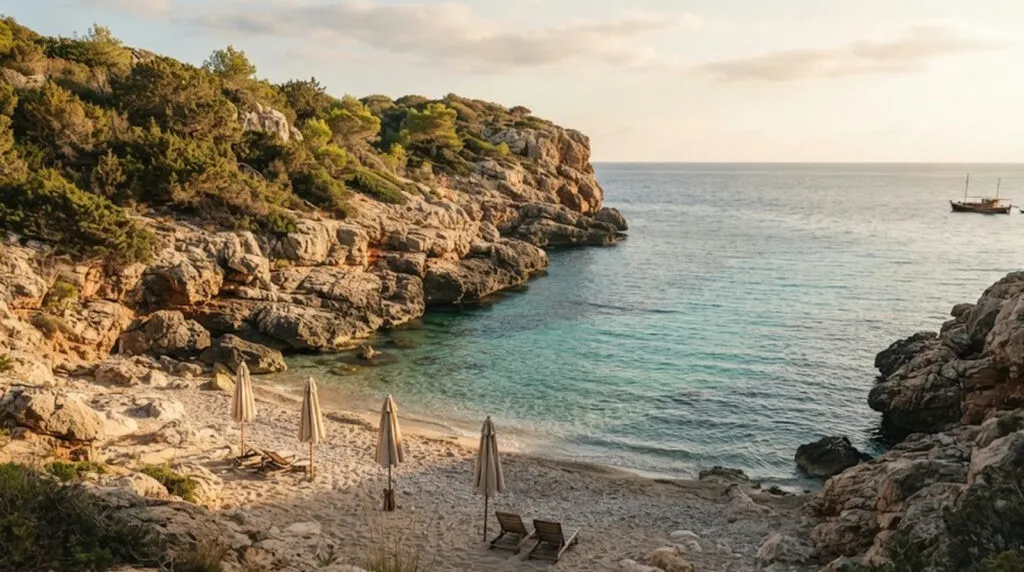
The same places cost more in August, look crowded and are experienced at half strength. The difference is made by...
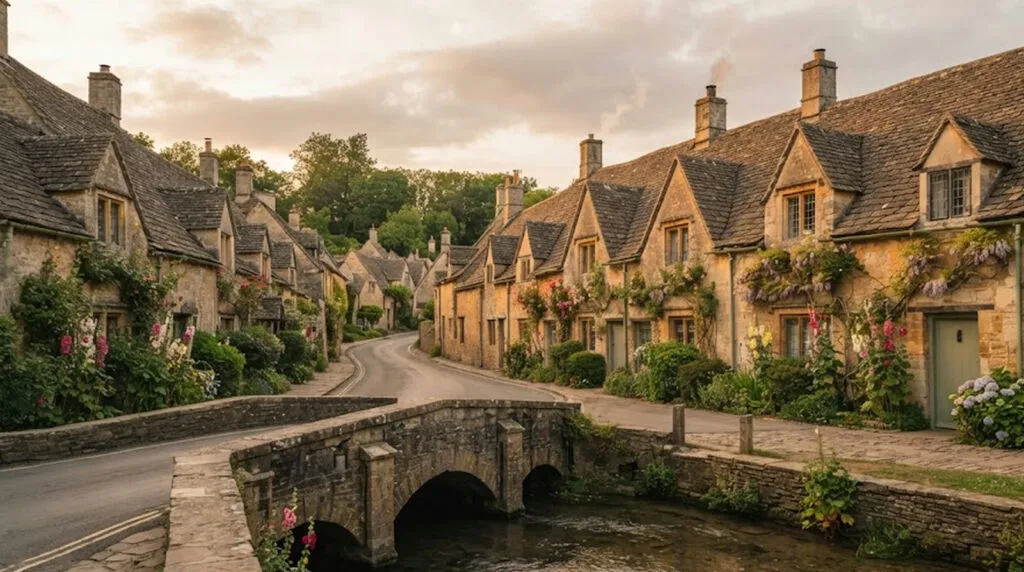
The Beckhams have a place there, so do Kate Moss and Ellen DeGeneres. But the Cotswolds needs none of those...

Down on the coast the buses pass each other with centimetres to spare and all you see is people. Up...
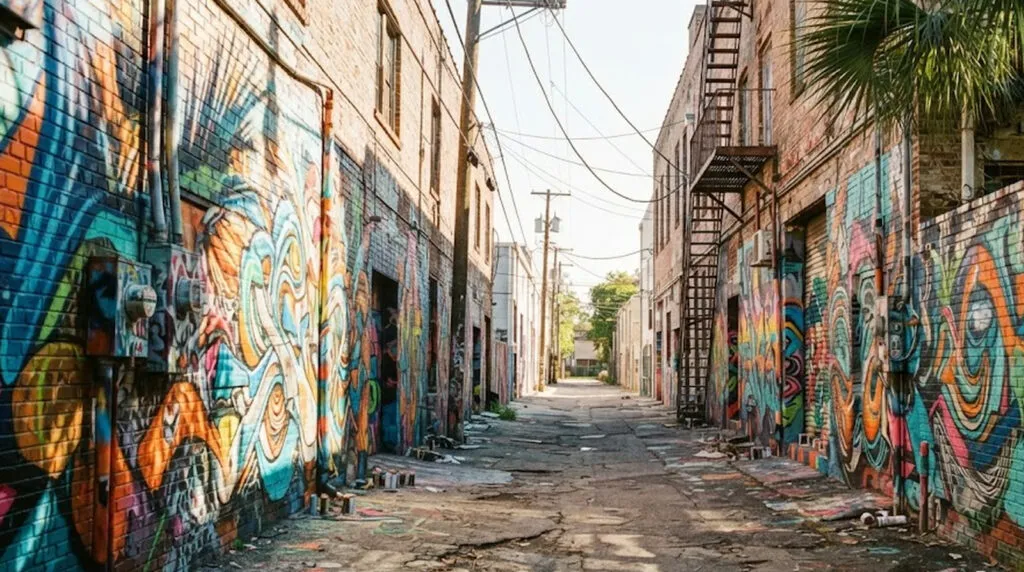
Empty warehouses, low rents and one real estate developer. A model we know without flying to Florida.
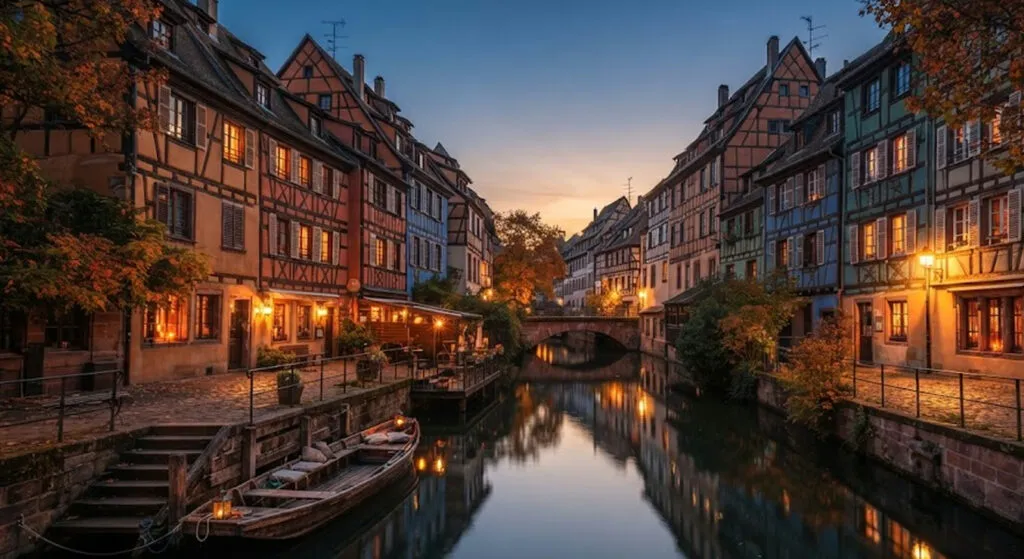
Old tanners' and dyers' workshops, built directly over the river. From 10 to 13 September the town puts boats and...
This site uses cookies - is that okay? Learn more
Be the first to know when Metla launches something new
Leave your email and we will write when there is a new guide or something new on Metla.
