Fire at the "8 September" Hospital: Wheelchairs Burned on a Ward Terrace, and the First Suspect Is a Cigarette Butt
21.11.2026


21.11.2026

21.11.2026

21.11.2026

21.11.2026

21.11.2026

21.11.2026

21.11.2026
20.11.2026

19.11.2026

21.11.2026

21.11.2026
20.11.2026

21.11.2026

21.11.2026

21.11.2026

21.11.2026
20.11.2026

19.11.2026

21.11.2026
20.11.2026
19.11.2026
20.11.2026
20.11.2026
19.11.2026

21.11.2026

20.11.2026
20.11.2026

23.04.2026

23.04.2026

12.04.2026

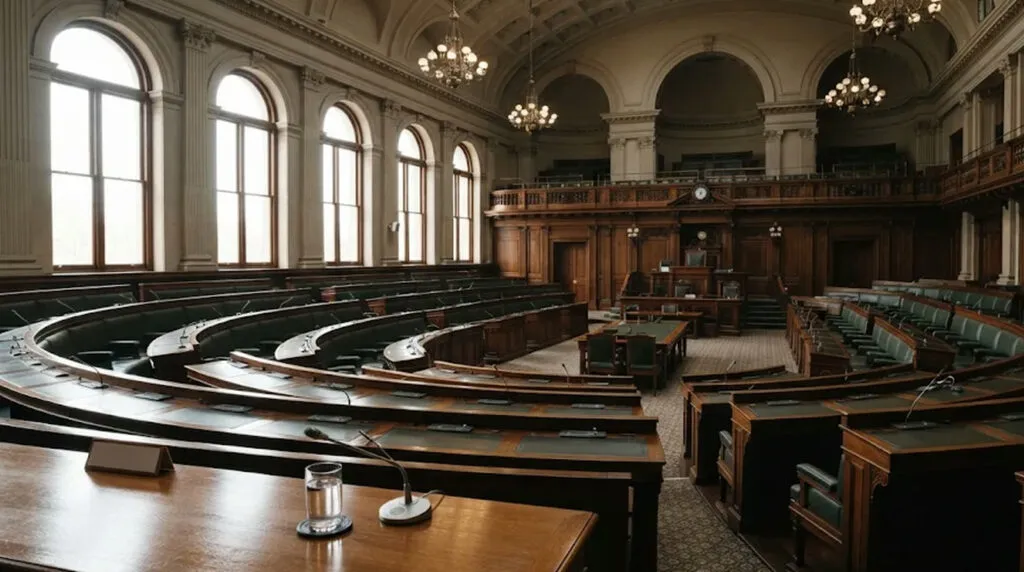
Serbia has a new parliament, and Aleksandar Vučić has a new role. In the snap election on 25 October, the Student List won 140 of 250 seats, and Vučić's list 103. After 14 years in power, the Serbian Progressive Party sits in opposition - and from day one it has been discovering just how uncomfortable that bench can be.
The numbers leave no room for interpretation: 2,354,417 votes for the students, 1,731,323 for Vučić. This isn't a narrow win that can be contested in the courts for months. The movement that started after the canopy collapse in Novi Sad has ended up with an absolute majority in parliament.
An inaugural session of reprimands, coughing and chewing gum
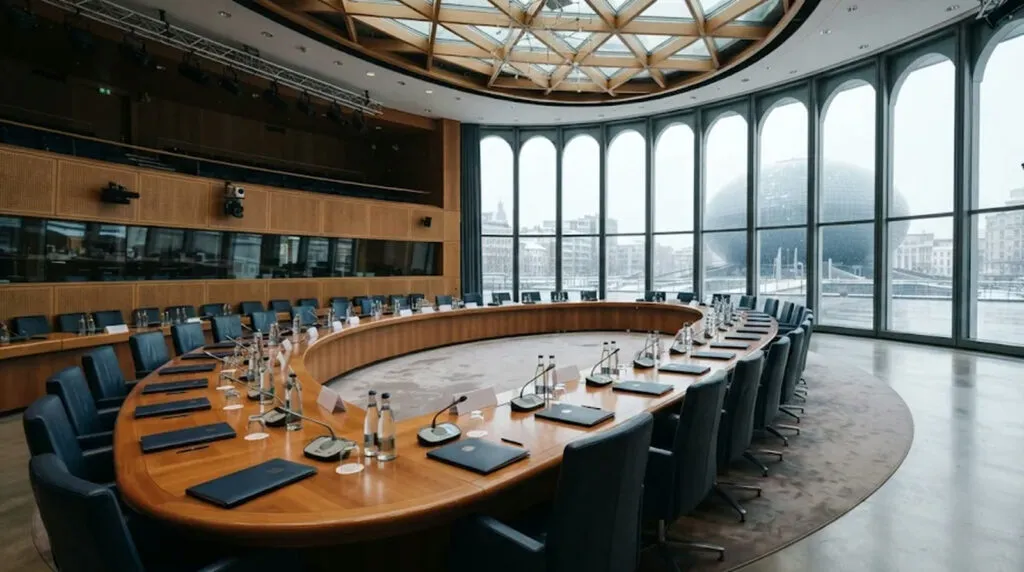
The inaugural session of the 15th National Assembly confirmed the mandates of all 250 MPs, and Aleksandar Čupić, the Student List's candidate, was elected speaker. That started the 90-day clock for forming a government.
Then the theatre began. Vučić, now head of the parliamentary group "Aleksandar Vučić - Serbia Wins", complained that majority MPs kept interrupting him with constant coughing. Ana Brnabić asked the chair to tell one MP to spit out her chewing gum. The opposition received reprimands, and Brnabić declared that parliament was under a "dictatorship of the Student List" and that democracy and free speech had been abolished with the election of the speaker.
The irony is hard to miss. The party that held every lever of the state for almost a decade and a half is now invoking the rules of procedure and freedom of speech. Is this the awakening of a democratic conscience - or just the discovery that the rules look different when you're not the one writing them?
The new majority didn't start clean either
Deputy speaker Sara Valentik of the Student List told reporters in the parliament lobby: "The SNS mafia has no right to speak, no right to have MPs, no right to have deputy speakers or secretaries-general." A party that 1.7 million citizens voted for is in opposition, but it isn't outside the Constitution. If the new government starts with a list of those who "have no right to speak", what will set it apart from the government it replaced?
The police knock on other doors
Meanwhile, the police have started summoning people for informational interviews. Vojislav Šešelj, leader of the Serbian Radical Party, was summoned at the request of the First Basic Public Prosecutor's Office over his statements about Rada Trajković, with a warning that he would be brought in if he didn't appear. He says he gave his statement at the police station. Also summoned was the acting editor-in-chief of RTS, Borivoje Uskoković, over the broadcast of an interview with Aleksandar Radić, for whom an arrest warrant has been issued.
Media close to SNS call this "para-state terror". These are the same media that call the students "blockaders". Still, the question is legitimate even without their vocabulary: when the prosecution summons critics of the new government in its very first month, is that the rule of law finally working on all sides - or an old habit with new faces?
Why this isn't just a Serbian story
Belgrade shapes relations with Kosovo, with Russia and with Brussels, and with them a great deal across the whole region. Student List candidate Ana Dimitrijević has announced a referendum on EU membership once Serbia meets the conditions. Šešelj, for his part, warned the new government that it would fall if it introduced sanctions against Russia.
Those are the questions that will define the new Serbia; the chewing gum and coughing in the chamber will be forgotten by New Year. The Balkans have seen plenty of changes of government after which only the nameplates on the office doors changed. Whether Serbia will be the exception, we'll know within the next 90 days.
The latest 10 news from this category
Greetings just before midnight, applause from the benches and an Instagram post saying the holiday "doesn't exist". Yet Bosniaks have...

An assistant professor with six children and an organic farm is now also acting president of Serbia. Has the street...
The Student List won the election, but Serbia still has no parliament speaker, because the loser won't let go of...
Moscow complains it is being pushed out of NIS, Belgrade says the deal is signed, and MOL denies it. Serbia's...
Major Goran Bulajić was killed when his MiG-29 came down in a field near Belgrade. Serbia guards its airspace with...
The man who ran Serbia for years now asks for the floor from the opposition benches, and the new majority's...
From January, Podgorica wants the minimum wage for jobs requiring secondary education to jump from 600 to 1,250 euros, and...
Three and a half years after the killing of nine pupils and a guard, Serbia has no law on what...

A guest on state television said Serbia has been stagnating for years and is at Macedonia's level, just ahead of...
Sofia threatened to block new sanctions against Russia unless Patriarch Kirill and the former head of "Lukoil" were taken off...
This site uses cookies - is that okay? Learn more
Be the first to know when Metla launches something new
Leave your email and we'll write to you when there's a new guide or something new on Metla.