


Kratovo man stabs police officer mid-intervention: prosecutors want the 40-year-old detained
15.09.2026


15.09.2026

15.09.2026

15.09.2026

15.09.2026
15.09.2026
15.09.2026

15.09.2026

14.09.2026

13.09.2026

15.09.2026

15.09.2026

14.09.2026

15.09.2026

15.09.2026

15.09.2026

15.09.2026

14.09.2026

13.09.2026

15.09.2026

15.09.2026

15.09.2026

15.09.2026

15.09.2026

14.09.2026

09.03.2026

27.02.2026

19.02.2026

15.09.2026

14.09.2026

14.09.2026

23.04.2026

23.04.2026

12.04.2026

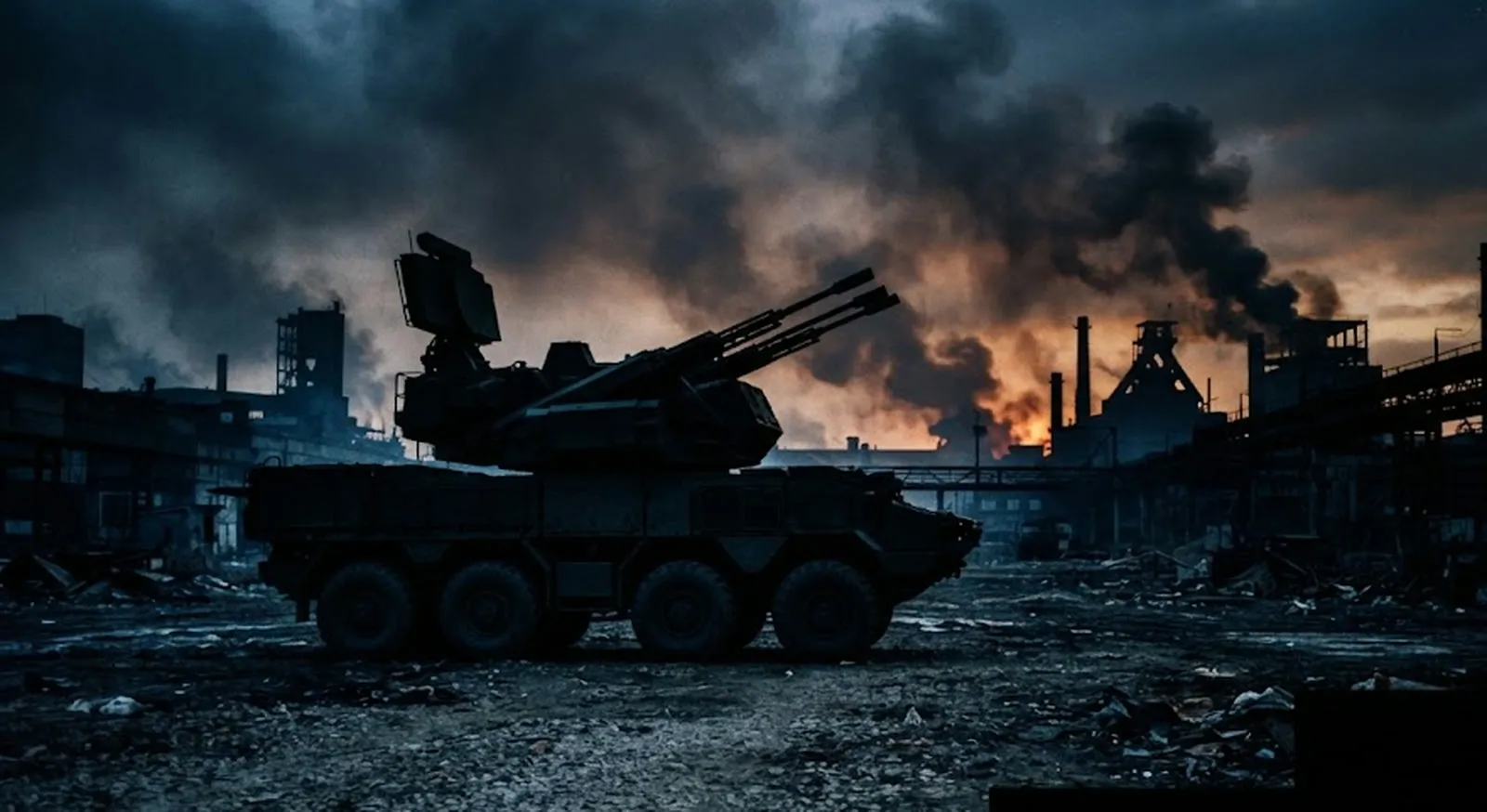
The German air-defense system Skynex costs around 90 million euros per unit. It was built by Rheinmetall precisely to shoot down drones and cruise missiles - those cheap flying machines Russia hurls at Ukraine by the hundreds. When, on April 1, 2026, its turn came to prove it in a real battle, the system fired a single shot. Just one. The drone struck the industrial facility it was supposed to defend.
According to the German outlet „Stern," citing an internal Ukrainian assessment, the layout looked impressive on paper: two batteries with eight 35-millimeter guns, two radars, two command units - all to cover the sky with overlapping fire. The reality was different. The radars spotted two drones at twenty kilometers. One entered the firing zone. And that's when the system began to fall apart.
Three of the eight gun modules failed within minutes - hydraulics, radar tracking, a jammed ammunition feed. Two guns were left that more or less tracked the drone, and neither one hit it. „This is a catastrophe. This should not have happened," a witness to the incident wrote in the Ukrainian assessment. The conclusion was brutal: „low technical operational readiness," a system that works „extremely unreliably" and fails to meet the manufacturer's specifications.
Rheinmetall declined a detailed comment, citing security, yet still found a way to say the system had „shown exceptional effectiveness in Ukraine." Exceptional - two guns out of eight, zero drones downed. In the world of the arms industry, marketing has always worked better than the weapons. And this isn't the first time: the same story already repeated itself with the French SAMP/T - expensive Western systems that gleam at the trade fair and cough at the front.
For the Balkans, this isn't distant news. The region is a market where every state spends millions on defense equipment, often bought on the strength of promises from presentations and brochures, not from the battlefield. When a system worth ninety million can't shoot down a single drone worth a few thousand euros, the question is simple: who's really making money here? The one defending the sky, or the one selling the illusion that the sky is safe? The war in Ukraine is an expensive laboratory - and its results should be read by everyone who signs an arms contract in our name.
The latest 10 news from this category
Between 2,300 and 3,000 North Korean soldiers have died in Kursk so far. Kim Jong Un has found an export...

A NATO fighter jet downed an unmanned aircraft over Lithuania minutes after midnight, and citizens got the warning on their...

The train was empty, the locomotive damaged, nobody hurt. But Boris Johnson and a group of European security advisers had...
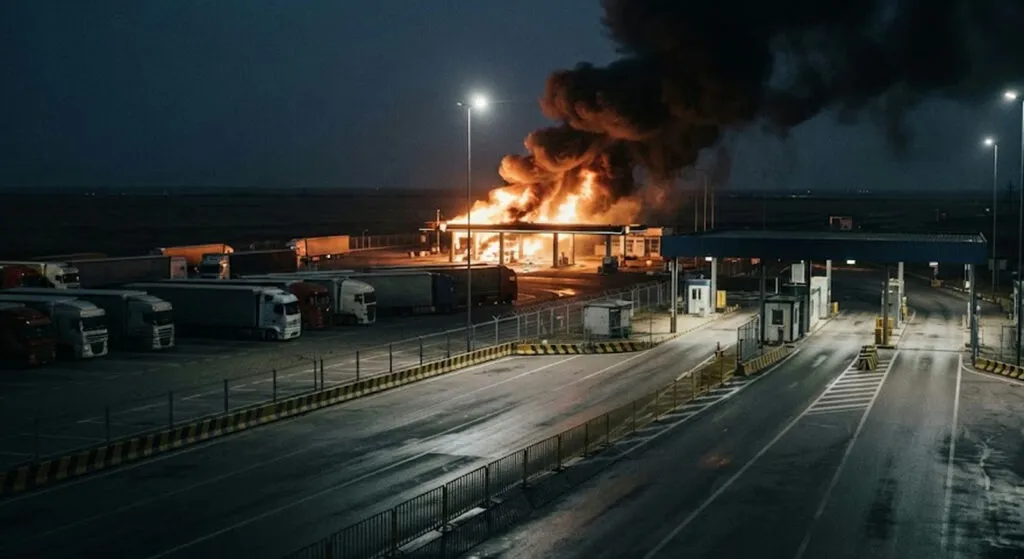
453 drones in one night, 405 shot down - and the forty-eight that got through land somewhere. Poland's prime minister...

Trump's son-in-law told an audience in Kyiv the deal is done - if Ukraine withdraws. And added that the battlefield...

A barren volcanic rock in the middle of a strait 28 kilometres wide changed the oil market in a single...

Hostomel, Odesa, Kryvyi Rih - targets that are not the front line but the supply chain. A war against the...

We don't want war with Europe, but here is exactly how that war would start. He said both sentences in...

When an army recalls its special forces with a 12-hour deadline, that is not a rota but a signal. The...

Port infrastructure in Makhachkala and the theatre building caught fire, the governor said. Moscow claims it shot down 448 drones...
This site uses cookies - is that okay? Learn more
Be the first to know when Metla launches something new
Leave your email and we will write when there is a new guide or something new on Metla.
