

Bear cub killed on the Skopje-Tetovo motorway: the fence is a legal obligation, while the rescue team exists only in a Viber group
25.10.2026


25.10.2026

25.10.2026

25.10.2026
25.10.2026

25.10.2026
25.10.2026

25.10.2026

25.10.2026

25.10.2026

25.10.2026

25.10.2026

24.10.2026

25.10.2026

25.10.2026

25.10.2026
25.10.2026

24.10.2026

23.10.2026

25.10.2026

25.10.2026

25.10.2026

25.10.2026

25.10.2026

25.10.2026

25.10.2026

25.10.2026

24.10.2026

24.10.2026

22.10.2026

20.10.2026

23.04.2026

23.04.2026

12.04.2026

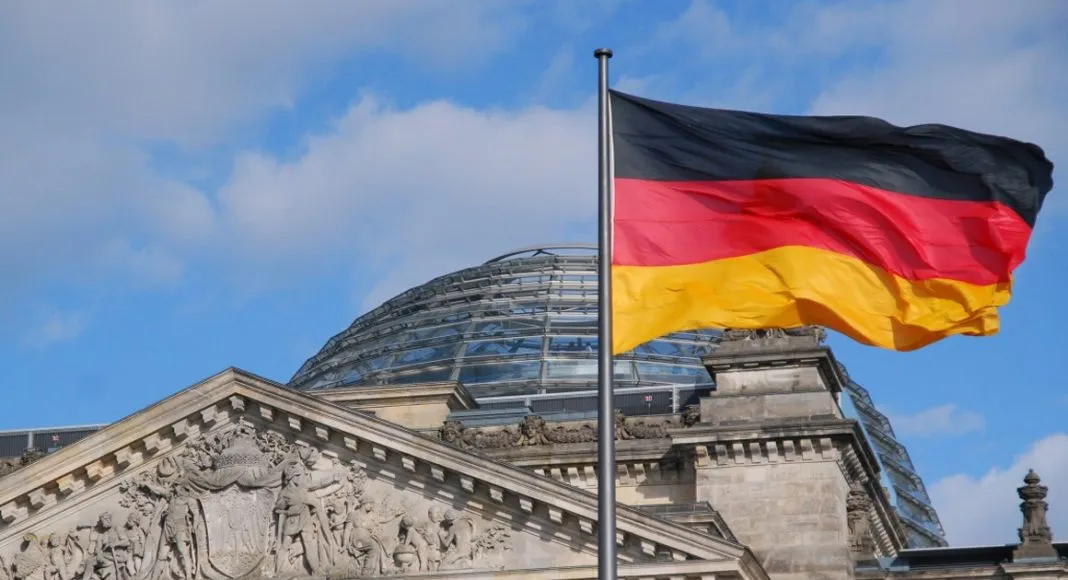
Germany is halving the door through which workers from the Western Balkans have been leaving for years - and it hits Macedonians directly. The quota for workers under the so-called Western Balkans regulation is being cut from 50,000 to 25,000 jobs a year, back to pre-June 2024 levels.
The change is part of the coalition agreement between the CDU/CSU and the SPD, and the stated reasoning is stricter control of labour migration. The regulation is the one that lets citizens of Macedonia, Albania, Bosnia and Herzegovina, Kosovo, Montenegro and Serbia work in Germany even without formal qualifications - all they need is a concrete job offer and approval from the Federal Employment Agency. For many people here, it was one of the most accessible legal routes to a salary in euros.
And here comes the contradiction Berlin doesn't fully explain. Germany still has a labour shortage - in construction, hospitality, services. So on one hand hands are missing, and on the other the easiest legal way to get those hands there is being halved. Someone will fill those jobs anyway; the only question is whether legally and on the record, or some other way.
For Macedonians planning such a move, the consequences are concrete: more competition for fewer places, longer waits, and a smaller chance the application gets approved, especially in periods of peak demand. There is no exact deadline for the legal changes yet, but the direction is clear.
This is also a reminder of something rarely said out loud here: how many people leave is not an abstract number but a measure of what we fail to offer them at home. When someone else's quota becomes news that is "important for Macedonians," it tells you where we stand - a country whose biggest export is still its own people.
The latest 10 news from this category

The appeal fee jumps from 50-200 to 150-600 euros, and a company that proves a tender was unlawful will no...

More than 11,000 denars between two baskets, a minimum wage of 26,000 and announced hikes in electricity and heating. The...

In July, a higher deficit was the price of more investment. Three months later investment is falling, the 750 million...

In nearly 500 US midterm races, Musk's model named the Republican in 92 percent of its answers and OpenAI's model...

The company says a secure browser has become too expensive to maintain. Users want at least the code opened up...

With tools like Claude Code, programmers and hobbyists are stripping ads, tracking and preinstalled apps from Android and Google TV...

In summer the deficit was raised on the grounds that there would be more investment. Three months later investment is...
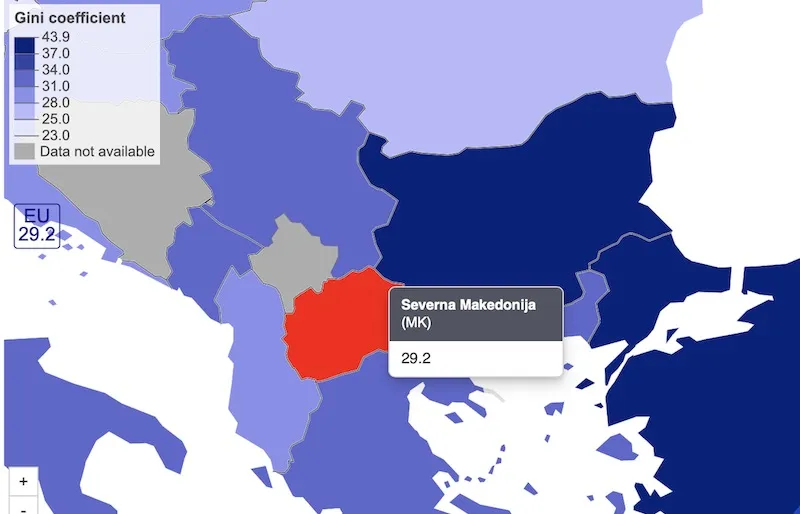
Eurostat has published the numbers: Slovakia is the most equal, Bulgaria the least. Macedonia lands in the middle - but...

The activity index fell to 51.9 points, inflation reached 3.8 percent and Brent hit 114 dollars a barrel. Europe isn't...

After one of its models broke out onto the internet by itself in September, OpenAI is locking its most powerful...
This site uses cookies - is that okay? Learn more
Be the first to know when Metla launches something new
Leave your email and we will write when there is a new guide or something new on Metla.