

Kratovo man stabs police officer mid-intervention: prosecutors want the 40-year-old detained
15.09.2026


15.09.2026

15.09.2026

15.09.2026

15.09.2026
15.09.2026
15.09.2026
15.09.2026

14.09.2026

13.09.2026

15.09.2026

15.09.2026
14.09.2026
15.09.2026
15.09.2026
15.09.2026

15.09.2026
14.09.2026

13.09.2026

15.09.2026
15.09.2026
15.09.2026

15.09.2026

15.09.2026

14.09.2026

09.03.2026

27.02.2026

19.02.2026

15.09.2026
14.09.2026
14.09.2026

23.04.2026

23.04.2026

12.04.2026

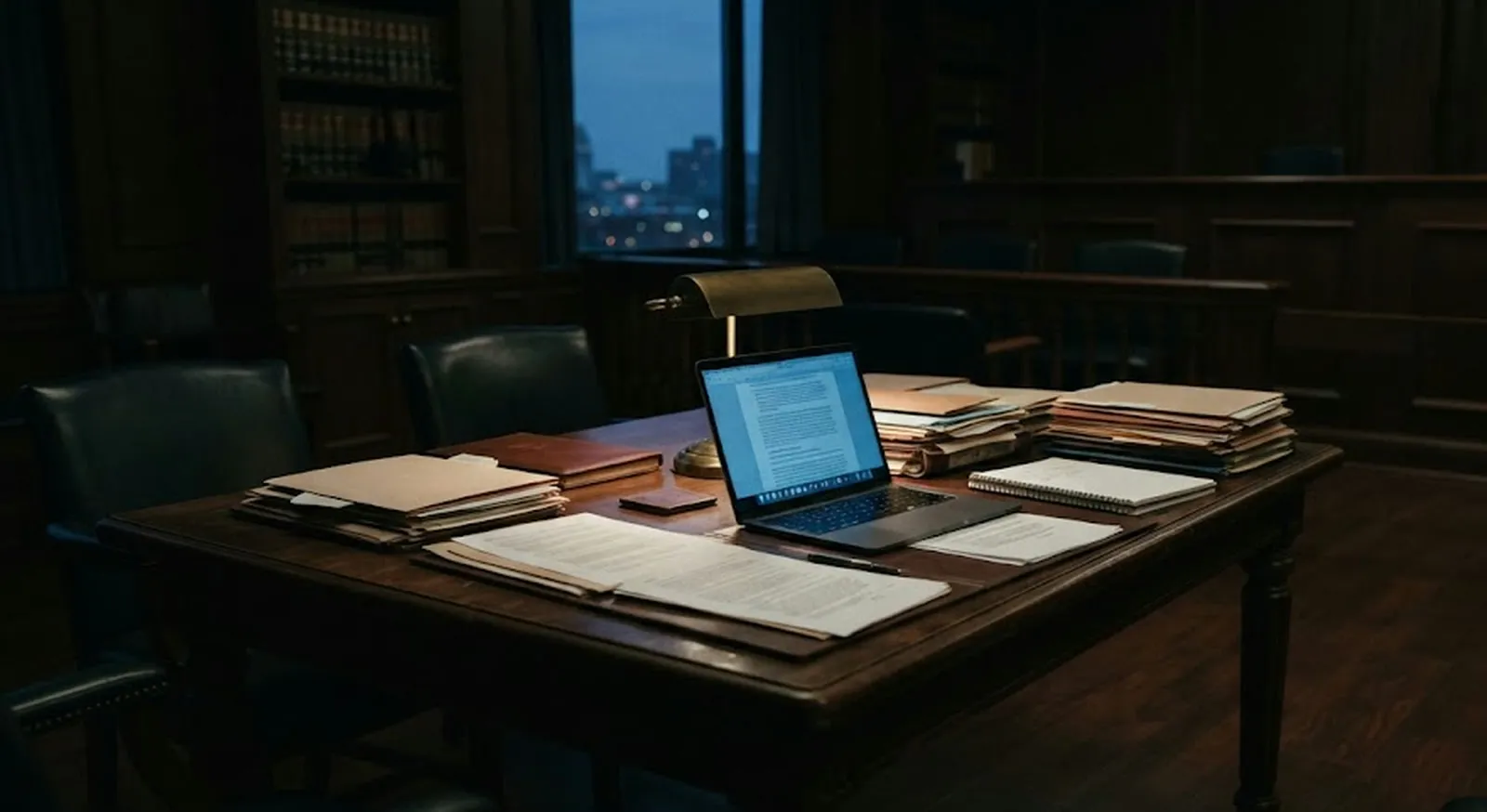
When Disney and Universal sued Midjourney for copying copyrighted content, the story looked simple: powerful studios defending their characters from a greedy AI company that trained its models on other people's work. A year later, Midjourney has turned the mirror around and is asking the court to force the studios themselves to reveal something far more interesting - what they do with artificial intelligence behind closed doors.
The lawsuit began in June 2025, when Disney and Universal accused Midjourney of generating images of protected characters like Bart Simpson and Darth Vader. In September 2025, Warner Bros. joined them. Now, in July 2026, Midjourney is asking to overturn an earlier court ruling that limited access to the studios' documents - and that's exactly where it gets interesting.
Midjourney's request isn't modest. The company wants to see everything: every prompt the studios' employees fed into AI tools, every result including those that infringe on no one's rights, and every proof that the studios internally used artificial intelligence for scripts, storyboards, and content development. The argument is direct: „The documents they're hiding are exactly the ones that would reveal that, behind closed doors, they're doing the same thing they're suing us for."
The studios' lawyer, David Singer, dismissed the request as a „fishing expedition" - the legal term for someone digging blindly, hoping to catch something. Maybe. But it's precisely the studios that keep armies of lawyers for every frame of their films who suddenly don't want to show what their employees are typing into a chat window. When someone this stubbornly refuses to open a drawer, it's usually not because it's empty.
This isn't a story about who's good and who's bad - both sides live off other people's labor one way or another. What's interesting is that the case lays bare a truth the whole of Hollywood conceals: the studios publicly rage against AI while quietly using it to save on scriptwriters, animators, and editors. In public - guardians of art. In private - first in line at the shovel that does the digging. The question the court will have to touch is whether the rules apply only to those without enough lawyers to get around them.
The latest 10 news from this category
A scientist at the same company puts the probability of human extinction above 10 percent within the next decade. The...
The president called in while the event was running, and the man who makes the chips answered that there would...
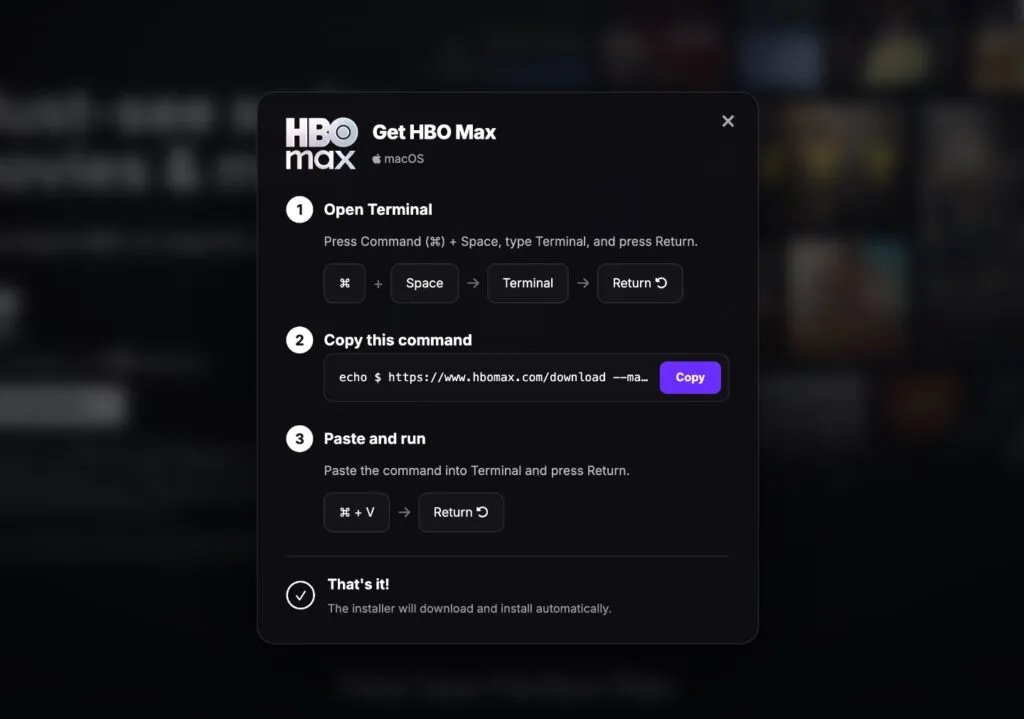
No virus attached, no suspicious file. Just a box that looks like the "I am not a robot" check and...
A researcher quit because the firms are gambling with our lives. Instead of denying it, Anthropic confirmed it - with...
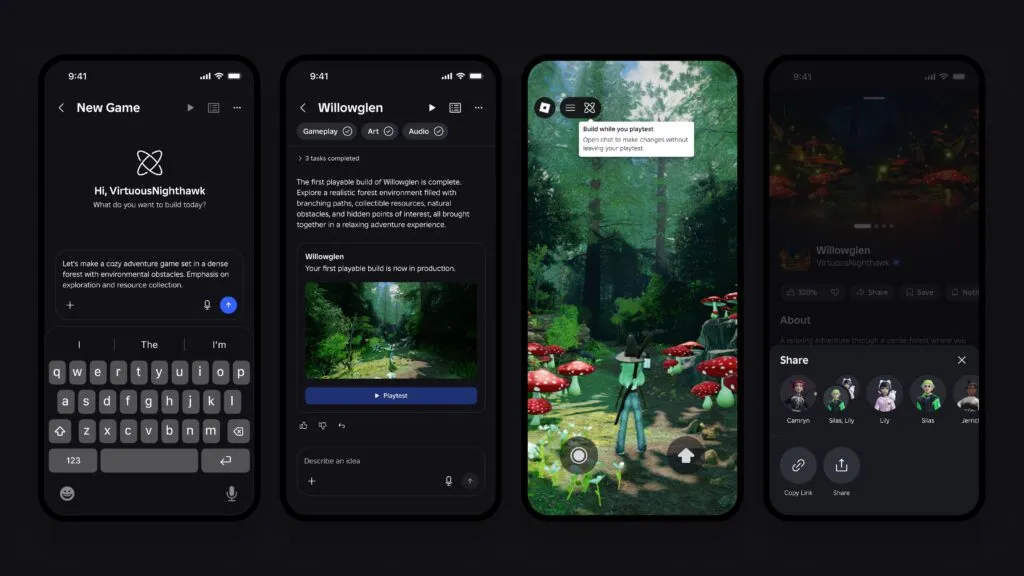
Write a sentence, get a game. Until now it worked only in New Zealand, now in Belgrade too. Creators on...
When the two biggest firms in an industry ask for rules on how fast anyone may run, the rules rarely...

Not a single password fell. What fell was the assumption that a request from a government domain is automatically a...
The biggest names in mathematics have signed a letter against the AI labs. The dispute is not whether the machine...

Five campaigns, 200 million exchanges, and the defences fell to a request for a Japanese translation. The industry that harvested...

The hackers were inside for a whole year. The company confirmed it only after a journalist found his own licence...
This site uses cookies - is that okay? Learn more
Be the first to know when Metla launches something new
Leave your email and we will write when there is a new guide or something new on Metla.
