

33 fires in 24 hours: a beech forest is burning in Kicevo, and near Kumanovo the flames reached the houses
24.08.2026


24.08.2026

24.08.2026

24.08.2026

24.08.2026

24.08.2026

24.08.2026
24.08.2026

23.08.2026
22.08.2026
24.08.2026

24.08.2026

23.08.2026
24.08.2026
24.08.2026
23.08.2026

24.08.2026
23.08.2026
22.08.2026

24.08.2026

24.08.2026

24.08.2026
24.08.2026

24.08.2026
23.08.2026

09.03.2026

27.02.2026

19.02.2026
24.08.2026

23.08.2026
23.08.2026

23.04.2026

23.04.2026

12.04.2026
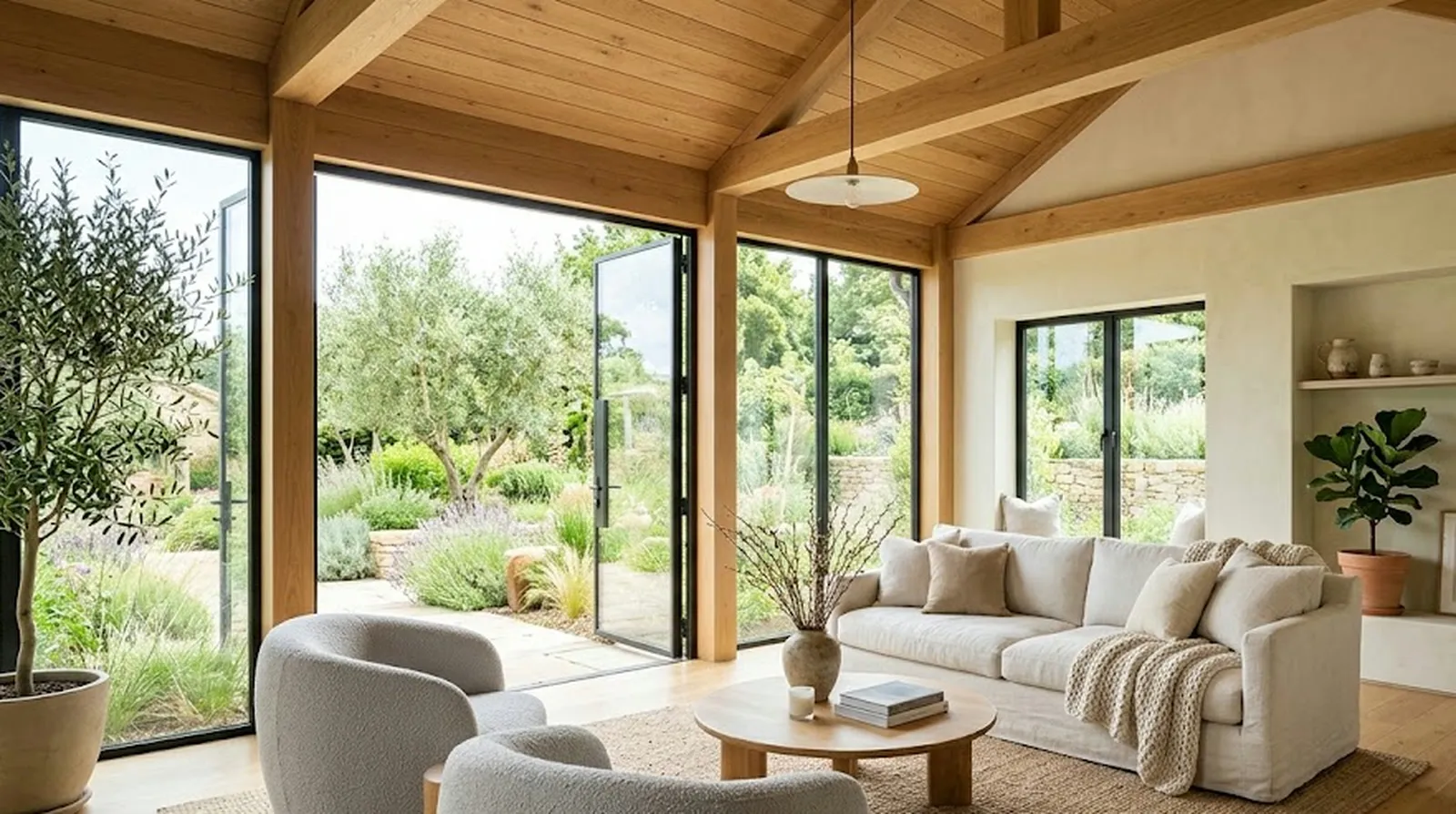
When a star like Richard Gere moves house, we usually expect a luxury that screams wealth. The home he and his wife Alejandra created in the US, after moving from Madrid in November 2025, is the opposite - a space designed around peace, light and quiet, not around impressing anyone.
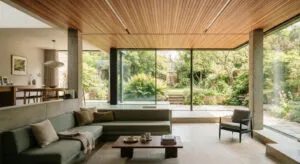
The whole house is built on five principles the designers call pillars. The first is natural light - large windows arranged so that each room catches daylight at a different time of day. The idea is not aesthetic but psychological: natural light regulates mood and the body's rhythm better than any lamp.
The second pillar is high ceilings, made of soft wood. A tall space, according to the concept of so-called neuroarchitecture, encourages calm and creative thinking - the feeling that you have room to breathe and think. The third pillar is a neutral palette: the kitchen is in an impeccable white that creates visual order, while the outdoor zones play with grey tones.
The fourth, less obvious pillar is acoustics. Natural materials - wood, textile, stone - soften the sound throughout the house, so the space not only looks calm, but also sounds calm. It is a detail most homes forget, and yet it most affects how we feel in a space.
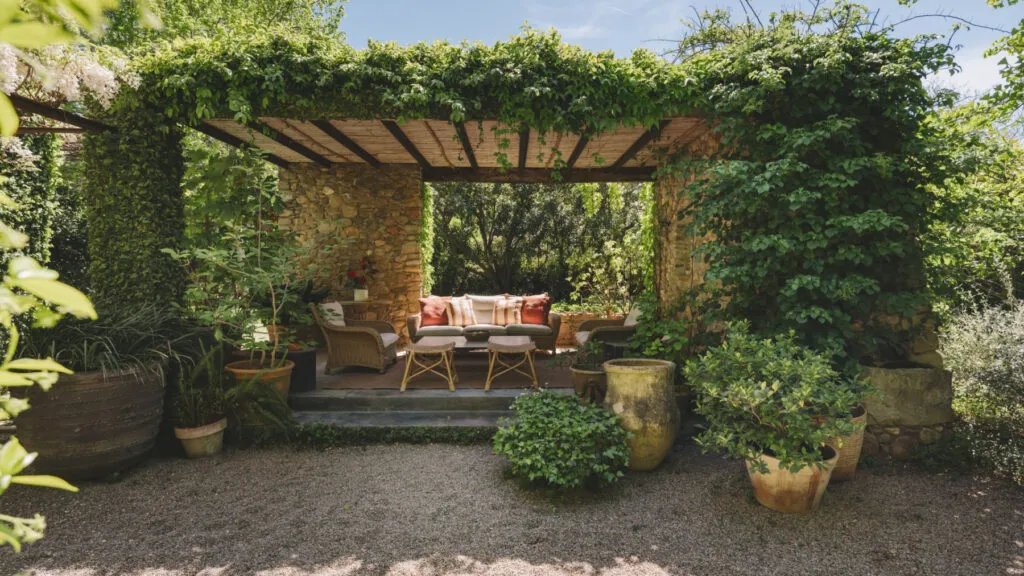
The fifth and perhaps most important pillar is the garden, conceived as the heart of the home. A large organic garden gives the family fresh food, but also something harder to measure - a connection to the earth and to the rhythm of the seasons. The outdoor lounge is an extension of the living room under the open sky, with furniture behind which, they say, lie true stories.
The point of this house is not in its price, but in its philosophy. At a time when luxury often means marble, gold and size to show the guests, Gere's home defines wealth differently - as quiet, light and the chance to slow down. It is a lesson that takes no millions to apply: even the smallest flat can be organised around light, peace and a few things that truly matter, instead of around filling the space with objects.
The latest 10 news from this category

Jordi Cruz and Rebecca Lima opened up their house two years after the wedding. The basic material is not oak...
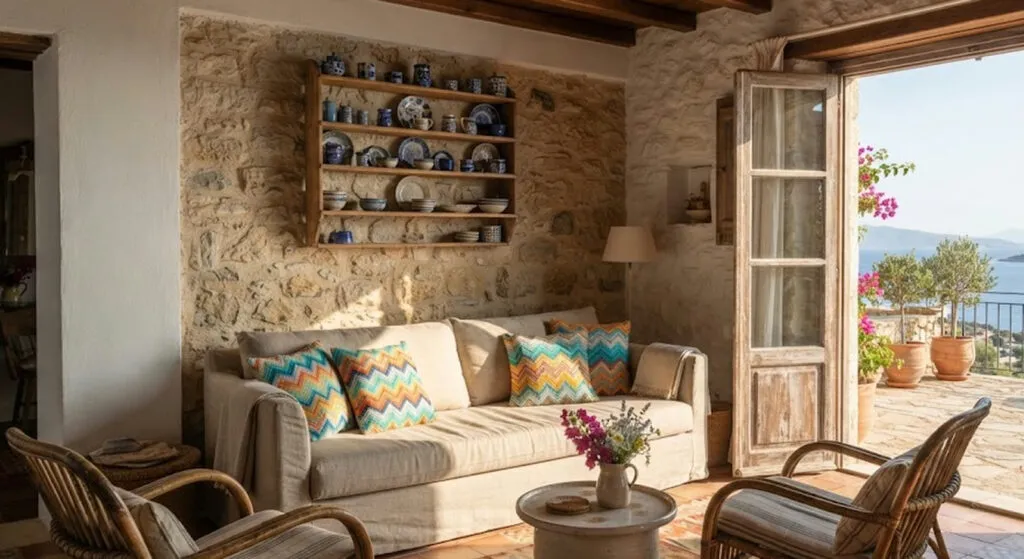
The most expensive family in the story gives the cheapest lesson. Not one piece in the living room is from...
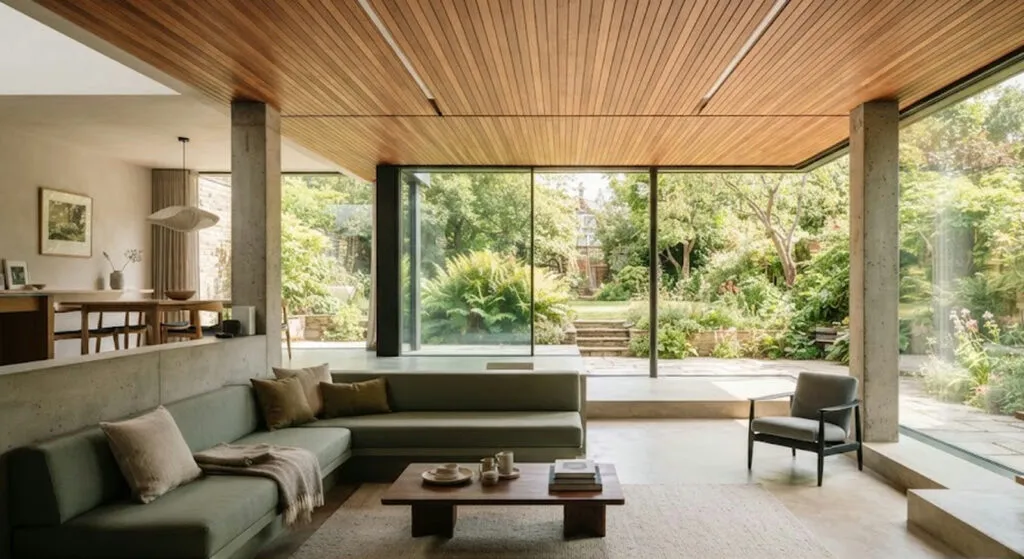
330 square metres in Biscay, a living room on two levels and a red staircase deliberately left untouched. The idea...
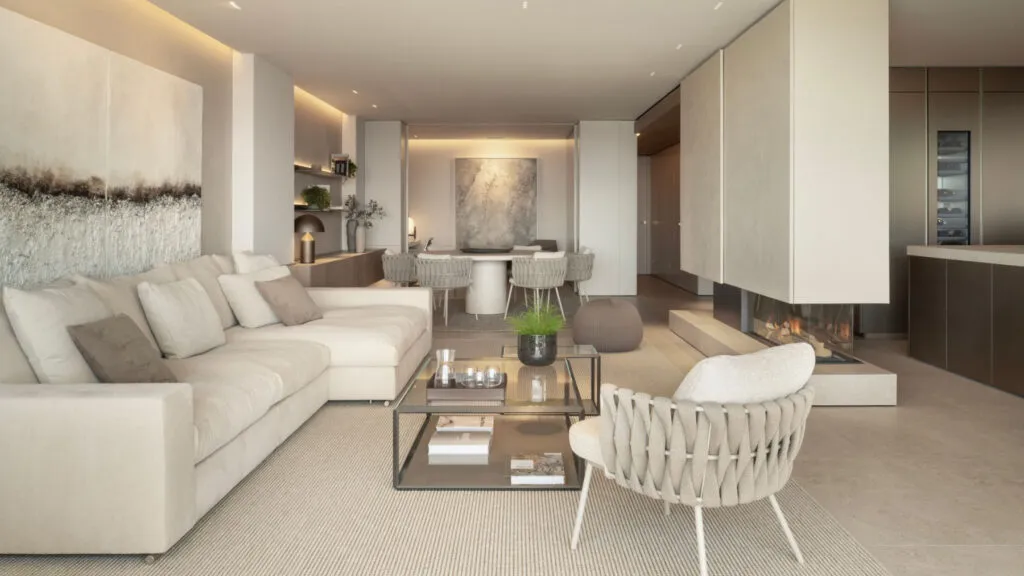
If the same tone and the same finish go literally everywhere, the space does not become calm - it becomes...
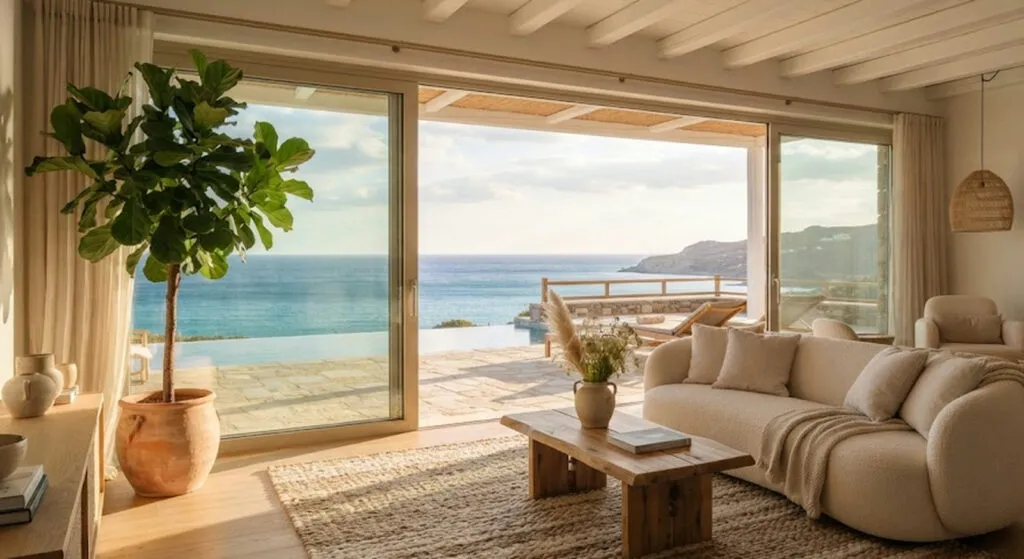
From Malibu to Mijas and Como. Some are real properties you can stay the night in, some are a set...
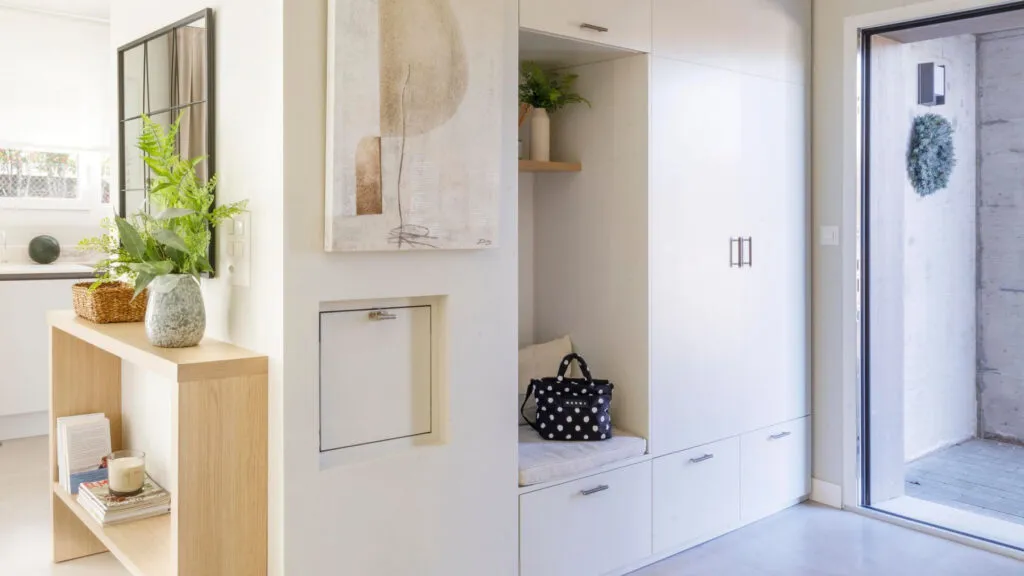
A twenty-centimetre shelf, a bench that hides shoes and one tray for the keys. The biggest enemy is not mess...
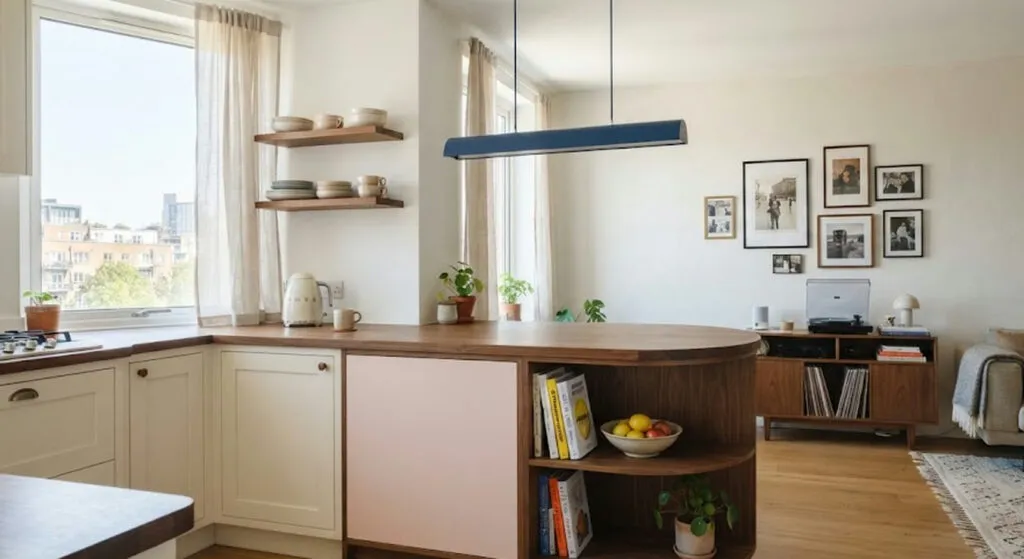
Colour here is not decoration but layout. The curved counter with a built-in bookshelf, the coral corridor and the wardrobes...
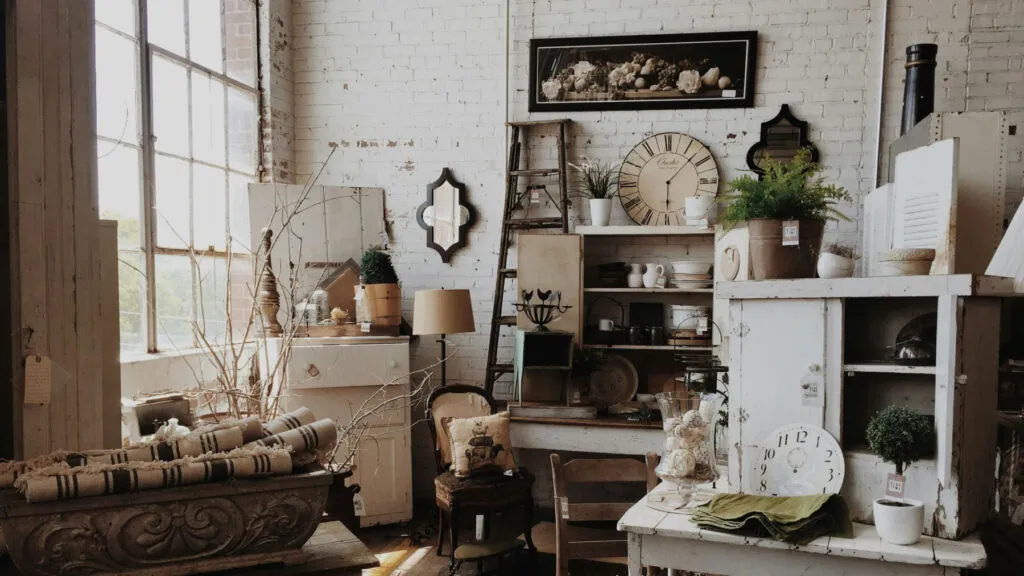
The trend is back, but not out of nostalgia - those pieces are solid wood, not chipboard with foil. Three...
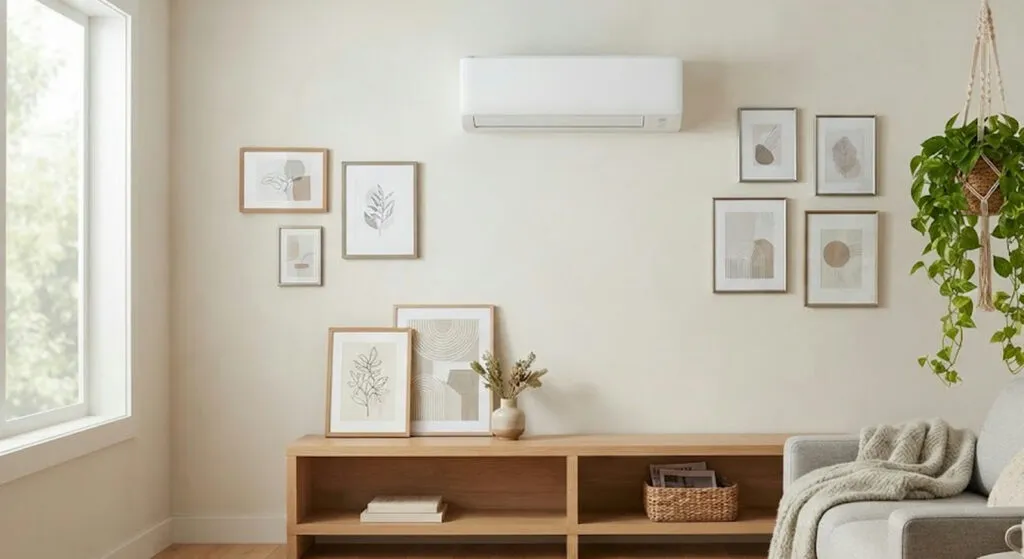
The object bought to hide one white rectangle ends up taking more space than it does. And it makes the...
350 square metres without a single corridor, five bedrooms and a pool that does not beg for a photograph. Not...
This site uses cookies - is that okay? Learn more
Be the first to know when Metla launches something new
Leave your email and we will write when there is a new guide or something new on Metla.
