
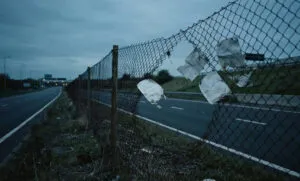
Bear cub killed on the Skopje-Tetovo motorway: the fence is a legal obligation, while the rescue team exists only in a Viber group
25.10.2026


25.10.2026

25.10.2026

25.10.2026

25.10.2026

25.10.2026

25.10.2026

25.10.2026

25.10.2026

25.10.2026

25.10.2026

25.10.2026

24.10.2026

25.10.2026

25.10.2026

25.10.2026

25.10.2026

24.10.2026

23.10.2026

25.10.2026

25.10.2026

25.10.2026

25.10.2026

25.10.2026

25.10.2026

25.10.2026
25.10.2026

24.10.2026

24.10.2026

22.10.2026

20.10.2026

23.04.2026

23.04.2026

12.04.2026

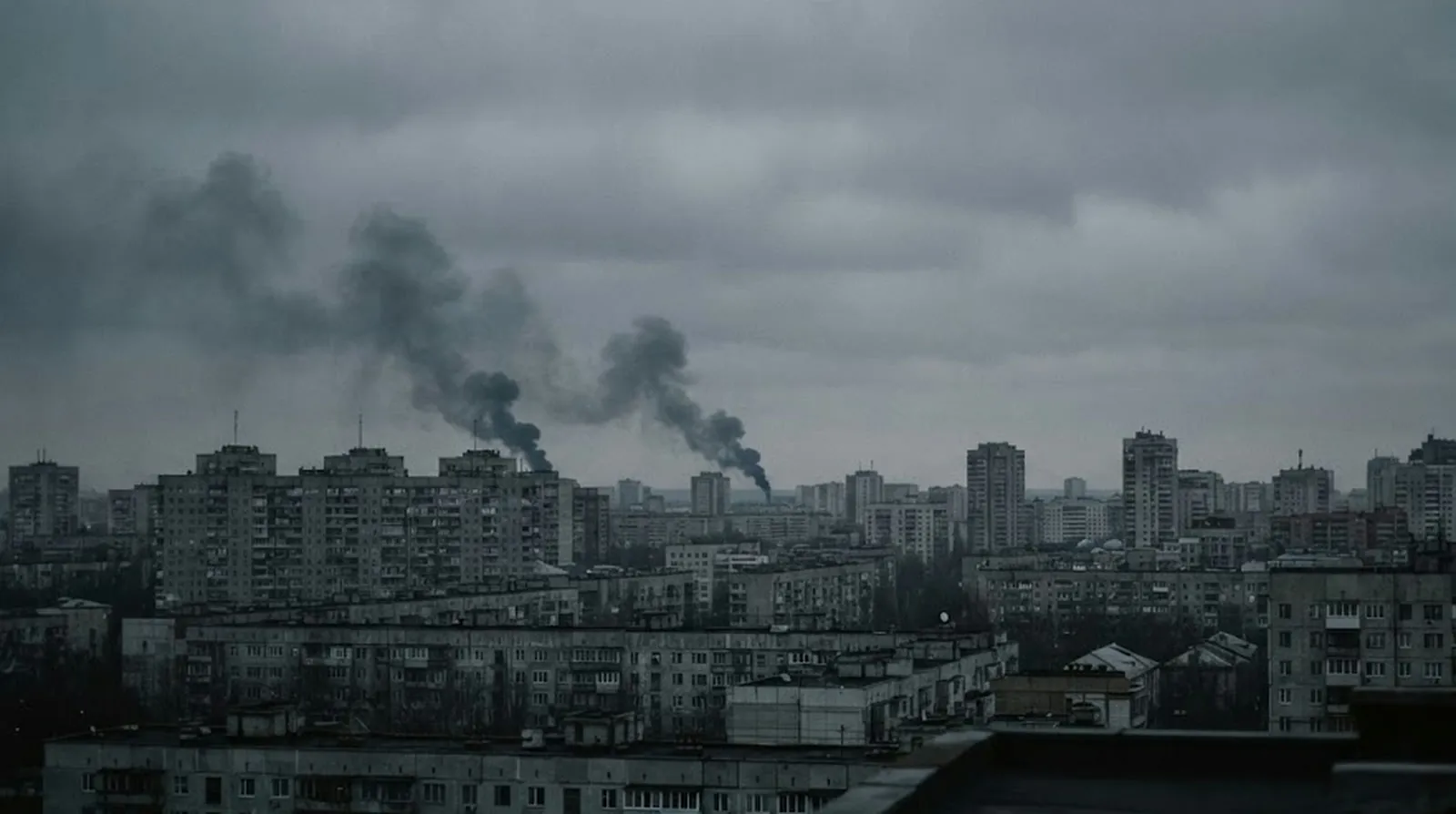
The night between July 1 and 2, Kyiv lived through one of the heaviest air attacks yet. Russia sent waves of cruise and ballistic missiles - hypersonic ones among them - and kamikaze drones against the Ukrainian capital and other cities. According to Ukrainian services, 13 people were killed, at least 56 wounded, and 32 hospitalized. Among the victims are both civilians and rescuers.
The strikes weren't picky about targets. Residential buildings were hit in several parts of the city, a hotel in the center caught fire, and in one district a nine-story block collapsed with people trapped under the rubble. A medical facility was also damaged, where five health workers were injured, one seriously. In total, at least 28 locations sustained damage. The attacks began around 9:40 p.m. with drones and continued with ballistic missiles until about two after midnight.
President Zelensky warned that same day: "We have very worrying information about preparations for a new major Russian air attack." So he knew what was coming - and yet little can be done against a night full of missiles. This isn't the first strike of its kind and it won't be the last, but each new one measures the limits of how much a city can take.
The context matters to understand why now. The attack is seen as retaliation for the Ukrainian drones that hit Moscow and Russian refineries in June, worsening Russia's fuel shortage. The war has long stopped being fought only at the front - it has spread to the cities, to civilians, to everyone asleep in their apartment hoping that tonight the missile will fall somewhere farther off.
For the Balkans, which remembers its own sieges and its own nights under the sirens, this is not distant news. We know what it means when the "target" of some war becomes the building you live in. And we know how quickly the world grows used to someone else's suffering when it lasts long enough. The question hanging over all of it is simple and uncomfortable: who still believes this has a bottom, and what exactly has to happen for someone to say enough?
The latest 10 news from this category

Trump says Zelensky is a harder partner than Putin. Behind the scenes, American intelligence is sending Kyiv strike data and...
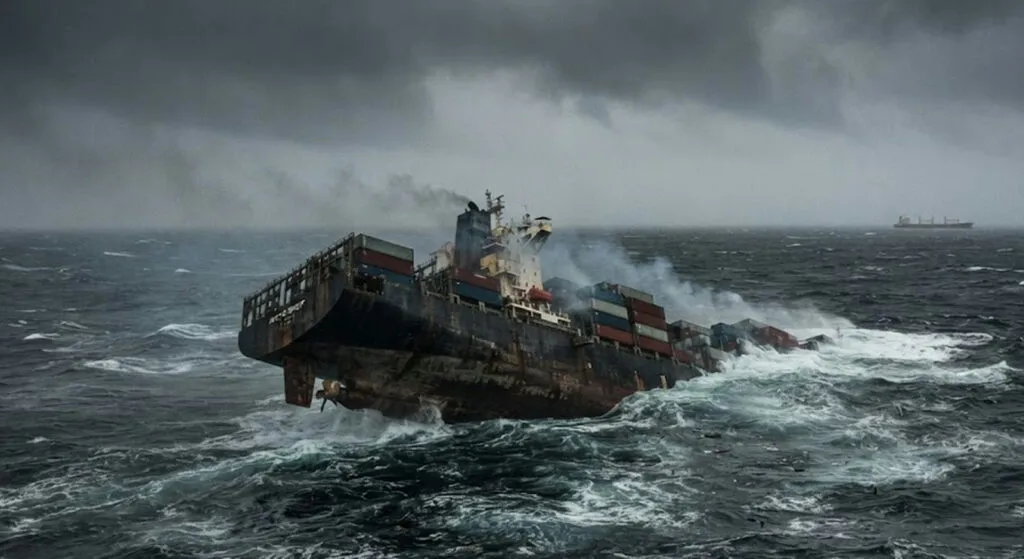
One dead, three missing, and no official cause. Before it, in October alone, drones attacked at least seven cargo ships...

Security guarantees and ten years of funding for the army - that's Kyiv's price. Putin, meanwhile, doesn't want a short-lived...

Seven sailors went missing after a drone attack on a tanker off the Romanian coast, and the union says there's...

Ukraine has revealed details of the secret offensive near Lyman: 277 square kilometres and 16 villages, but also more than...

An empty tanker, a distress call at seven in the morning and seven missing, among them a Croatian officer. Off...

Kyiv is ready to freeze the war on the current line, but not to abandon positions it spent years preparing....

Storing dangerous pathogens doesn't by itself prove biological weapons. But at the UN, "the documents show" is often enough for...

Patriot missiles at 12 a month, Starshield restricted, and now advice from the allies: don't anger Washington. Ukraine is heading...
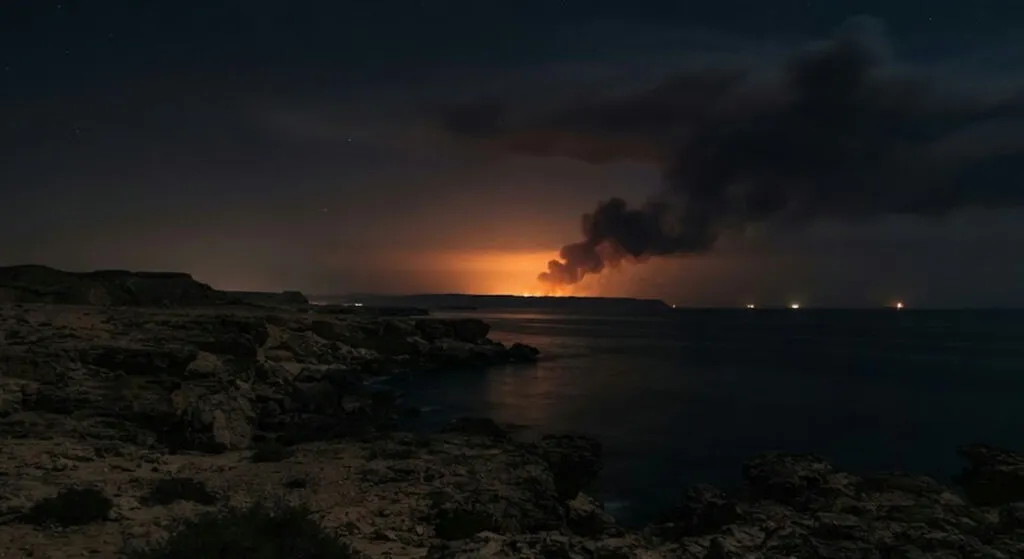
For months Washington was bringing people back to its embassies, now some of them are packing their suitcases again. The...
This site uses cookies - is that okay? Learn more
Be the first to know when Metla launches something new
Leave your email and we will write when there is a new guide or something new on Metla.