
A Pole Drove 164 km/h Where the Limit Is 80: The Camera Caught Him, the Border Stopped Him
23.08.2026


23.08.2026

23.08.2026

23.08.2026

23.08.2026
22.08.2026

22.08.2026

23.08.2026

23.08.2026

22.08.2026
23.08.2026

23.08.2026

23.08.2026
23.08.2026
22.08.2026
21.08.2026

23.08.2026

23.08.2026

23.08.2026
23.08.2026

23.08.2026
22.08.2026

09.03.2026

27.02.2026

19.02.2026

23.08.2026
23.08.2026

22.08.2026

23.04.2026

23.04.2026

12.04.2026
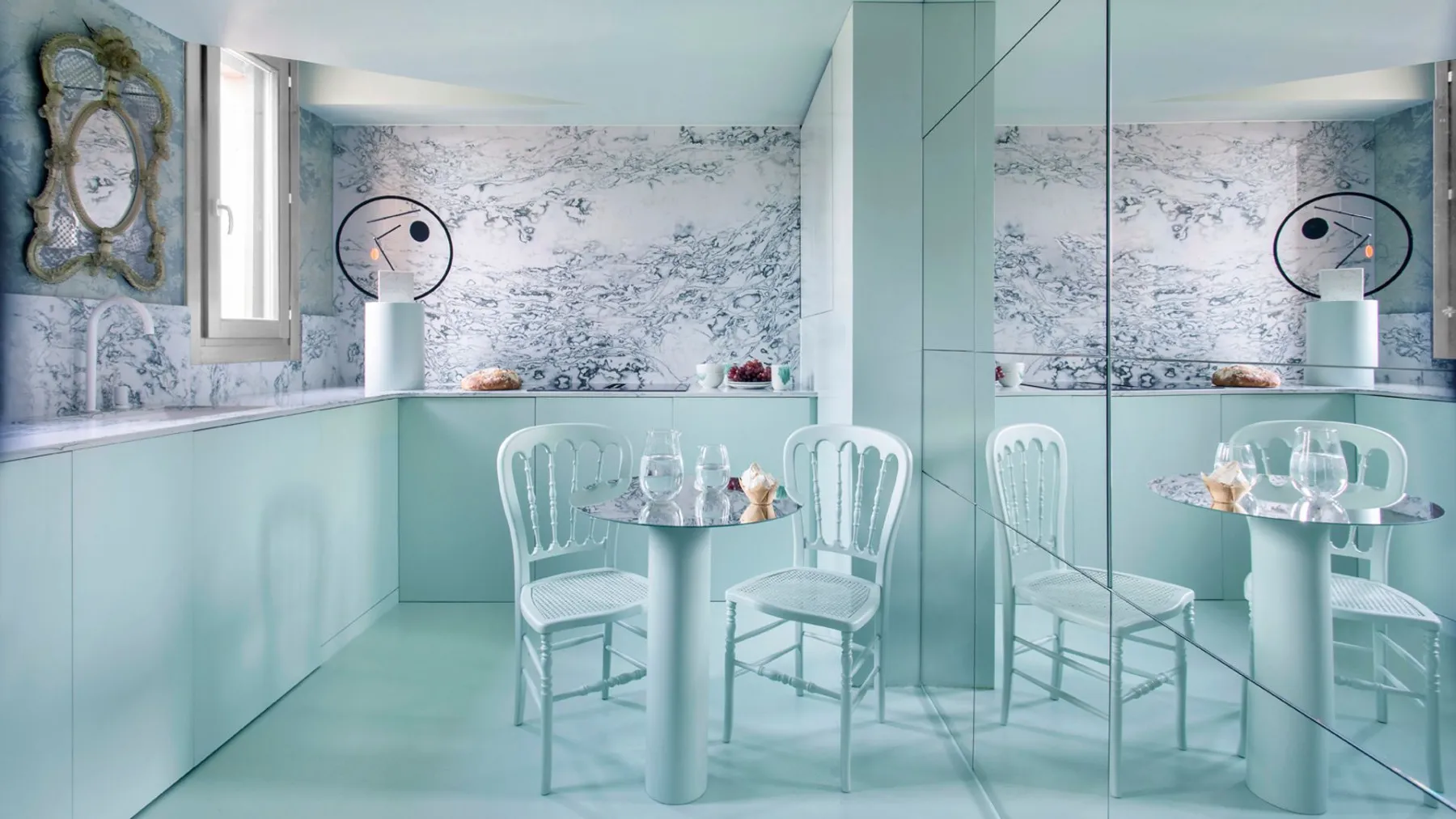
White was for decades the synonym for a modern, clean home - but in 2026 its reign is ending. In its place come soft green tones, offering calm, sophistication and a connection to nature. Designers call it the „emotional interior" - a space built to carry a sense of wellbeing, not just to look good in a photo.
This isn't just any green. The trend is for soft, low-saturation shades - a mint green with a mineral freshness, an olive that ties the space to Mediterranean tradition, a timeless sage green, and dusty greens with grey undertones that are the easiest to combine. Fluorescent and oversaturated greens are out, as are shades too dark for large surfaces without enough light.
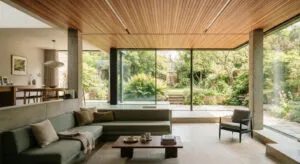
The colour works differently in every room. In the bedroom it encourages rest and a „pause mode" - neuroarchitecture confirms that green lowers nervous arousal and prepares the body for sleep. In the kitchen it brings calm to cooking and increasingly shows up on cabinetry, because it doesn't tire the eye. In bathrooms it shines on tiles and ceramics alongside stone or wood, and in living rooms it works on large upholstered pieces, wrapping the space in atmosphere.
Why green in particular feels calming has a scientific explanation. Cooler tones visually recede, create an illusion of depth and make small spaces feel larger - especially useful in flats under 60 square metres. Unlike warm colours that fire up the nervous system, green lowers physical arousal and invites you to relax. That's why they call it the „new neutral" - a colour that enters the home without asking for permission.
When it comes to dosing, nature is the best teacher. In nature, vivid colours appear only in small amounts - flowers, insects, fruit - framed by vast soft surfaces. That's why green works best on whole walls, lacquered furniture or floor-to-ceiling tiles in moderate shades, rather than in tiny patches. The human brain simply isn't built to live surrounded by large surfaces of vivid colour.
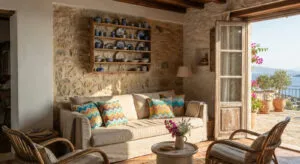
Green pairs easily with other tones too. With wood and beige it creates a warm, natural setting; with white it carries lightness and brightness; and combined with yellow and pink it brings energy and optimism - designers recommend it especially for older people living alone or for those prone to low moods. Whether you choose a single wall or a whole room, the point is the same: a home shouldn't only look good, it should calm you the moment you walk in.
The latest 10 news from this category
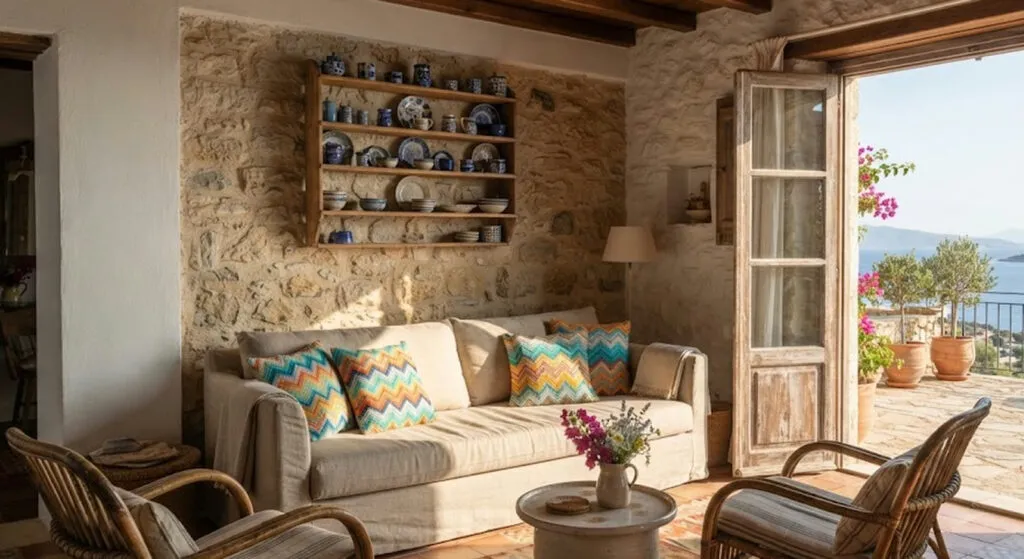
The most expensive family in the story gives the cheapest lesson. Not one piece in the living room is from...
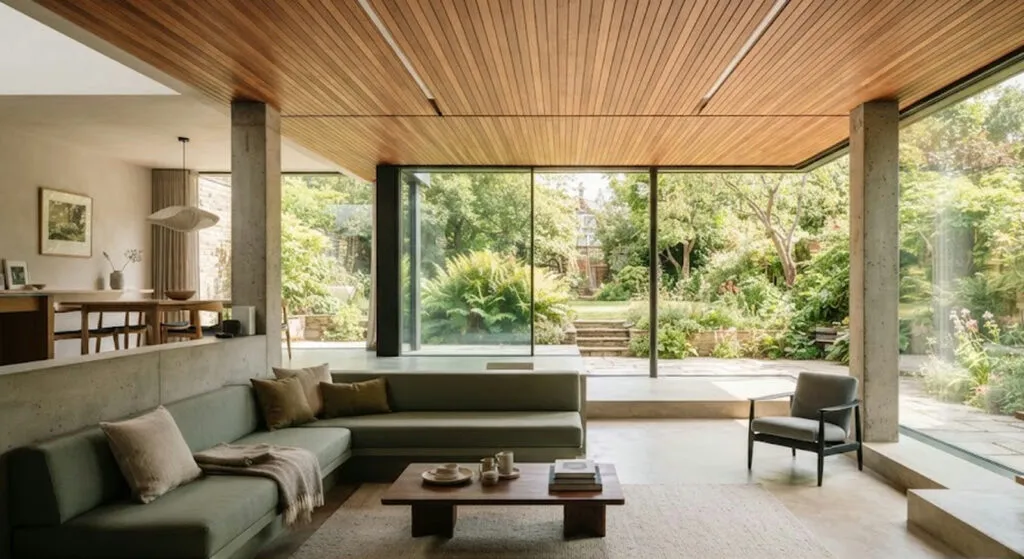
330 square metres in Biscay, a living room on two levels and a red staircase deliberately left untouched. The idea...
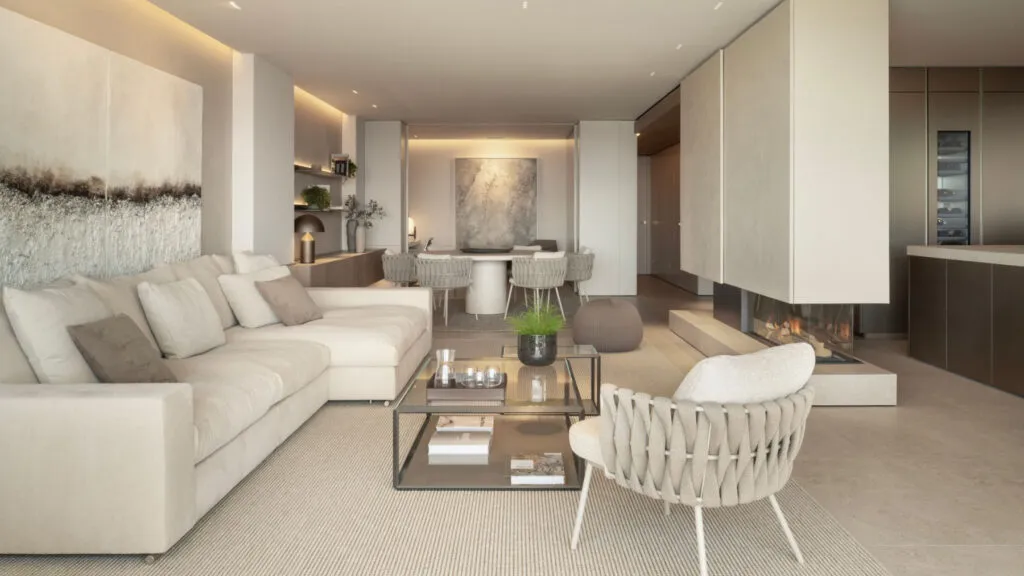
If the same tone and the same finish go literally everywhere, the space does not become calm - it becomes...
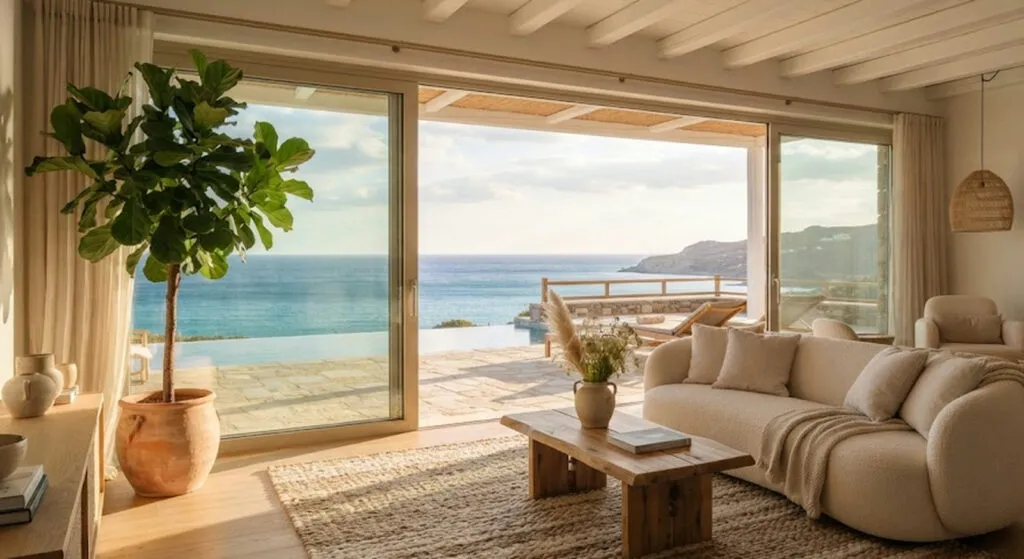
From Malibu to Mijas and Como. Some are real properties you can stay the night in, some are a set...
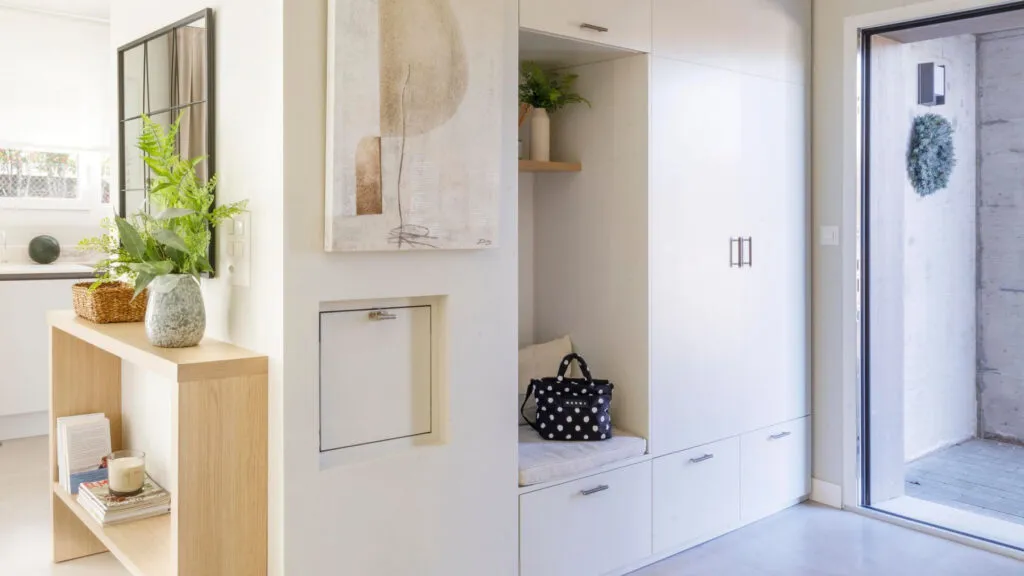
A twenty-centimetre shelf, a bench that hides shoes and one tray for the keys. The biggest enemy is not mess...
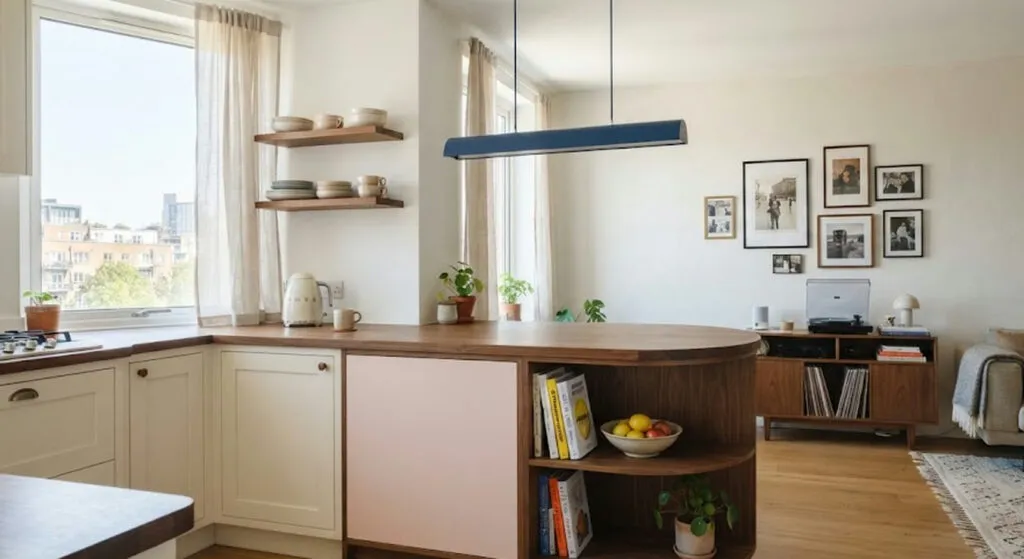
Colour here is not decoration but layout. The curved counter with a built-in bookshelf, the coral corridor and the wardrobes...
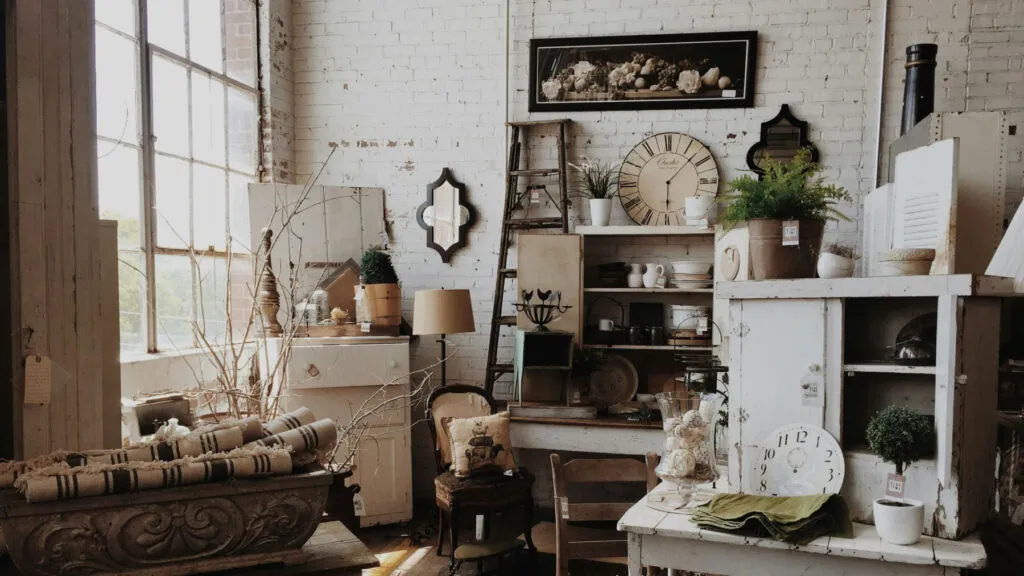
The trend is back, but not out of nostalgia - those pieces are solid wood, not chipboard with foil. Three...
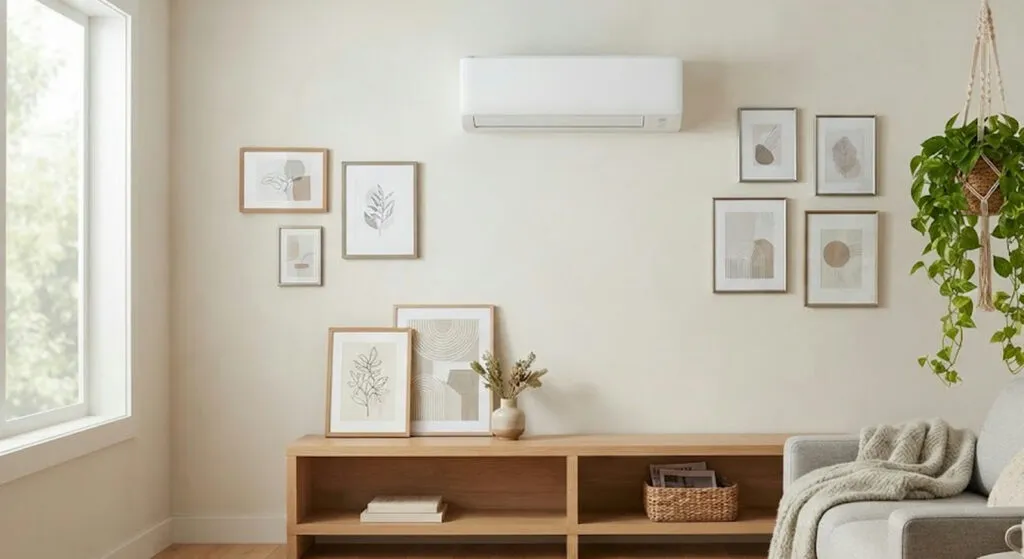
The object bought to hide one white rectangle ends up taking more space than it does. And it makes the...
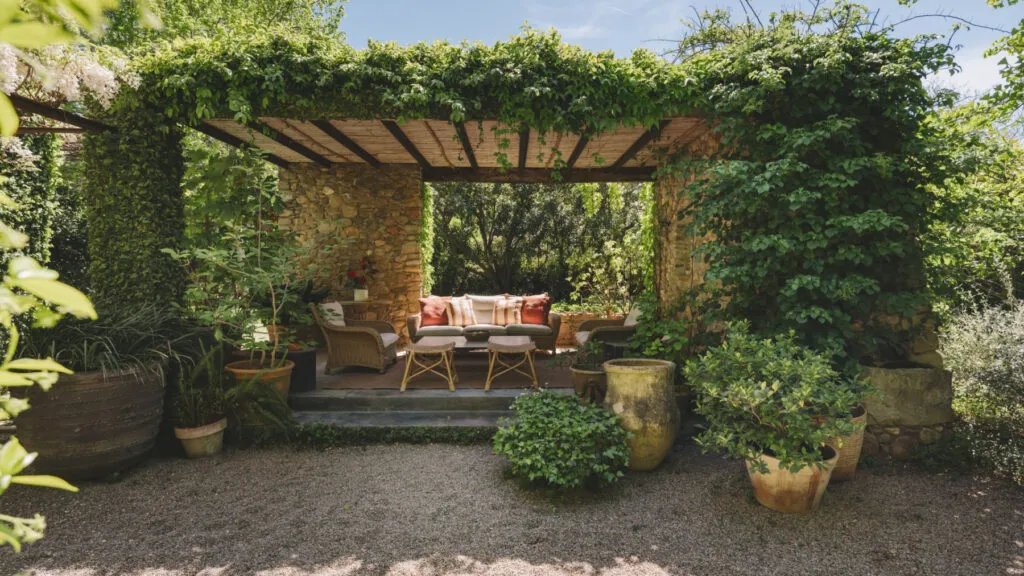
350 square metres without a single corridor, five bedrooms and a pool that does not beg for a photograph. Not...
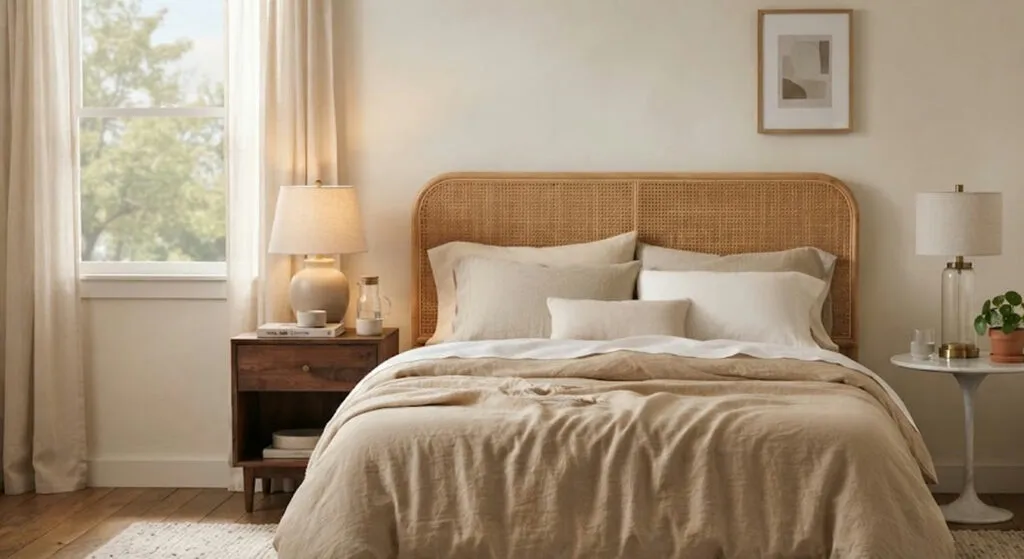
Mixing materials and shapes gives you more than repeating the same model twice. Here it also means the inherited nightstand...
This site uses cookies - is that okay? Learn more
Be the first to know when Metla launches something new
Leave your email and we will write when there is a new guide or something new on Metla.