

Fire by the railway in Prilep: residents watched black smoke over textile waste, "Komunalec" says - a small part, no danger
04.10.2026


04.10.2026

04.10.2026

04.10.2026

04.10.2026

04.10.2026

04.10.2026

04.10.2026

03.10.2026

02.10.2026

04.10.2026
04.10.2026

03.10.2026
04.10.2026

04.10.2026
04.10.2026
04.10.2026
03.10.2026
02.10.2026
04.10.2026

04.10.2026

04.10.2026

04.10.2026

04.10.2026
03.10.2026

09.03.2026

27.02.2026

19.02.2026

04.10.2026

03.10.2026

02.10.2026
02.10.2026
22.08.2026

20.08.2026

23.04.2026

23.04.2026

12.04.2026

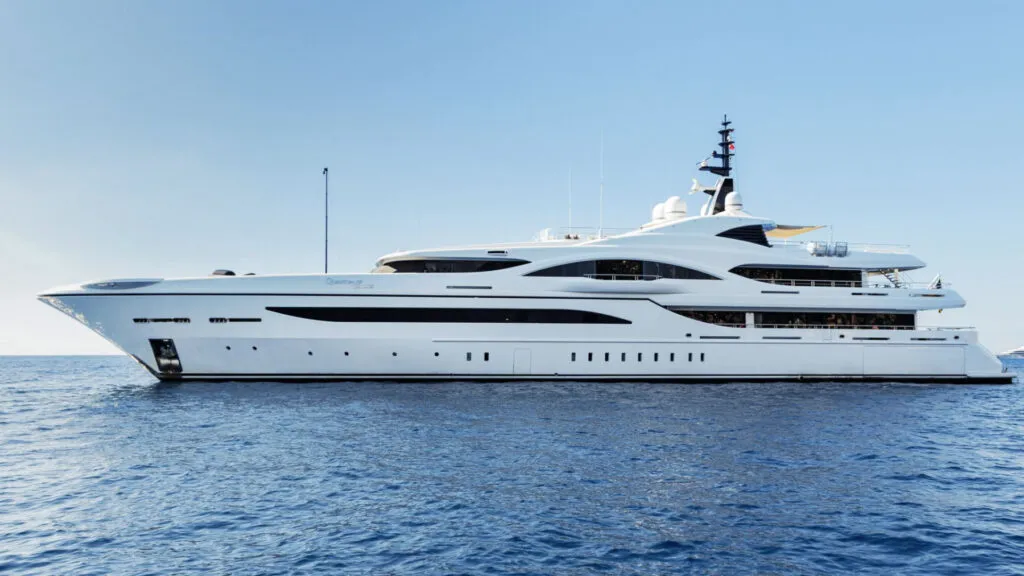
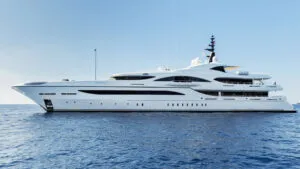
Tej Kohli is a man who measures every problem with a single question: can technology, capital and ambition together create a solution at scale? Online payments, artificial intelligence, biotechnology, blindness, bionic prosthetics - everything goes through the same filter. His skill is seeing the connections before others do and backing ideas with time and money. That is how he built an enormous fortune. And the fortune has an address where the family gathers: a 75-metre yacht called "Quantum of Solace".
A floating palace
Kohli bought the yacht to make his wife Isabelle's dream come true. It was conceived as a palace of light and calm on the water, with a spa, a helipad, a beach club and a main salon in a double-height atrium - something that, according to the owners, only three other yachts in the world have. The name is borrowed from the James Bond film: "We are big Bond fans, so we liked the name straight away, and we were also drawn to the palette of warm, neutral colours in the interior." Inside there is room for twelve guests.
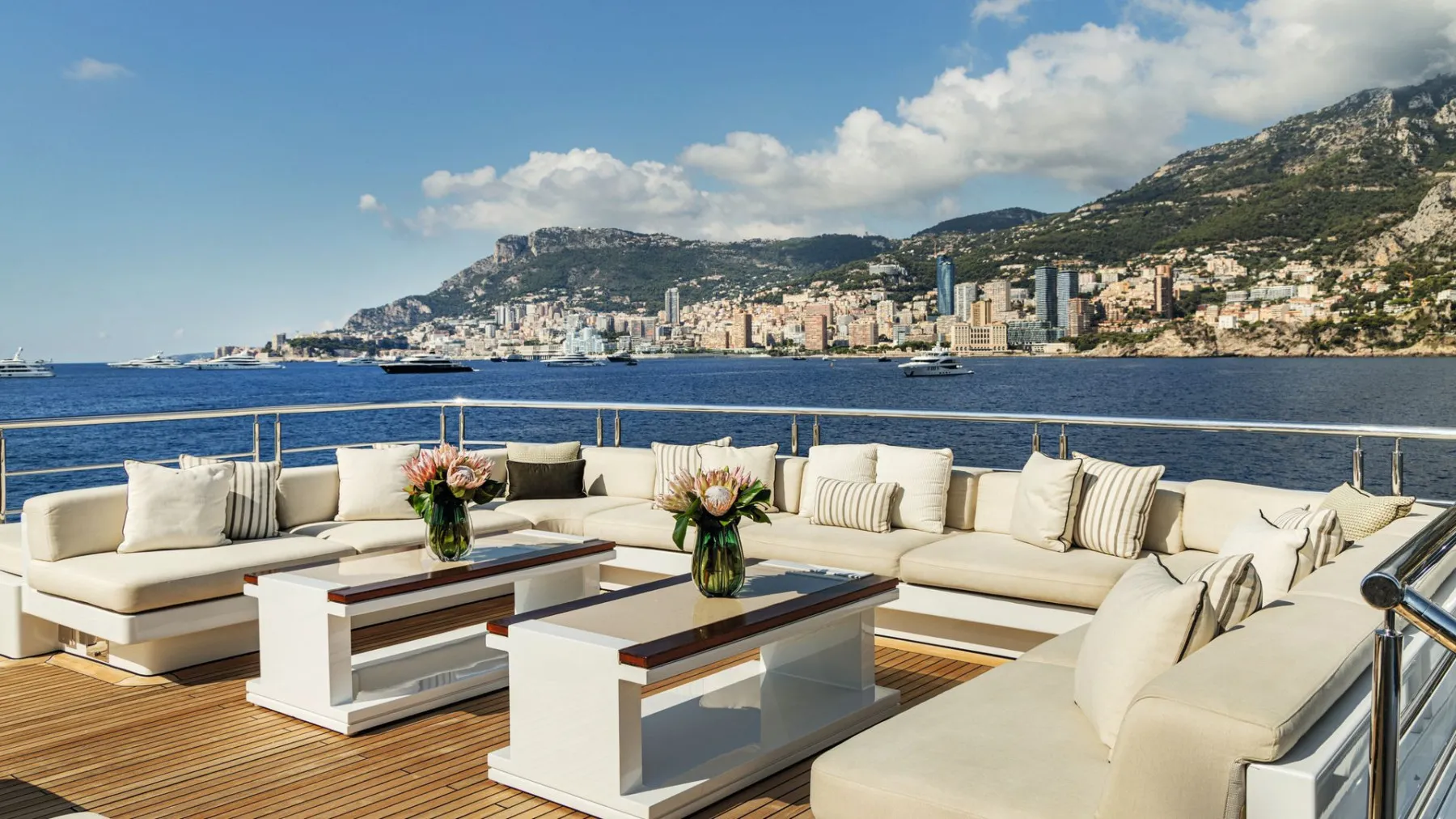
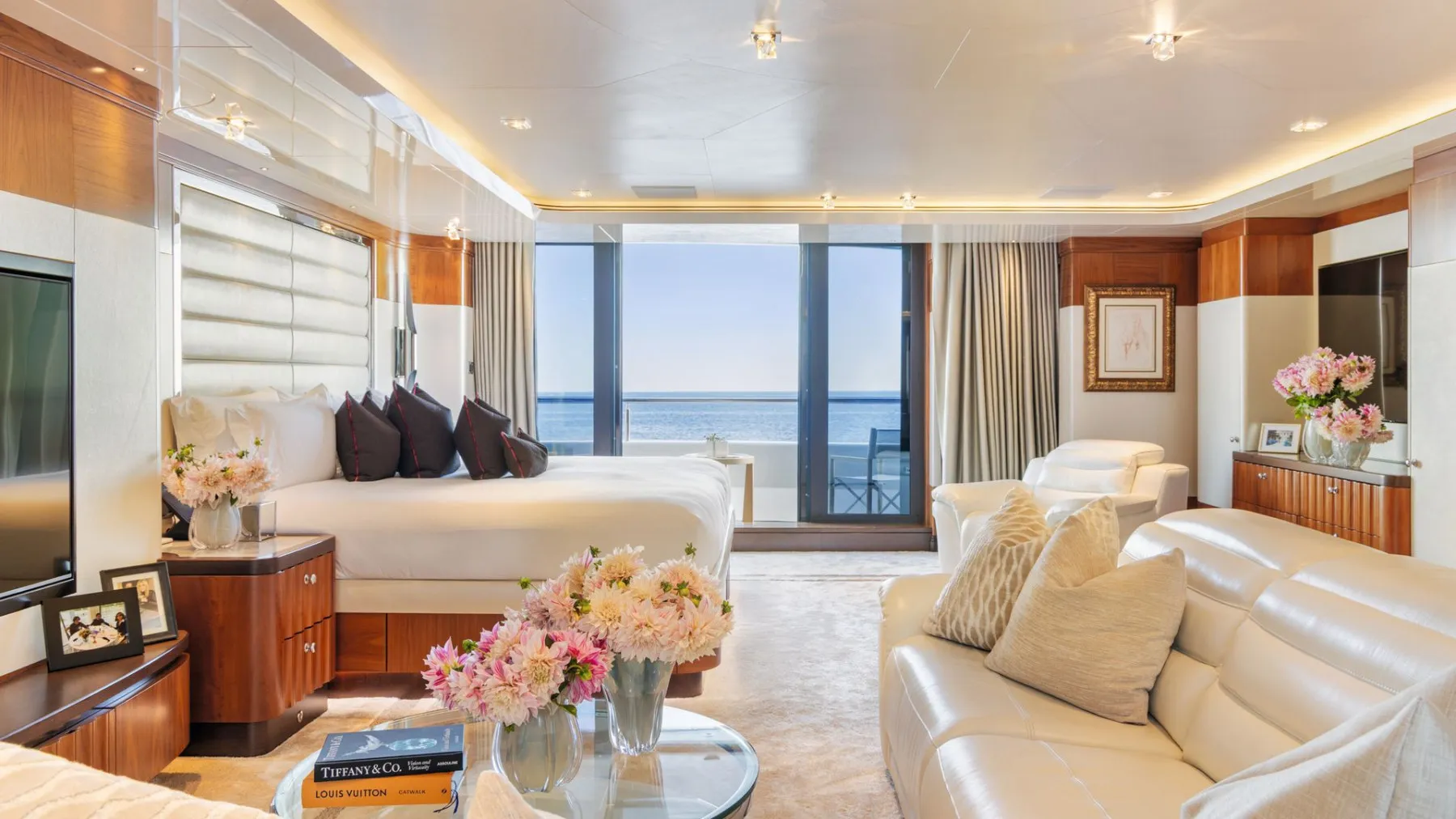
The interior is exactly what it promises: cream leather armchairs, light wood, wide windows that bring the sea inside, fresh flowers on every surface. The upper deck, the owners say, is "like a floating Four Seasons" - a place for friends and guests. The yacht spends the whole summer in the Mediterranean. "A boat this size is like a small town, and the crew - 21 people - are the ones who decide whether that town is a happy one."
The two owners
Isabelle grew up in Hampshire, England, in a family where her father was director of underwater weapons systems at the British Ministry of Defence. She studied in Alcalá de Henares, near Madrid, and taught English to Spanish children there - ever since, she says, Spain has always been part of her life. She worked in marketing in London, took a break to raise her two children, and then founded her own holiday and yoga clothing brand, Just Isabelle. After the pandemic she divorced and closed the brand. Later she met Tej.
He was born in Delhi in 1958 into an academic family: his mother was a diplomat and his father editor-in-chief of the "Times of India". He graduated in electrical engineering from the Indian Institute of Technology in Kanpur in 1980, moved to the US in the mid-eighties and made it in real estate, then founded a group of technology companies in Costa Rica which he sold off from 2006. He came to Britain with that money. "I grew up in Delhi watching people whose lives were marked by small, easily treatable illnesses," he says. "I am determined to use my success to help others rebuild their lives."
They met on a blind date, through mutual friends, after the pandemic. They talked for five hours and discovered that their firstborn children share a birthday, October 30. On their third date, for Valentine's Day, he flew her to lunch in Edinburgh. He proposed at the Cannes Film Festival, and the wedding was at the Hôtel du Cap-Eden-Roc on Cap d'Antibes, with performances by Alessandro Ristori and Mariah Carey. The honeymoon - on the deck of the "Quantum", around Sardinia, Corsica and Capri.
A yacht and cataracts
Their life is split between Monaco, Cannes, London and Costa Rica. The two are co-chairs of the Tej Kohli Foundation, which is funded by the family itself and has set itself a goal of restoring sight to 500,000 people by 2030. It started, Kohli says, in 2010, when he funded corneal transplants at the Niramaya hospital in India. In 2015 they founded a Cornea Institute at the L. V. Prasad Eye Institute, which between 2015 and 2019 carried out more than 43,000 operations and cared for 223,000 patients. Since 2021, together with Dr Sanduk Ruit, they have been running mobile surgical camps in remote places in Nepal, Bhutan and Ghana. The target for 2030: screening a million people and 500,000 cured cataracts.
"Blindness and poverty are closely linked," the foundation explains. "In poor communities, when you lose your sight you lose your job, and often a family member has to leave school or work to look after you." Isabelle saw the first camp in Charamba, Nepal, while they were engaged: "Seeing how one simple operation gives sight back to someone who has lived in darkness for a decade - that changes your life." The foundation also funds research, including the biomaterial GelCORE for repairing corneal injuries without surgery, and 3D-printed bionic arms for children and young people with limb differences.
And then there is the question this story carries all by itself. "Because we fund it with our own money, we decide where every euro goes and we are directly accountable," says Isabelle. More than 43,000 operations are not marketing - they are people who can see again. But when a donor says they are "directly accountable", the question remains: to whom? In this model the priorities of aid are not set by an institution but by a single family - whose home on the water has a crew of 21. Efficient, no doubt. But should the world depend on what some billionaire has decided to consider important?
The latest 10 news from this category
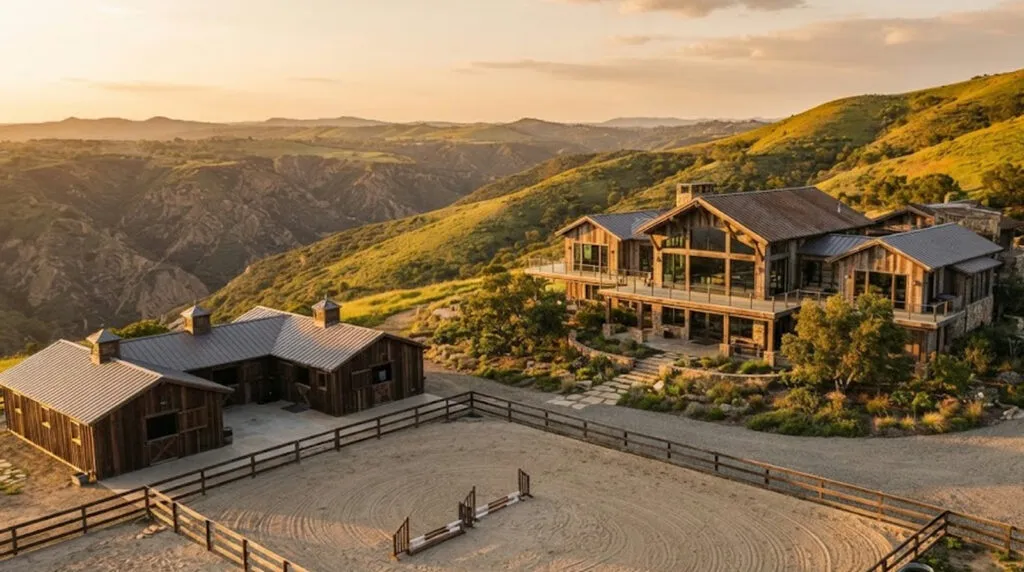
Bought for five million, renovated for another seven, and now on the market for over 26 - a ranch whose...
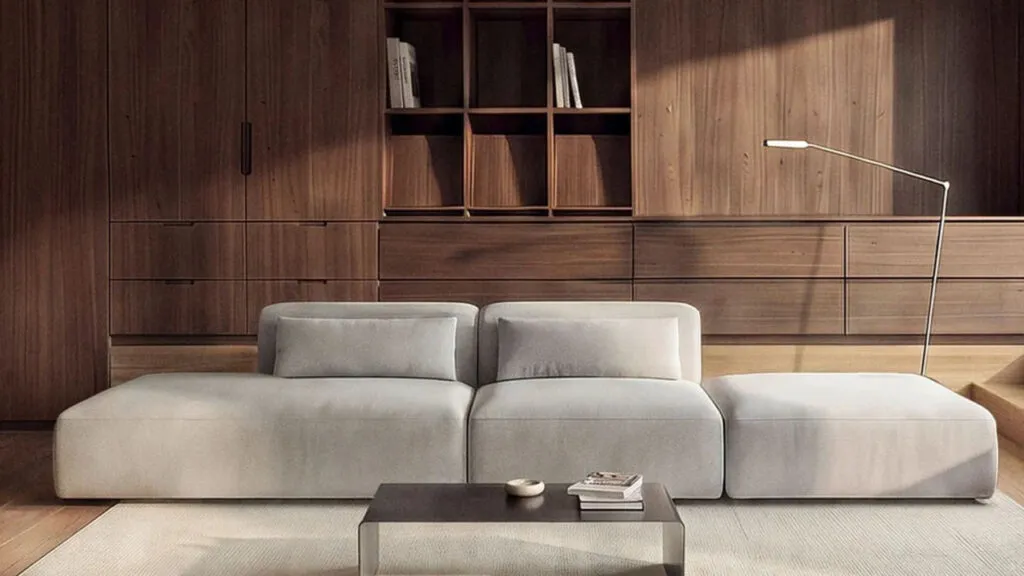
Scandinavian style is in retreat, and the walnut furniture we remember from our grandmothers' living rooms is this autumn's trend....
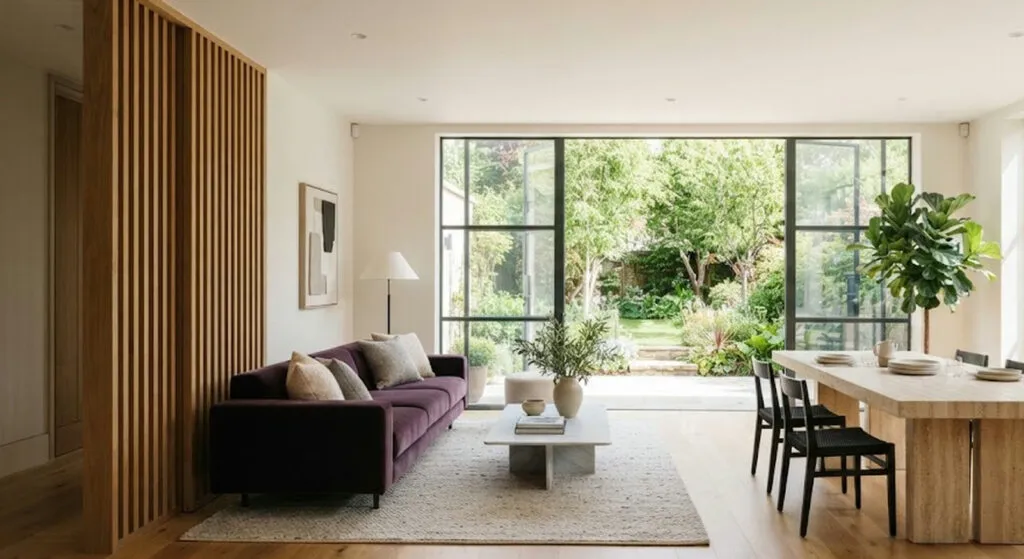
Bisbal is heading off on tour and leaving behind a 3,000-square-metre home, garden included. The best trick in it works...
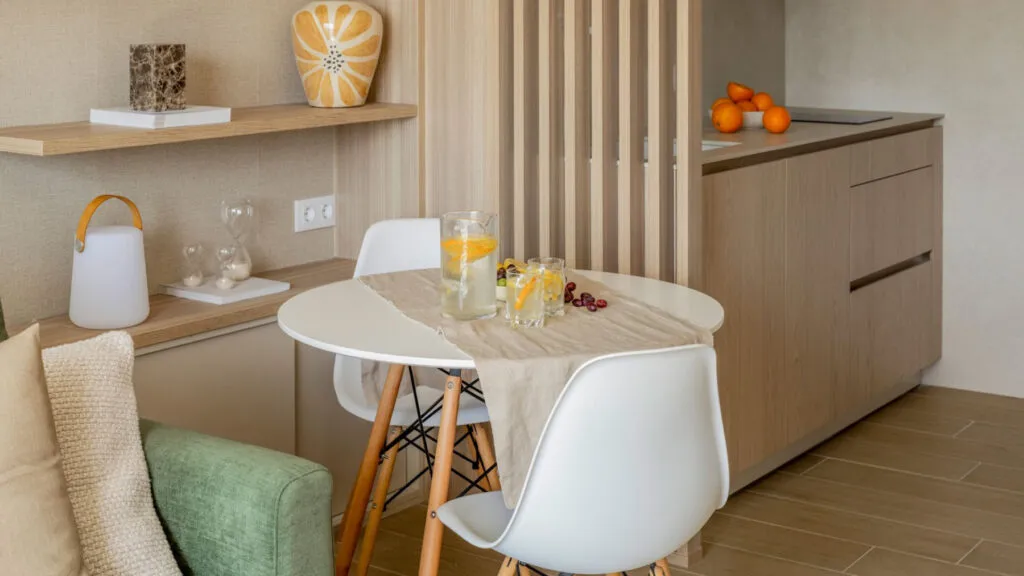
You don't buy more square metres, you find them: five decisions from a small holiday flat that work for any...
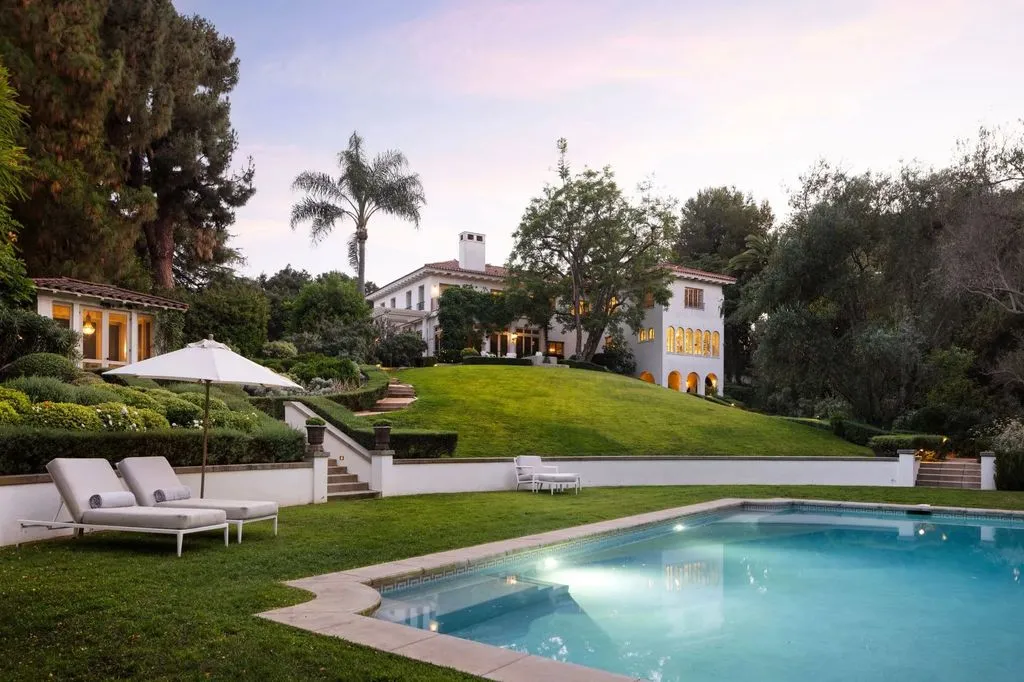
A house from 1913 with six bedrooms, ten bathrooms and a 12-metre pool. Before her, it belonged to the director...
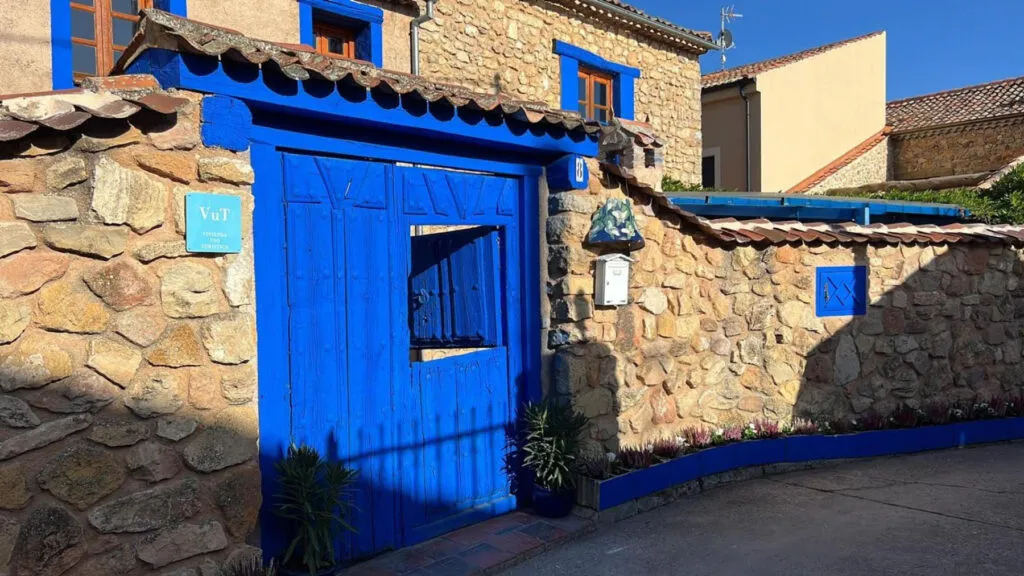
The former model and actress swapped a luxury Madrid suburb for a village of about a hundred people and refused...
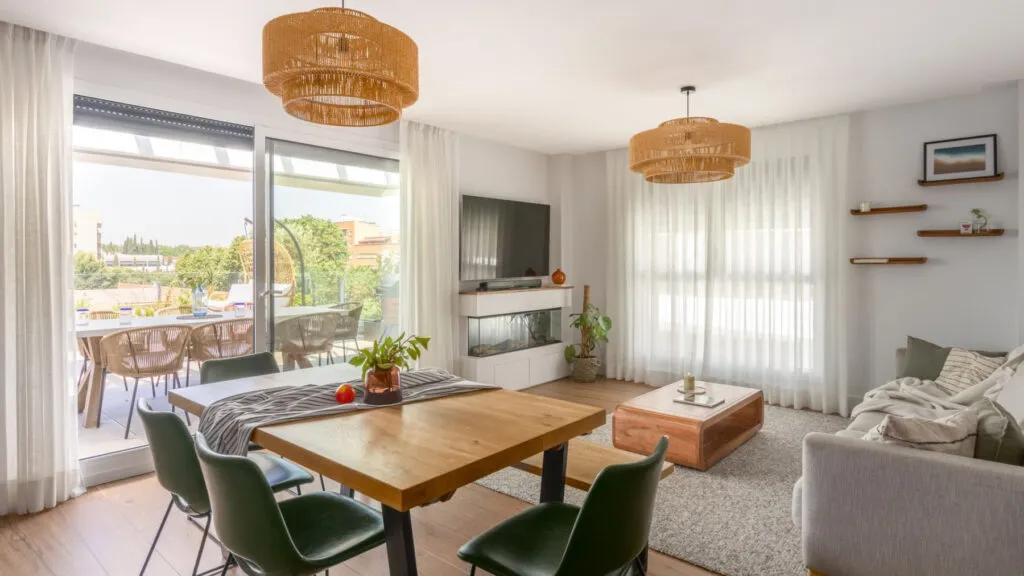
A new flat with great light that didn't feel like home. The designer didn't demolish anything - she changed the...
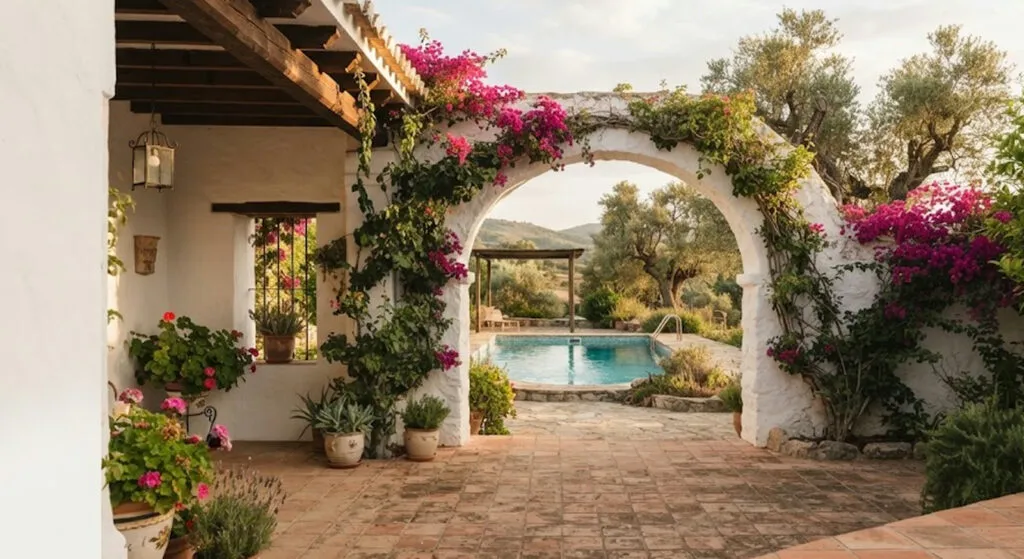
An old mill bought more than 30 years ago that his daughters still keep coming back to. Whitewash, stone and...
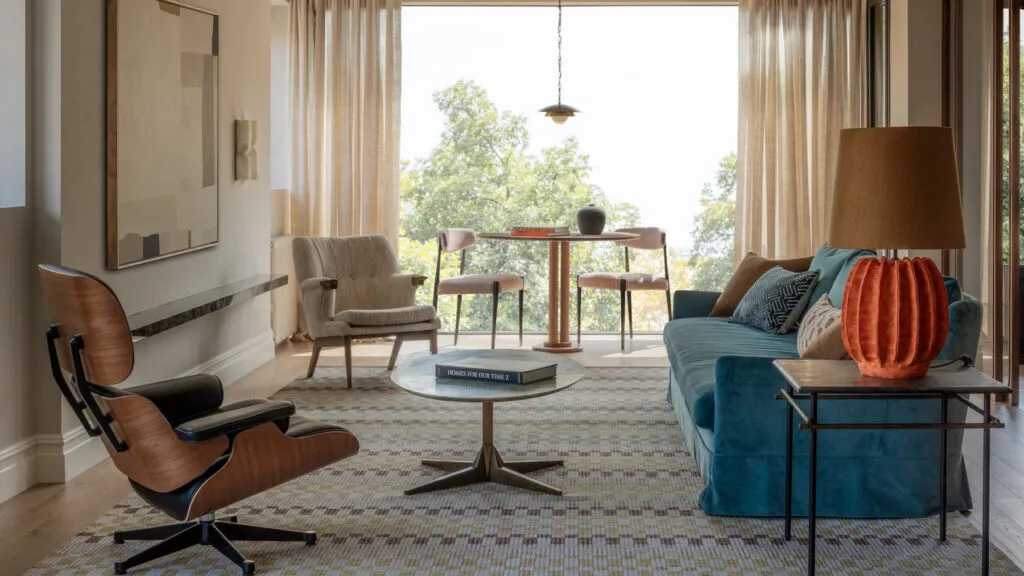
Luxury isn't about showing off, it's about detail, says the architect. That's why the best light in this flat went...
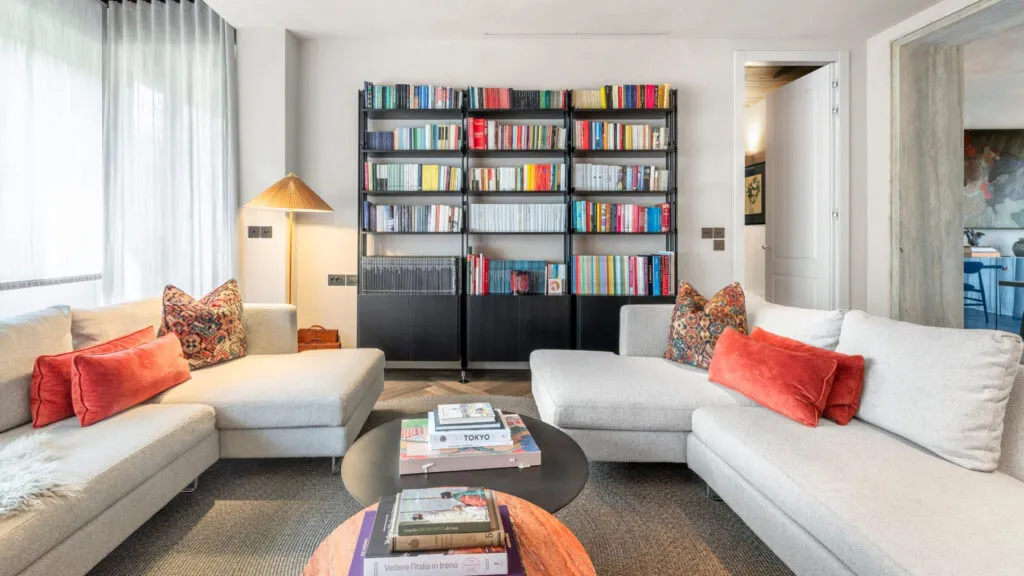
The exposed brick and ribbon windows stayed, and the entire palette came out of a single painting above the sideboard....
This site uses cookies - is that okay? Learn more
Be the first to know when Metla launches something new
Leave your email and we will write when there is a new guide or something new on Metla.