
Three of Four Sensors Were Dead: Skopje's Vodno Cable Car Ran Fifteen Years Without a Real Service
17.09.2026


17.09.2026

17.09.2026

17.09.2026

17.09.2026

17.09.2026

17.09.2026

17.09.2026

16.09.2026

15.09.2026

17.09.2026
17.09.2026
16.09.2026

17.09.2026

17.09.2026

17.09.2026

17.09.2026

16.09.2026

15.09.2026

17.09.2026

17.09.2026

17.09.2026

17.09.2026

17.09.2026

17.09.2026

09.03.2026

27.02.2026

19.02.2026

23.04.2026

23.04.2026

12.04.2026

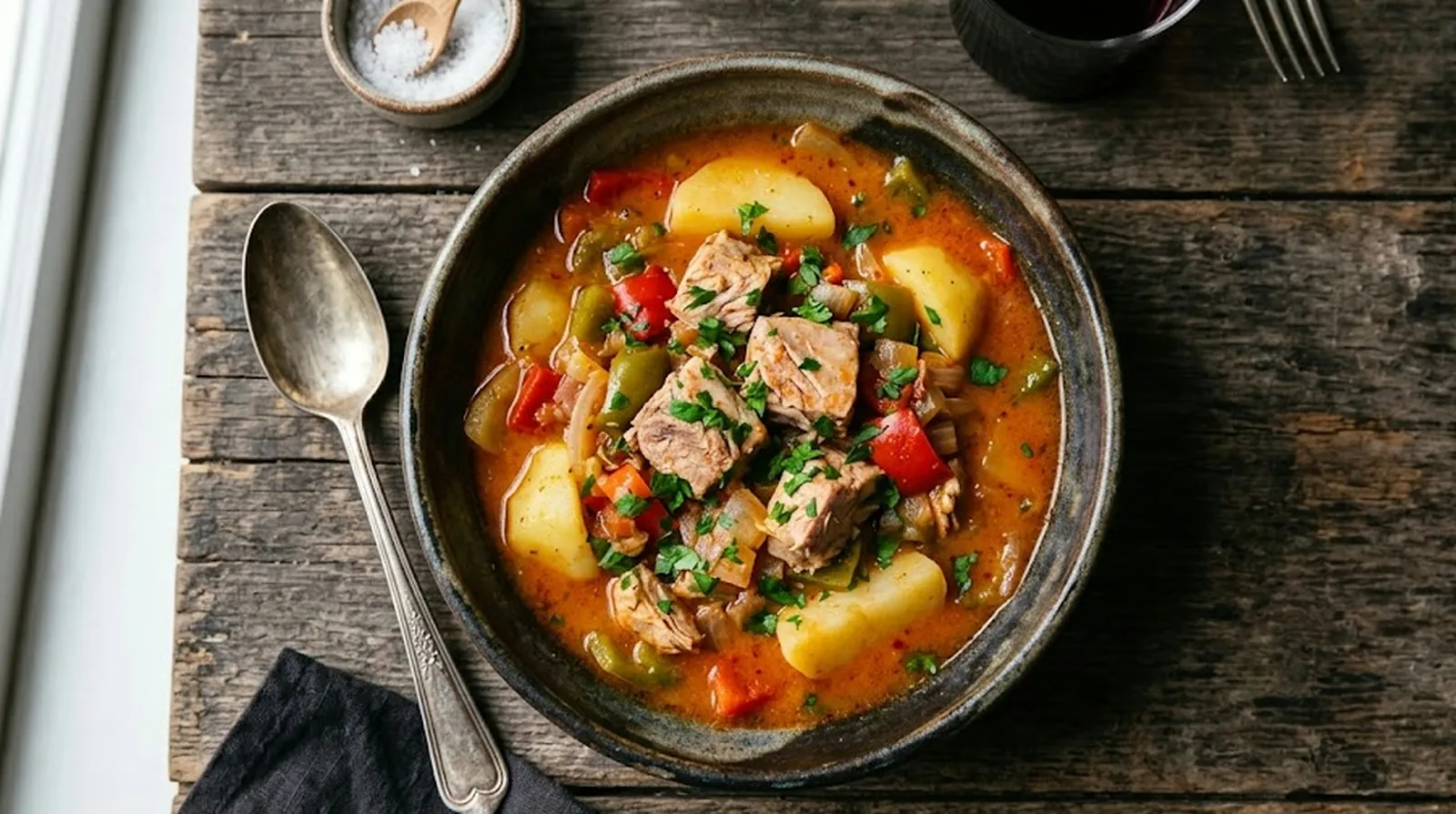
There are dishes born of necessity that stuck around because they are delicious. Marmitako is exactly that - a Basque fisherman's stew that came to be on the boats, when fishermen from the Bay of Biscay needed something simple, hearty and warm for the long days at sea. The name comes from "marmita", the Basque word for a pot. In it, tuna, potato and vegetables come together as one - seemingly plain, but actually precise.
For four servings you need about 400 grams of tuna without skin and bones, extra virgin olive oil, one red and two green peppers diced, an onion, three cloves of garlic, five larger potatoes, a spoon of dried pepper pulp (choricero), a cup of homemade sauce, a piece of bread, a little hot pepper, a teaspoon of smoked paprika, a splash of white wine, a litre of fish stock and parsley.
The secret is not in the ingredients, but in a single move. The potatoes are not cut - they are broken with a knife, so they release more starch which later thickens the stew naturally, without additives. First the garlic, onion and peppers are sauteed for about ten minutes, the broken potatoes go in for another four or five, then the tomato, the peppers, the bread and the hot pepper. The wine is poured in to evaporate the alcohol, then the stock, and it all simmers for about 30 minutes until the potato softens.
The tuna goes in last, and there lies the second key. It is cut into cubes of about 4 centimetres, briefly seared separately so it catches colour on the outside while staying almost raw inside, and added to the pot only three to four minutes before the end. If you cook it long, it will dry out - the tuna in marmitako melts in your mouth only if you respect it. A simple dish that asks for a little patience and one technique - exactly as a good stew should.
The latest 10 news from this category
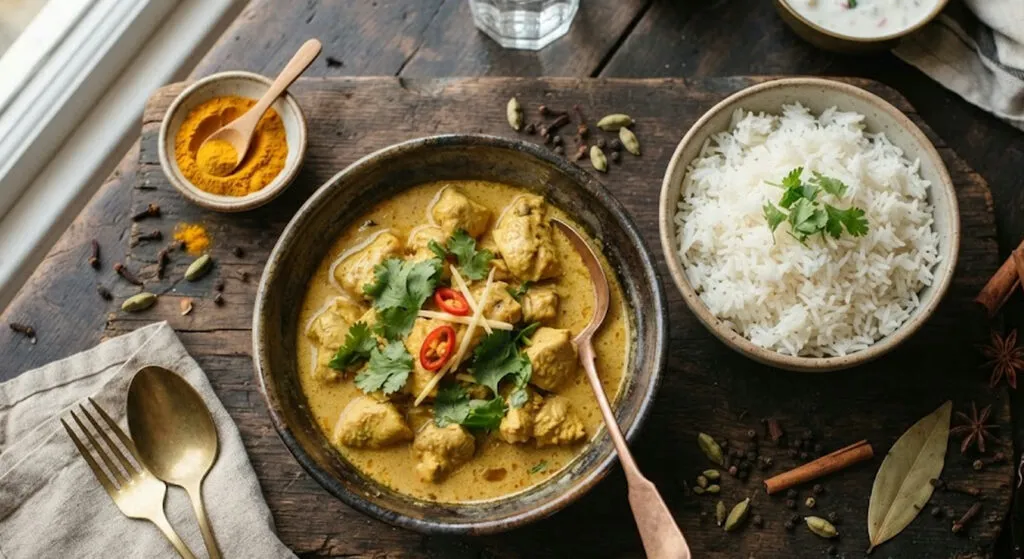
Home-made chicken curry fails at the same point for everyone. The difference is made by one step that has nothing...
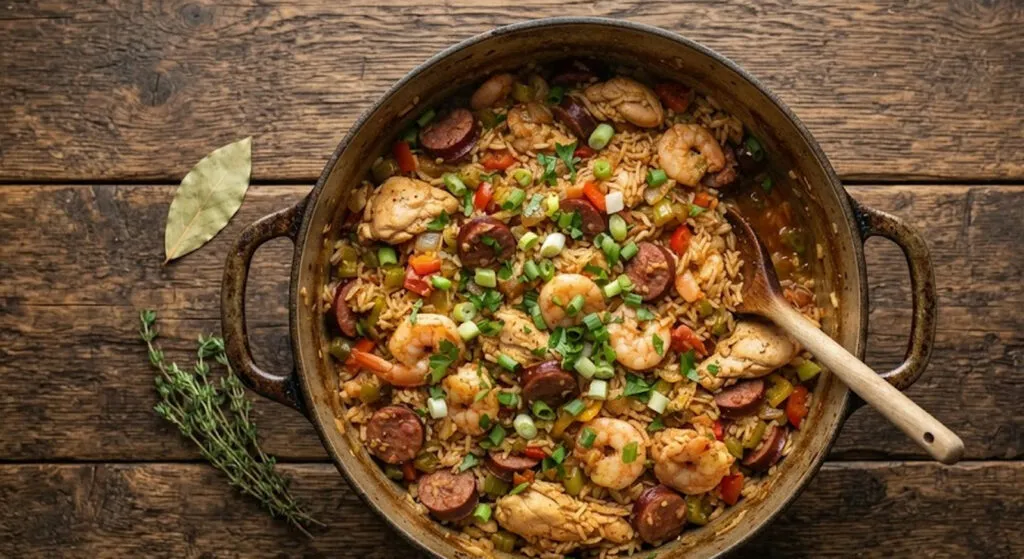
Jose Andres has lived in America for over thirty years, and when asked for his favourite American dish he named...
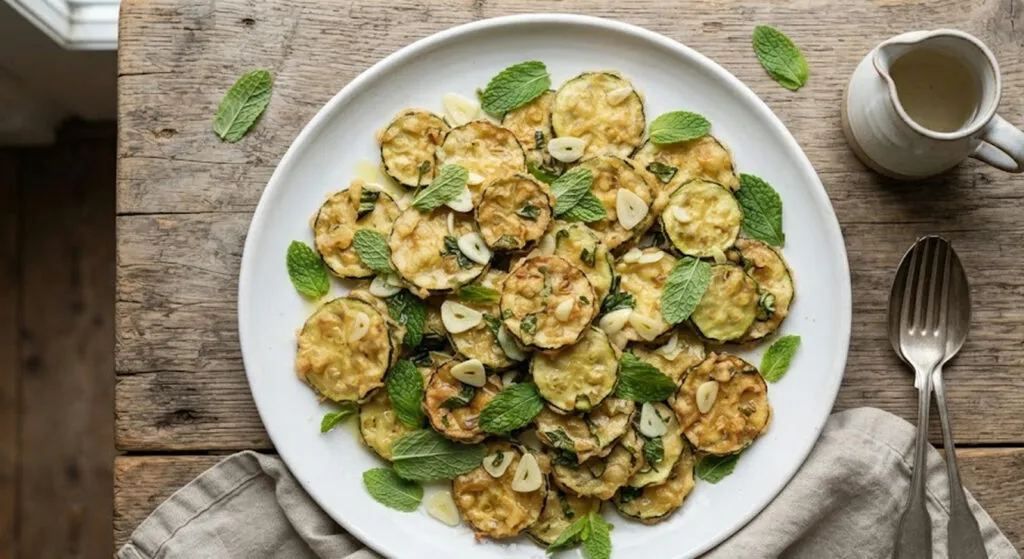
A kilo of courgettes, mint, garlic and eighty millilitres of vinegar. Not one expensive ingredient - and the water you...
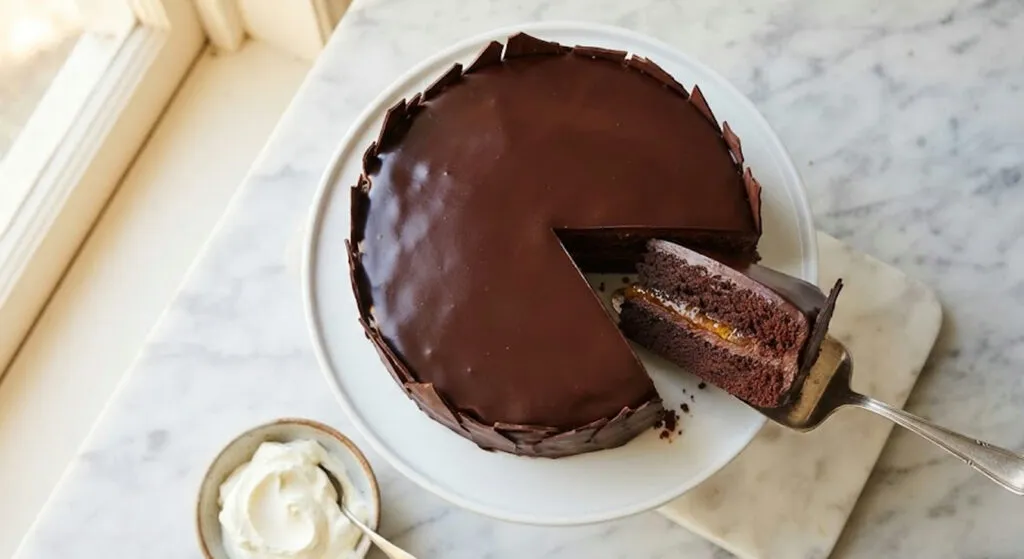
Whoever beat all the eggs together made a different cake. And the glaze must not pass 45 degrees, or the...
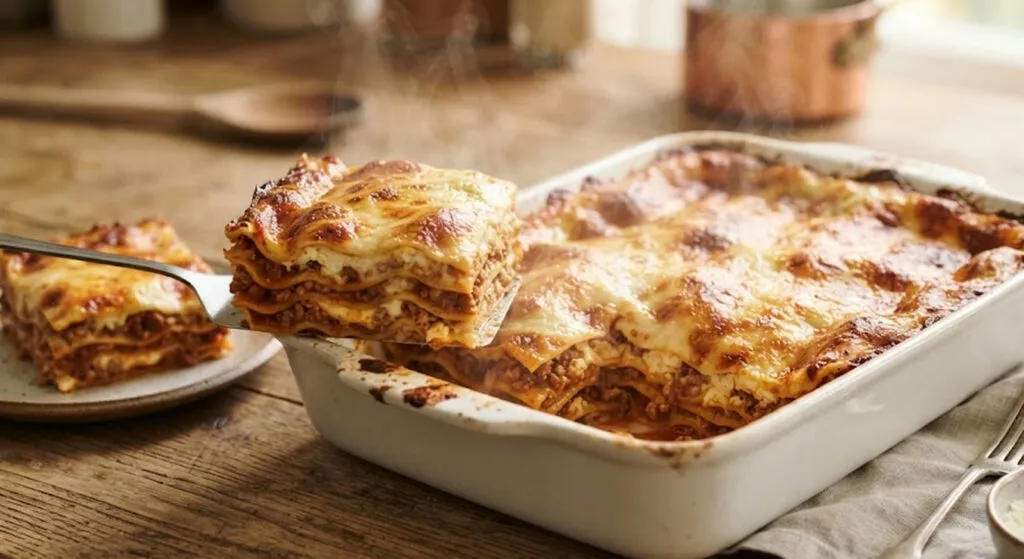
One rule applies to all three and it is the one most often skipped. It is not a recommendation to...
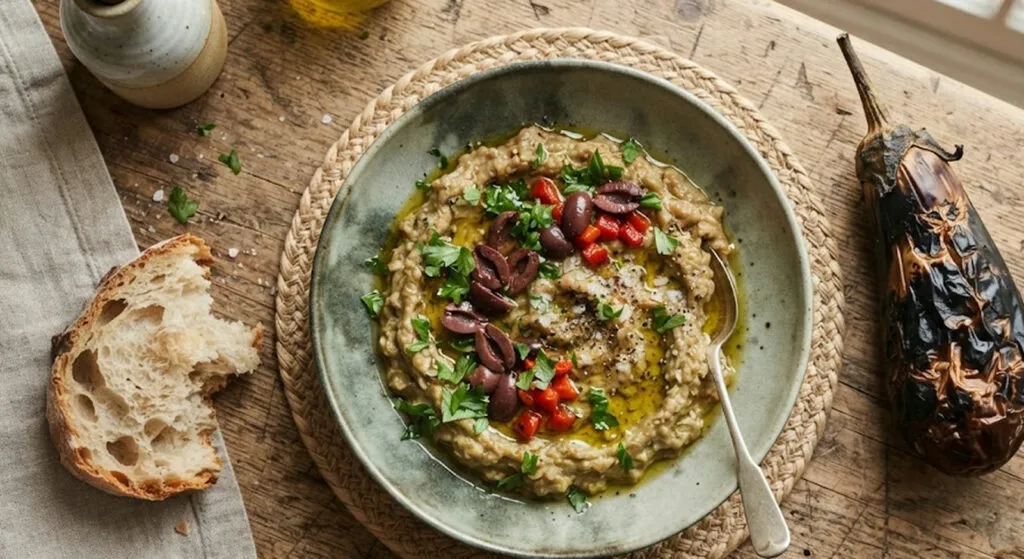
One single ingredient separates melitzanosalata from mutabal - tahini. Three aubergines, one clove of garlic, and an oven at 220...

The chicken ends up in the pan anyway. The salad that was sitting half a metre away does not.
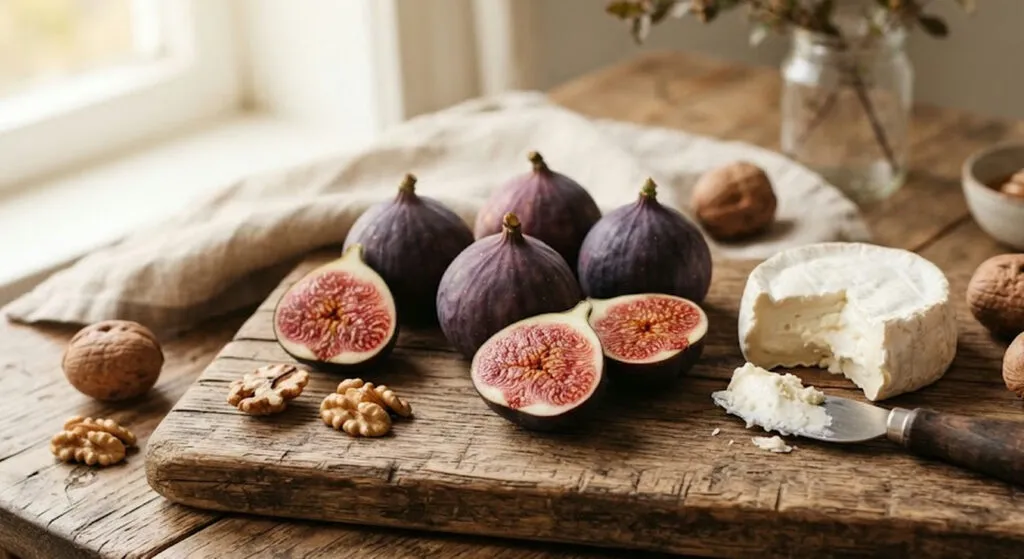
This year the season started as early as August because of the heat. From breakfast to pizza - everywhere a...

The recipe is not hard, the temperature is wrong. Ten cream cheese canapés and the two rules without which none...

The image of boiled chicken breast is wrong. The indulgence is planned, not broken.
This site uses cookies - is that okay? Learn more
Be the first to know when Metla launches something new
Leave your email and we will write when there is a new guide or something new on Metla.