
Taxi Meters Wildly Rigged, Driving Without Licences: Even the Taxi Drivers Themselves Want Order in Skopje's Chaos
15.06.2026


15.06.2026

15.06.2026

15.06.2026

15.06.2026

14.06.2026

13.06.2026
15.06.2026

15.06.2026

14.06.2026

15.06.2026

15.06.2026

15.06.2026

15.06.2026

14.06.2026

13.06.2026

15.06.2026

15.06.2026

15.06.2026

09.03.2026

27.02.2026

19.02.2026

14.04.2026

07.11.2025
07.11.2025

23.04.2026

23.04.2026

12.04.2026


They call it „the vitamin for bones," but that's the least it does. Vitamin D actually behaves more like a hormone than a vitamin - it sends signals and regulates functions throughout the whole body, doctors say. „Many cells have receptors ready to respond to it," explains Dr Ainara Ormazabal, an integrative doctor and nutritionist - which means its deficiency doesn't only hit the skeleton.
Besides the absorption of calcium and phosphorus, vitamin D plays a role in immunity, inflammation control, metabolism, and the nervous system. For people with autoimmune or inflammatory conditions, sufficient levels help toward a more balanced immune response - but only together with good nutrition, sleep, movement, and stress management. „The brain, the immune system, metabolism, and circadian rhythms are closely linked," the doctor says.
The biggest source isn't on the plate - 80 to 90 percent of vitamin D the body makes from the sun, and only 10 to 20 percent comes from food. That's why the advice is neither to hide from the sun nor to fry in it, but a „smarter relationship" with light: regular, moderate exposure without burns. From food, fatty fish (sardines, salmon, mackerel), egg yolk, liver, and full-fat dairy help - and since the vitamin is fat-soluble, you also need enough fat for it to be absorbed.
And here comes the warning the supplement industry doesn't advertise loudly: vitamin D is no miracle in a bottle. Taking high doses without measuring first can build up and cause a calcium imbalance in the blood. „It's not a miracle vitamin nor a guarantee of longevity on its own," Ormazabal says, „but maintaining sufficient levels is a basic tool for good health in the long run." In other words - measure, then supplement, not the other way around.
The latest 10 news from this category
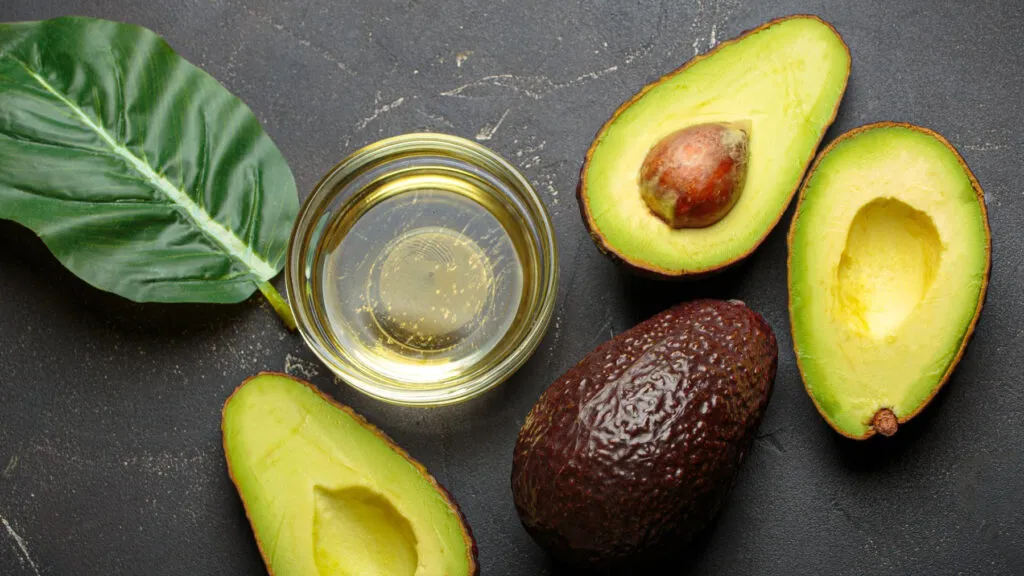
Half an avocado in the fridge until tomorrow is almost always for the bin - but it doesn't have to...

A dish born on a fishing boat that stuck around because it is delicious. The tuna goes in last -...

The feeling before a big moment is not in your head - it starts in the gut and works upward....

Two top Spanish pastry chefs argue over the most ordinary chocolate cake - and the real difference is made by...

Maria Branyas lived to 117 with a biological age 20 years younger - and the real reason isn't called yogurt.

American cabbage salad looks complicated, yet it's one of the easiest things to make at home. The whole secret isn't...

A famous singer admits she spent years thinking she couldn't sing. Doctors and engineers carry the same thing - people...

The secret isn't a mystical technique, but a handful of ingredients that change everything. One of the rare cuisines where...

Doctors say one minute of conscious breathing breaks the stress cycle. The way you breathe isn't a consequence of your...
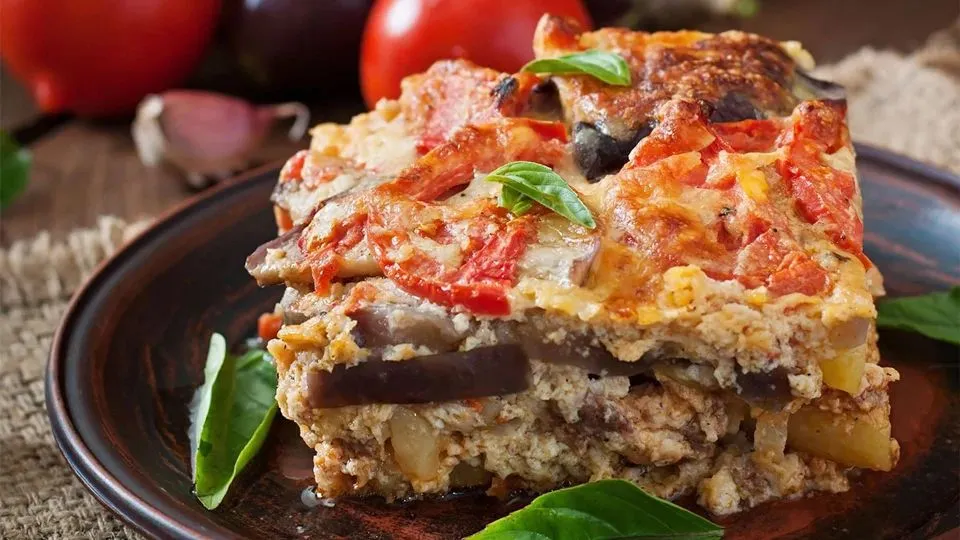
The dish Greece defends as national is actually an Ottoman inheritance with a French floor on top. The whole secret...