Трамп најавува нови санкции за Русија: моралот не се сменил, се сменила сметката
17.06.2026



17.06.2026

16.06.2026

15.06.2026

17.06.2026

17.06.2026

16.06.2026

09.03.2026

27.02.2026

19.02.2026

14.04.2026

07.11.2025
07.11.2025

23.04.2026

23.04.2026

12.04.2026

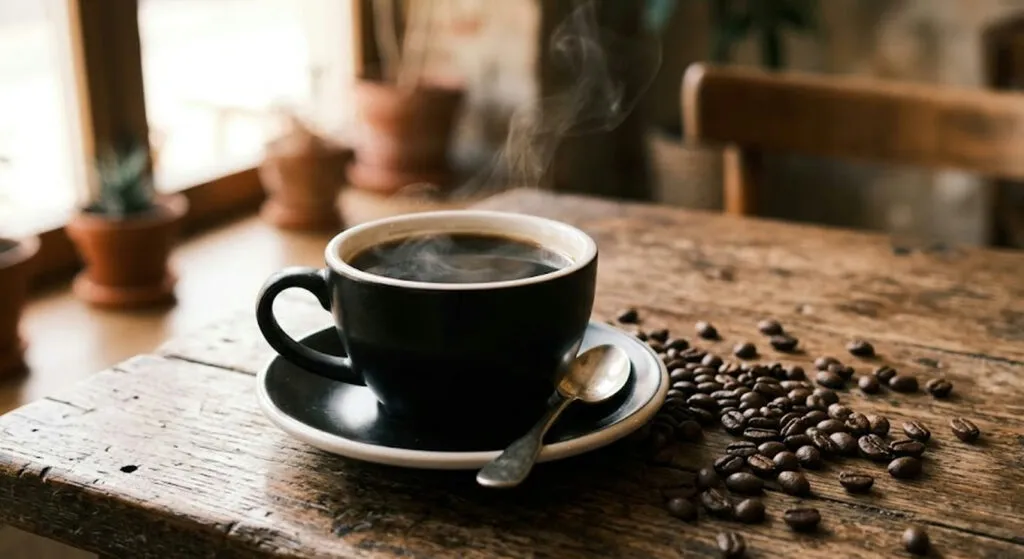
We've long defended coffee with the excuse that it wakes us up. It turns out it does something far more interesting - it feeds the bacteria in our gut, and it does so even when it's decaffeinated. New science says the morning cup isn't just a wake-up ritual, but a meal for the invisible ecosystem in our stomach.
A single cup contains hundreds of bioactive compounds, and among them the polyphenols stand out - the same antioxidants found in blueberries, cacao, and olive oil. They're a favorite food of beneficial microorganisms, so they encourage a more diverse and balanced gut flora. Coffee isn't a probiotic; it's a source of ingredients that certain bacteria use and transform to their own benefit.
The evidence isn't a marketing story. A 2024 study published in Nature Microbiology analyzed tens of thousands of people and found that coffee is one of the most powerful foods affecting the composition of gut bacteria. Regular drinkers had much higher levels of the bacterium Lawsonibacter asaccharolyticus, linked to a healthy gut ecosystem. The key detail: the same link appeared in those who drink decaffeinated coffee too - so the credit isn't in the caffeine, but in the polyphenols.
Before you down a sixth cup „for your health," a sober reminder. Coffee is also one of the main sources of antioxidants in the diet, which help neutralize the free radicals linked to cell aging. But not everyone tolerates it equally - in some it brings jitters, a racing heart, or disrupted sleep, depending on genetics and quantity. There's no universal rule. The good news is that a favorite habit isn't the sin it's sometimes made out to be; the bad news is that no cup fixes the poor diet around it.
The latest 10 news from this category
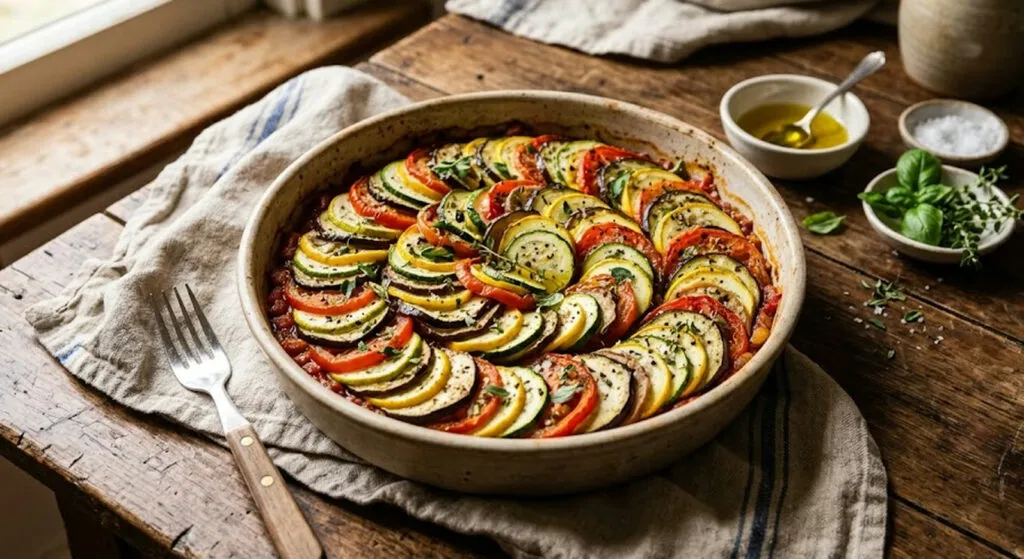
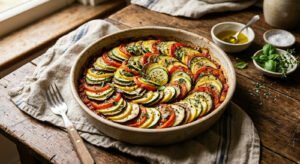
Доказ дека најдоброто лето готви најевтино. Зеленчук во спирала, маслиново масло и трпение - сè друго е украс.
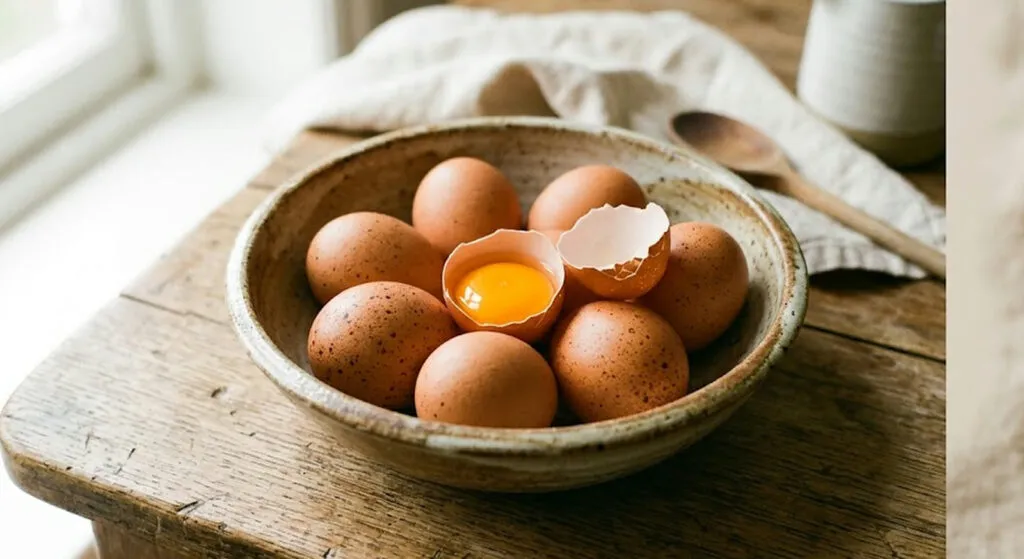
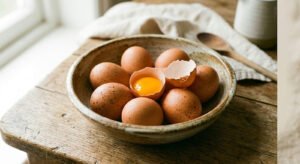
Модата да се јадат само белки звучи здраво, а всушност го фрла токму најхранливиот дел. Нутриционист објаснува зошто две-три цели...
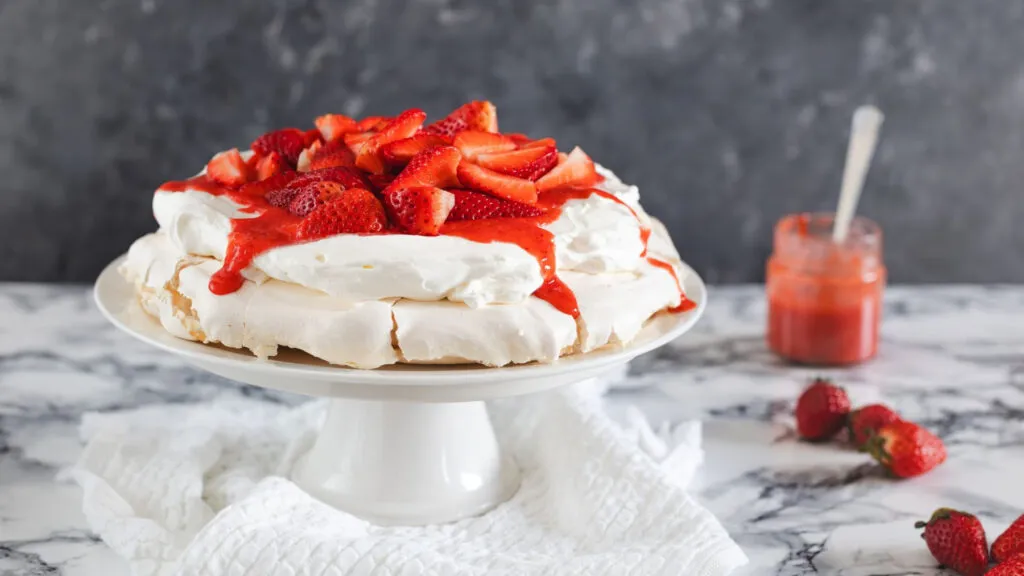
Crisp outside, soft inside - the secret isn't in the ingredients but in one minute of attention and in not...
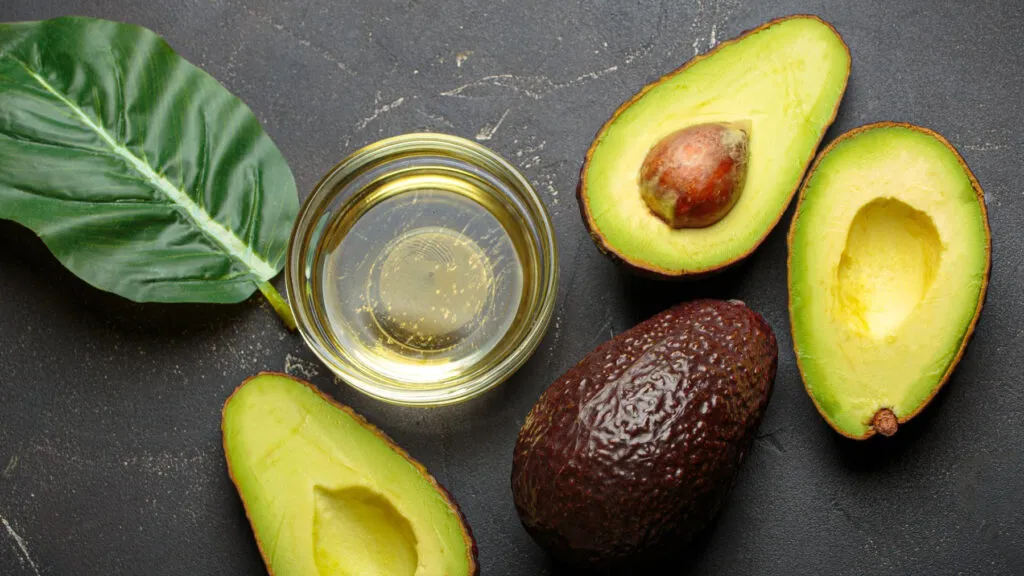
Half an avocado in the fridge until tomorrow is almost always for the bin - but it doesn't have to...

It behaves more like a hormone than a vitamin. But it's no miracle in a bottle - measure before you...
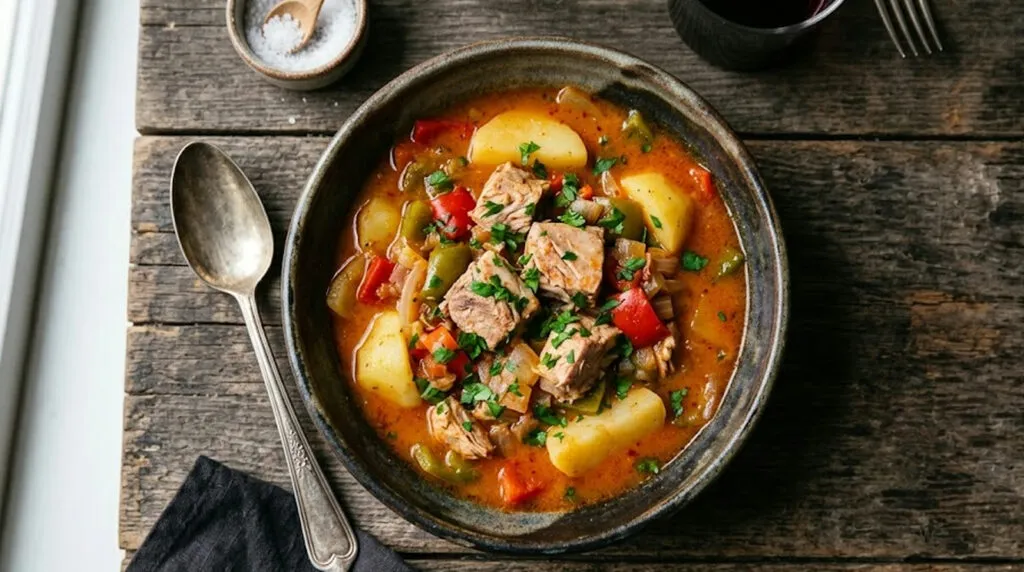
A dish born on a fishing boat that stuck around because it is delicious. The tuna goes in last -...

The feeling before a big moment is not in your head - it starts in the gut and works upward....
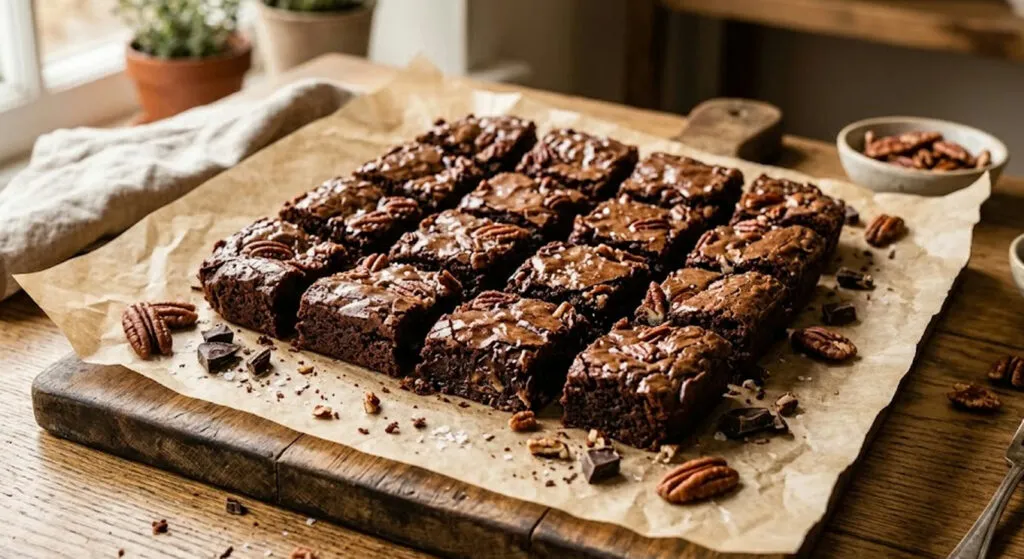
Two top Spanish pastry chefs argue over the most ordinary chocolate cake - and the real difference is made by...
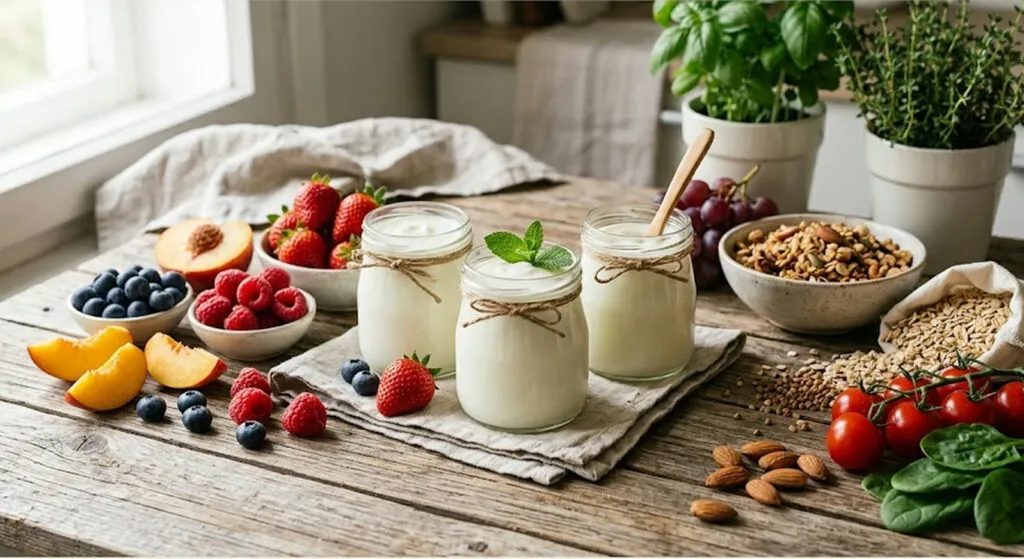
Maria Branyas lived to 117 with a biological age 20 years younger - and the real reason isn't called yogurt.
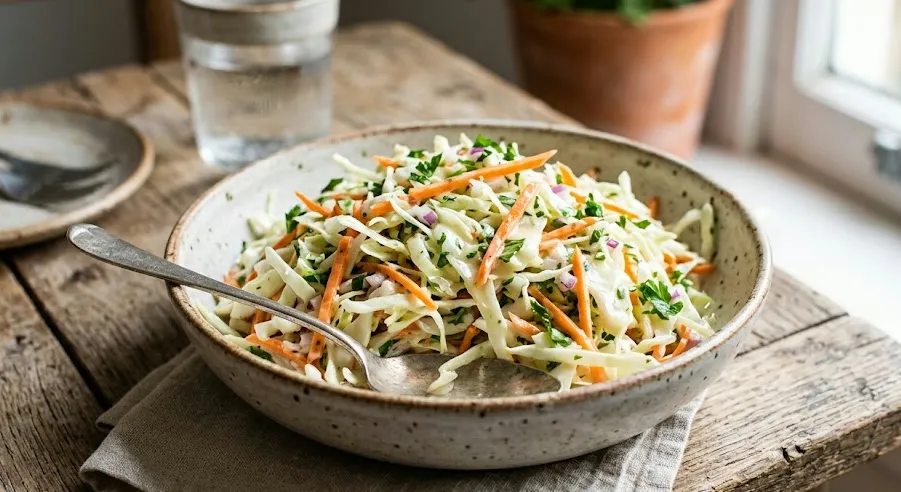
American cabbage salad looks complicated, yet it's one of the easiest things to make at home. The whole secret isn't...