

Two Schoolyard Assaults Reported in a Single Day: the Police Promised Measures, the Education System Said Nothing
19.09.2026


19.09.2026

19.09.2026

19.09.2026

19.09.2026

19.09.2026

19.09.2026

19.09.2026

18.09.2026

17.09.2026
19.09.2026
19.09.2026
18.09.2026

19.09.2026

19.09.2026

19.09.2026

19.09.2026

18.09.2026

17.09.2026

19.09.2026

19.09.2026

19.09.2026

19.09.2026

19.09.2026
18.09.2026

09.03.2026

27.02.2026

19.02.2026

18.09.2026

17.09.2026

16.09.2026

23.04.2026

23.04.2026

12.04.2026

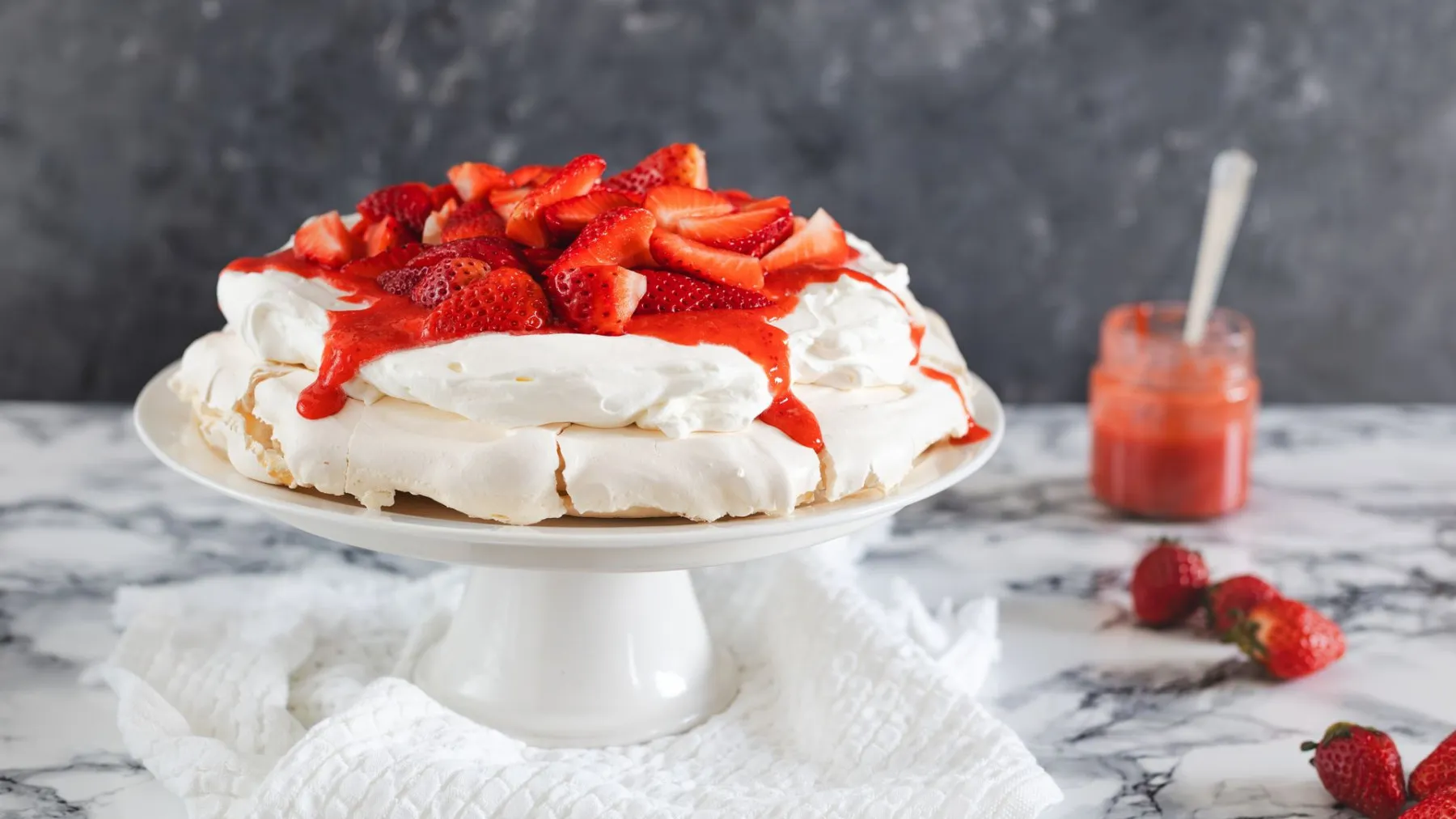
There are desserts that look as if they require a master's hand, but actually just take patience. Pavlova is exactly that - light as a cloud, crisp outside, soft inside, dressed in cream and fresh fruit. It's named after the Russian ballerina Anna Pavlova; when they created it, they wanted to mimic her ballet tutu. Australia and New Zealand argue to this day over who invented it first, which on its own says how prized it is.
The secret isn't in the ingredients but in one minute of attention. For the base you need 4 egg whites at room temperature, 250 grams of sugar, one teaspoon each of cornstarch, vinegar (or lemon juice), and vanilla. The egg whites are whipped until soft peaks form, then the sugar is added gradually - it's precisely that gradual addition that makes the mixture glossy and stable. At the end, the cornstarch, vinegar, and vanilla are gently folded in.
Shape a circle of about 20 centimeters on baking paper and bake at 120 degrees for around 60 to 75 minutes. The most important step is the one everyone rushes: after baking, turn off the oven and leave the pavlova to cool inside, without opening the door. That way it doesn't crack or collapse. The vinegar keeps it creamy inside, the cornstarch gives it structure.
The cream is simple - 250 milliliters of cream with at least 35 percent fat, whipped with a spoonful of powdered sugar. On top goes fresh fruit: strawberries, kiwi, blueberries, mango, or passion fruit. A tip from the pros: the tart fruit deliberately cuts the sweetness so the dessert doesn't feel too heavy. And one last rule - the pavlova doesn't go in the fridge; it's assembled only just before serving. That's it. It looks like you slaved for hours, when in fact you just waited the right way.
The latest 10 news from this category
Италијански водич, гала во Неапол, прво место за лондонски локал. Шпанија влегува со шест - но само еден е во...
It is caught with hook and line, not with nets, and you can taste that on the plate. The three...
Home-made chicken curry fails at the same point for everyone. The difference is made by one step that has nothing...
Jose Andres has lived in America for over thirty years, and when asked for his favourite American dish he named...
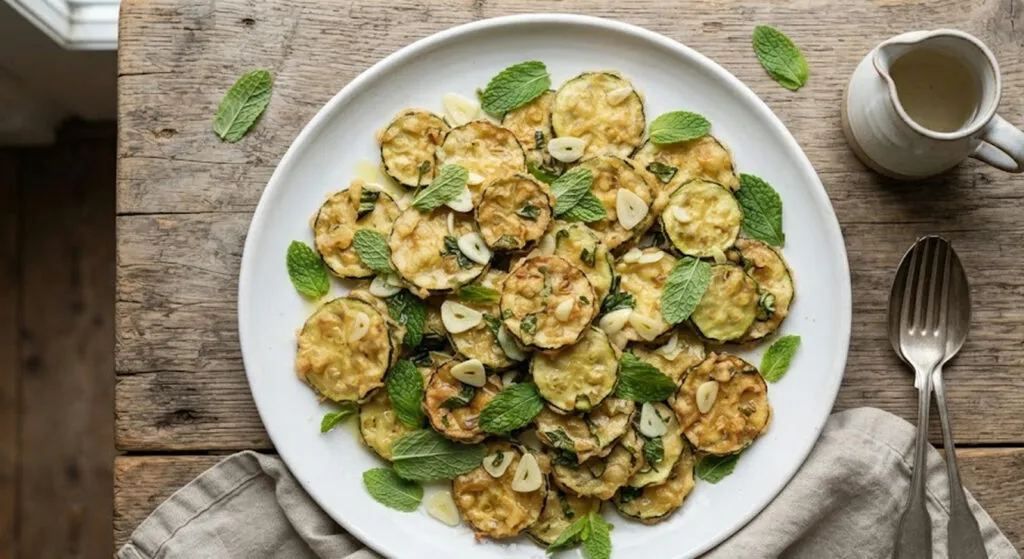
A kilo of courgettes, mint, garlic and eighty millilitres of vinegar. Not one expensive ingredient - and the water you...
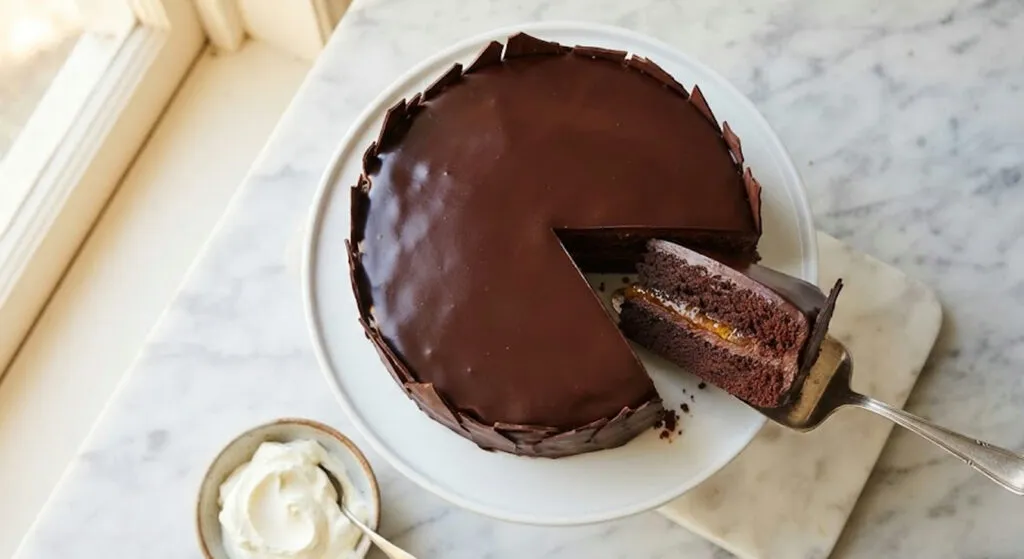
Whoever beat all the eggs together made a different cake. And the glaze must not pass 45 degrees, or the...
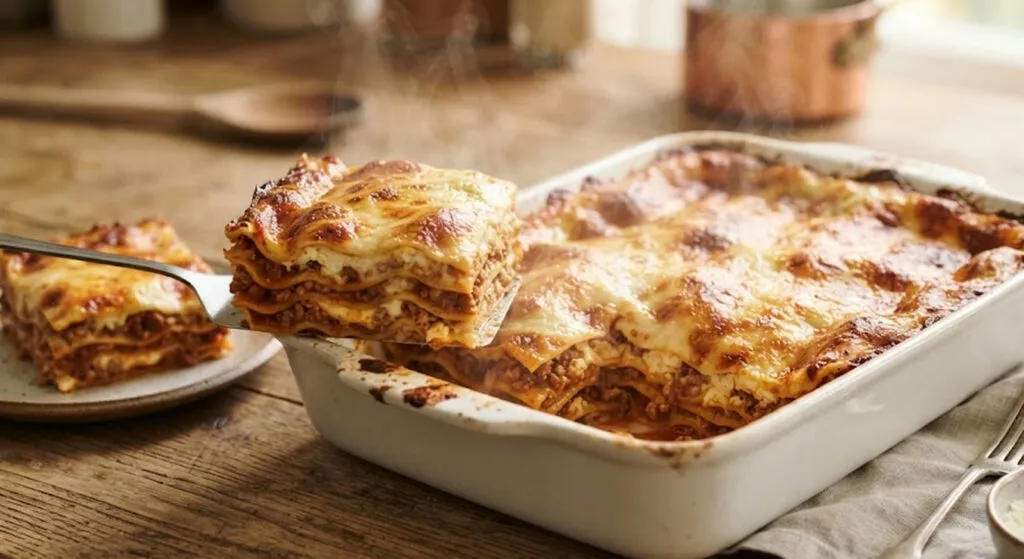
One rule applies to all three and it is the one most often skipped. It is not a recommendation to...
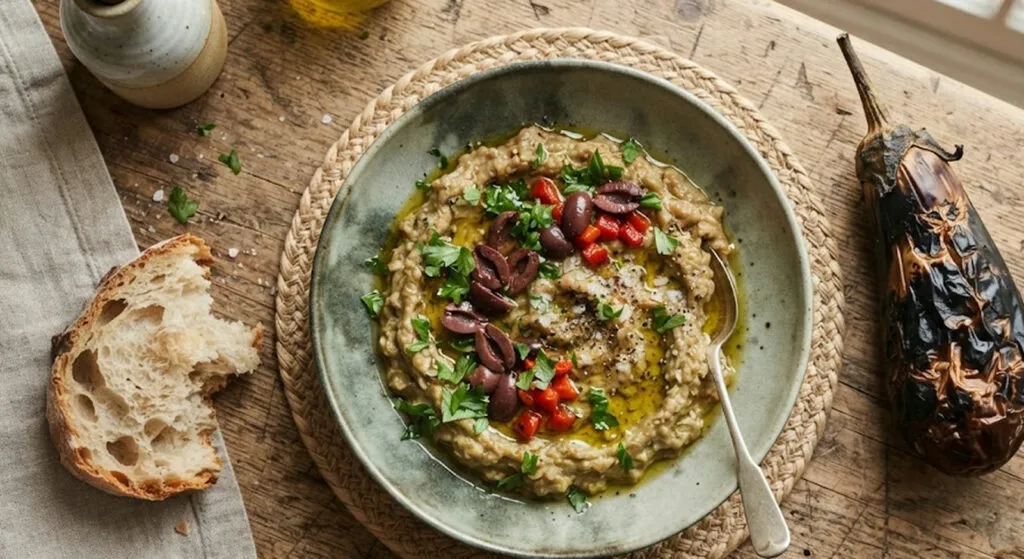
One single ingredient separates melitzanosalata from mutabal - tahini. Three aubergines, one clove of garlic, and an oven at 220...

The chicken ends up in the pan anyway. The salad that was sitting half a metre away does not.
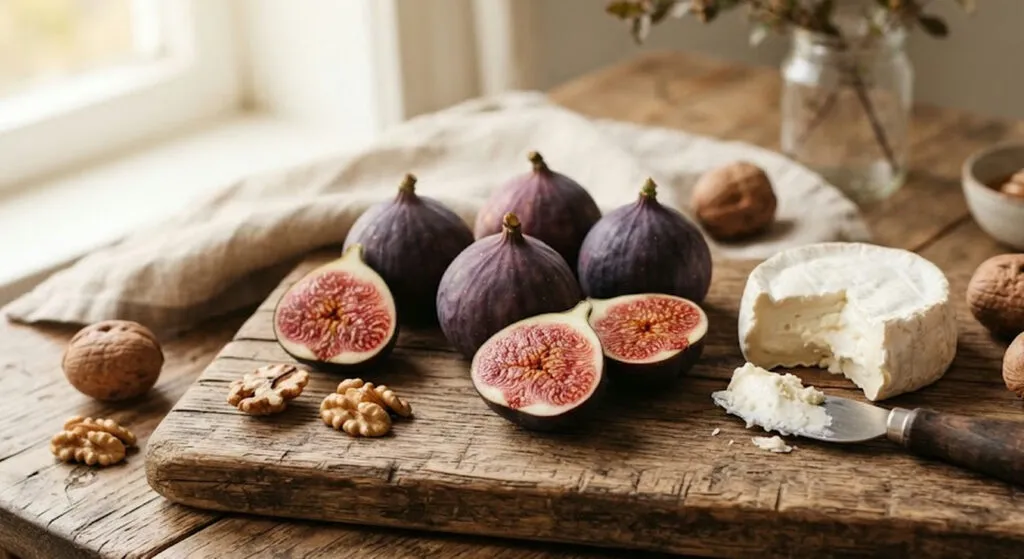
This year the season started as early as August because of the heat. From breakfast to pizza - everywhere a...
This site uses cookies - is that okay? Learn more
Be the first to know when Metla launches something new
Leave your email and we will write when there is a new guide or something new on Metla.
