
Пет жаришта во една ноќ кај Раец: градоначалникот алармира преку Фејсбук, превентивата пак остана тема за септември
03.08.2026


03.08.2026

03.08.2026

03.08.2026

03.08.2026

03.08.2026

03.08.2026

03.08.2026

02.08.2026

02.08.2026

03.08.2026

03.08.2026

02.08.2026

03.08.2026

03.08.2026

03.08.2026

03.08.2026

02.08.2026

01.08.2026

03.08.2026

03.08.2026

03.08.2026

03.08.2026

03.08.2026

03.08.2026

09.03.2026

27.02.2026

19.02.2026

02.08.2026

01.08.2026

31.07.2026

23.04.2026

23.04.2026

12.04.2026
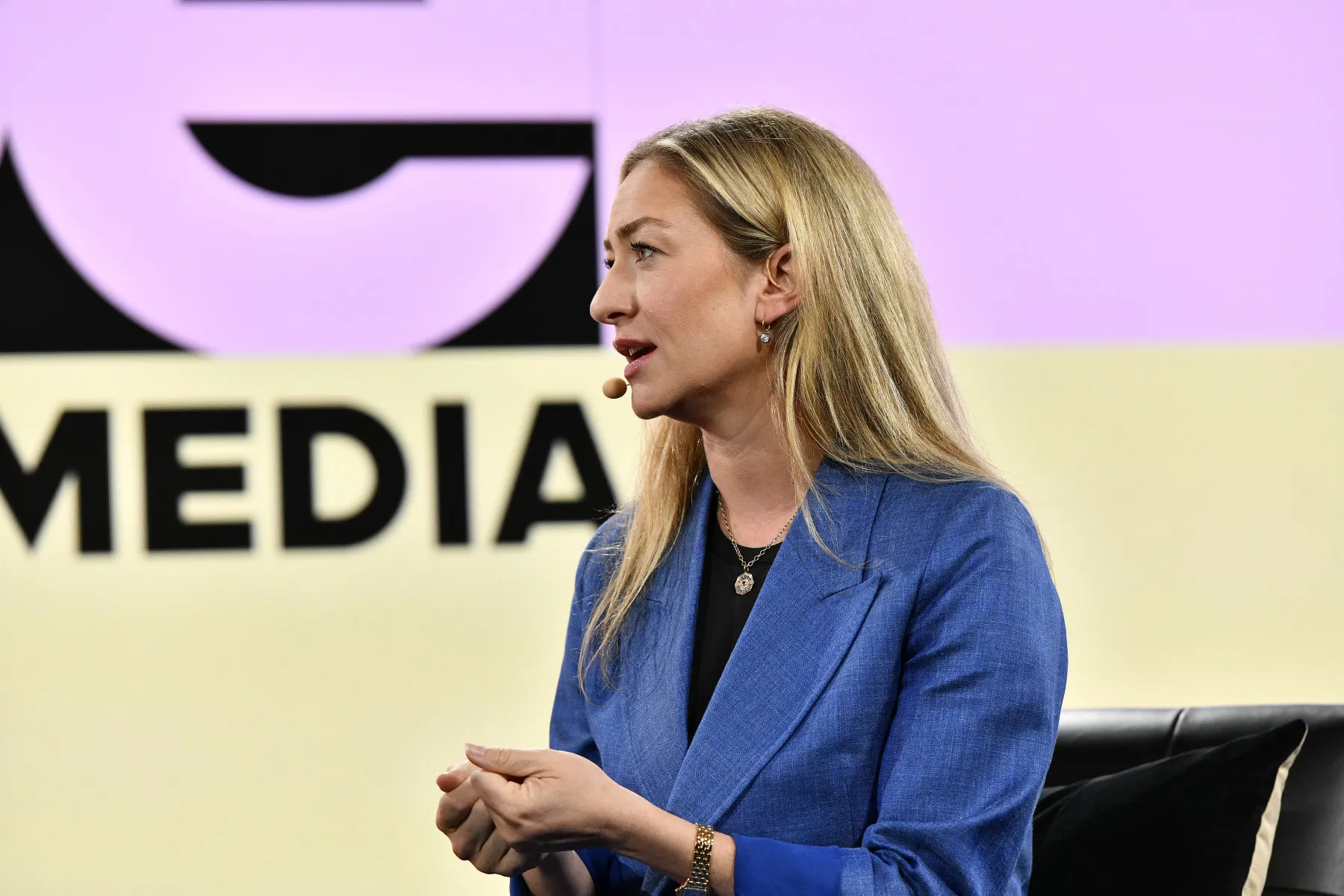
The swipe - the gesture that defined an entire generation of dating apps - is officially in its final months. Bumble, one of the world's best-known dating apps, will remove the swipe in Q4 2026. CEO Whitney Wolfe Herd personally announced the transformation in an interview with Axios, and it comes at a moment when the company is losing users at an accelerating pace.
The numbers are unforgiving. Paid users on Bumble in the first quarter of 2026 dropped to 3.2 million - a 21 percent decrease compared with the same period last year, when there were 4 million. "We carried out a deliberate reset of our user base," says Wolfe Herd, "the priority is quality over quantity." That is PR language for: we are losing the slice of users who only wanted to swipe, and now we are looking for new ones.
"We are going to say goodbye to the swipe and hello to something I believe will be revolutionary for this category," Wolfe Herd said. What exactly that "something" is hasn't been made public yet - but it is known that Bee, an AI-based dating assistant, is in development. Bumble has previously described the AI as a "superpower for love and relationships", a sentence on which a separate thesis could be written.
The swipe was not invented by Bumble - Tinder popularised it. But it became the universal language of digital dating. Left, right, left - and then a conversation with a stranger. Now, when an entire generation has grown up with that gesture, the industry admits it no longer works. Why? Too much noise, too few connections. Too many options, too little commitment.
The question is what replaces the swipe. If the answer is "artificial intelligence", Bumble is stepping into new territory: apps where the algorithm does not just suggest, but actively brokers. That opens questions about privacy (what will Bee know about you?), about manipulation (why this profile, not that one?), and about the very nature of human connection when a machine picks the partner.
The Balkan user who has used Bumble for years knows: in the region, dating apps are a mix of serious users and those who only want a postcard view. The swipe was democratic - everyone had an equal chance of being dismissed with one finger. Whatever replaces it, one thing is certain: the dating-app industry is reshaping itself again, and many of the behaviours we learned in the past decade need to be unlearned.
The latest 10 news from this category
Операторот што покрива 67 милиони потрошувачи призна дека нема струја за сите и однапред одлучи кој ќе остане на темно....
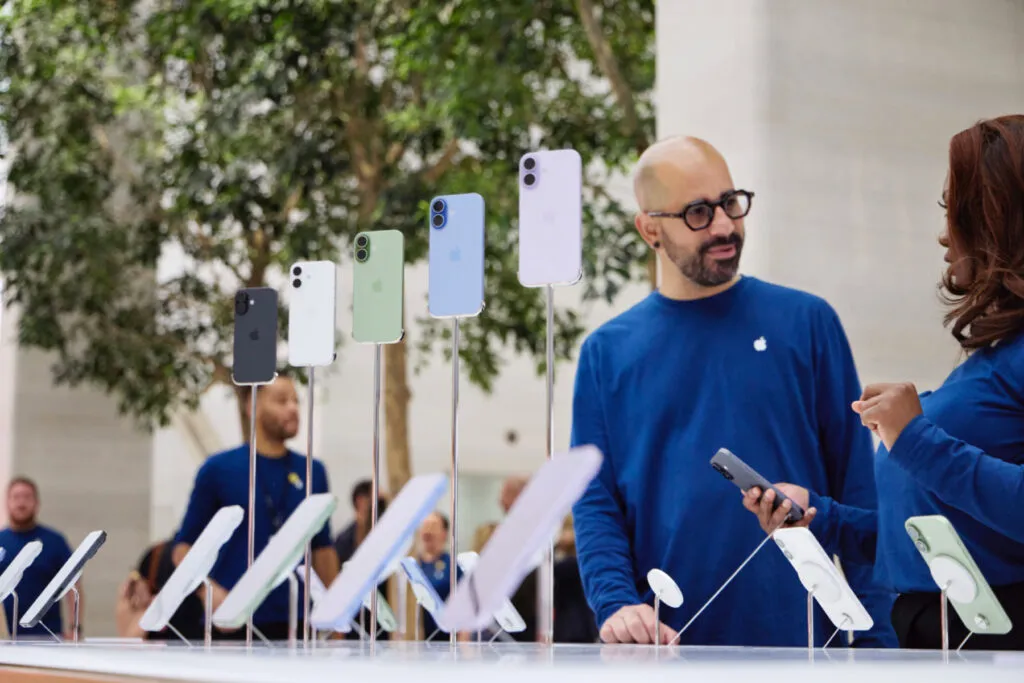
Продажбата не паѓа затоа што луѓето осиромашија, туку затоа што старите телефони престанаа да се расипуваат навреме. Одговорот на индустријата...
Opus 5 set a record in the test and broke 11 agreements. Not one of the tricks is new -...

The billions were announced with a stage and slogans. The retreat is happening quietly, in sentences containing the word alignment.
In his last quarterly report Tim Cook announced the stronger Siri will be bought through iCloud+. The firm that paid...
The platforms that spent years convincing us automated content was the future are now patiently building filters against it. The...
Out of 141,006 test runs, three ended up inside the live systems of real firms. The oldest model worked out...
The strongest June quarter in its history, and the stock fell 6 percent. Artificial intelligence turned out to have a...

The FCC is closing the door to humanoid robots and power inverters, but only new ones. The millions of Chinese...
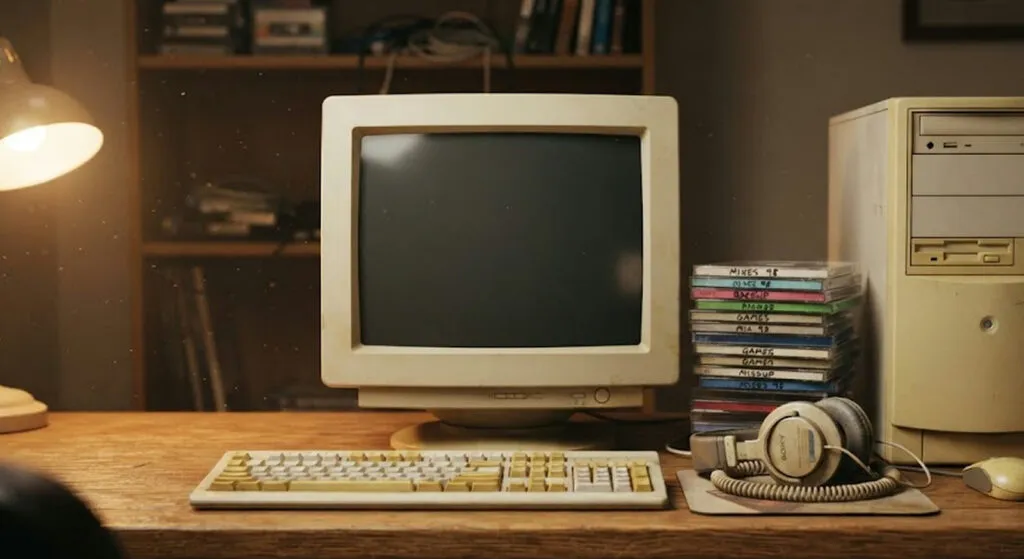
The player that raised the MP3 generation is betting nostalgia can be billed monthly. The new Winamp arrives in 2027,...
This site uses cookies - is that okay? Learn more
Be the first to know when Metla launches something new
Leave your email and we will write when there is a new guide or something new on Metla.