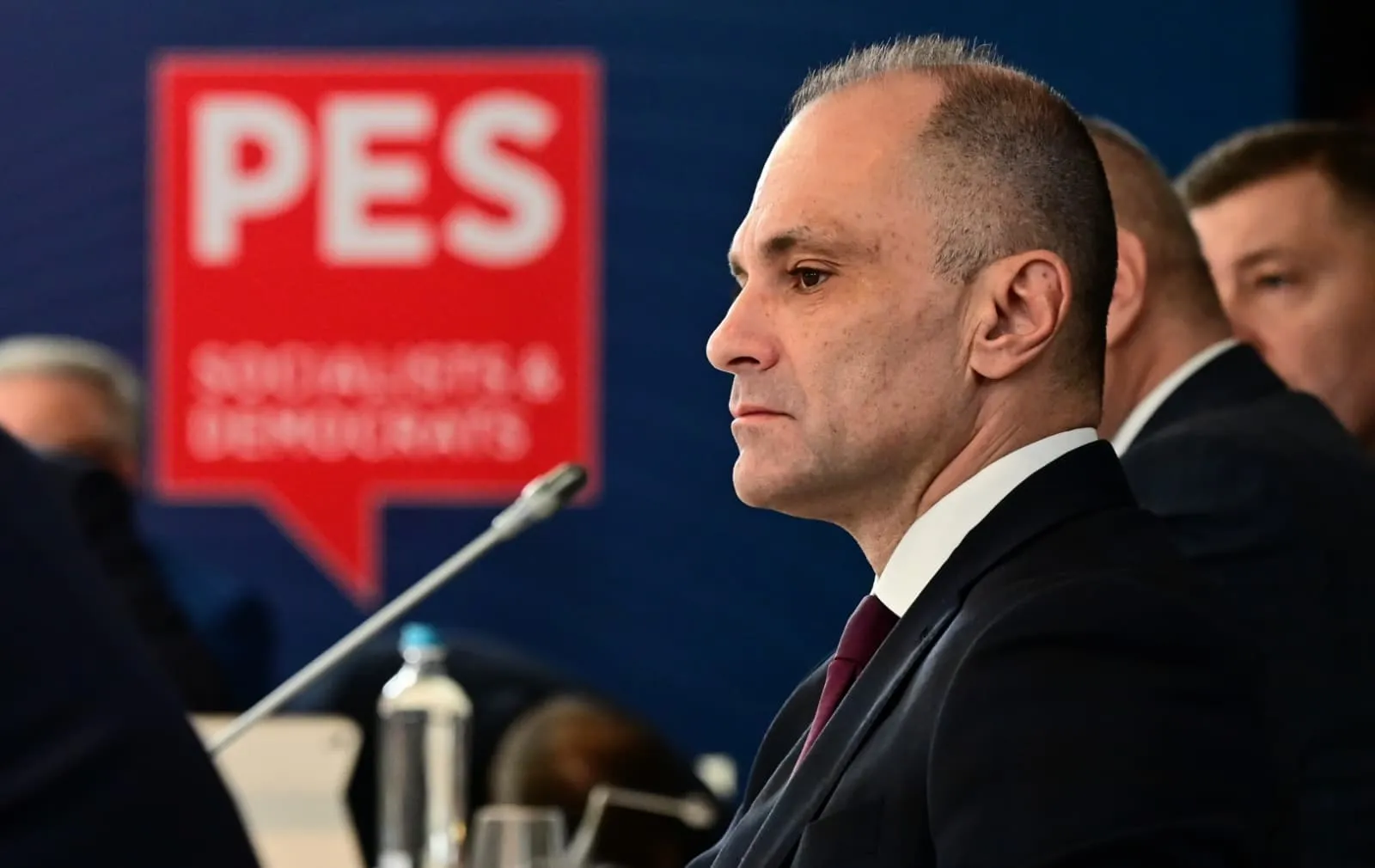
Filipče Promises a New Anti-Corruption Law on the Estonian Model: Digitisation, and One Day He'll Be Prime Minister
08.05.2026


08.05.2026
08.05.2026
08.05.2026

08.05.2026

07.05.2026
06.05.2026
08.05.2026
08.05.2026

07.05.2026

08.05.2026

08.05.2026

08.05.2026

08.05.2026
07.05.2026
06.05.2026

08.05.2026
08.05.2026
07.05.2026

09.03.2026

27.02.2026

19.02.2026

14.04.2026

07.11.2025
07.11.2025

23.04.2026

23.04.2026

12.04.2026

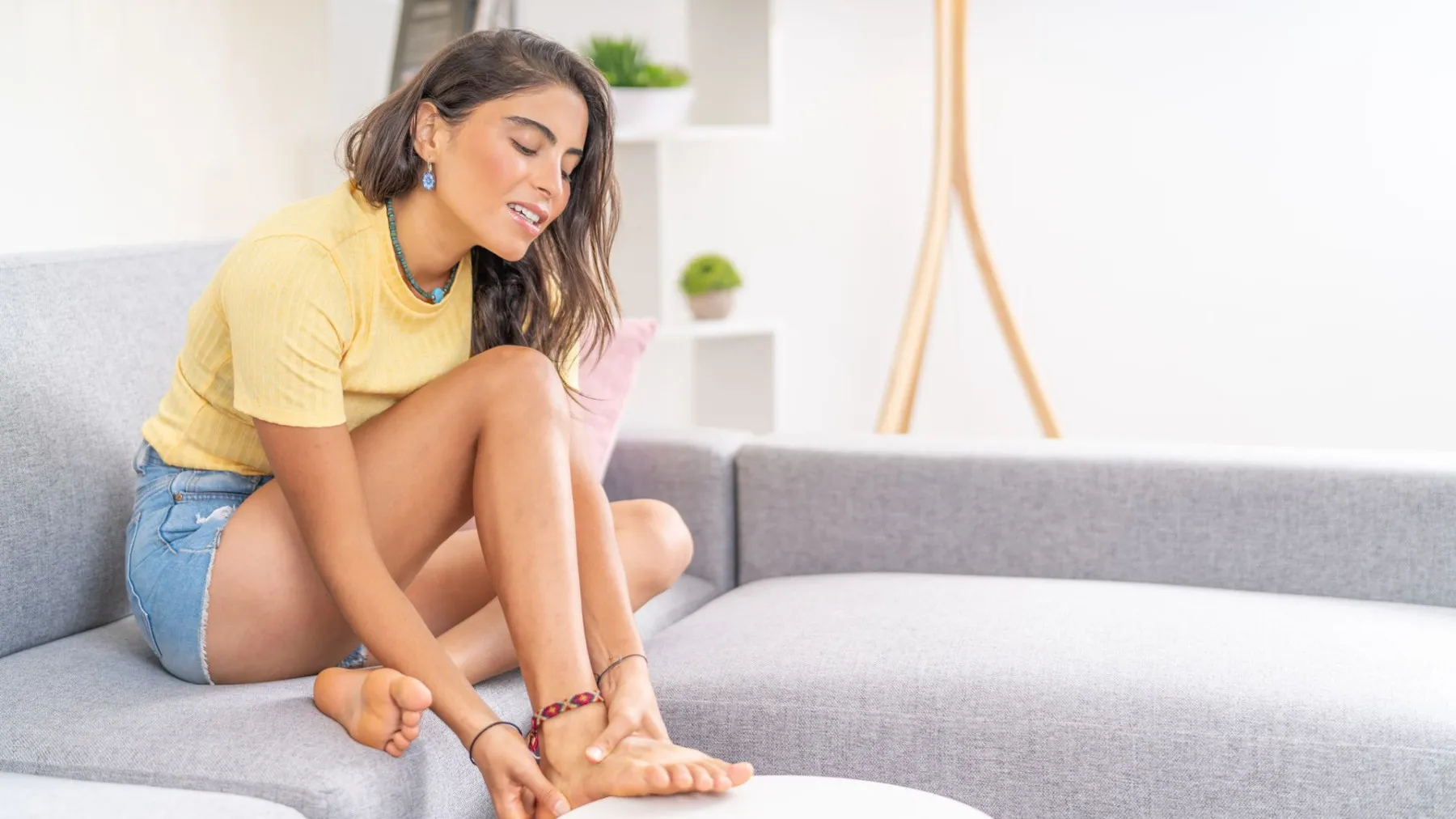
Neck pain after a full day at the computer? Discomfort that travels up to the head, the shoulders, even the eyes? The solution may not be in neck-massage creams, but - surprisingly - in the feet. Foot reflexology is a treatment that, through stimulation of specific points, activates zones across the whole body. And, as Irene Vilches, a manual-therapy specialist in Madrid, explains, "the goal is balance of the organism".
The principle is not esoteric - it is anatomical. In reflexology, every foot is a map of the body. The big toe represents the head, and along the foot runs the "vertical axis" - through the cervical, thoracic, and lumbar zones. "By gliding from the big toe to the malleolus (the inner ankle bone), we activate the cervical, dorsal, and lumbar zones," explains Vilches. Translation: with a few fingers you can reach the neck and back.
Why does it work? The feet are dense with nerve endings connected to the rest of the body via reflex pathways. When you stimulate them, you send a signal to the corresponding zones. It is not magic - it can be measured through relaxation, through reduced muscular tension, and through improved circulation.
But reflexology alone is not enough. Dr Daniela Silva warns that bad body posture creates excessive muscular tension and pressure on the vertebrae. When circulation to the eyes is restricted, intraocular pressure rises too - which can cause vision problems and headaches. Stress amplifies all these reactions, because you lose awareness of your own posture.
That is why experts recommend changing posture every 30 minutes. If you sit all day, stand up, stretch, walk to the window. Yoga and stretching are useful not as a luxury, but as prevention. And if you have a spare 10 minutes at the end of the day - take your feet in your hands. Gliding from the big toe, circular motions along the foot. Start left, continue right. No side effects, only refreshment.
In the Balkans, where physical therapy is still considered something for after your 50s, this technique is strangely unavailable. And it asks for nothing but your hands and a few minutes. Maybe that is why it is rarely accepted: if you don't pay a lot for it, you don't believe it works. But the body doesn't know what makes therapy work - it only knows whether it feels better.
The latest 10 news from this category
You don't need to sacrifice flavour to cut fats and sugars - the classic can be made differently, at around...
Cream with 35 per cent fat, ice-cold from the freezer. Greek yogurt without sugar. Nothing more is needed - and...
Perimenopause lasts 4 to 10 years and is not only a hormonal change - it's a global reorganisation of the...
Sliced, not crushed garlic. Extra-virgin olive oil, not sunflower. The flour many people skip - that is the difference between...
The pelvic floor weakens with the drop in estrogen - in all women, not just those who've had children. The...
Four ingredients, one inspiration from Nobu Matsuhisa, a ritual for spring 2026. Green asparagus at the market, white miso paste...
Without screening programmes, without early detection - 8-10 percent survival. The symptoms are sneaky and non-specific. Awareness of your own...
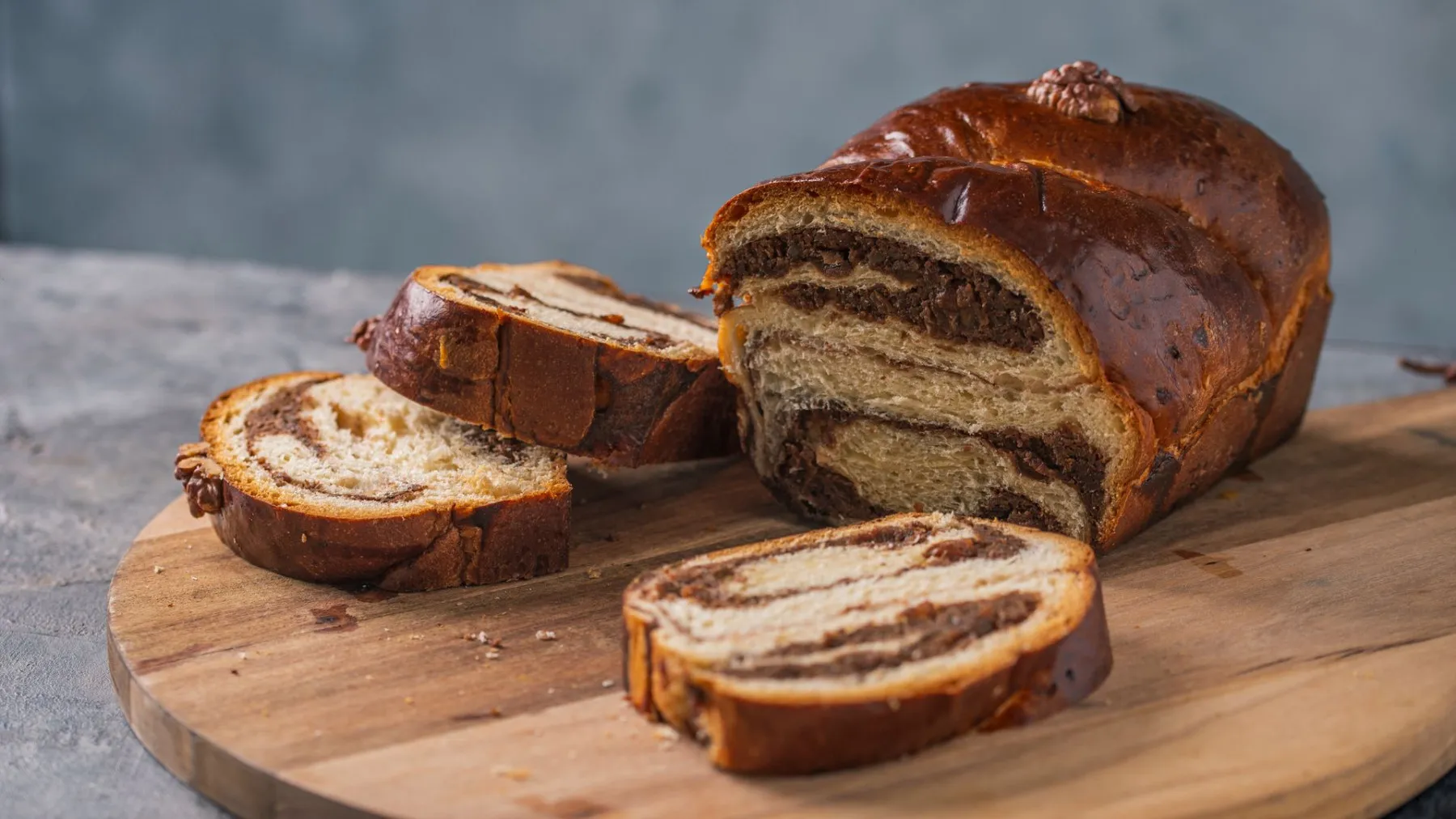
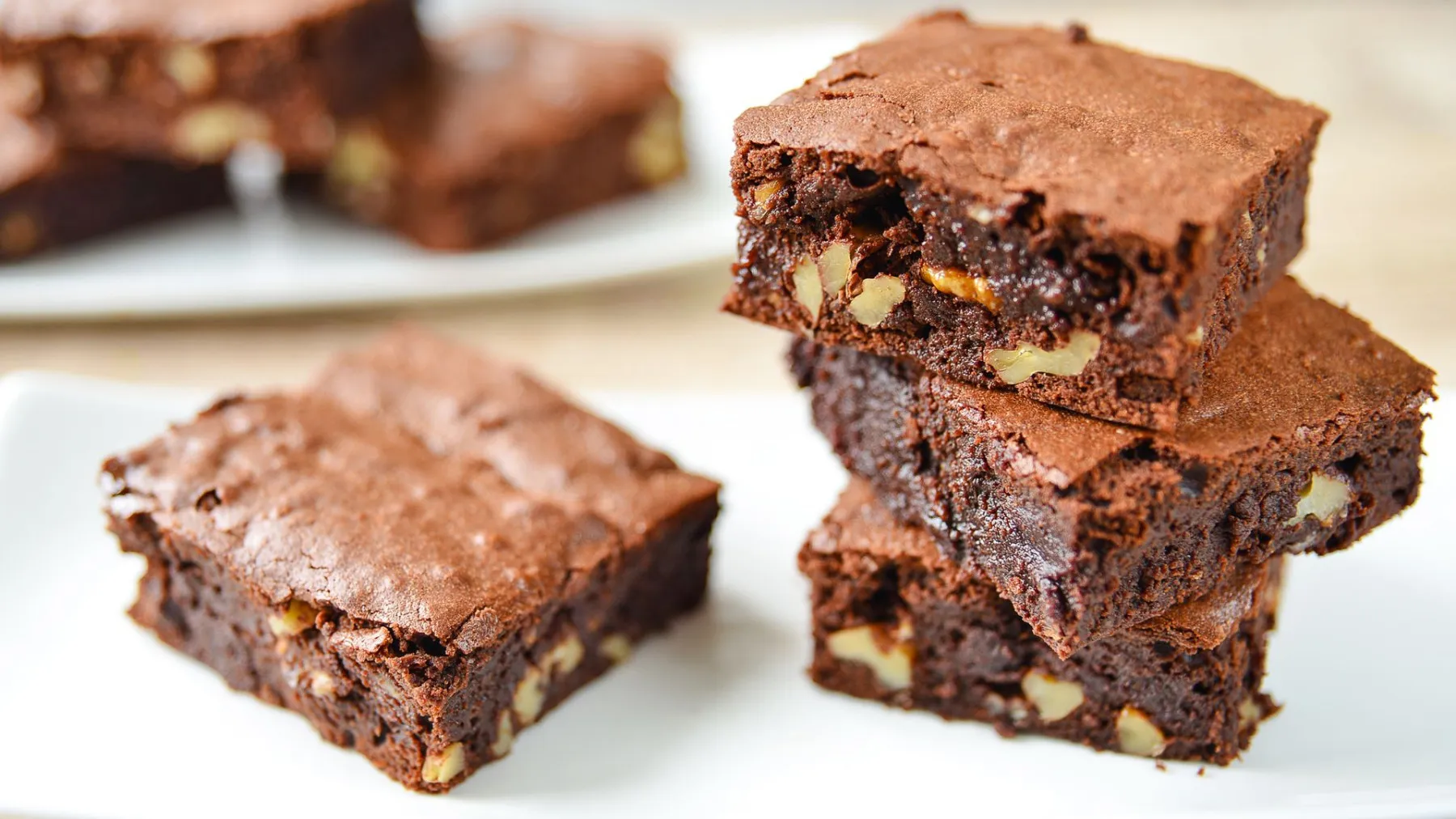
It existed before panettone - denser, more filled, more aromatic. With walnut and cocoa it's the classic - and the...
70 percent of the reasons for bad sleep are anxiety and a fast life. The psychologist says: if coffee is...

Spanish kitchens are shifting rhythm - heavy dishes step back, fish and vegetables take their place. And one rule: a...