
The "Lottery" Trial: 231 Pieces of Evidence, and So Far Not a Single Message Between Grubi and Bajrami
24.09.2026


24.09.2026

24.09.2026

24.09.2026
24.09.2026
24.09.2026
24.09.2026

24.09.2026
23.09.2026

22.09.2026

24.09.2026

24.09.2026

23.09.2026

24.09.2026

24.09.2026

24.09.2026

24.09.2026

23.09.2026

22.09.2026

24.09.2026

24.09.2026

24.09.2026

24.09.2026

23.09.2026

23.09.2026

09.03.2026

27.02.2026

19.02.2026
24.09.2026

23.09.2026
22.09.2026

23.04.2026

23.04.2026

12.04.2026

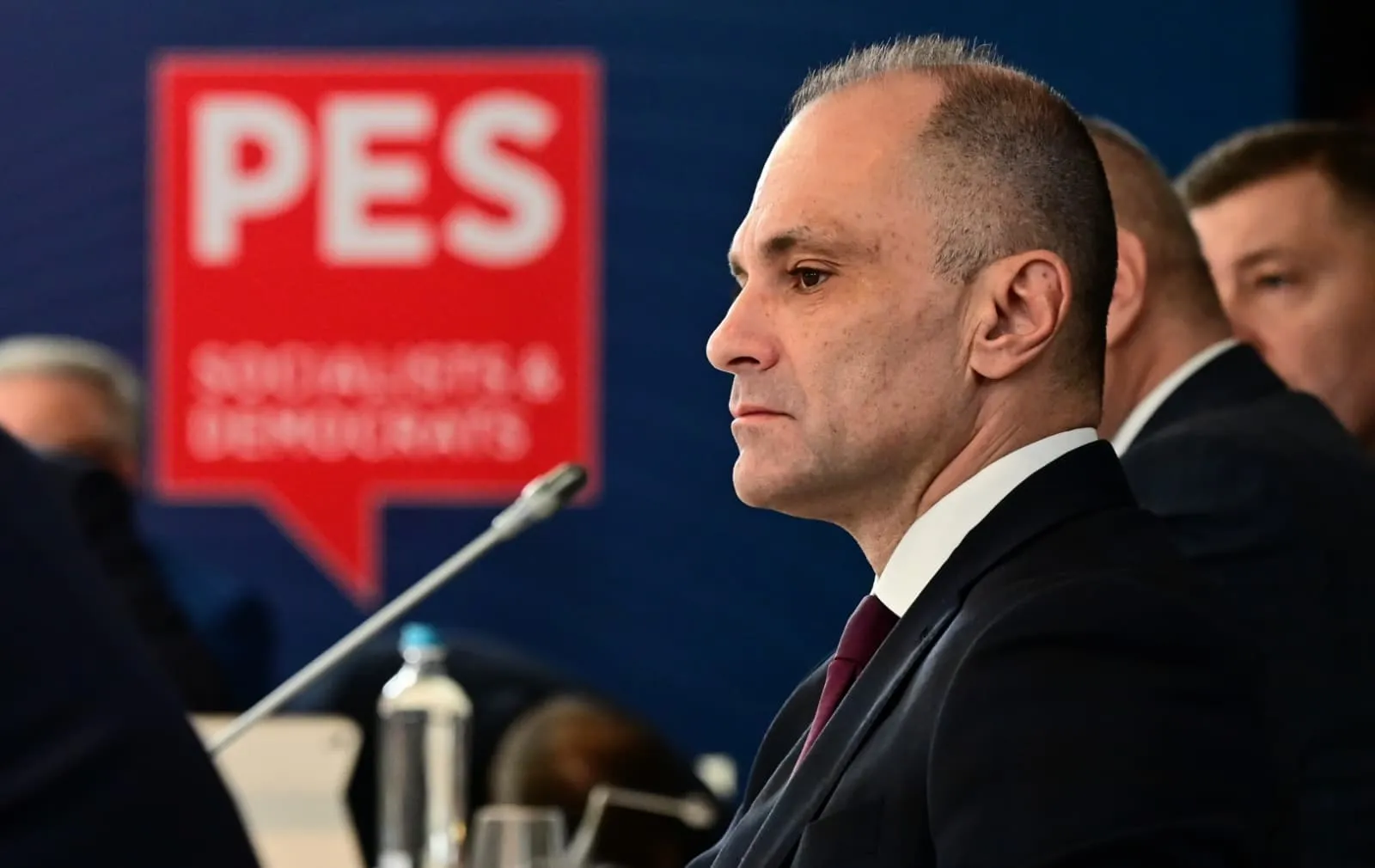
SDSM leader Venko Filipče has announced that next week a new draft anti-corruption law will be presented - inspired by the Estonian model. „This will be the first law I sign as prime minister after the next elections," he said in an interview on Koha's „Rishtazi" podcast. The rhetoric is ambitious. The question is whether the rhetoric is also realistic.
The Estonian model isn't new in the Balkans. It's looked at as the gold standard - now ranked 12th in the world for fighting corruption. But behind it sits something specific: digitisation of state services. Estonia is one of the most digitised countries on earth - 99 percent of state services are online, every citizen has a digital identity, every administrative decision is traceable.
„Estonia was deep in corruption until it reformed along the European path," Filipče reminded. That's historically accurate. But the hidden element is that Estonia was a small country with clear political will and a strong civil society. Macedonia has political fragmentation, and reforms still hostage to political deals.
„Reforms have to be made in the system, especially the judiciary, because that's what citizens demand. Those reforms cannot happen without accession negotiations with the European Union," Filipče stressed. Translation: we're offering the law, but real change will only come if Macedonia gets into the EU. It's the answer politicians often use - placing their own decisions in the context of something they don't control.
The criticism of the current government is direct: „Because this government benefits from there being no oversight. Look at how many corrupt tenders and procedures we've reported in the past period. How do the judicial bodies react? How did the Prosecutor's Office react?" Filipče implies VMRO-DPMNE is deliberately working against reforms. The obvious paradox - when SDSM was in power, VMRO-DPMNE accused them of the same thing.
For the citizen, the question is the standard one. Will this proposal be different? Macedonia has had „anti-corruption strategies" since 2002. It has an agency, it has laws, it has institutions. What it doesn't have is a systemic effect. A proposal inspired by Estonia could deliver something - if political consensus is achieved. Without it, it'll be one more law in the folder marked „reforms that didn't make it".
The opposition is heading to the next elections with a clear message: „we're the reformers". The government will respond with „treason" and the rest of the arguments we've heard before. Is there room between these two discussions for a real, hard-edged anti-corruption law? Only time will tell. For now, we have promises - and a lot of experience that promises from Macedonian politicians rarely make it to results.
The latest 10 news from this category
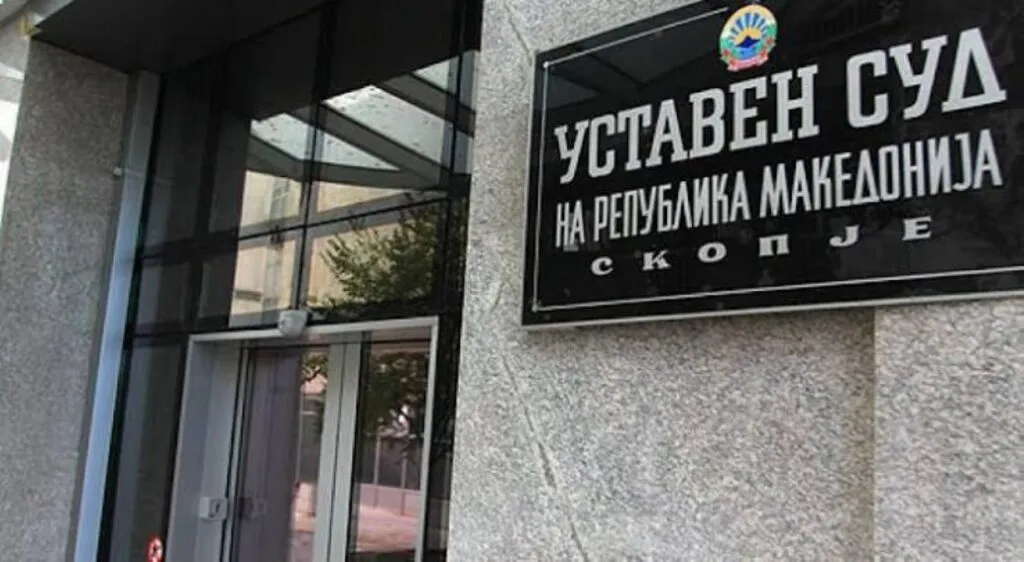
The majority of judges said "res judicata" and closed the matter. Darko Kostadinovski voted against, arguing that new parties start...

The President reminded him that after all the compromises, negotiations haven't even started. The European Parliament's rapporteur admitted to a...
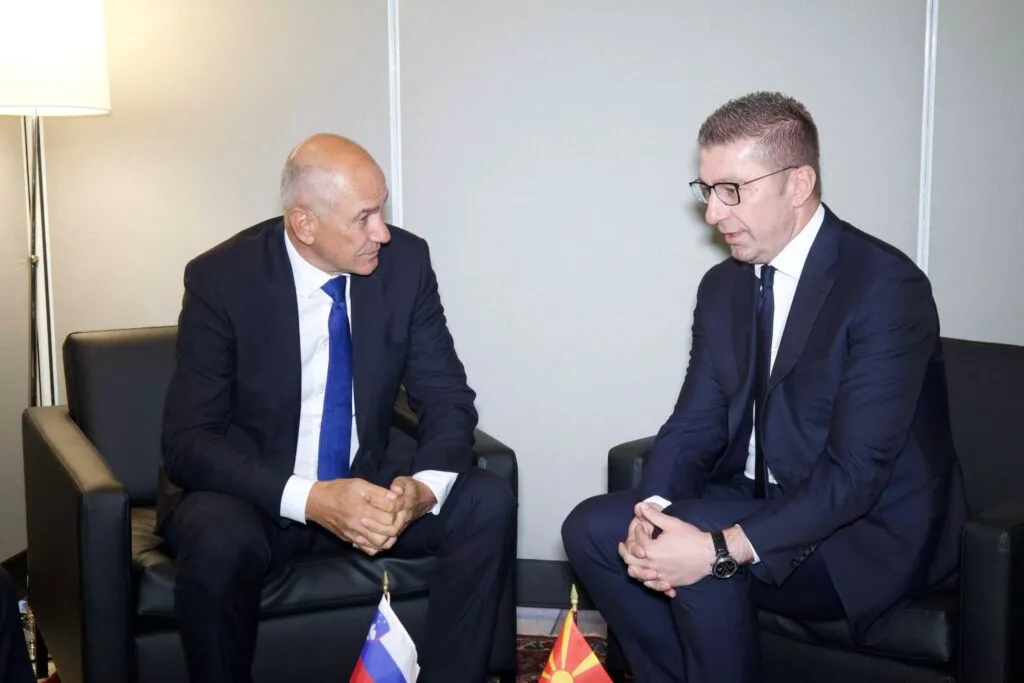
The flag, the Constitution and the name have all been changed, and the EU is no closer. The diagnosis is...
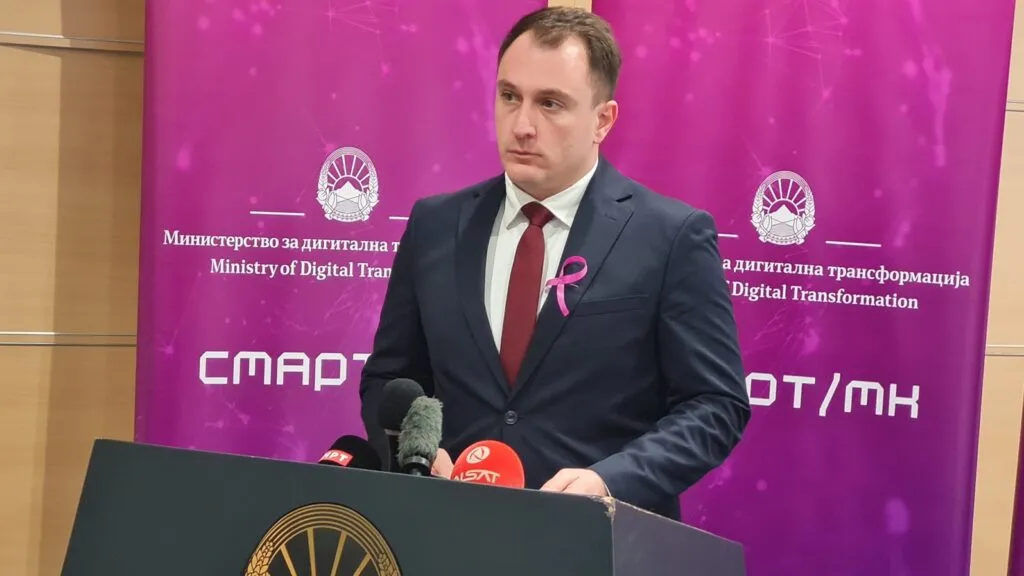
Andonovski admits there was no project, no study, and no figure for how many megawatts the facility would draw. The...

The video has no room, no table, no flags. In the same week the State Department redirected 52 million dollars...

The right to an opinion is not in dispute. The problem is that in certain offices the line between personal...

America sees us as a close friend, the prime minister says. A 200-billion portfolio, six data-centre companies, Chebren and Galishte....

Eight days of invitations to a joint test, then "report your dealers", then a criminal complaint over photographs and the...

From Washington, the prime minister asks for a third party at the table so the dispute stops being bilateral. Brussels...

Mickoski lays out the chain from Washington: pipeline, power, data centres, artificial intelligence. The order of the announcements runs backwards...
This site uses cookies - is that okay? Learn more
Be the first to know when Metla launches something new
Leave your email and we will write when there is a new guide or something new on Metla.