


They Rode In on Scooters, Torched the Shops and Left: The Fire in Shuto Orizari Burned for Three Hours, Setting It Took Fifty Seconds
13.09.2026


13.09.2026

13.09.2026

13.09.2026

13.09.2026

13.09.2026

13.09.2026
13.09.2026

12.09.2026

11.09.2026

13.09.2026

13.09.2026

12.09.2026

13.09.2026

13.09.2026

13.09.2026

13.09.2026

12.09.2026

11.09.2026

13.09.2026

13.09.2026

13.09.2026
13.09.2026

13.09.2026

12.09.2026

09.03.2026

27.02.2026

19.02.2026

13.09.2026

12.09.2026

11.09.2026

23.04.2026

23.04.2026

12.04.2026

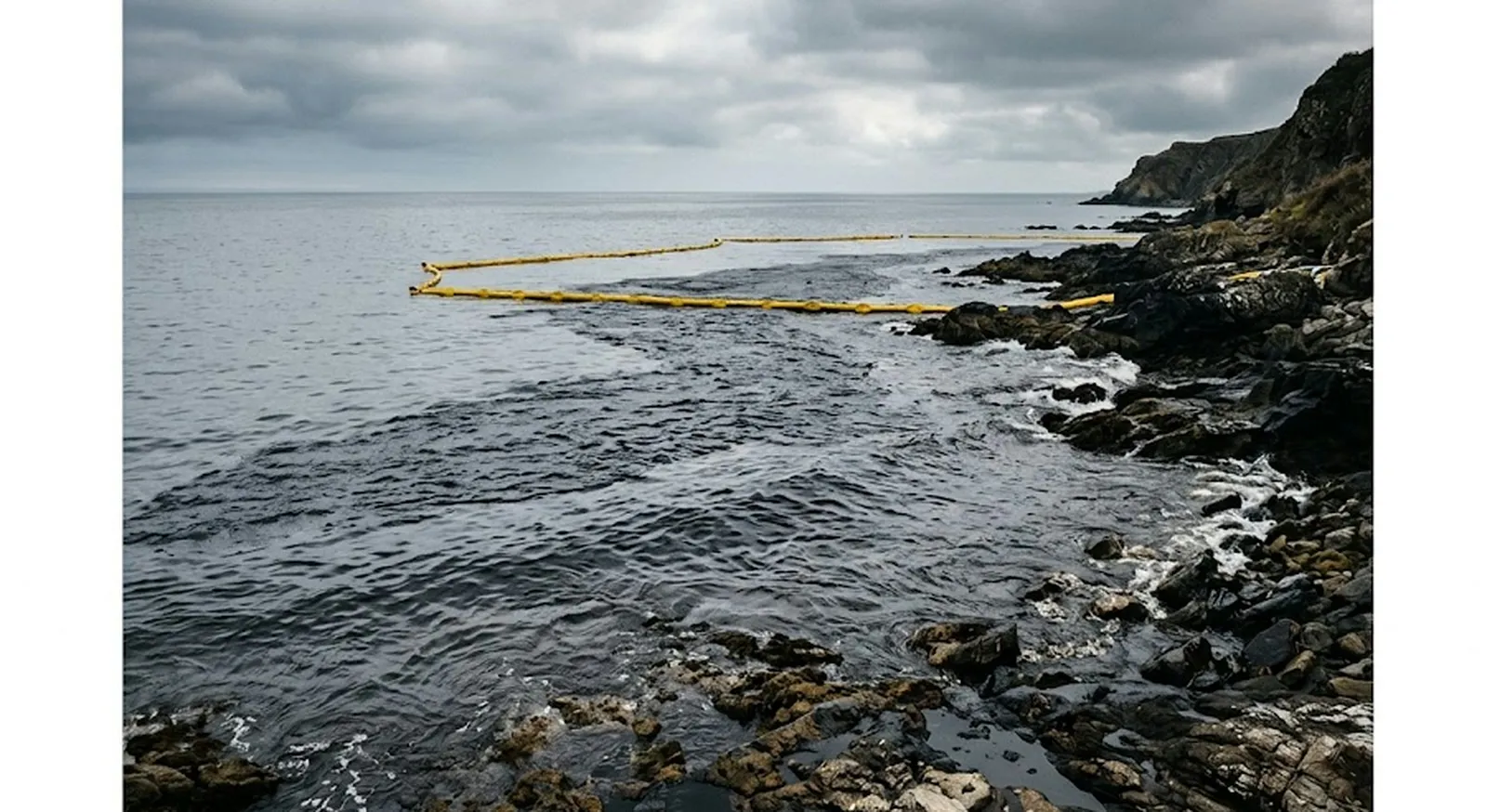
One badly dropped anchor may be enough to pollute one of the most enclosed seas in the world. An underwater pipeline in the Caspian Sea ruptured and spilled crude oil onto the coast near Dubendi beach in Azerbaijan - another reminder of how thin the line is between the energy business and ecological catastrophe.
The pipeline is operated by the production association "Azneft", part of the state oil company SOCAR. According to the statement, the fault was detected on 21 June, after which transport through the damaged section was urgently halted "to prevent further release of hydrocarbons into the water". Divers were sent down for underwater diagnostics, and local services set up floating barriers around the beach to contain the spill before the wind and currents could spread it.
The initial assessment points to serious mechanical damage. The engineers' hypothesis is that the pipeline was hit directly by an improperly dropped ship's anchor - the investigation is now looking for which vessel did it. It sounds banal, but it is precisely banal mistakes that most often lie behind major ecological damage.
What worries is that there are no public figures. How much oil leaked, how large the spill is, what the consequences for the ecosystem are - on all of that there is official silence. And the Caspian Sea is no ordinary bay: it's an enclosed lake-sea with no outlet to the ocean, which means every drop of oil stays in the system longer. When the polluter is running the investigation into its own damage, the question that remains is one familiar in these parts too - who will really answer for it?
The latest 10 news from this category
Nobody said they do not trust Washington. Everyone is behaving as though they do not - gold, weapons, the cloud...
The warning reached the president three years before 9/11. The problem was not a lack of information, but that nobody...
In 1976 tradition demanded the future king choose a bride with no past. Thirty years later that same king married...
Five institutions declined to comment on damaged infrastructure the global oil market depends on. When that many addresses have nothing...
One unidentified object on the tracks, 180 passengers on board, 140 firefighters on site. The difference between railways is not...
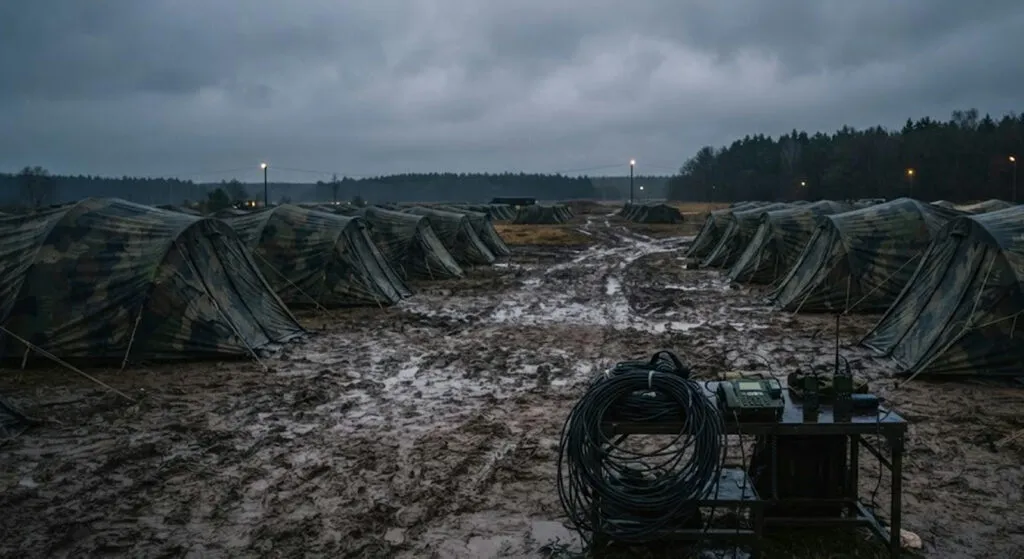
We are preparing for war so that it does not come, Lukashenko says. Put the neighbours' numbers side by side...
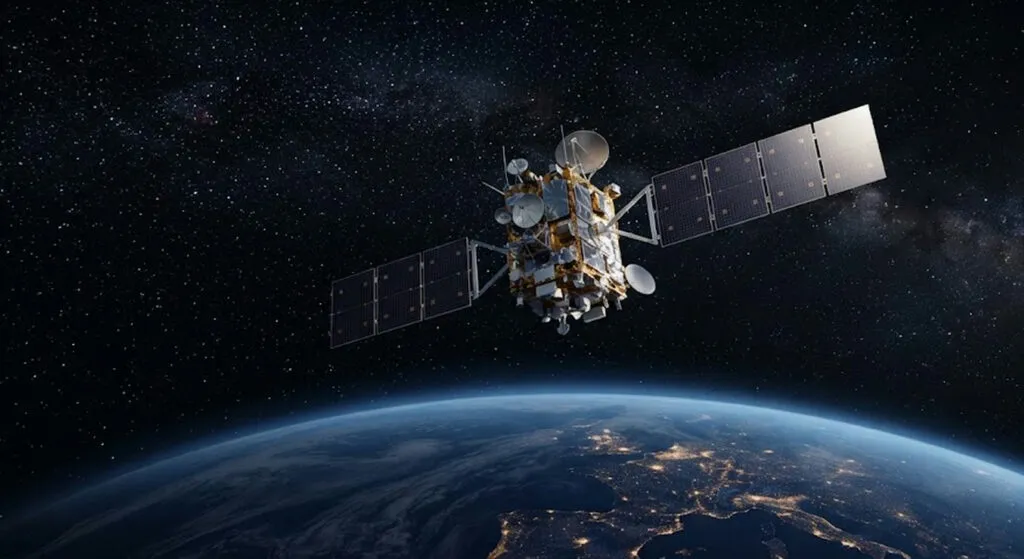
Three years ago the Polish army waited twenty days for satellite images, today it gets them in minutes. And one...

At 22 she had to become Norway's first lady because her mother had died. At 29 she married a divorced...

The tool lets you draw an area on a map and returns a list of everyone who posted to Instagram...

The Athens declaration of friendship lasted less than three years. Now the Aegean is being divided through ecological zones, while...
This site uses cookies - is that okay? Learn more
Be the first to know when Metla launches something new
Leave your email and we will write when there is a new guide or something new on Metla.
