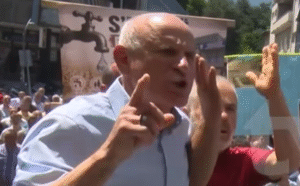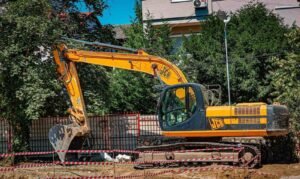
A Nursery for 130 Children in Kozle: Part of the Answer to the Demographic Question - If It Opens on Time
21.06.2026


21.06.2026

21.06.2026
21.06.2026

21.06.2026

21.06.2026
19.06.2026

21.06.2026

19.06.2026

18.06.2026

09.03.2026

27.02.2026

19.02.2026

23.04.2026

23.04.2026

12.04.2026

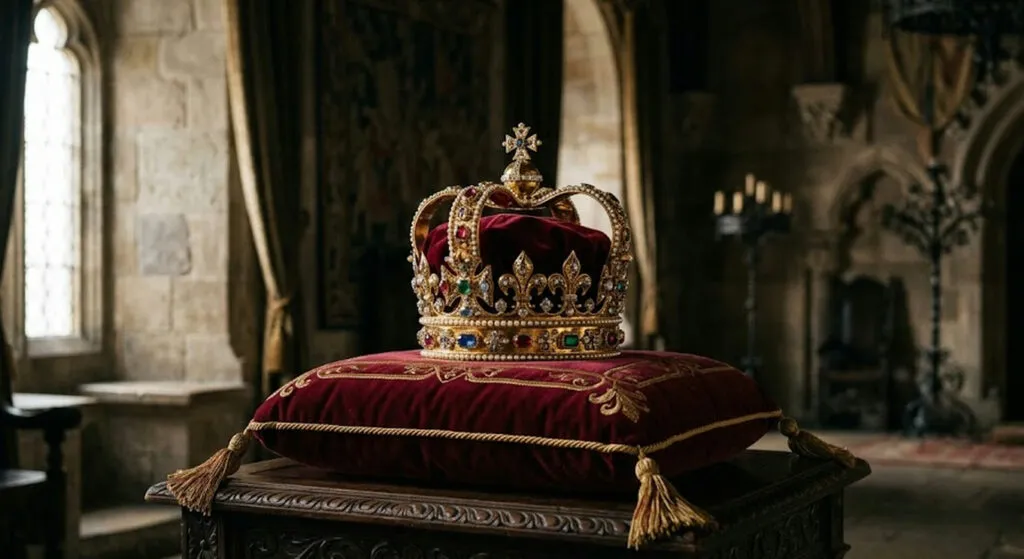
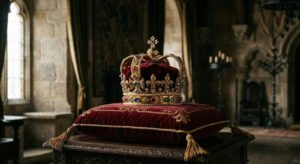
On 21 June Prince William turned 44 - and unlike many heirs to the throne before him, he isn't waiting, he's building. After four years as heir to the British throne, he is quietly positioning himself as the monarchy's "strongman," not through scandals and photo shoots, but with a clear strategy for what kind of king he wants to be.
The contrast with his father is obvious. King Charles III waited for decades and took the throne old, with a role he inherited only in his later years. William, by contrast, knew at once what kind of Prince of Wales he wanted to be. He runs the Duchy of Cornwall with long-term logic, builds his Earthshot prize for climate projects as a kind of global stamp, and develops initiatives inspired by his mother, Princess Diana - but without turning them into a banner or a cause. The restraint is itself a message.
Behind all of this stands an old rule of constitutional monarchies: the king is given support, the heir is shaped. The monarch embodies the state; the heir is a project under construction, under an even greater magnifying glass than the ruler himself. That explains why William now has the room to build a personal legacy he won't have later, once he sits on the throne - by then the duties of state will swallow him.
Beside him is Kate Middleton, a middle-class woman with a university education, who has lifted the couple's popularity to a level British heirs rarely reach. After recovering from her illness, she is slowly returning with a more concrete focus - reform in children's early education - and with the prospect of her own international visits. The two are building an image of stability and modernisation, fitting their appearances around the children's school schedule. The eldest, Prince George, starts at Eton in the autumn after he turns 13.
All of this is calculated, and that's exactly where the question every monarchy raises comes in: how much of this "natural" closeness to the people is sincere, and how much a carefully staged brand? William has clearly learned a lesson his predecessors missed - that in the 21st century the crown is defended with strategy, not title. It remains to be seen whether the stability he projects will hold when the weight of power truly lands on his shoulders.
The latest 10 news from this category
She lost her sight and movement mid-shoot. J.Lo's story of total collapse from exhaustion is a lesson in the price...

Daily horoscope - 21.06.2026
They met at the Olympics, where she worked as an interpreter. Fifty years on, Silvia is the face of the...
Daily horoscope - 20.06.2026
Women do things differently these days - they build careers, wait for the right moment, don't ask for permission. Hathaway...
When a queen wants to send a message, she doesn't need a speech. It's enough to choose who she puts...
They grew up before the eyes of the whole world, then deliberately vanished from it. Power has limits; a father's...
The most expensive objects in the world don't belong to museums, but to people whose names we'll never learn.
Daily horoscope - 19.06.2026
Daily horoscope - 18.06.2026